By Charles Hubbard, Second Year, Theatre and Performance
Musicals are in a strange place right now. Joker: Folie à Deux (2024) kept its songs so secret in the marketing that the mid-movie singing outbursts reportedly prompted walkouts from frustrated fans of its predecessor. Emilia Pérez (2024)’s songs served only to produce viral Tik Tok videos where influencers reacted to clips of Zoe Saldaña singing the words “man to woman, penis to vagina”. And, most recently, Wicked: For Good (2025) made an entire film out of a famously lacklustre second half, with a few awful original songs thrown in to guarantee Oscar nominations it didn’t end up getting.
Enter The Testament of Ann Lee (2025), which drives a ten-tonne truck through the wall between musicals and non-musicals and dismantles the very concept of diegetic and non-diegetic sound. Indeed, it’s difficult to walk out of Testament without asking yourself why all films don’t have climactic points where the characters break out into song, whether it realistically makes sense within the universe of the story or not.
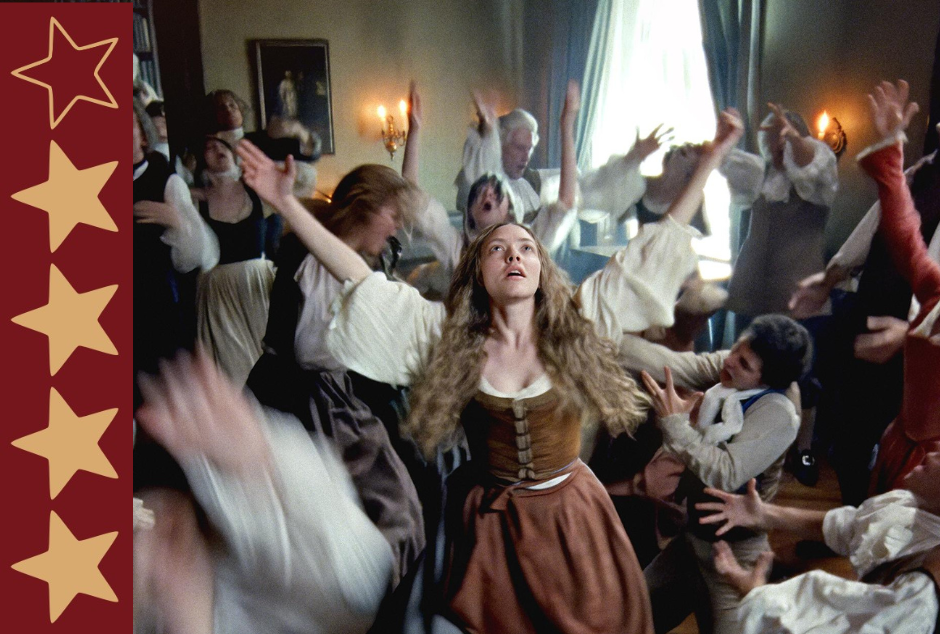
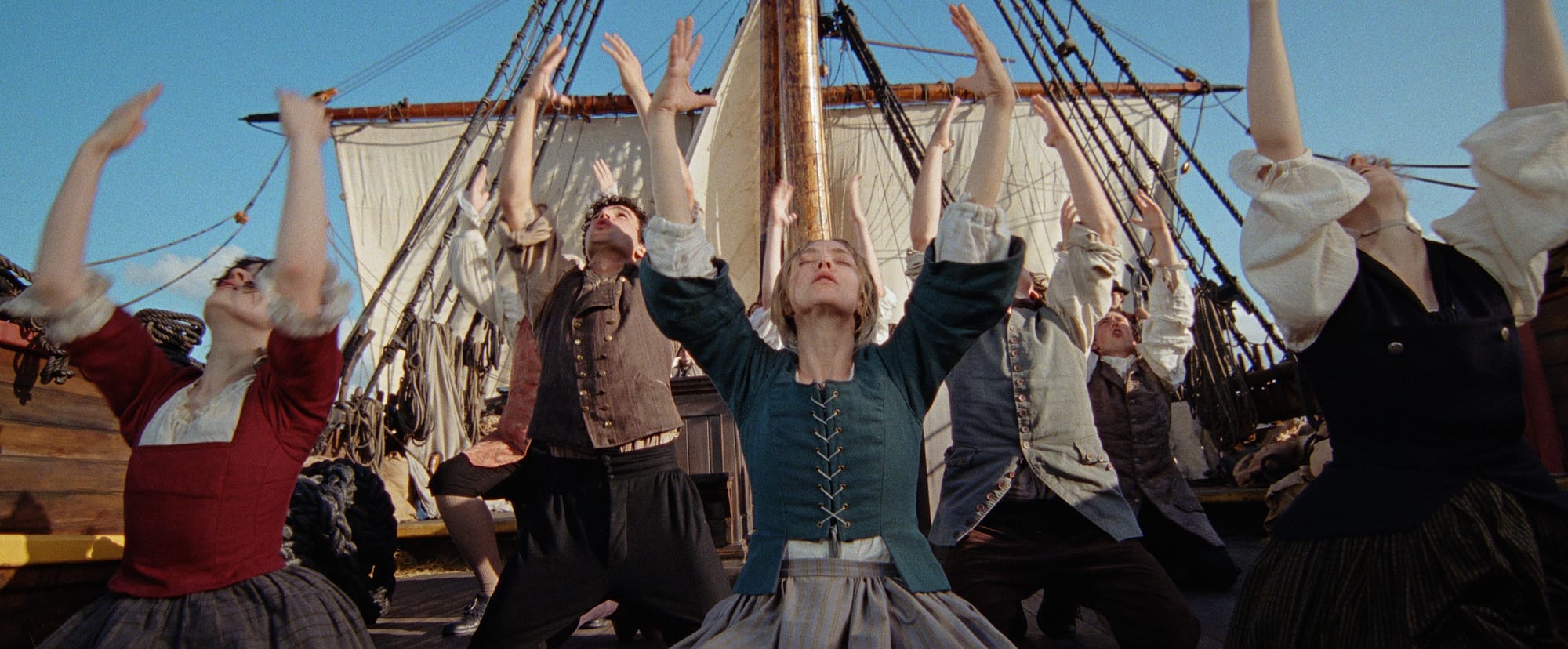
Norwegian auteur Mona Fastvold primarily uses song and dance (though describing the movements of the ensemble here as such feels a little misrepresentative) as an expression of religious fervour and ecstasy. It’s a perfect marrying of form and content and represents the kind of big, deeply unembarrassed swing that I will always respect from major filmmakers, whether they necessarily hit the target or not. And, in this case, Fastvold and Amanda Seyfried, who plays the titular role, hit the target with the force and precision of an Olympic-level archer.
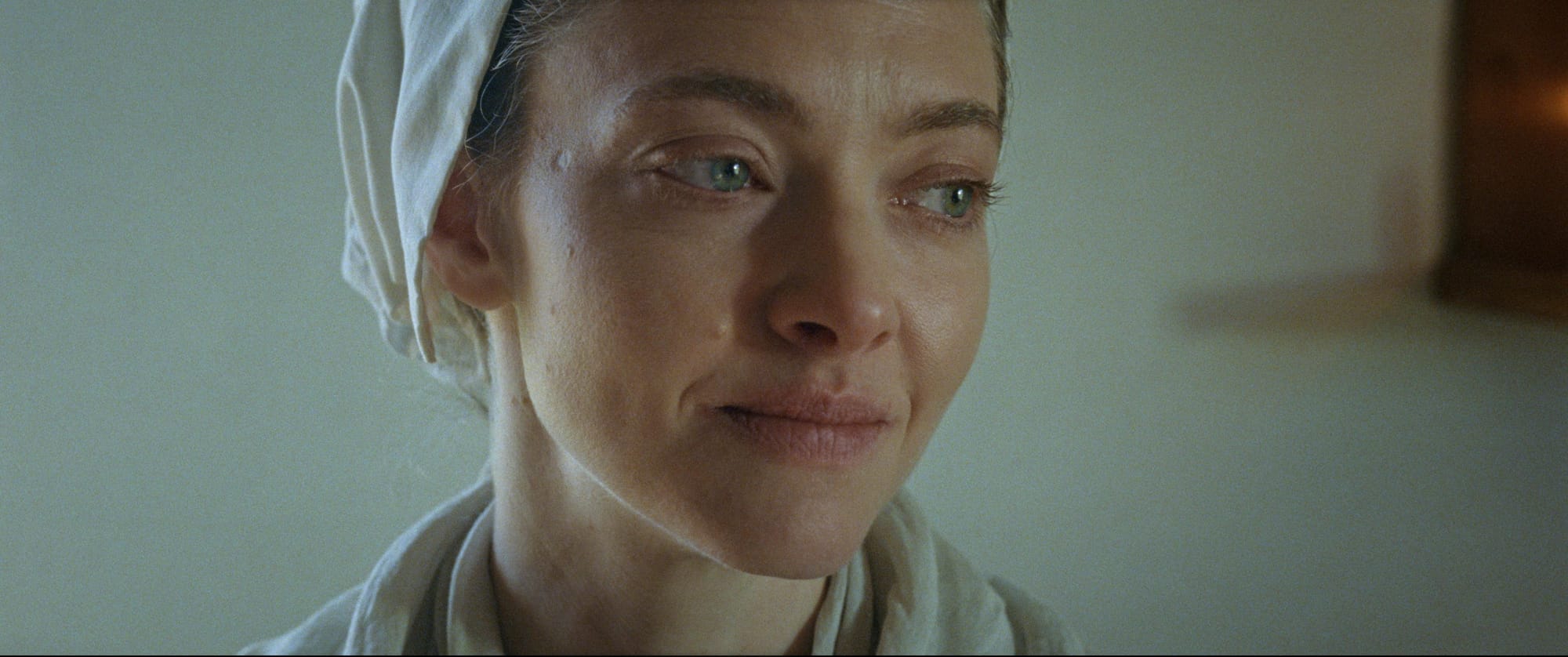
The film is a pretty loose biopic of Ann Lee (Seyfried), who founded the Shakers, an evangelical group established in Manchester in 1747, known primarily for their outbursts of song and rhythmic movement during worship. Primarily, it focuses on Lee’s foundational decision to expand the Shakers across the Atlantic and establish a parish in New England, which was, at this point, still a decade away from US independence.
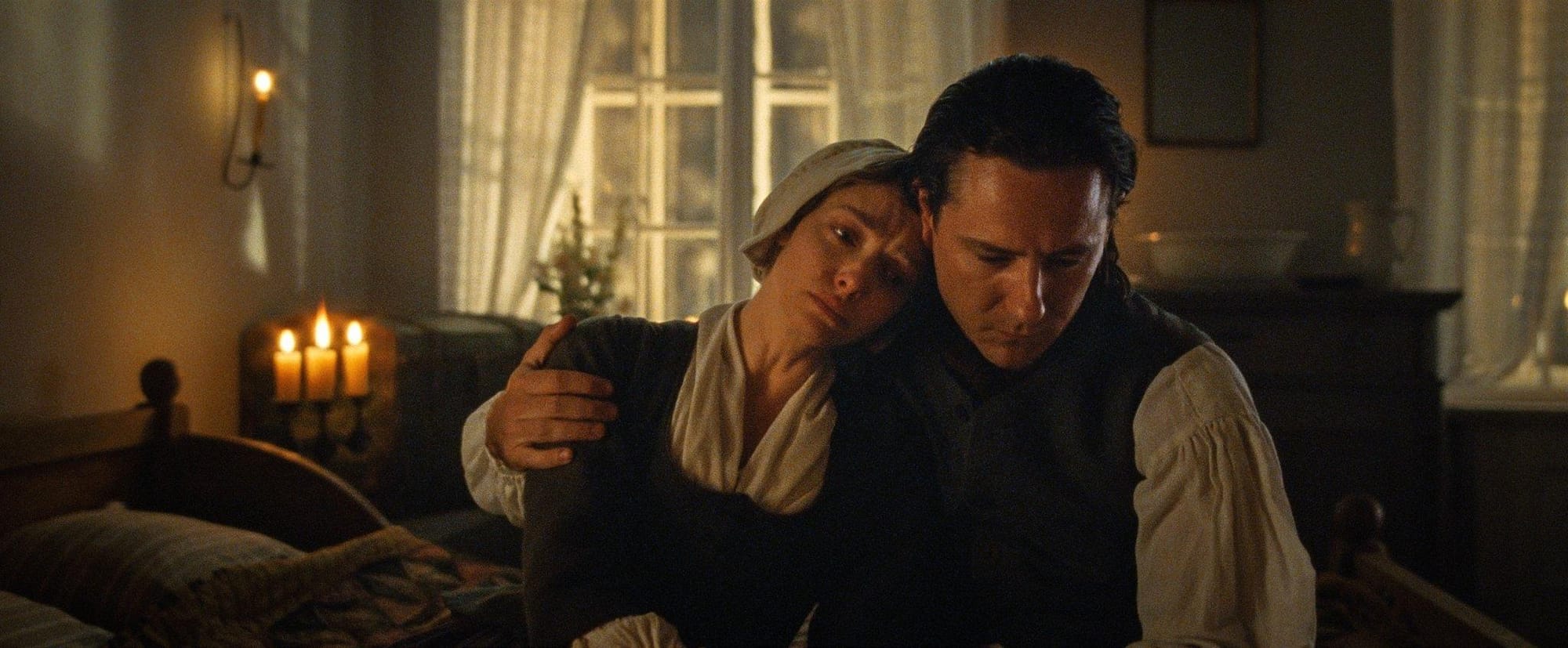
With the help of her endlessly devoted brother William (a questionably be-wigged Lewis Pullman), Lee unconsciously uses her newfound pathway to religious ecstasy as a vehicle through which to work through the traumas caused by four miscarriages and a, let’s say, complicated relationship to sex with her husband Abraham (Christopher Abbott).
A tonal magic trick, the film moves through sequences of virtually plotless slow cinema accented with moments of triumphant dancing, never feeling as though it’s struggling to hop between the two poles. And, while the 137-minute runtime may be a little intimidating (though obviously nothing compared to the bladder-crushing The Brutalist), the pace and momentum are kept nimble throughout.
Making cinema about organised religion is obviously a complicated endeavour at the very best of times, as any film that engages with the figure of Christ in an even slightly more direct way than Fastvold does here is likely to have Catholics sharpening their pitchforks — or, more likely, their placards. It’s therefore refreshing, and smart, that Fastvold takes a characteristically ambivalent but still empathetic position on her characters.
Besides Lee’s non-negotiable condemnation of any sexual urges or acts of ‘fornication’ whatsoever, none of the Shakers’ beliefs or practices are all that crazy. They believe in cultivating the earth for maximum crop yield, abhor slavery, and never strike back when attacked, as they are many times throughout the narrative. In fact, I found Testament most comparable to Paul Thomas Anderson’s The Master (2012) and its depiction of Scientology. Both films tackle very controversial philosophical niches, yet wholeheartedly accept why these groups are so appealing to those residing within them.
It is possible that Fastvold and her partner (in both art and life), Brady Corbet, are slightly sanitising the details of the Shakers’ legacy — I’m certainly no expert on 18th-century religious subsects, so take this with a grain of salt. However, they’re also very clear-eyed about the fact that the Shakers were essentially a failed experiment. The film’s end credits (mild spoilers) reveal to the audience that, even at their peak of popularity, no city, whether in the USA or the UK, had more than 500 Shakers in it, making the ending all the more poignant and bittersweet.
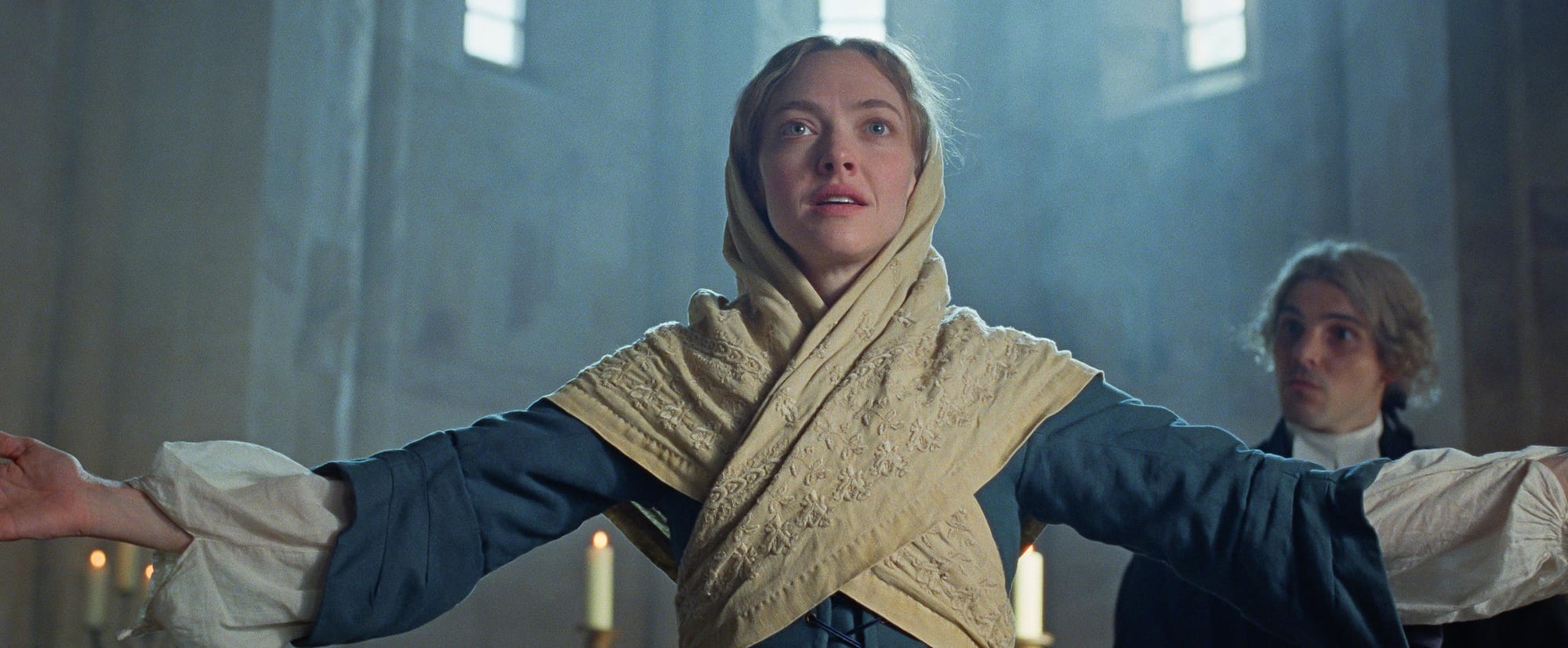
Seyfried has received the vast majority of the film’s few plaudits (it was frustratingly goose-egged at the Oscars), and she deserves every word of them. Playing the charismatic figurehead of an entire religious movement would be hard even if you didn’t have to contend with the fact that you’re 5’2” and trying to pull off a hefty Mancunian accent. And yet Seyfried, never one to shy away from making big, bold acting choices, handles the assignment with a superhuman level of power and grace.
Her mezzo-soprano voice is so bewitching that it’s hardly surprising that, when she sings, the people around her believe they’re truly hearing the voice of God. It’s a crying shame nobody decided to make a Wuthering Heights adaptation when she was in her early twenties, because she would have made a terrific Catherine Earnshaw.
The film is probably not going to be one for everyone — Fastvold opens with a full-on movement number and doesn’t really turn the dial down from there. The term “musical” has such myopic connotations that seeing a bunch of mostly unknown actors dressed in 18th-century garb and moving like they’re in a piece of experimental choreographed theatre is likely going to switch a lot of more casual moviegoers off.
However, this is exactly the kind of risk-taking cinema that I would love to see major movie stars commit to more often. Fastvold and Corbet have proven themselves to be true mavericks when it comes to pushing the limits of what mainstream film culture will accept, and I cannot wait to see what they lovingly serve up to us next.
Featured Image: IMDb | Star Illustration: Epigram / Sophia Izwa
Have you seen The Testament of Ann Lee yet — and if so, are you ready to embrace this bold new strain of musical cinema?