
by Hannah Corcoran, Features Subeditor
You are a commuter armed with a backpack (extra straps for back support), an Apple Watch, and an emergency extension lead. As the train pulls up to the platform you’ve just finished listening to the latest episode from the fitness podcast, ‘Beaut is the Glute’. Flask in hand, you are rested, productive, efficient; your polished brogues click clack across the cobbles of Station Approach.
And in reality?
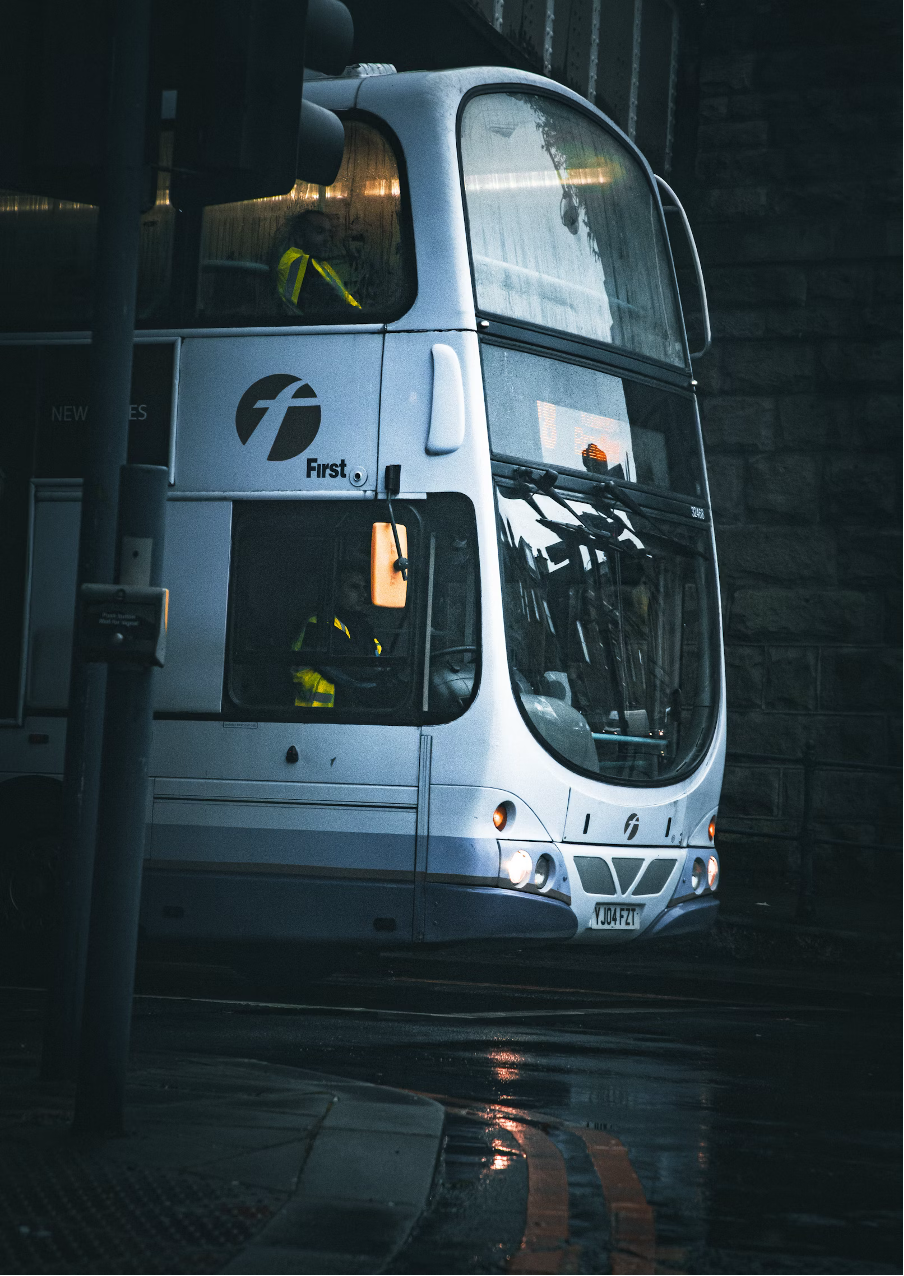
It’s 8.57am and you are marching up St Michael’s Hill for a 9am lecture. No, you didn’t oversleep, you were on a delayed bus. Your seam-stretched backpack is laden with a laptop (fully charged?), water bottle(s), and (countless) snacks. On the plus side, you have no need for protein powder: you have developed gargantuan shoulders just from carrying your daily essentials.
Admittedly, commuting is not glamorous. However, living at home while studying at university is an increasingly popular choice for students nationwide.
The University of Bristol defines a commuter student as ‘someone [who is] not living in student accommodation and/or in the city of Bristol’. Meanwhile, HEPI (the Higher Education Policy Institute) stresses that a commuter is someone for whom the length, cost, or difficulty of travel to university can be more challenging than a student who lives in the vicinity of the university.
There are many reasons for commuting to university, one being that it’s considered cheaper than living in student accommodation. However, other reasons include: commitments at home/elsewhere, lack of adequate student accommodation, especially for students with disabilities, mental health struggles, and neurodivergence, a tight-knit family culture, no Sharia-compliant student loans available until 2026, or simply, commuting being more convenient or comfortable than living at university.
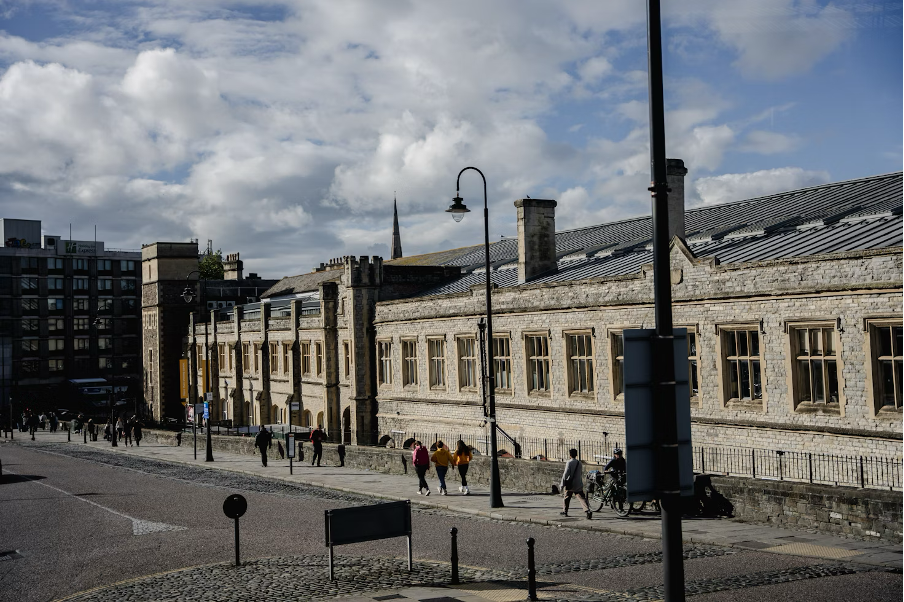
Even though commuting to university is generally more common in London than other areas in the UK, Bristol has its own cohort of commuters. One such challenge of the Bristol student commuting lifestyle is working around cancelled and delayed public transport. Bristol has been ranked as the second most congested city in the UK, which lengthens journey time for commuter students, who must travel during peak hours, to attend early morning and late night lectures and seminars.
Another problem commuters face is their inability to socialise ad-hoc due to reduced or non-existent public transport in the evening and at night.
While Bristol City Council has expanded Bristol’s night bus network, there is more that the University of Bristol can do to ensure commuter students get as enjoyable a university experience as their ‘live-in’ peers, including providing more financial support.
The Sutton Trust recommends that universities should offer higher maintenance grants for commuters, who are three times more likely to be from working-class backgrounds. The charity also argues that there are inexpensive measures that can be introduced. In some instances, universities can cater for commuter students by amending their timetables. This simple step helps students to avoid the stress of expensive peak-time travel.
A University of Bristol report on staff and student travel, which doesn’t mention commuter students, found that many ‘live in’ students pop back and forth between university and their term-time address during the day. This isn’t an option for commuters, who must carry everything they will need for a day of study. This makes access to study spaces, to rest and recharge, especially important for them, and adds to the frustration that a lack of free study spaces at University of Bristol brings to our student population.
Some universities with high rates of commuter students have ‘commuter lounges’, with comfortable seating, and even facilities like a kitchen and showers available for use after long journeys. However, given Bristol’s likely low rate of commuters, a dedicated space seems like a remote possibility.

Alternatively, access to lockers is a simpler option, and something which the Mature Students, Parents, & Carers Network has successfully lobbied for.
Epigram contacted the University of Bristol’s Admissions Office, Student Services, and the Student Union, none of whom could answer how many commuter students attend the University of Bristol. Epigram then submitted the following Freedom of Information request: ‘…how many students at [the] University of Bristol commute (i.e. live at home/not in student accommodation) to university?’ and received the following response:
‘Further to Section 1 of the Freedom of Information Act 2000 (the “Act”) we confirm that the information requested is not held by the University of Bristol (the “University”).
‘The University does not record this information, though there are plans to better collect this data in future, as part of a wider drive to provide facilities and support for students who commute.’
The absence of data collected about commuter students at university is likely no surprise to Dr Emma Maslin, who sought to fill a gap in research with her thesis on the ‘ethnography’ of commuter students in the UK, specifically living in the Northeast, post-Covid. Her research concludes that ‘all commuters are different’ in their reasons and experiences, so will require different types of support in their literal and metaphorical university journeys.
 Alannah Mylechreest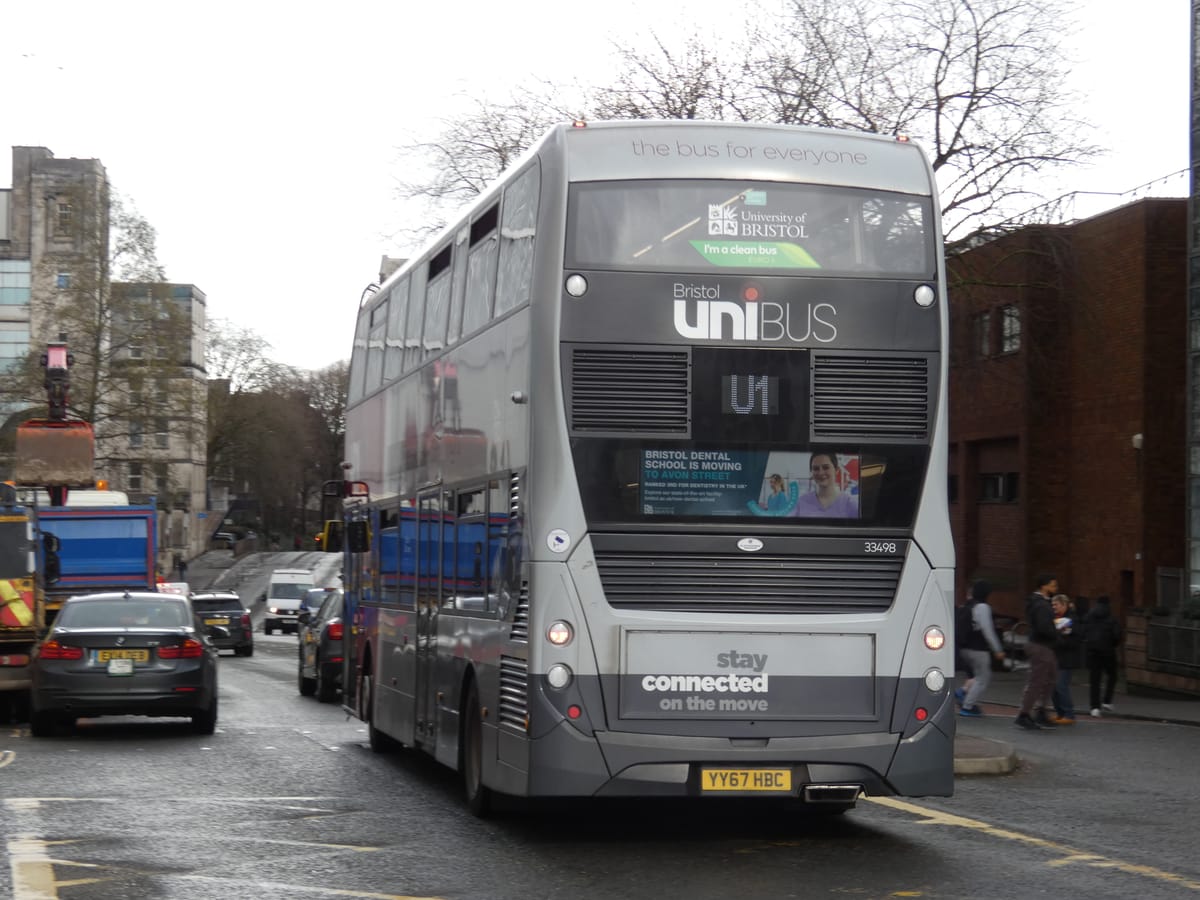
 Anna Johnson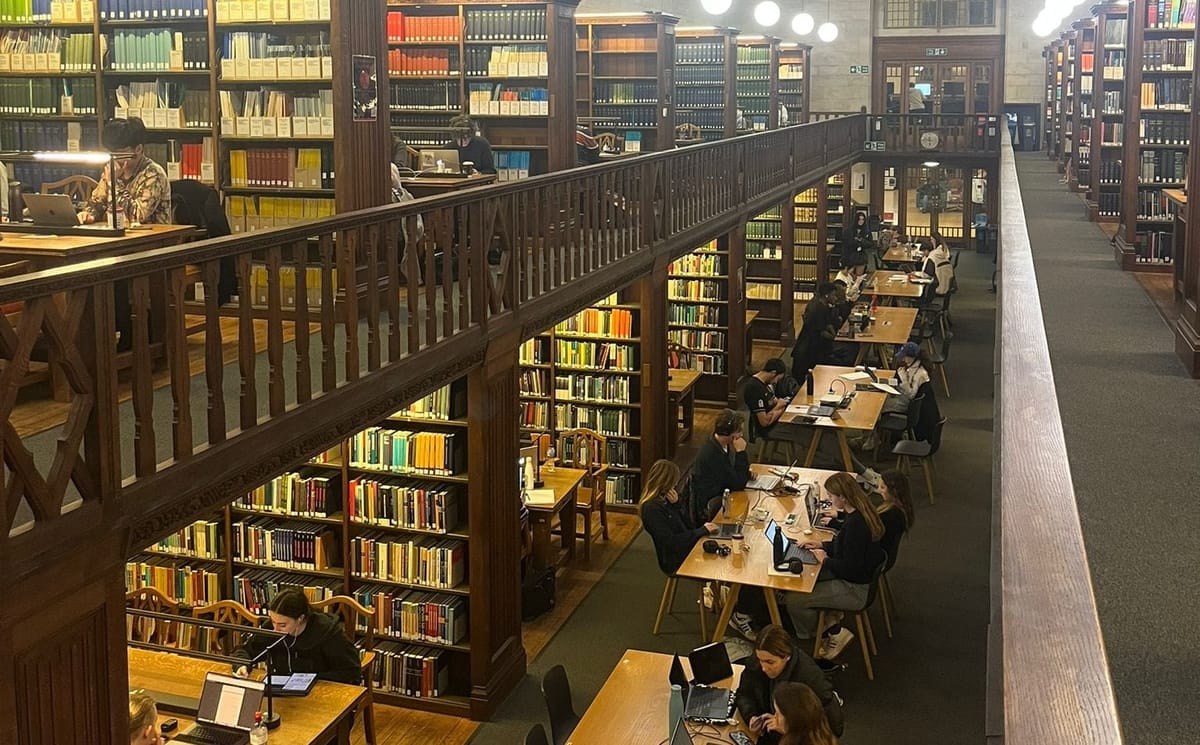
Despite all the challenges that commuter students face, their commitment to their university life benefits the greater student population. Commuter students are usually locals to Bristol and its surrounding areas: befriend one and they may just let you know where to find the best pint. In a city where there is a disconnect between the ‘student bubble’ and the wider non-student population, commuters can nurture positive relations between these groups through sharing their local knowledge of independent businesses, events, and venues.
It seems that the University of Bristol has collected little data about their commuter students: it’s a group that they have overlooked. However, there are simple changes that can be made to ensure that Bristol’s resilient bunch of commuter students receive the enjoyable university experience they deserve, and to feel as welcomed and prepared for study as they can.
Featured Image: Unsplash / Winston Tija
Are you commuting to the University of Bristol this year?