By Rebecca Le Jeune, Third year, Politics and International Relations
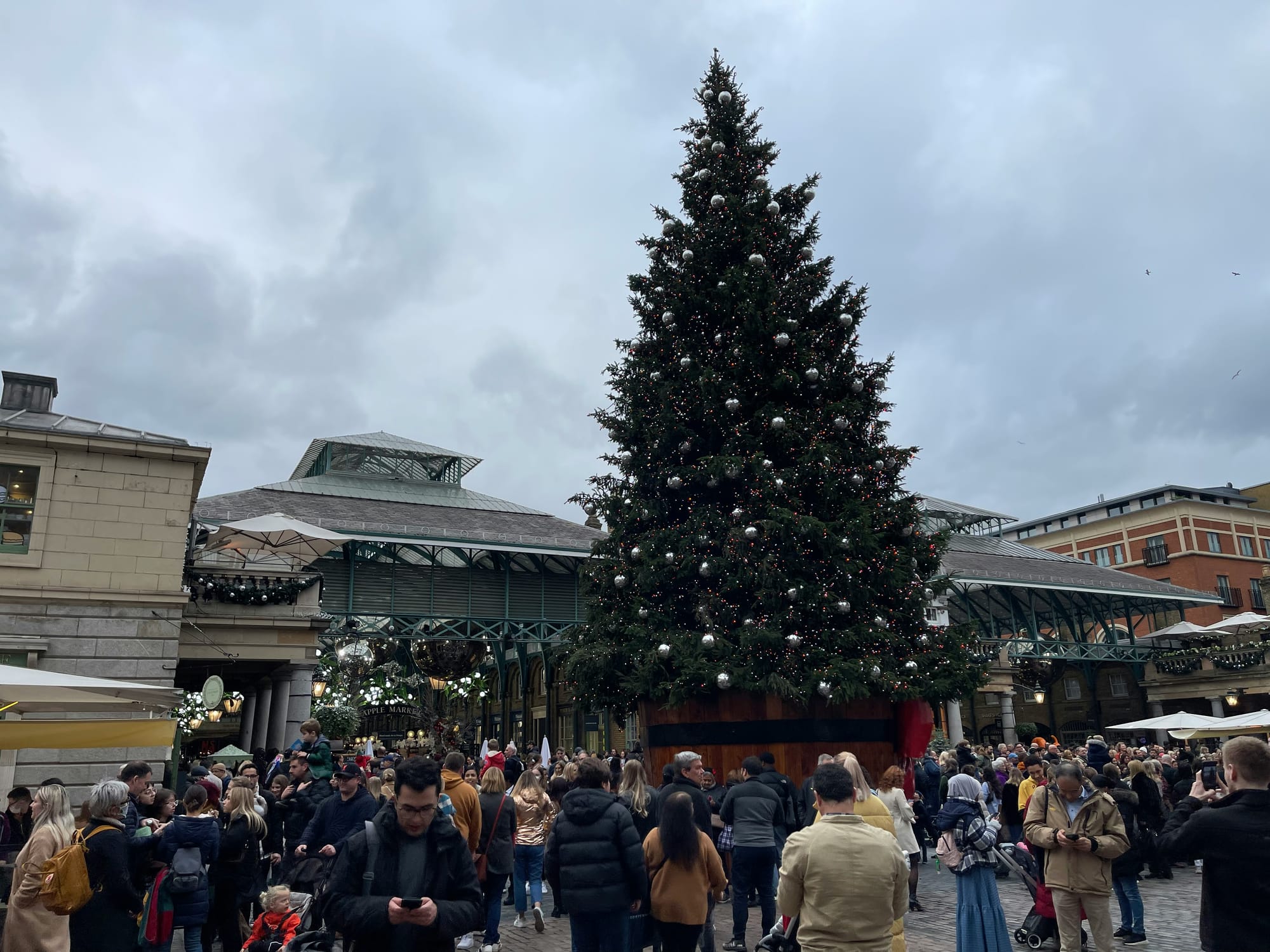
It's nearly Christmas. You have five deadlines, six presents to buy in the next week, and the only thing that might actually just send you over the edge is choosing a gift for your unhinged uncle’s secret santa. Walking through Cabot Circus feels like entering a scary state of fight or flight. Bright lights. Crowds. A faint smell of cinnamon and panic.
It’s a lot.
But yet there is a little something that makes us anticipate the christmas season, we enjoy the bright lights in winter wonderland and there's just something about the overwhelming amount of choice in the charity shop whose festive mug aisle calls you back again and again.
That being said, Christmas shopping can really take it out of you, and it's rather anxiety inducing. Surveys show that over 60 per cent of people report elevated stress during the holidays, so much for 'the happiest season' (P.S: it's marketing …).
There really is quite a blend of psychological factors explaining our behaviour of christmas shopping- be it social, emotional or cognitive. Let's unpack.
The dopaminergic system refers to the network of brain pathways that use dopamine as their primary neurotransmitter. These circuits regulate reward, motivation, movement, cognition, and hormone control, making dopamine central to both everyday behavior and psychiatric/neurological health. As soon as you enter the shop, the possibility of finding that valuable gift sends anticipatory messages to your brain. Dopamine neurons in the ventral tegmental area (VTA) fire, projecting to the nucleus accumbens, the core of the reward system.
The music in the background act as conditioned stimuli, priming dopamine release. Certain types of music induce consumption, for example. The mesocortical pathway (dopamine projections to the prefrontal cortex) supports focus and decision-making. Whether weighing options or comparing prices,when you think that you have found that perfect gift, the dopamine spikes, making you repeat the pattern.
Positive stress, or eustress, is what tells us that this festive rush can feel exciting. We feel this when we are nervous for an exam, and we get motivated to study. Procrastinators get it. Limited-time offers, gift hunting, and the anticipation of giving. This mild stress sharpens focus and motivates action, helping people complete shopping tasks efficiently. The 50 per cent off deals and Black Friday promotions make us think like we’re winning. There's a thrill in the hunt for a good gift, and you can get super into it.
Reached flowstate yet?
With eustress, comes distress:
That fight-or-flight response? It’s real. The body’s autonomic nervous system kicks in the moment your brain decides a situation is overwhelming. And yes, that can mean that Christmas shopping now registers as a survival scenario.
Crowded spaces, long queues, delayed GWR trains, standstill traffic on the M5 - these aren’t just annoying. They activate the hypothalamus, the brain region responsible for detecting stress and regulating the autonomic nervous system. Once it senses chaos, it sends signals that dial up your heart rate, tighten your muscles, and sharpen your senses. This is the same system that would historically help you escape a predator, now repurposed to help you navigate Cabot Circus on a Saturday in December.
‘Tis the season! Breathe. The art of gift-giving doesn’t have to be high-stress or high-budget. Handmade gifts are cute, personal, student-friendly, and far less likely to trigger a mild panic attack. And remember, not every shopping experience is Cabot Circus on a Saturday afternoon. Right next door to us is Bath Christmas Market: take in the bratwurst fumes, and channel that 2024 brat-summer energy straight into 2026. Merry Christmas and Happy New Year! May your shopping be peaceful, and your deadlines gentle.
Featured Image: Epigram / Jemima Choi