By Meg Pantry, Second Year, Law
The Monkey is, unambiguously, a film about death. From details as small as a print of Francisco Goya's 'Saturn Devouring his Son' hidden in the background of the opening scene, to the sprawling viscera that accompanies each of the characters' absurd demises, every minute of the film features some reminder of life's capacity to end randomly and gruesomely. Predictably, this has led to some harsh critical reception; critic Benjamin Lee, writing for The Guardian, described the level of gore in the film as 'tiresome' and 'juvenile' (a premise echoed by many filmgoers). However, beneath the film's gruesome, abrasive facade lies some intriguing commentary.
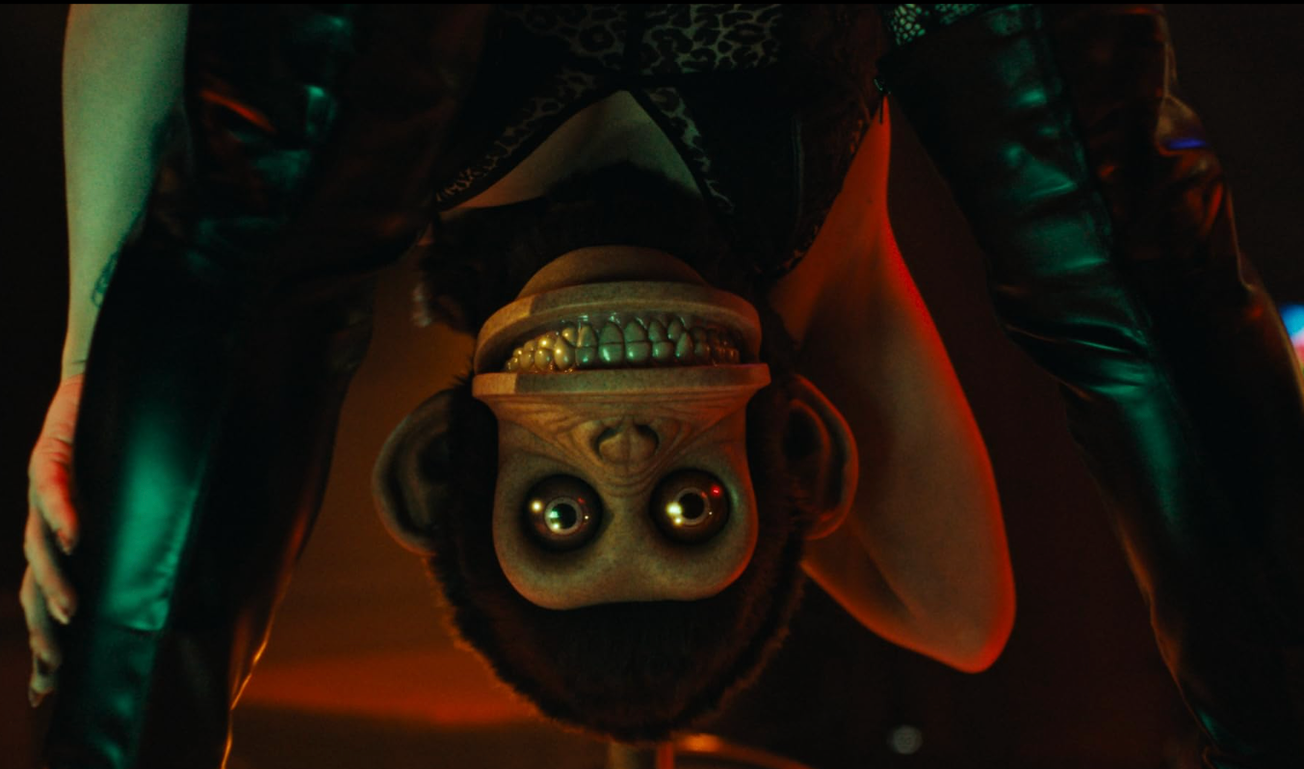
The film, an adaptation of Stephen King’s short story of the same name, follows twin brothers Hal and Bill Shelburn, as they grapple with the consequences of a wind-up monkey ‘toy’ that is capable of killing in strange and gruesome ways by clashing its cymbals together. While such a tongue-in-cheek plot doesn’t seem like it would lend itself to philosophical analysis, the film is imbued with meditations on life, death and grief. Notably, the eponymous monkey is discovered in a box labelled ‘like life’. While the characters originally dismiss this as a butchering of ‘life-like’, it becomes clear throughout the film that the label is correct, culminating in Hal’s comment: 'It kills who it wants when it feels like it. And it doesn’t owe you an explanation. It’s true what it says on the box. It’s just like life.'
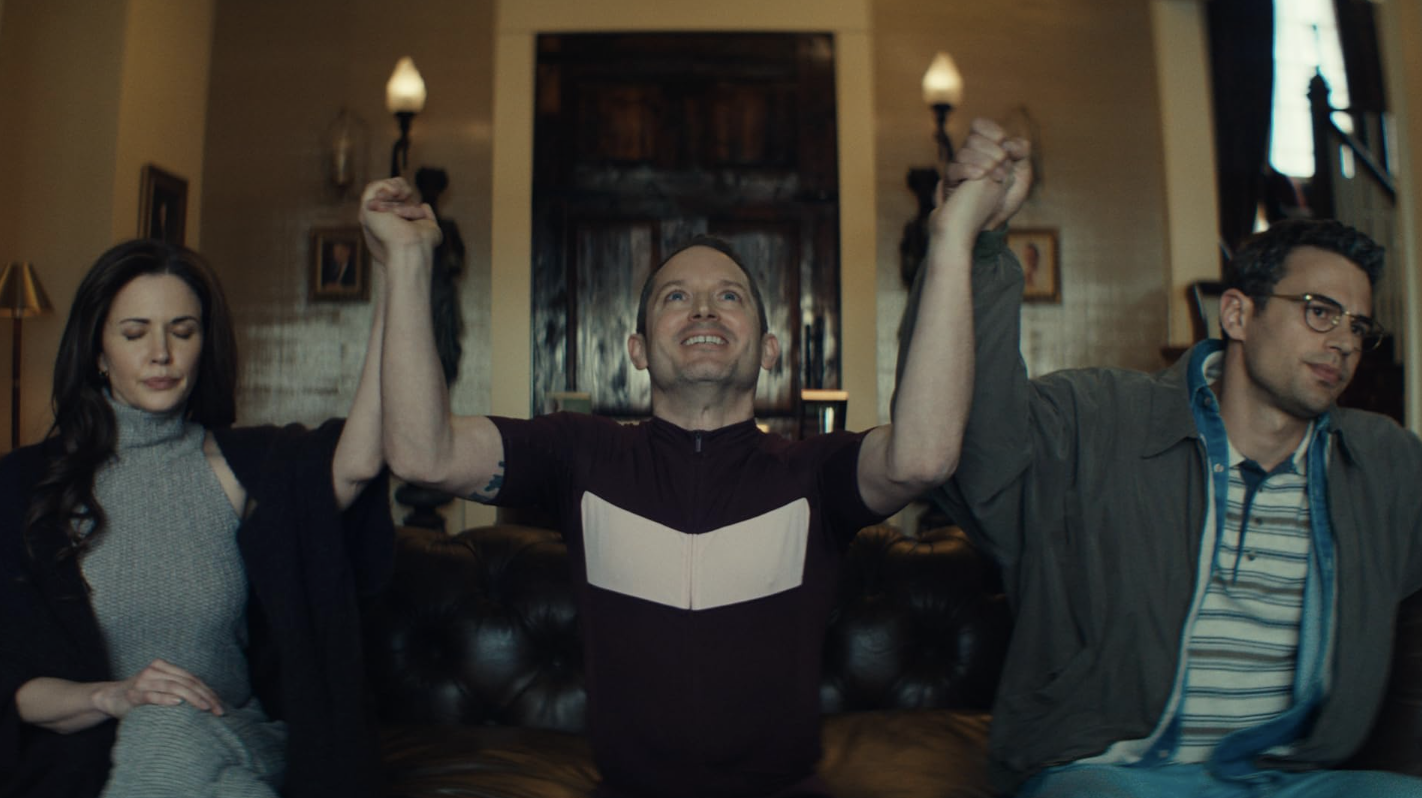
In spite of this morbid discovery, the tone of the film is anything but depressing. Instead, the characters embrace the randomness of death, with the twins’ mother stating ‘Everybody dies. And that’s life. […] Come on, let’s go dancing’. Director Osgood Perkins, in an interview for Empire, revealed that this aspect of the film was influenced by the deaths of his parents, saying:
‘I spent a lot of my life recovering from tragedy, feeling quite bad. It all seemed inherently unfair. You personalise the grief: 'Why is this happening to me?' But I'm older now and you realise this shit happens to everyone. Everyone dies. Sometimes in their sleep, sometimes in truly insane ways, like I experienced. But everyone dies. And I thought maybe the best way to approach that insane notion is with a smile.’
Whether intentionally or not, this idea seems to be heavily influenced by absurdism – that is, the belief that life is irrational and meaningless, and the only way to deal with it is by embracing meaninglessness. Albert Camus famously explored it through the myth of Sisyphus, the Greek mythological figure doomed for eternity to roll a rock up a hill, only for it to roll back down again. Sisyphus is, like The Monkey’s protagonist, doomed to an irrational and arduous life, and can only find solace by embracing the absurdity of it. Camus ends his parable with ‘One must imagine Sisyphus happy’. Perkins ends his with ‘Let’s go dancing’.
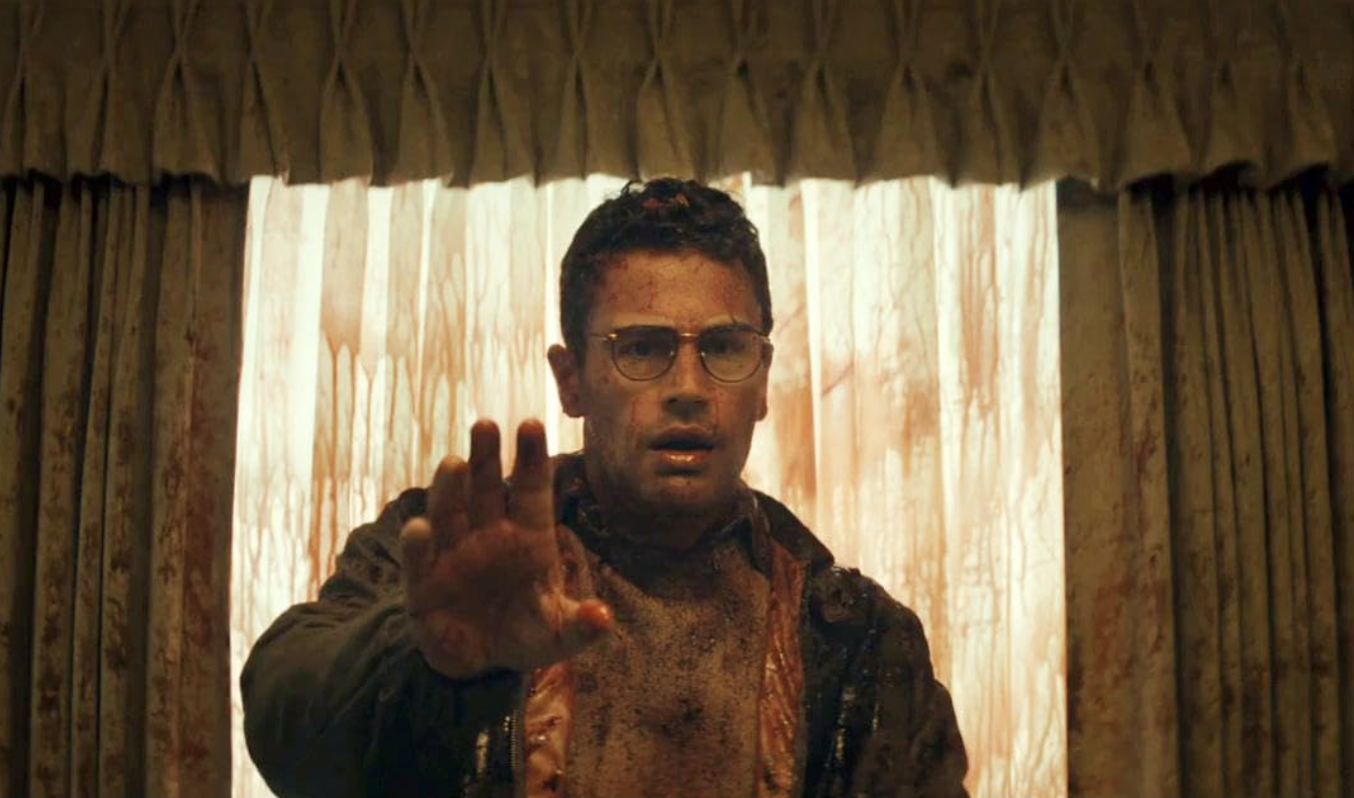
This theme is only enforced by the film’s controversially high level of gore. Throughout the 98-minute runtime, throats are slit at Hibachi grills, faces are smashed with bowling balls, organs abound with complete disregard to biological accuracy. Interestingly, these scenes are almost exclusively played for laughs. One of the main changes made by Perkins when adapting Stephen King’s short story was changing the genre from straight horror to dark comedy, prompting King himself to describe the film as ‘batshit insane’. The gore is not just exaggerated, it’s caricatural – slapstick, even. It’s an interesting experience, to be in a cinema watching characters experience the worst that life has to offer, and to be surrounded by a laughing audience. But this is – at its core – absurdist. The audience is forced to confront mortality, to embrace its lack of meaning, and to find joy. One must imagine The Monkey’s protagonist happy.
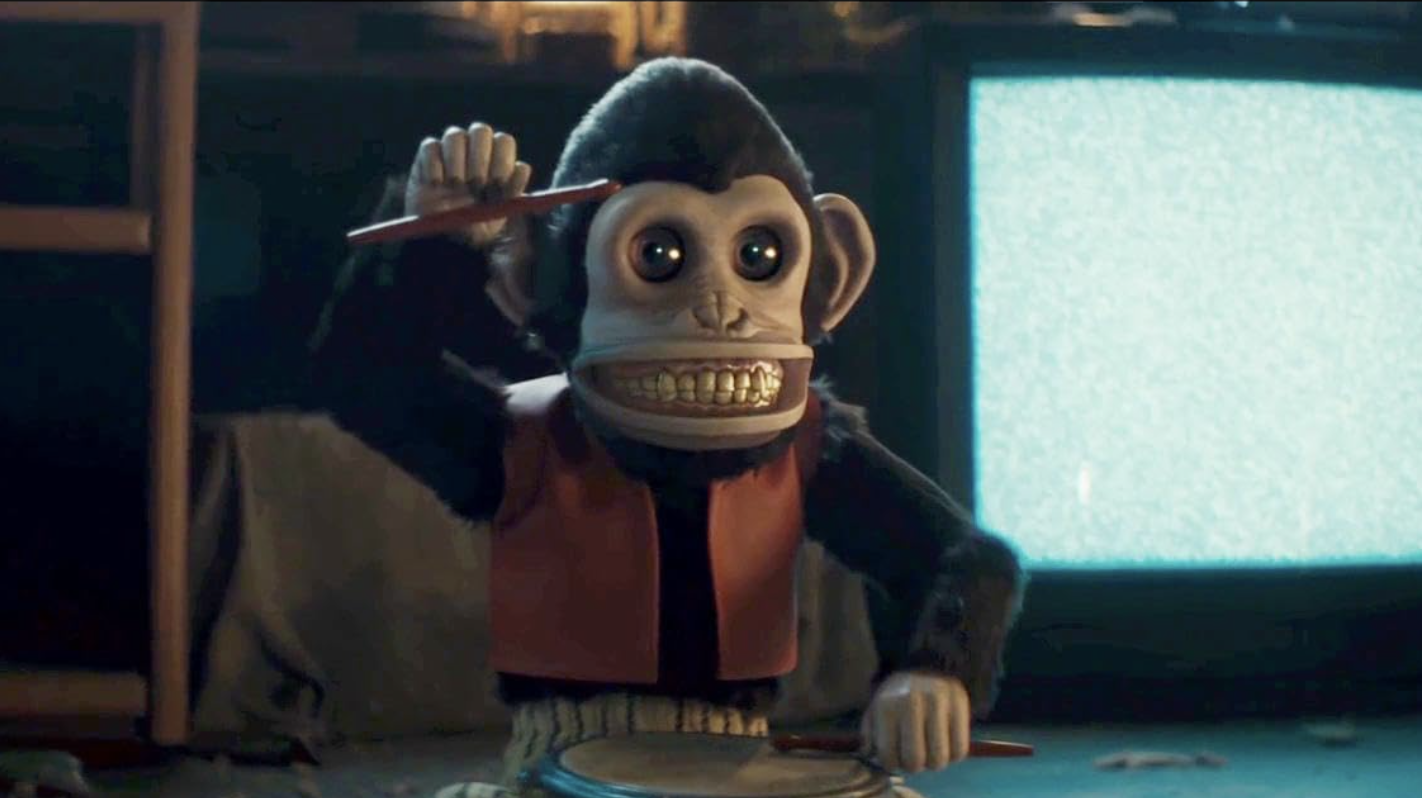
Featured Image: IMDb / Neon