
By Simren Jhalli, Second Year, Comparative Literatures and Cultures
Alan Bennett’s new film, directed by Nicholas Hytner, unfolds in a fictional Yorkshire town trying to keep its spirits intact as its men are conscripted to fight in the First World War. At the centre of the community’s efforts to stay upbeat is the local choral group, whose rehearsals and camaraderie offer a sense of purpose and unity.
The film opens with a moment of gut-wrenching loss: a letter delivered to a woman confirming that her loved one will not return home. It is a scene that establishes the film’s melancholy undertone, reminding us that the community’s choral group, and their determination to stage a musical, serves only as a fragile distraction from the war. The story goes on to follow several townspeople, many of the men either too old or too young to enlist, while the women shoulder not only the burden of their loved ones’ absence but also the emotional repression of the men who remain.
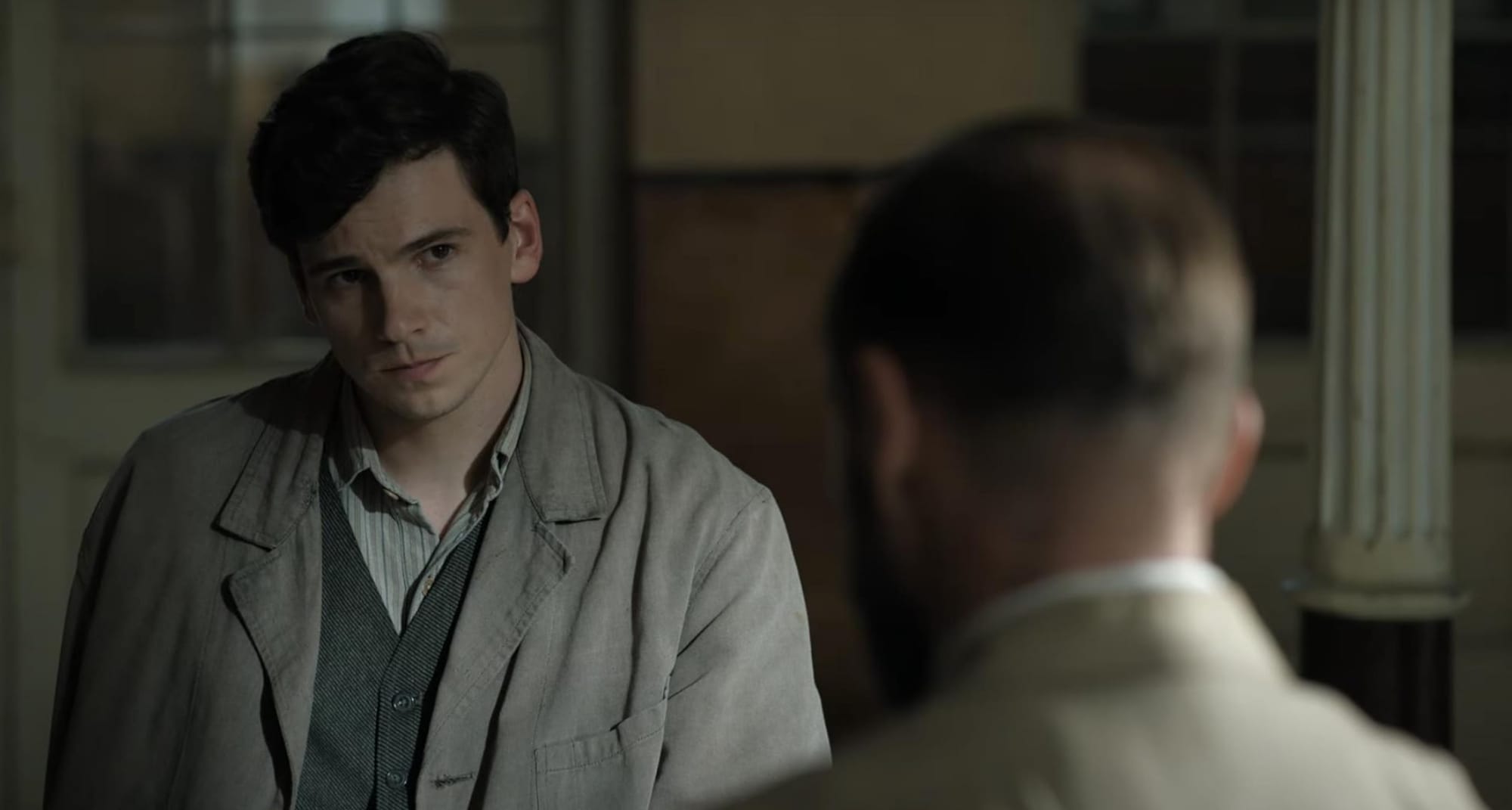
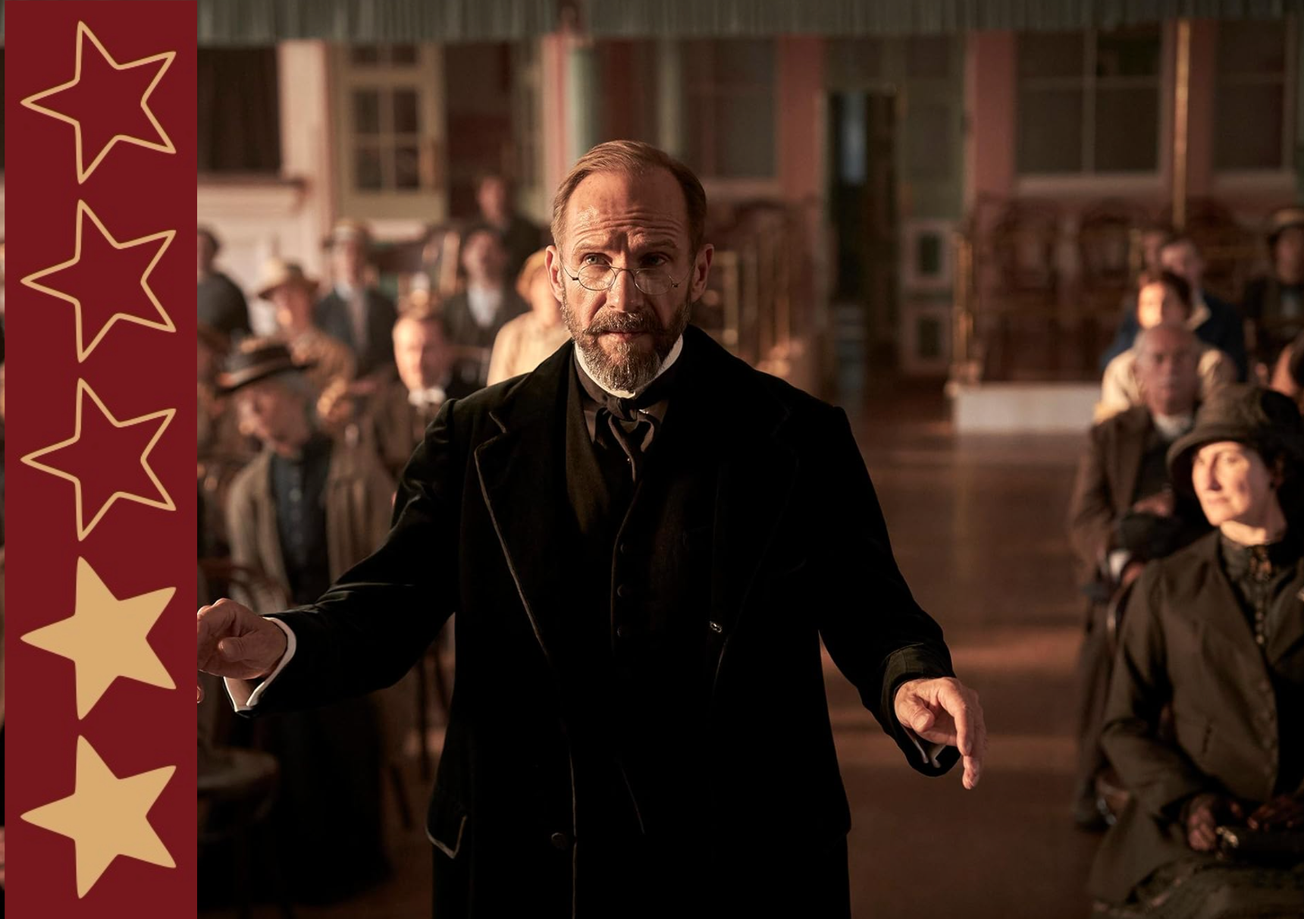
A rare spark of excitement arrives with Dr. Guthrie (Ralph Fiennes), reluctantly appointed as choirmaster. His previous life in Germany, and his intellectual affection for its literature and music, casts him as a figure of both fascination and scandal. The film also weaves in a subtle, yet compelling, subplot exploring homosexual desire through Guthrie and the pianist, Robert (Robert Emms). As Guthrie agonises over the fate of his lover, his private anguish underscores the personal stakes behind his public persona.
The town’s suspicion of anything German, or anything straying from strict Christian orthodoxy, is a recurring theme. German composers such as Bach, Beethoven, and Handel are dismissed as inappropriate for performance. Guthrie instead proposes Elgar’s The Dream of Gerontius, its meditations on mortality fitting the moment, though its Catholic origins provoke unease among the locals.

The film attempts to tackle a remarkable range of themes: the pressures of duty, young men seeking to lose their virginity before deployment, the disorientation of returning soldiers who find home transformed, and the painful constraints placed on queer lives. Yet, this range becomes a weakness. With so many threads introduced, it becomes difficult to engage fully with any one of them. The result is a viewing experience that is undeniably moving but ultimately overwhelming; too many stories, too many emotions, and too little resolution.
 Harry Gillingham
By the time the choral group finally stages its musical, the moment feels oddly muted. The performance is poised to be a triumph, but the emotional weight of the film’s many subplots overshadows it, leaving the ending strangely flat.
Despite moments of poignancy, the film ultimately feels weighed down by its range of emotions, leaving the audience moved, yet uncertain about what, exactly, to take away.
Featured Image: IMDb / The Choral | Illustration by Epigram / Sophia Izwan
What did you think of The Choral?






)