By Anna Dodd, Features Editor
Do you care about climate action but have become fatigued with mainstream doom and gloom rhetoric? Or have you sought to reduce your carbon footprint but realised the vegan lifestyle wasn’t for you? Are you tired of being blamed as an individual for not doing enough to save the planet whilst gargantuan oil companies get off scot-free? SWITCHED campaign may have an answer for you.
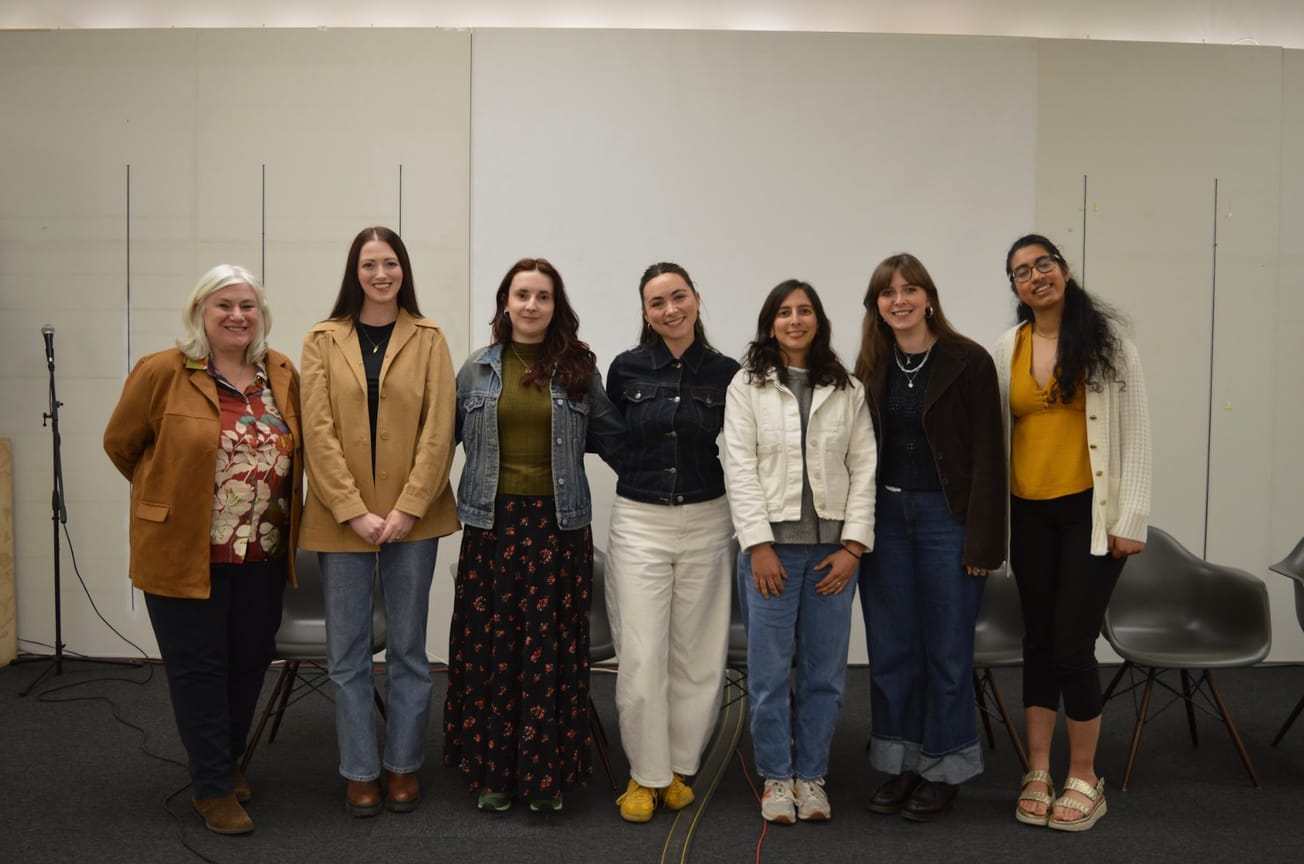
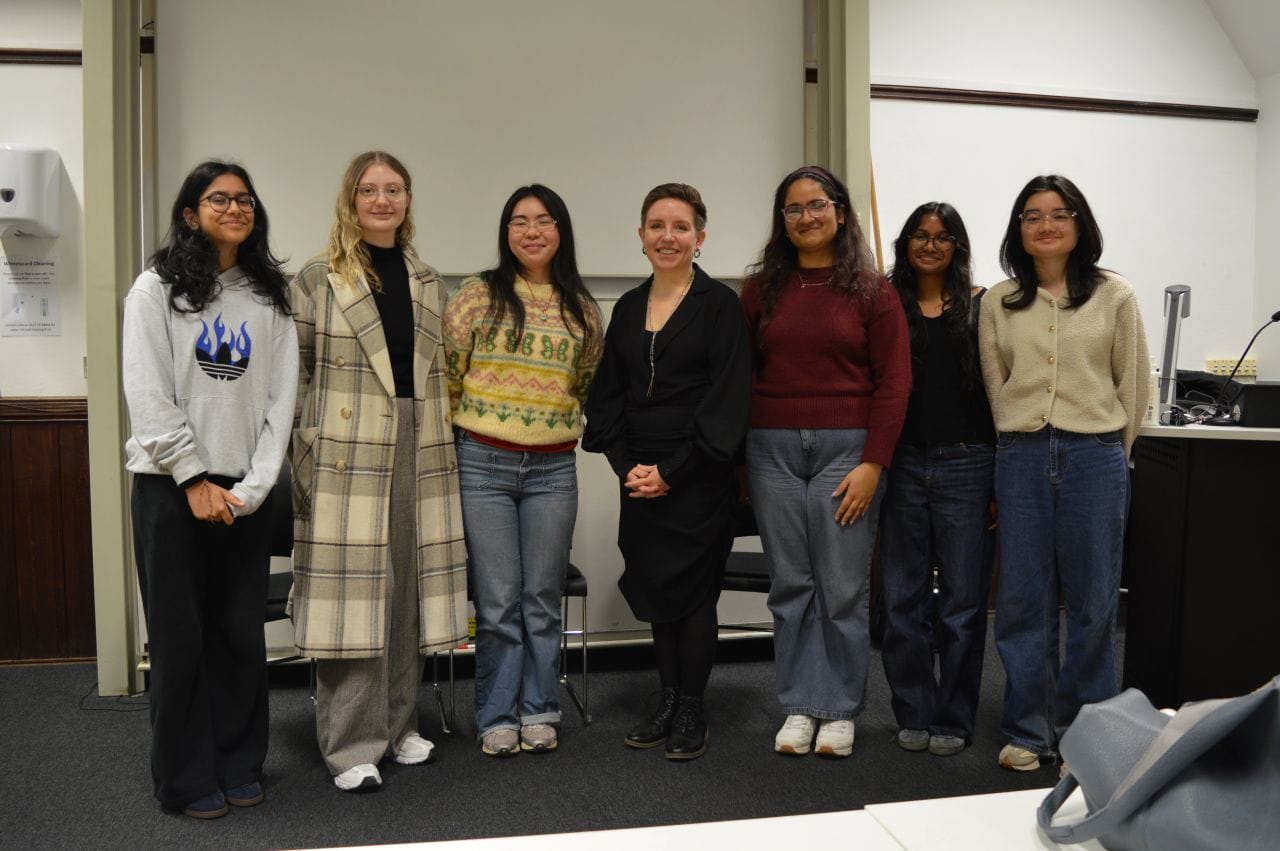
Embodying notions of empowerment with a focus on the power of mass collective action, SWITCHED campaign is calling for students and young people across the UK to change to climate-safe banking and take a stand against the big banks which currently dominate the financial landscape and are heavily investing in fossil fuels. I sat down with Gemma, the founder and Sam, who has been helping her grow the campaign at Bristol universities since September, to learn more about the unprecedented influence bank switching could have for our generation.
I was curious to hear about SWITCHED’s origins and how Gemma came across climate-safe banking as a concept, which hasn’t seen much leverage from even the biggest environmental groups. Like many young people, Gemma was disheartened at the lack of routes there were to make a difference and how hard it was to feel she had any weight in mediating the climate crisis. When she stumbled upon some facts about how much high-street banks invest in fossil fuels she was astounded that no one was talking about it. The numbers alone are shocking: a report by InfluenceMap identified that UK banks financed £119 billion to the fossil fuel sector between 2020 and 2024. Despite the ‘Big Four’ (Barclays, HSBC, Lloyds and Natwest) all setting net zero by 2050 targets, they continue to finance companies which are expanding oil and gas production.
Furthermore, Britain is a key financial hub for ‘destructive fossil fuel mega projects’, with nine London based banks pouring over £75 billion into carbon bomb projects that will drive global temperatures above the Paris agreement – something they are fully aware of and yet continue to support.
Despite all these facts being readily available, Gemma realised that she and her peers – even the most environmentally conscious people, were unknowingly with banks that were perpetuating climate destruction. This is where SWITCHED comes in, seeking to fill the gap in environmental campaigning, targeting young people specifically to lead a shift toward climate-safe banking.
‘do you want a future which is filled with fossil fuels and destruction and fear, or do you want a future that is filled with solutions and where we actually have a chance for a better future?’
There are a whole host of banks that are deliberately climate conscious: Co-operative, Triodos and Nationwide Building Society to name a few. The key idea behind SWITCHED is to consider these two ‘types’ of banks: climate-harming and climate-safe banks, and to call for a mass switch towards the latter, which will incentivise climate-harming banks to change their investments.
Young people, and students in particular hold a lot of power here, as Gemma points out, student banking is incredibly valuable to banks, which gives us a huge chance to influence change. SWITCHED poses this as a choice young people can make about their future when it comes to climate change: ‘do you want a future which is filled with fossil fuels and destruction and fear, or do you want a future that is filled with solutions and where we actually have a chance for a better future?’
‘a lot of climate activism uses anger or fear’ whereas SWITCHED tries to ‘put positivity first...giving young people something to feel hopeful about rather than just to feel more shit about the world’.
Sam’s background in psychology led him to research bank switching as an enormously impactful area of individual change in environmental behaviour. What surprised me most was how incredibly easy this is to do, unlike the most popular sustainable changes pushed by environmentalists, such as adopting a plant-based diet or buying solar panels, which can be very expensive and require a level of privilege. Bank switching takes just twenty minutes, can be done online, and is a one-time thing, making it a very accessible and feasible action for an individual.
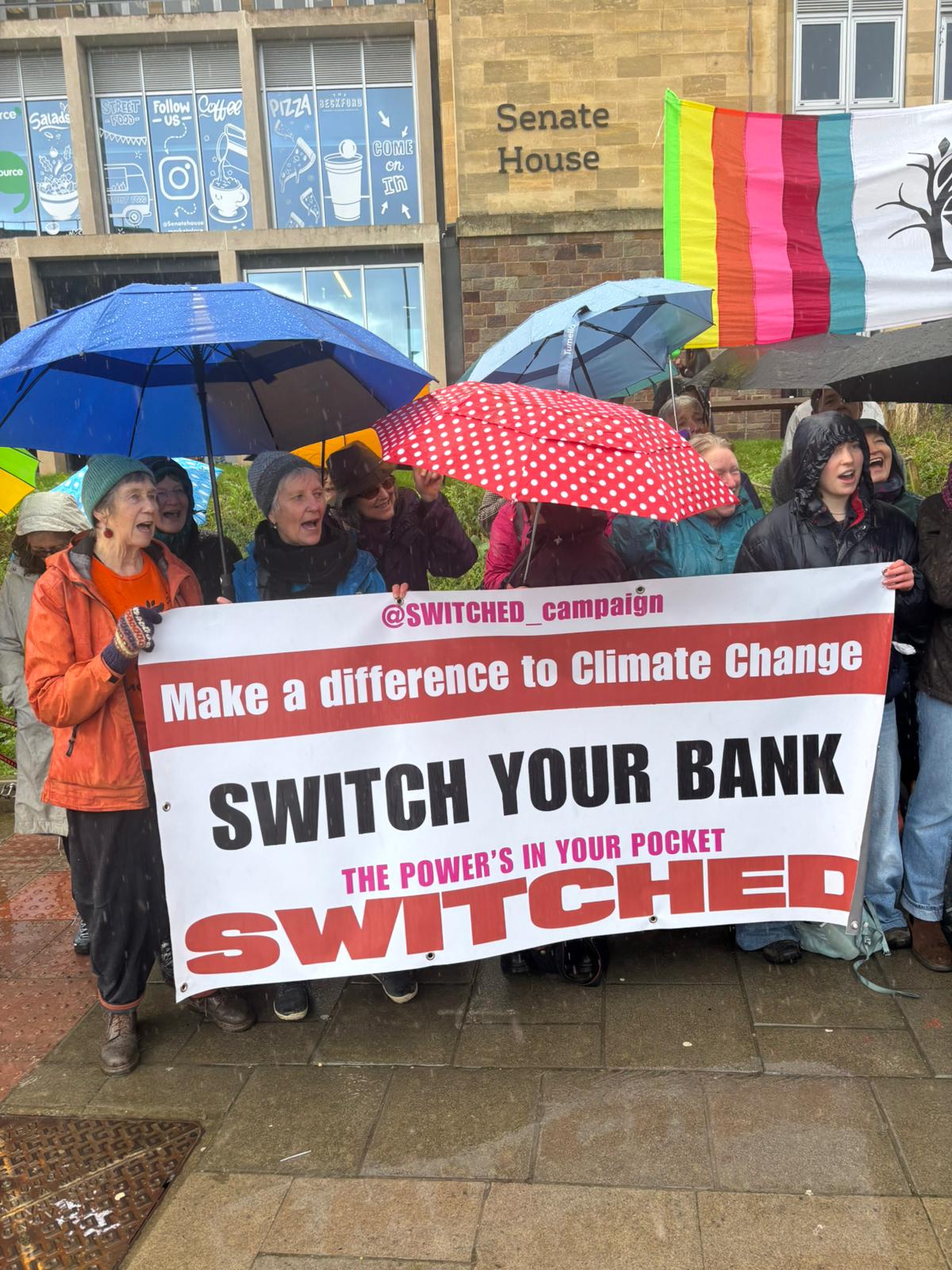
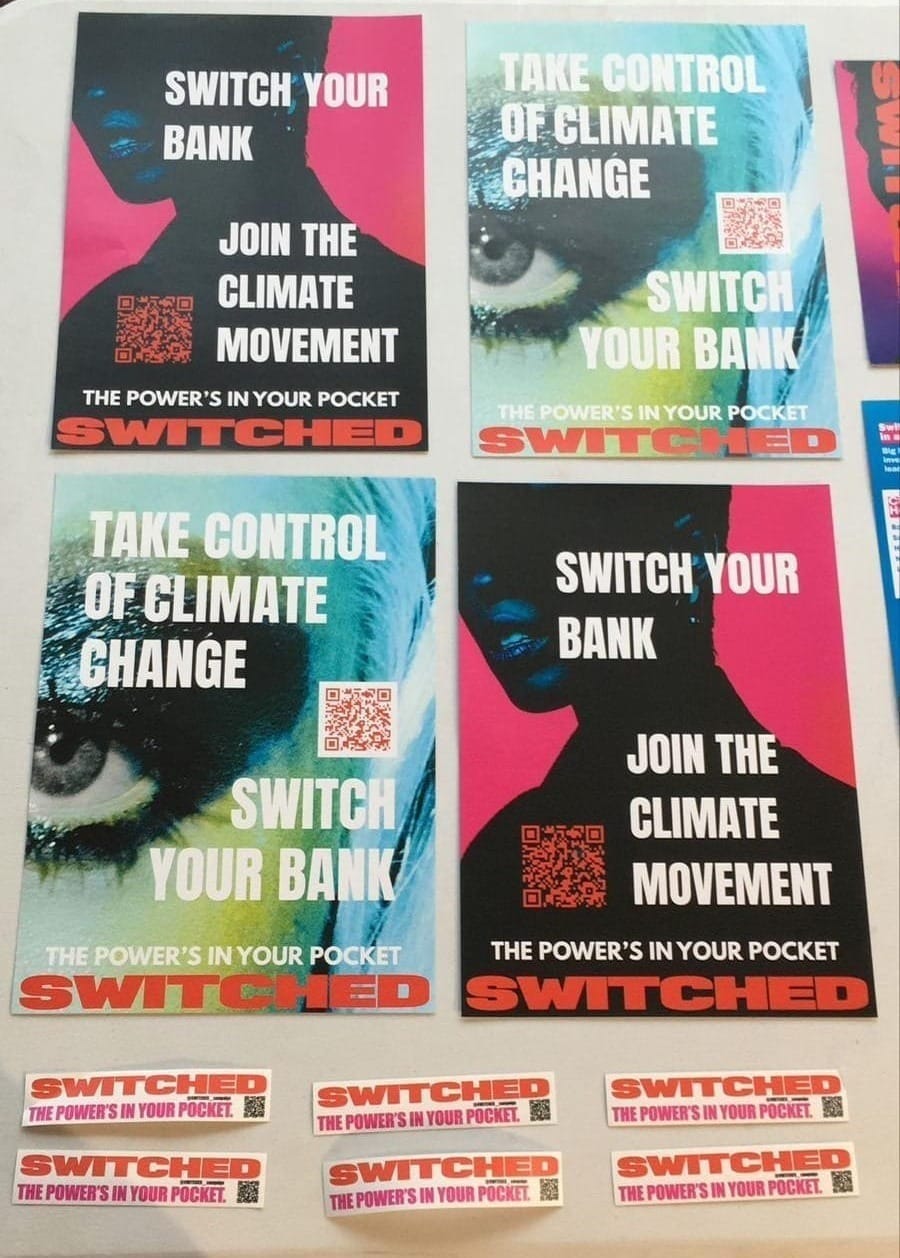
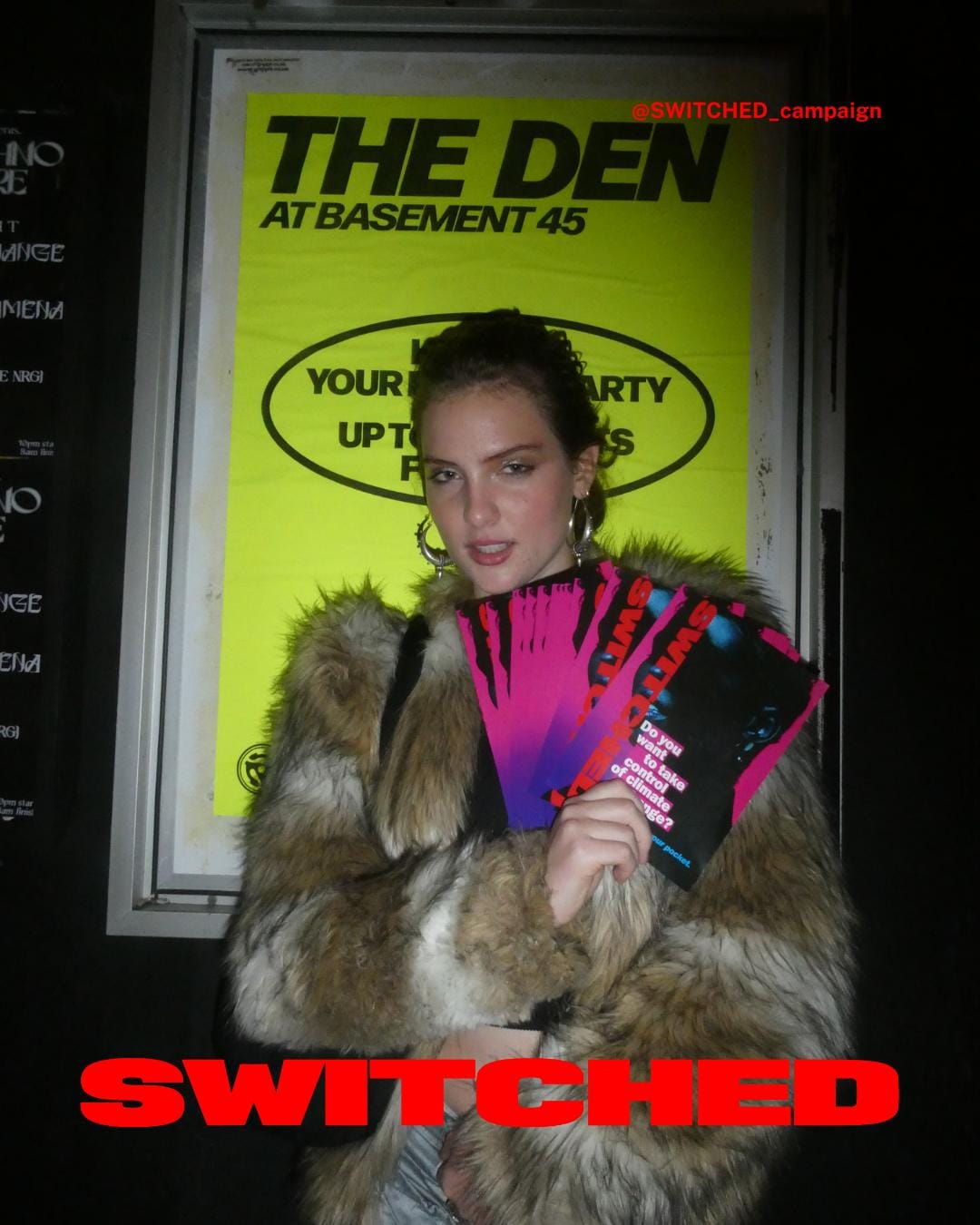
It's also worth noting the difference in SWITCHED’s messaging and campaigning approach compared to many other climate-action groups. Gemma emphasises that ‘a lot of climate activism uses anger or fear’ whereas SWITCHED tries to ‘put positivity first...giving young people something to feel hopeful about rather than just to feel more shit about the world’. The messaging on their leaflet: ‘do you want to take control on climate change?’ asks rather than tells; it avoids lecturing and gives people agency.
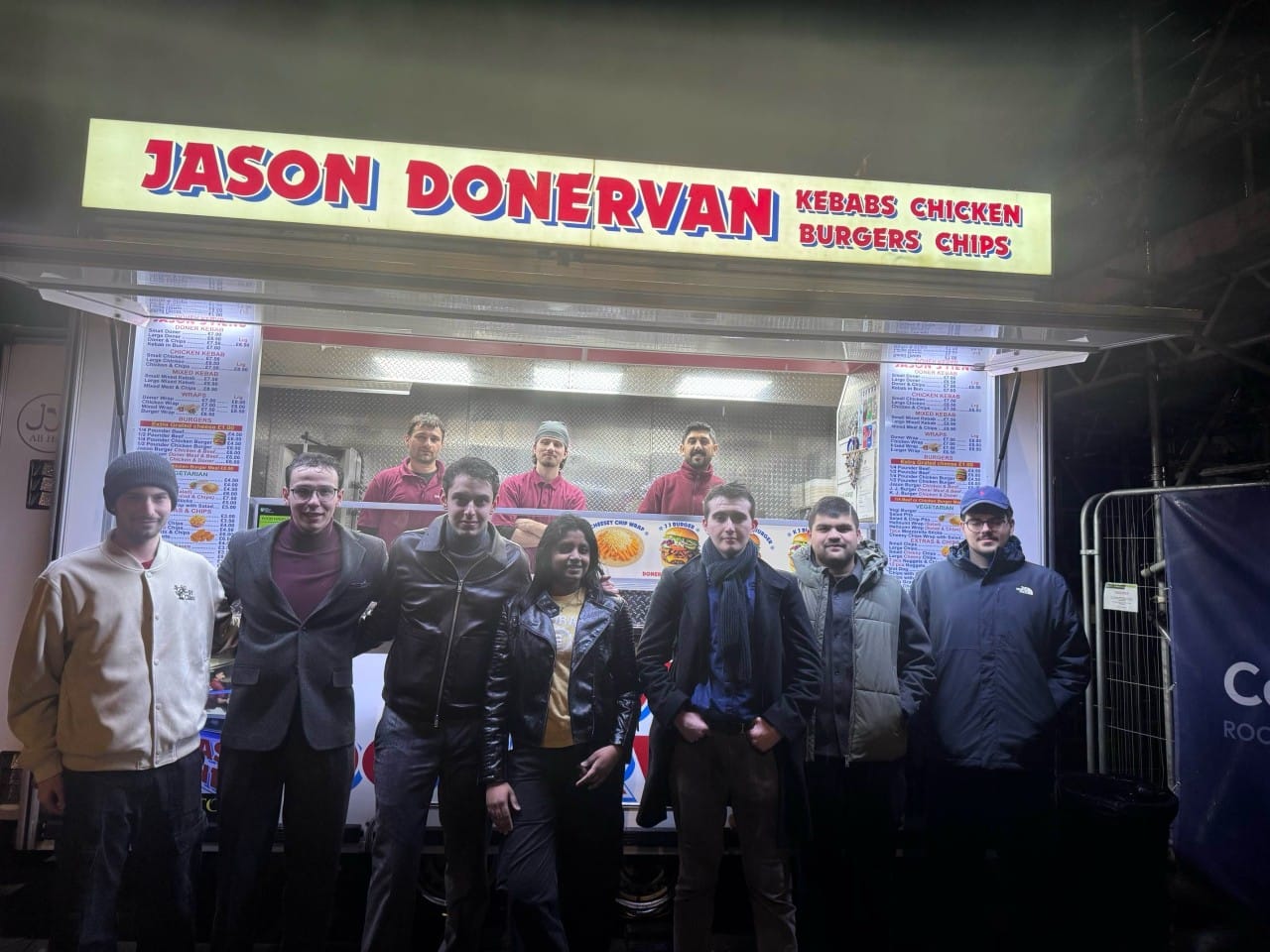
Gemma’s vision for SWITCHED is to spark a culturally significant youth movement that becomes ingrained in our day to day lives, where someone pulling out ‘a dodgy bank card’ at the pub would generate an immediate reaction of revulsion from a group of mates. This kind of culture would be ‘very scary to the big banks’, hence why SWITCHED is pushing the social side of this, to highlight the student communities moving away from these banks.
 Sam Couriel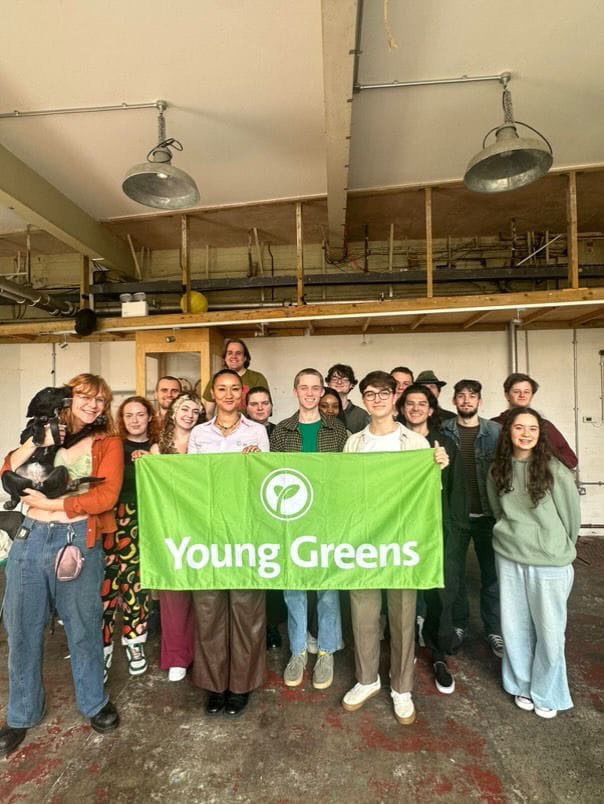
 Grace Golby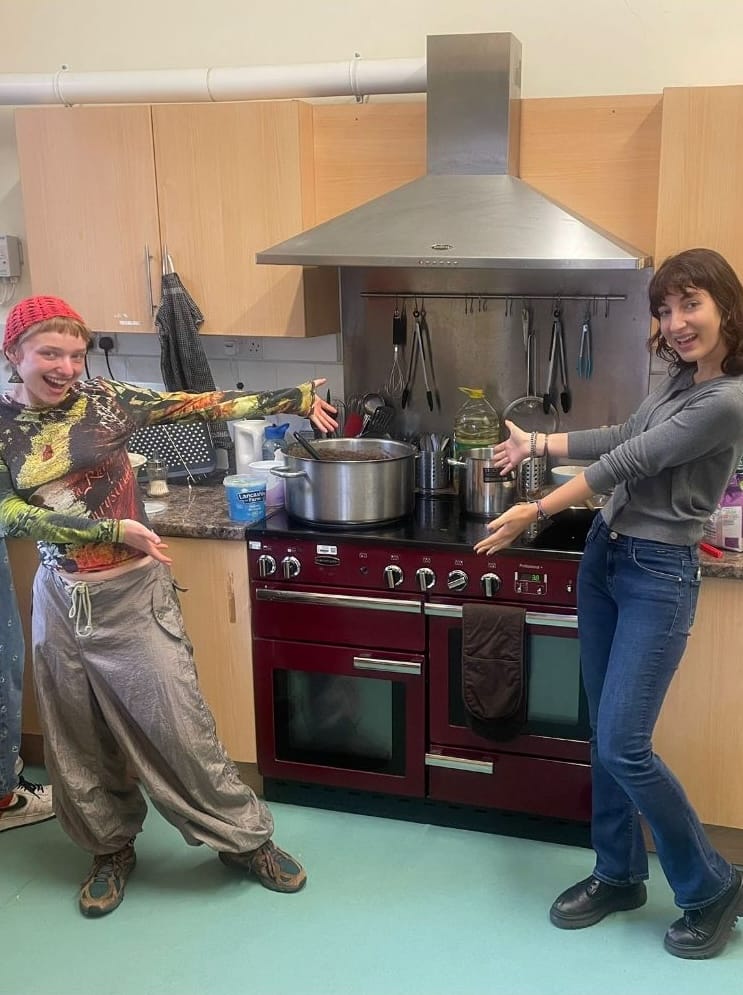
I wondered why bank switching wasn’t something that more people have heard of, which may be due to ‘a general culture of silence and distance around our finance’, but could also be seen as a ‘failing of the environmentalist movement’. Gemma elaborates that banks have had zero accountability for decades and hopes the SWITCHED campaign will shift some gears and put an end to the free reign they’ve had on investments. There is currently no major campaign targeting the issue, especially not one that focuses on young people, but in only a few months SWITCHED have raised awareness to thousands of students with hardly any funding and only a handful of volunteers.
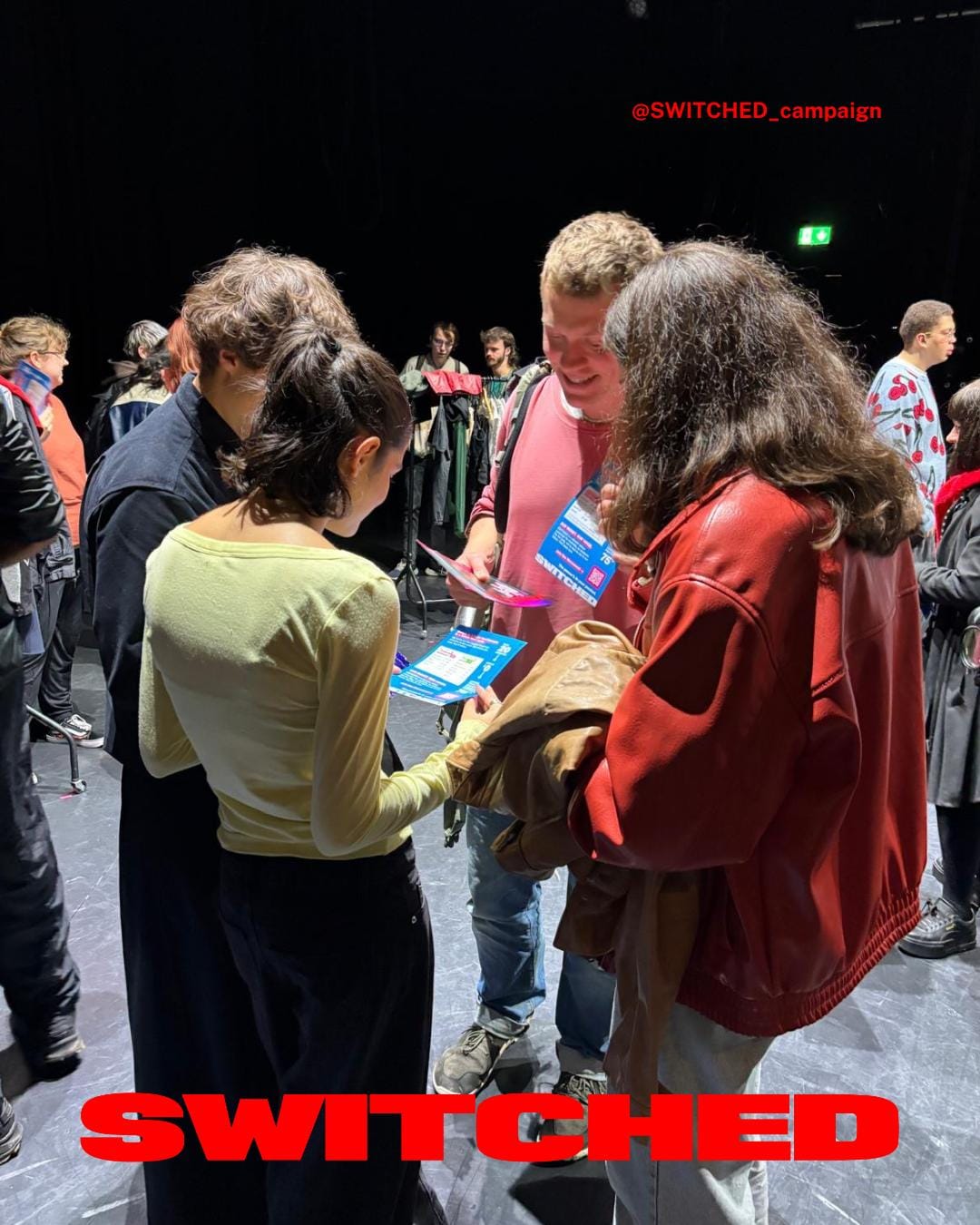
From working with UWE’s skate society to running events with the University of Bristol’s fashion society, all centred around non-confrontational, positive, feel-good activism, SWITCHED is just getting started. For students interested in making the move to climate-safe banking, there are many websites to help you out. Or if you’re interested in some collective action, there will be a group switch event taking place at The Canteen in Stokes Croft on the 12th of March between 5-7pm, which will walk through switching step by step, followed by drinks and music to celebrate afterwards. For more details see SWITCHED's instagram.
Featured Image: SWITCHED / Gemma Fox-Worthington
Will you be switching to climate-safe banking?