By Katy Bright, Third Year, English
Beer bottles lining the streets, bins not taken out for weeks, and meal deals all sold out. The student bubble turns an ordinary city into something recognised only by those who live in it.
Studentification is defined as when a residential area of student households takes over a city, and the economic, cultural and social effects this has. With an increasing influx of students attending cities, the studentification of universities is undeniable. Neighbourhood connections and locality have been displaced by a rise in student culture, preoccupied by a student focus for businesses and for behaviour. In this article, Epigram will explore the ways in which the sudden rise of students has changed the feel of the cities we occupy, and what can be done to reduce this shift.
Students bring a certain exciting youthfulness and energy to a city, often making up a large amount of the overall population. With students not only from all around the country but all over the world, city populations are growing increasingly diverse. Students fuel the economy. They create demand for pubs, clubs and live music venues, and for academic libraries and cafe study spaces. Beyond businesses, large densities of students create a high demand for student housing. According to IHowz’s claims, in a talk at the National Landlord Investor show in Bristol, Bristol's rental market is at a breaking point.
Bristol supposedly needs over '20,000 more student beds to meet future demand', with 'the student-to-bed ratio' being over 3:1'. In the meantime, as of 2020, 45% of Bristol students are living in HMOs (Houses in Multiple Occupation), which Home Safe reports leads to higher instances of ‘noise nuisance and waste accumulation.’ Studentification has also been shown to contribute to rises in property prices, which risks potentially displacing other families or residents in the city.
There is a significant effect of the student culture on businesses. With a rise of 'student deals', there is a newfound competitive edge between businesses that have not been met before. As a business, you need to need to appeal to students in order to keep business thriving. Wetherspoons, for example, a business known for cash consciousness and cheap options, majorly attracts students .The competitive prices and scale often place pressure on local businesses.
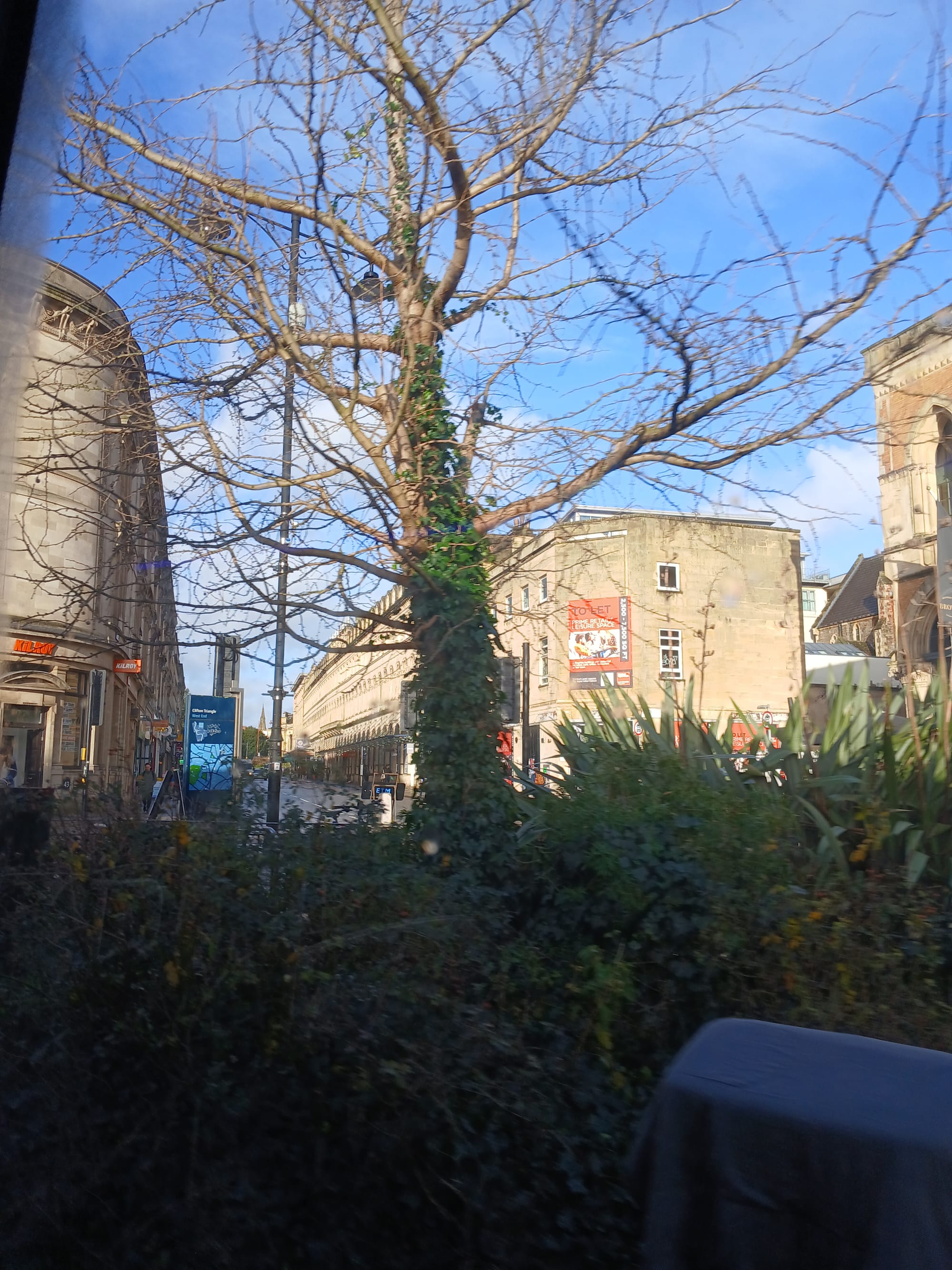
But what happens when the students go home for the holidays? Epigram interviewed Tracy Bright, a pub business owner from the Cobweb Inn in Cornwall, in a city which is not overrun by students, and they revealed the difference of not being student-dense in popularity. The landlord told Epigram that their business could do with students for financial aid but without them, there is a much stronger community. Locals who enter the pub daily would inevitably be driven out by a rubble of students through the door. The pub is not located in an area that is populated by a 'student bubble' which works two ways. Although students do improve business, their absence allows the business to thrive in its own way, without having to adhere to the specific needs of students.
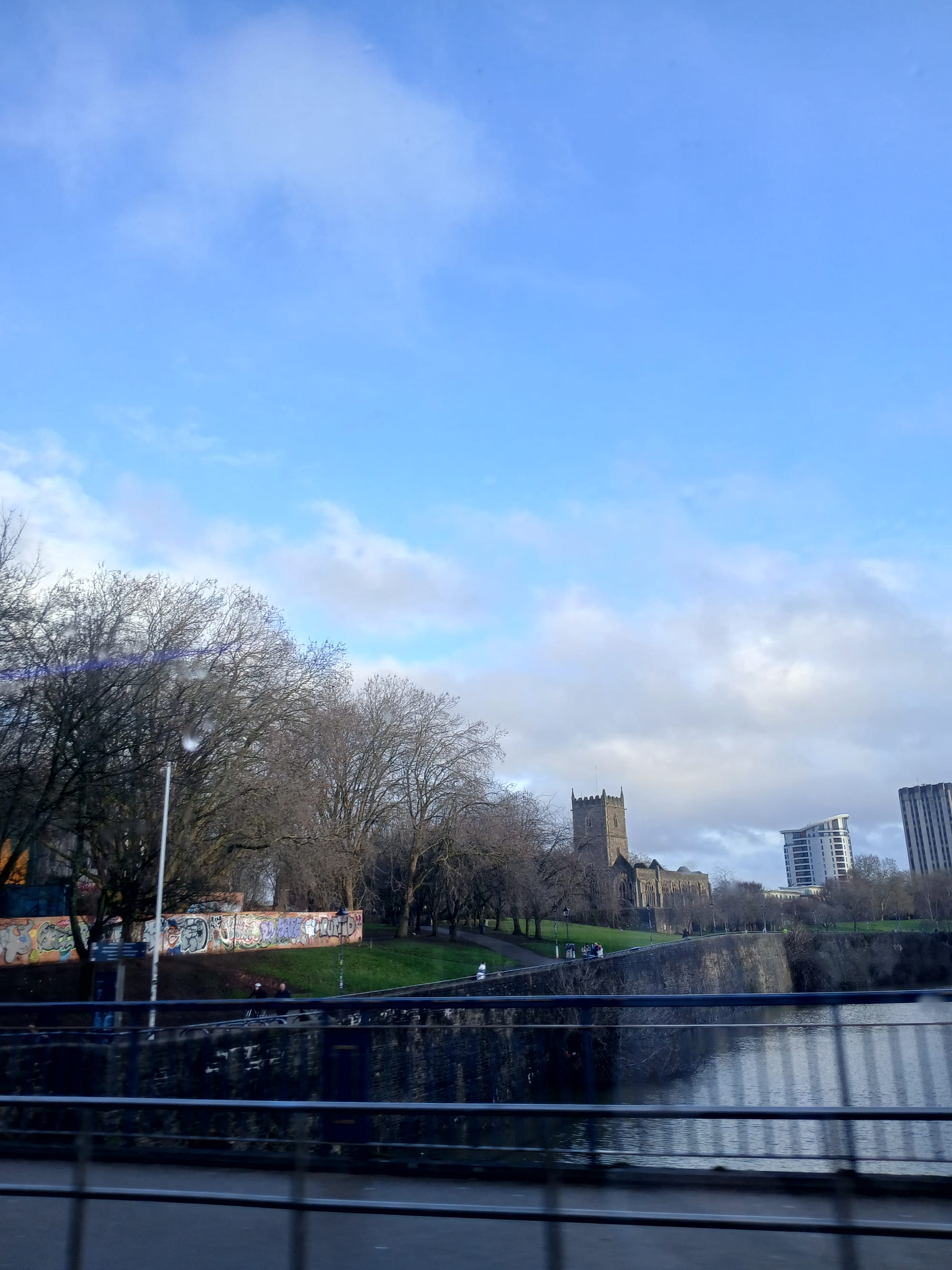
The 'student bubble', otherwise known as an 'academic bubble' or 'university bubble', refers to students who live in a city in which they attend for their education, but are sheltered from the wider community. There has been a real trend of students over the past few years openly feeling disconnected from social issues which affect where they live. Are we blind to the world around us because we are so obsessed with being a student? Acting like a student, dressing like a student, and staying only in areas where students stay.
 Sian Williams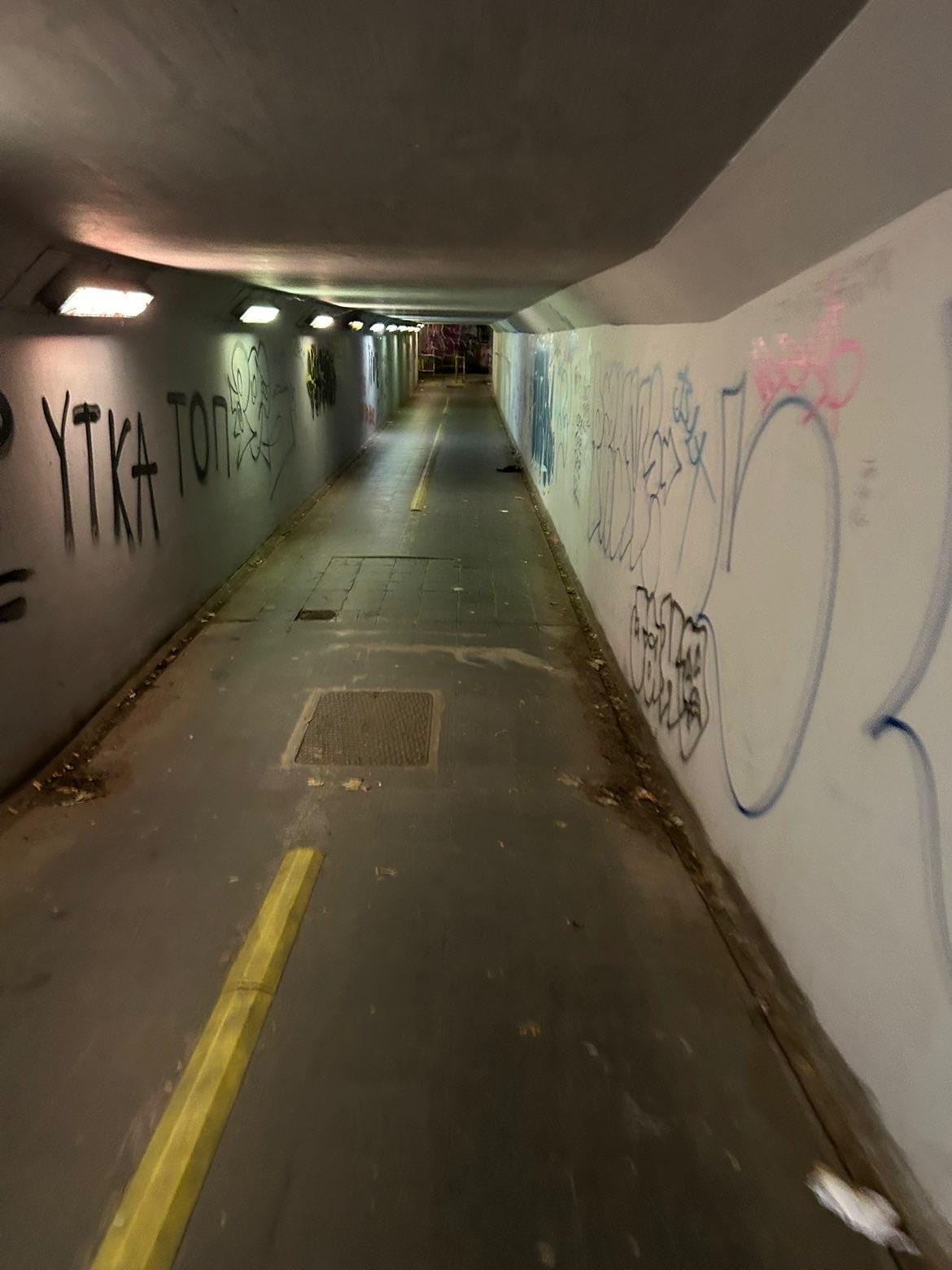
 Ruby Smith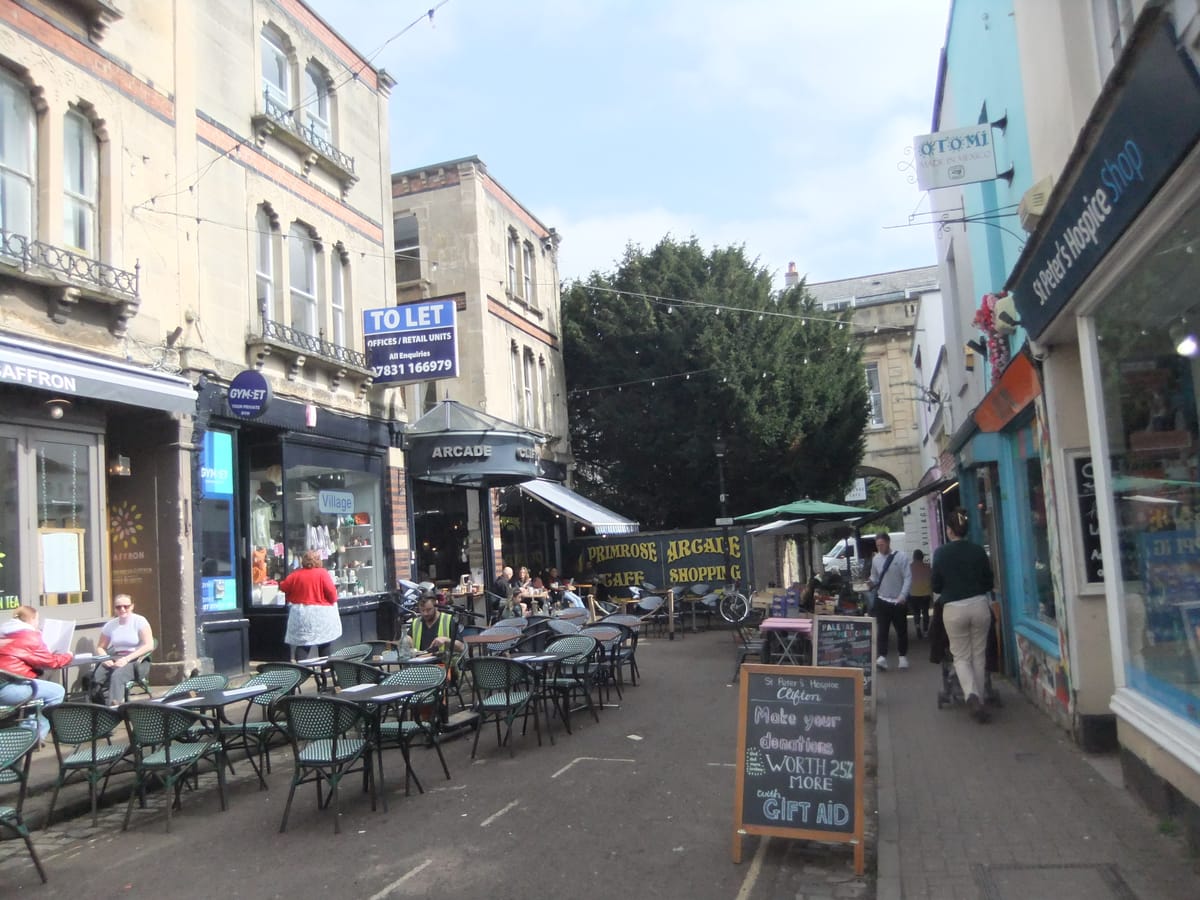
How can students do more to break out of the 'student bubble'? It is simple: become more attuned to the society that we live in. Engage consciously with the local community, through opportunities for volunteering and off-campus clubs instead of only through the university's student union, and attend local events. For example, Can Do Bristol offers a list of different ways to volunteer and connect across Bristol. It's also an accessible tool for finding location-specific opportunities. Alternatively, Bristol Social lists different independent clubs and groups for activities outside of the university.
In our modern world, we must foster real world connections. Get out of the university and into the city.
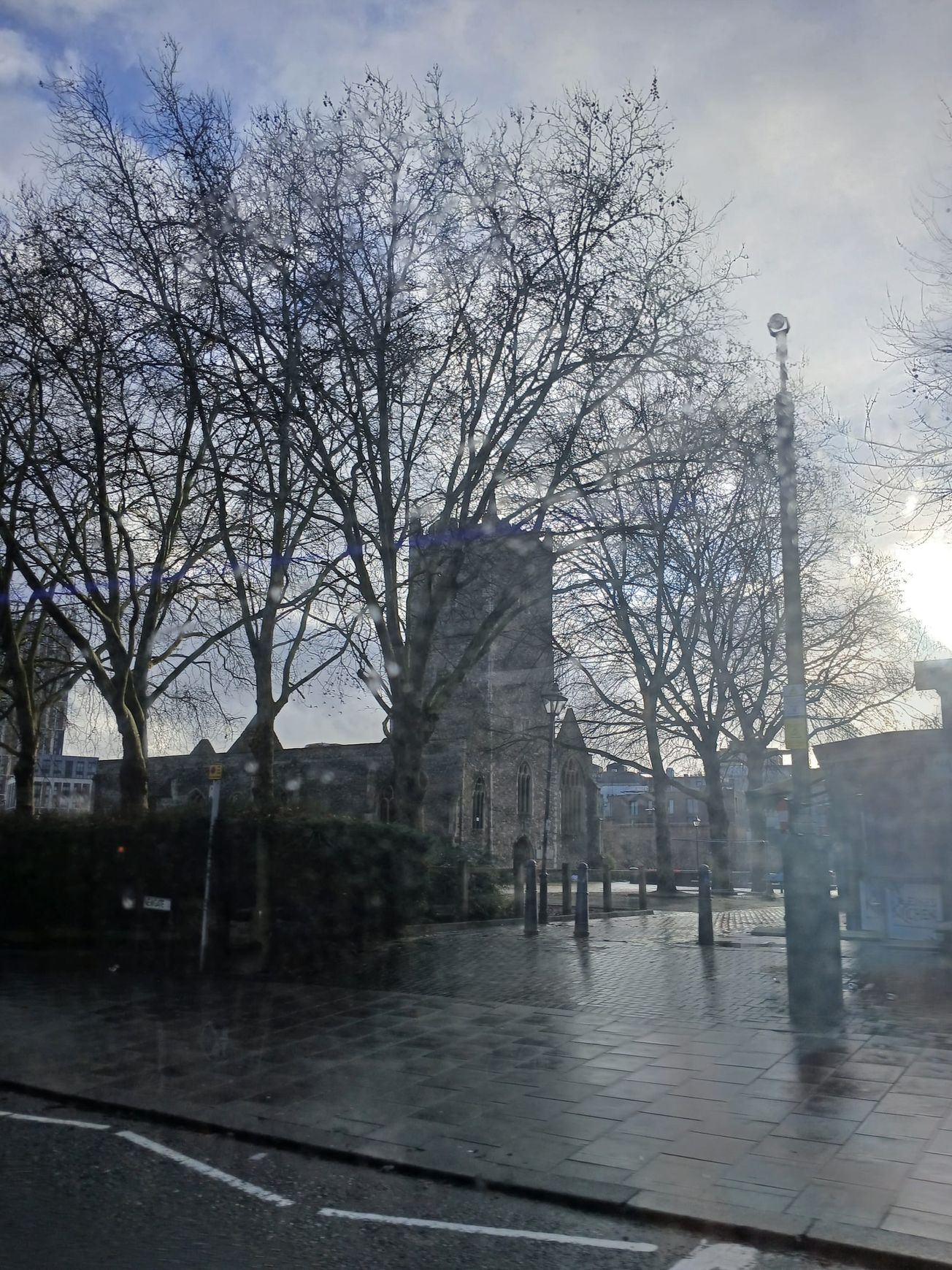
Featured image: St Peter's Church, Castle Park | Epigram / Hannah Corcoran
What will you do to burst the student bubble?