By Alice Guskov, SciTech Deputy Editor
It’s the beginning of the new academic year; the perfect time for meeting new people and exploring new places. But before you run to the pub to celebrate, it is important to know how to stay safe on a night out, possibly for the first time. You probably know the basics: don't wander off on your own, drink responsibly, and text someone that you got home safe, but how much do you know about spiking?
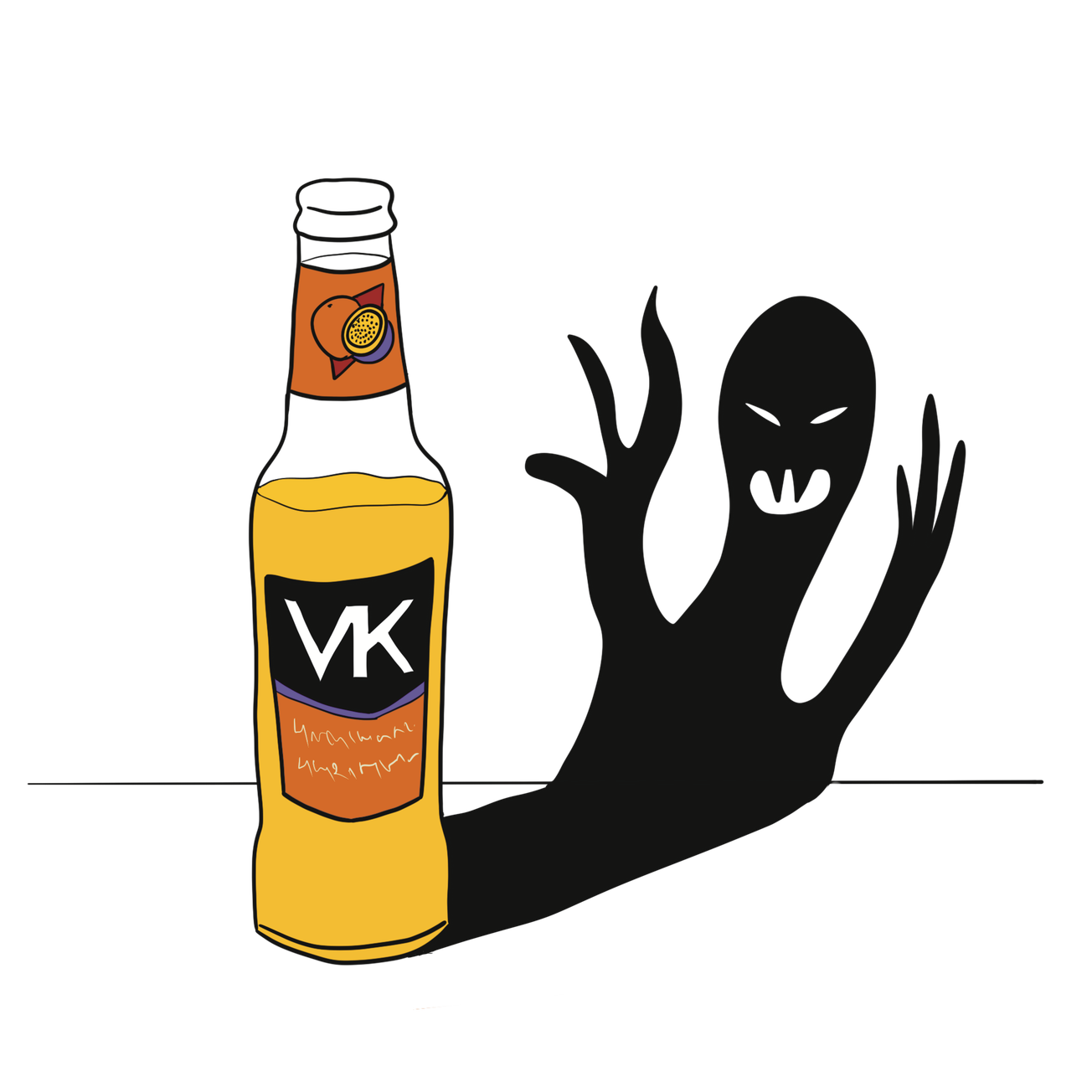
Spiking refers to a person giving another a drug without their knowledge or consent. The most common type is drink spiking where drugs are injected into someone's drink through a thin needle. This could cause the victim to become drunk much faster than expected. The perpetrator might add date-rape drugs such as gamma-hydroxybutyrate (GHB) or Rohypnol (commonly referred to as roofies). These drugs are particularly nefarious because they are colourless, odourless, and unlikely to alter the taste of your drink. Sometimes all that is added is more alcohol. Despite not involving ‘proper drugs', someone adding more alcohol to your drink without your knowledge puts you in the same vulnerable position.
Vapes or cigarettes can also be spiked. Drugs may be added to the e-liquid or tobacco. The effects of drugs when smoked or inhaled may be much more potent.
There could be intent to sexually assault, play a ‘prank', or no intent behind it at all.
GHB naturally occurs in the brain as a prototype of GABA, a neurotransmitter you may have heard of that blocks chemical messages and produces a sense of calm. GABA blocks these signals by physically slotting into receptors which are the right shape to accept it. People talk about this kind of bonding as akin to a ‘lock and key’.
Because GHB is a similar shape to GABA and has chemical groups in the right place (these act like the little notches in a key), it can bind to GABA receptors in the brain and cause drowsiness and amnesia. GHB is used to ween people off alcohol because of its similar sedative effects, but when combined with alcohol, these effects multiply causing the body to shut down completely.
Rohypnol also messes around with GABA, encouraging it to bind with its receptors and slow down brain activity. This again results in memory loss and impaired judgment and again, when combined with alcohol, can slow your breathing and be lethal. As with any other drug, the severity of the side effects depends on the victim's age, size, and biology, but they generally take 15-30 minutes to take effect.
Combating spiking means not only looking out for yourself by not accepting drinks from strangers, not leaving your drink unattended, and staying within a group, but also looking out for others. Perpetrators tend to target people who are already drunk and vulnerable, so look out for anyone who’s behaviour changes suddenly. This might seem like they’re suddenly more intoxicated than expected.
If you think you or someone else has been spiked, tell someone. This might be bar or event staff initially to help you get medical help as quickly as possible, but it’s worth telling someone in a position of authority (uni/police), even if you have no leads, to raise the alarm about spiking prevalence.
Featured Image: Epigram / Corin Hadley