By Erin Disney, Second year Politics and French
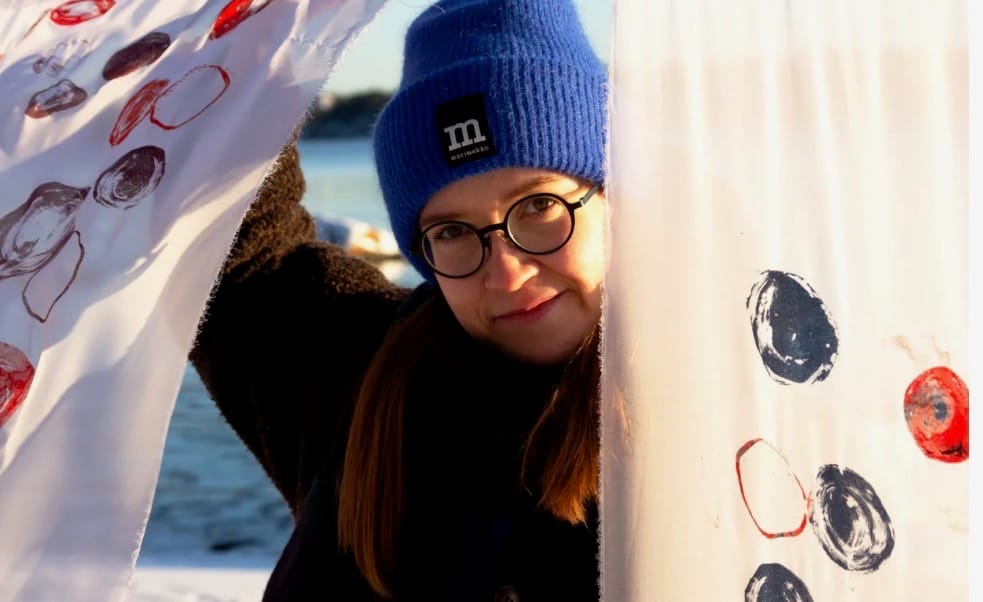
Spike Print Studios, situated in the iconic Spike island, houses several printmaking facilities, permanent artists and holds regular printmaking classes. In July, for its fiftieth anniversary, Spike Print are holding one of their biggest exhibitions yet with a weekend long printmaking showcase displaying the art of Bristol locals and international artists. With an estimated fifty artists coming to display their work, the weekend is expected to be a non-stop event for printmakers and visitors alike. Epigram spoke to one of their artists, Sanni Pyhänniska.
Having graduated from Falmouth university, Sanni came to Bristol to continue making art. While originally an illustrator, her love of printmaking led her to her studio career. Sanni now lives in Finland but used to manage the social media for Spike Print as well as working in office.
‘We want to create a network across the uk of printmakers’
Printmaking is a unique art involving hours of dedicated work to produce its trademark intricate details. The studio holds facilities for many print styles including lino, engravings and textile printing. Sanni primarily focuses on screen printing- a technique that transfers stencilled designs onto paper using a mesh screen.
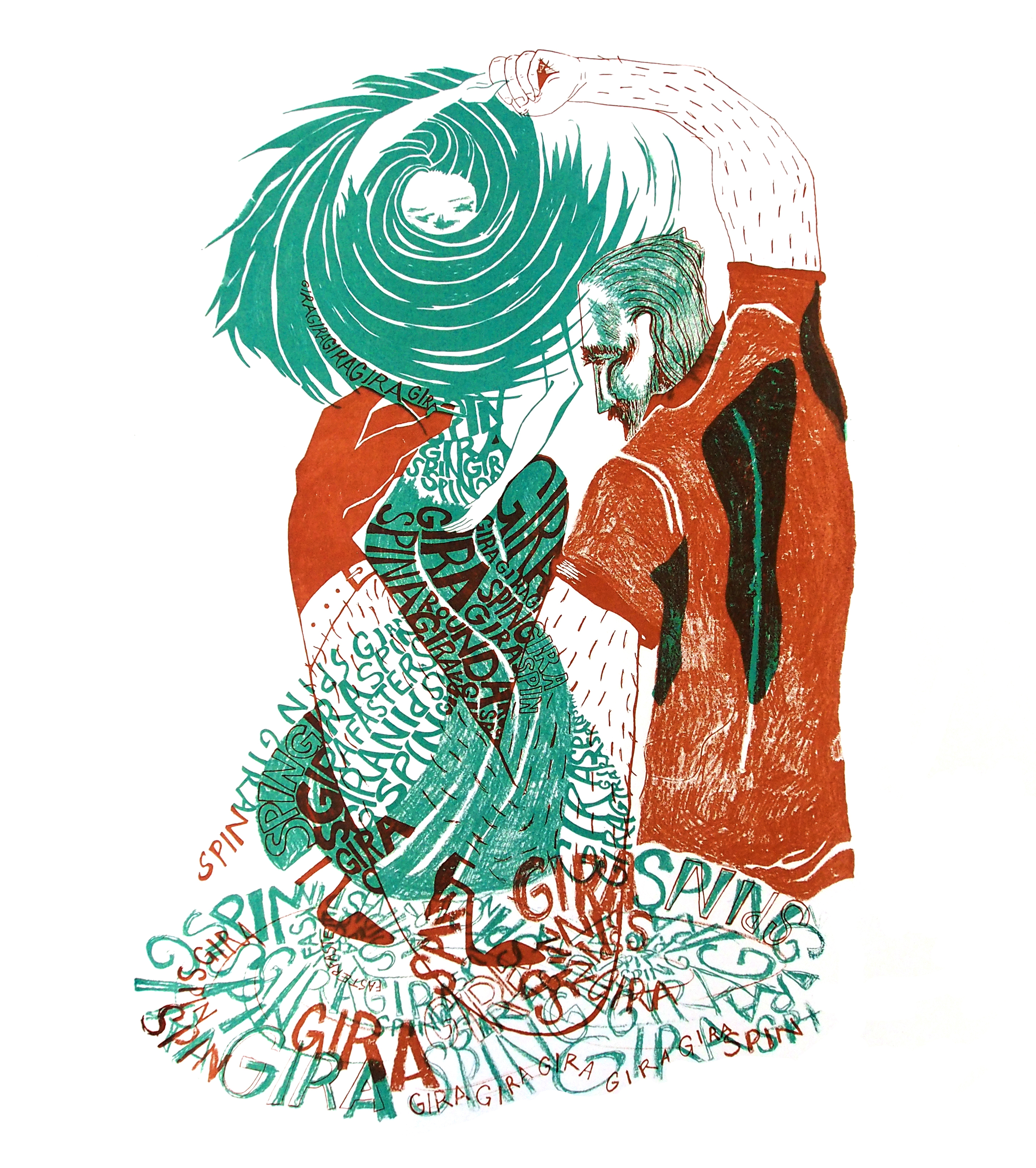
Sanni walked me through her typical week working at the studios. Taught classes from professionals happen throughout the day with teachers offering dozens of printing methods to learn meanwhile artists would come and go from various studios. Even when the studios closed up ‘keyholders’ (artists who worked for the company/permanent renters) are still allowed to stay in the building ‘painting for up to 3am or whenever they want’. Spike Print studio can host around 160 artists at a time and with 70 permanent members, it’s by far the biggest art studio collective in the Southwest.
The Spike Print Fair is the newest exhibition to be hosted in the complex collaborating with the University of West of England’s center for print research alongside Spike island's community. Marking the fiftieth year since Spike Island and Spike Print studios were founded, the anniversary celebration hopes to showcase both international and local printmakers. Sanni explained the studio really want to connect buyers and patrons to the artists to portray the effort behind the work. Even knowing the name and face behind prints really helps artists receive recognition for their craft. She explains ‘we want to create a network across the uk of printmakers’.
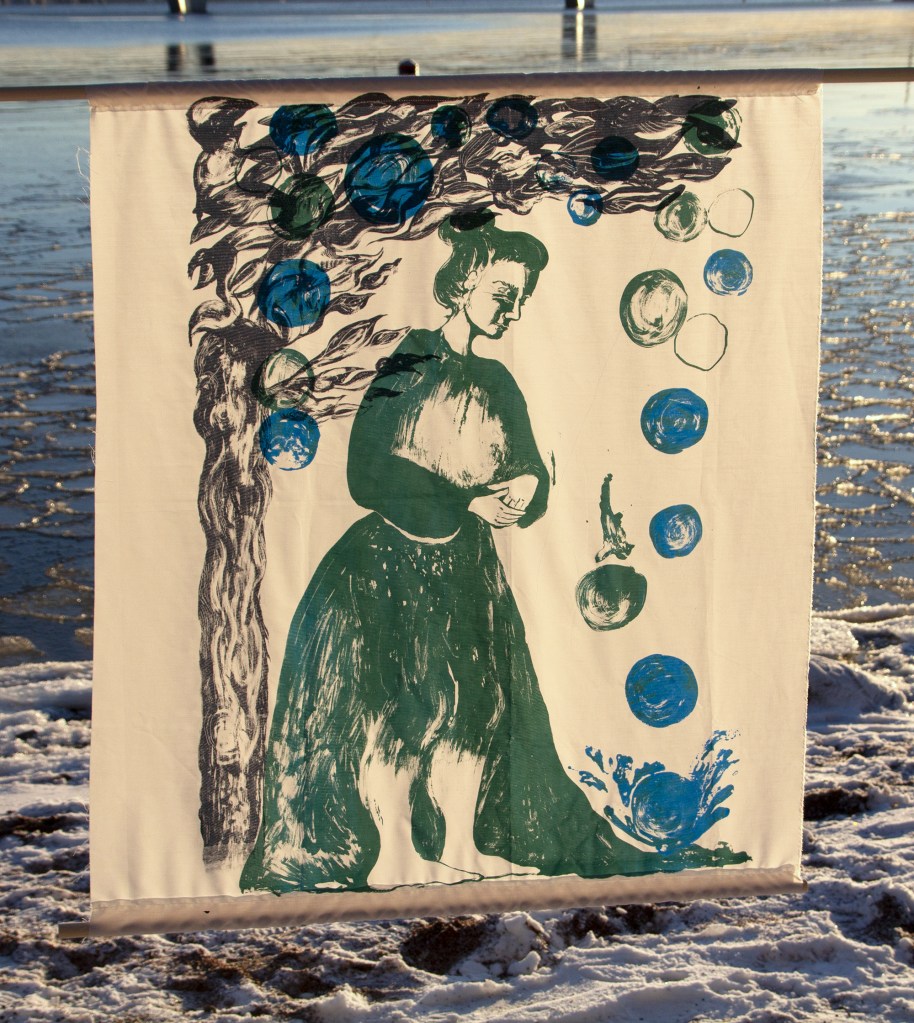
Many artists have to weigh up the costs of events like these, Sanni explains, having to choose between spending a lot of time and money to travel to Bristol, spend far too much on accommodation and risk not selling any art. It’s a difficult choice that artists have to make but Sanni hopes that with the amount of time and effort being put into this event, even those who only sell a few pieces will still walk away having had a great time networking and connecting.
We talked a bit about the rise of AI and the post-covid art scene. Sanni explained that while Spike Print managed to survive the pandemic and subsequent cost of living crisis, many studios weren’t so lucky. Through artists being unable to afford studios as well as some realising that they could comfortably work from home, the art community took a bit of a hit that it's still recovering from. The AI front seems a bit more of a distant problem for the printmakers, with so much of their craft being ‘analogue’ as Sanni called it. Fake generated images didn’t seem to have hit them as quickly as it did other visual arts like illustration but the looming shadow of AI is hanging over the industry, creating concerns and fears for many of its artists. It’s all the more important then, Sanni adds, to have events like this.
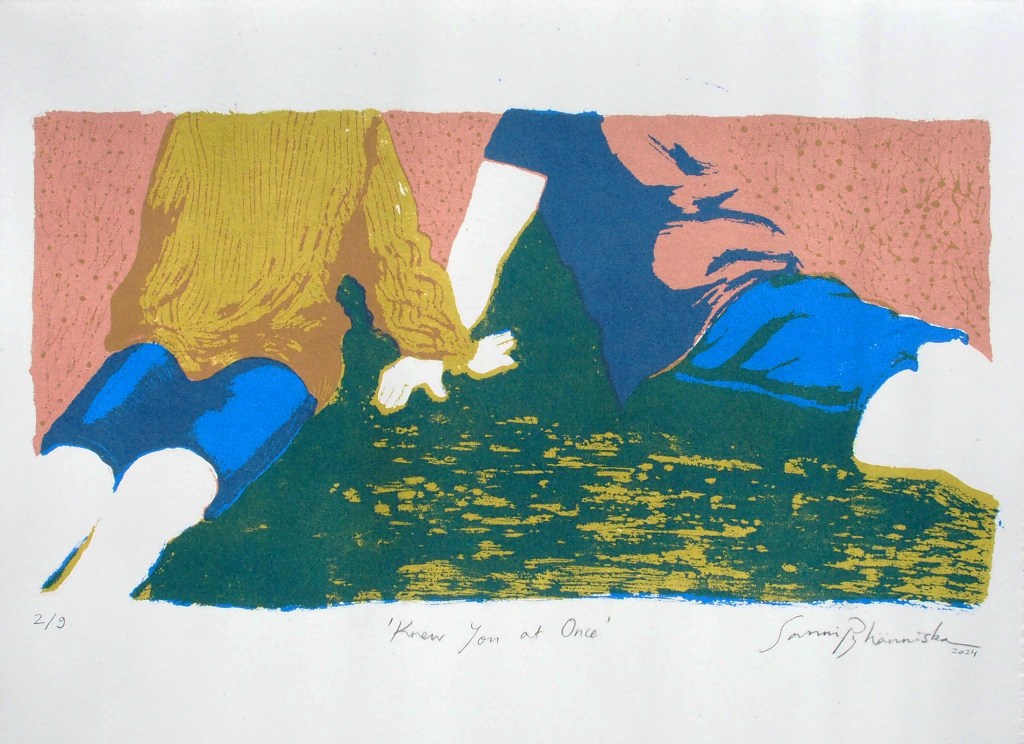
I get the feeling while listening to Sanni explain the fair, that events like these are what printmakers live for. The community and sense of belonging these fairs create is evident as Sanni tells me about how few people are still practicing print making and its ‘quite possible to know them [other printmakers in the UK] all.’
Printmaking can be an isolating career with the pandemic having dramatically reduced the amount of studio based artists as well as the age old artistic doubt about whether doing what you love is going to be enough to provide an income. But events like these give artists an opportunity to connect with others in their craft and create that sense of community that’s so essential for wellbeing. Sanni expressed how important it was to form what she called a network of artists and how necessary it is for printmaking. Being able to learn from each other, discover new techniques and even having a relatable conversation about printing will dramatically help printmakers feel connected.
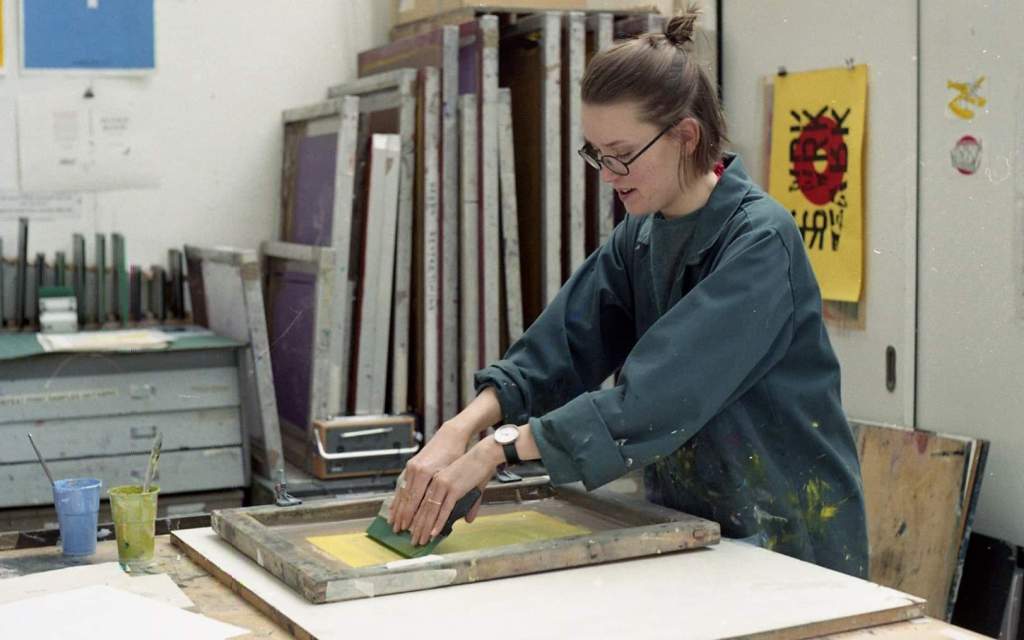
I think we all can recognise how important the feeling of being understood is and I’m sure many of us have had chatted about our degrees with an acquaintance and felt connected in our shared interest (or annoyance). The same goes with printmakers and sometimes it’s just nice to have artists who understand the intricacies and values of printmaking to recognise your effort and appreciate your art.
Sanni told me about how much work and energy is being put into the anniversary event with free entry to the public and the date purposely coinciding with the Bristol food festival ‘Feast on’ to draw more visitors. Many printmakers are sprawled over the country and being able to gather all these artists together will likely be a momentous occasion for the craft as well as a celebration to remember.
 Sonal Korlipara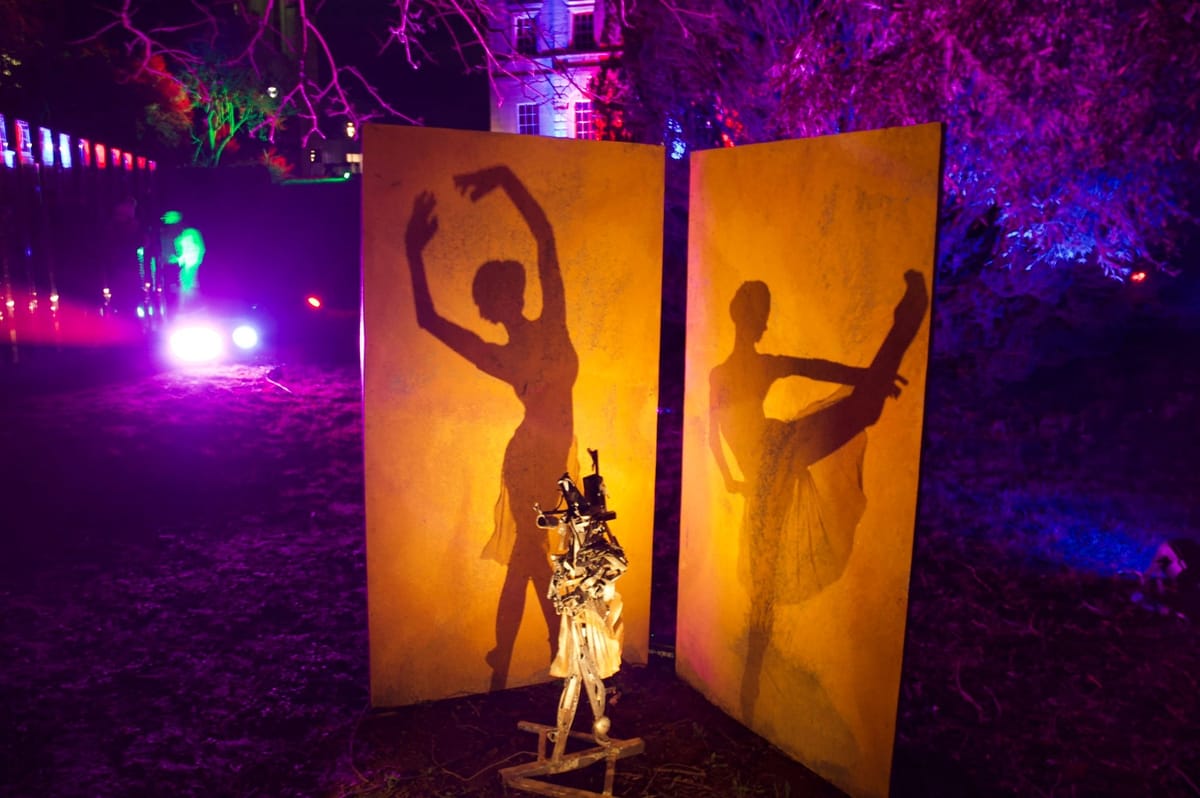
The love and dedication that Spike Print studios have for printmaking is clear; talking to Sanni has convinced me that through the studio’s collaboration with UWE’s print research, as well as the enthusiasm of its artists, it’s evident that printmaking will still be around to celebrate its 100th anniversary.
For anyone in Bristol for the weekend of the 25th of July I highly recommend paying the Spike Print Fair a visit and maybe even buying a few prints to help support the team and artists at the studio. Afterall, any art made by human hands is worth protecting.
Featured Image: Epigram/ Sakari Pyhänniska
Will you be attending the festival?