

By Grace Golby, Third year, German, Russian and Spanish
Whether they are under your bed, hanging from the ceiling or lounging in your flatmate’s abandoned socks, our eight-legged friends are back just in time to join us in celebrating spooky season. And while they reside rent free in our extortionately priced student accommodation, it is hard not to wonder: why do so many appear around this time of year – and what we can do about it (for my fellow arachnophobes out there)?
The reason we see so many spiders during autumn is because their mating season typically falls between August and October, meaning they appear in mass in student housing right in time to join us for freshers week and beyond. It is within this period that male spiders abandon their webs in treacherous pursuit of females waiting to be wooed, embarking on a quest through our windows, across our ceilings and behind our furniture. And such a journey can end only in two ways - love or lunch.
Love or lunch?

So now we know the reason… but what happens next? With female spiders being up to ten times the size of their male counterparts, the males must approach with caution when courting a female. Their display of courtship can include dance-like motions and ‘tremulations‘ (rapid shaking in order to produce vibrations) to demonstrate their health, strength and compatibility - since different species of spiders have differing approaches. With this, ultimate power falls to the female, deciding on the effectiveness in which the male coordinates both the visual and vibratory aspects of the courtship. If she is not impressed, she can quickly become aggressive and our Don Juan could become dinner.
How to fight back.
And, with this tinder-like frenzy sending spiders into our homes, what do we do? Well, for those who are braver than I, the overwhelming vast majority of spiders, particularly in the UK, are harmless, so they usually can safely be ignored. Although it may seem like it, their presence is not intended to cause fright, but rather they are working as one of nature’s best insecticides in your home - dealing with mosquitoes, cockroaches, moths, flies and other creatures that can spread disease. It is important to remember that they are simply trying to survive, driven by a need of food, water and shelter, and they are actually an indicator of good air quality within your home as spiders do not typically decide to live in polluted environments. However, if you do wish to keep Halloween-like festivities outside this year, there are ways to reduce the likelihood of finding a spider in your home.
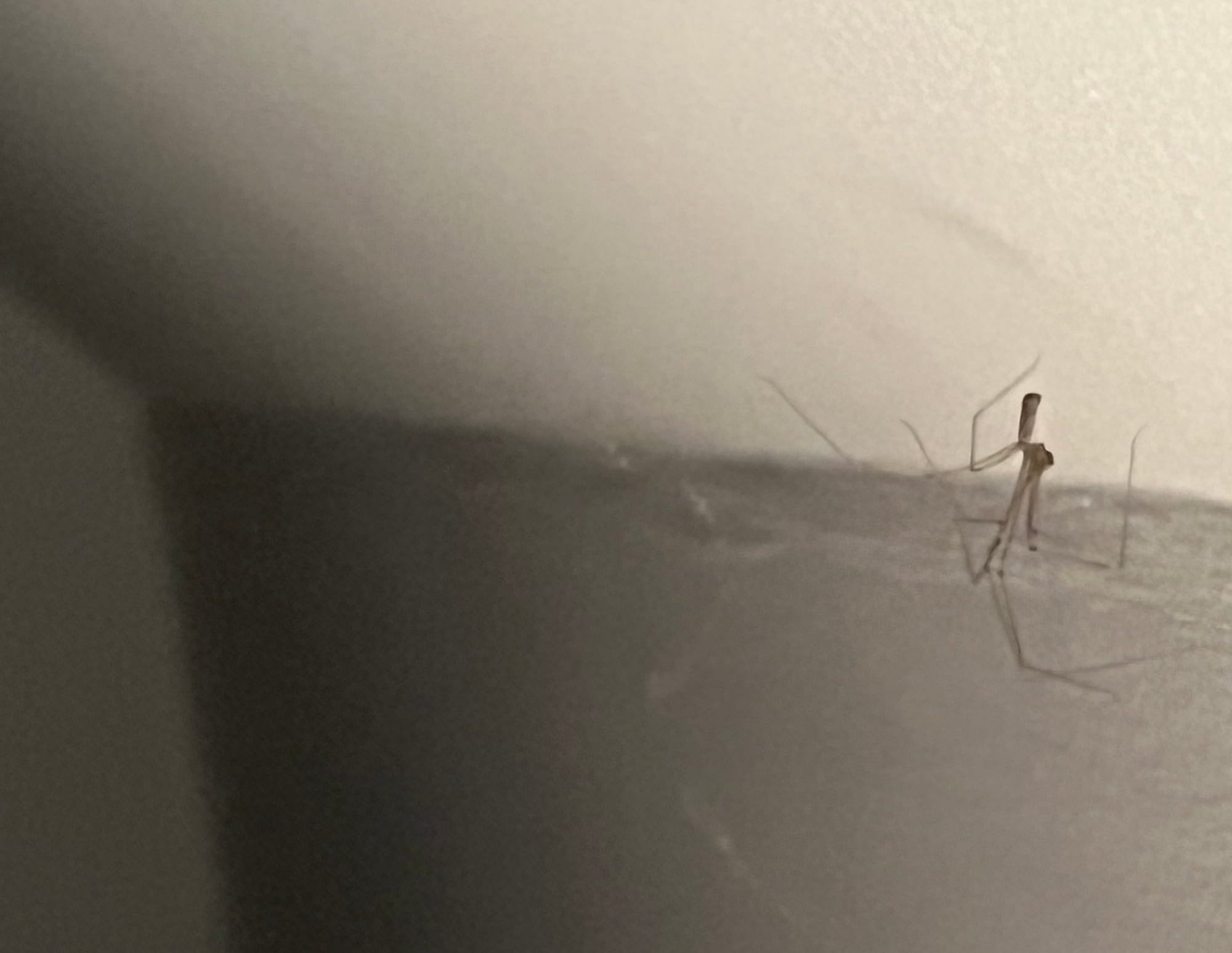
Reducing clutter and keeping the area clean is essential in deterring these arachnids. Last week’s dirty dishes only attract insects, which in turn attract spiders, and messier areas give spiders more spaces in which to conceal themselves. In addition, spiders are attracted to light, so limiting outdoor lights during the night can be beneficial if you wish to keep them away. Finally, strong-smelling essential oils can act as a repellent for spiders, including ones with scents such as lavender, eucalyptus, citrus, tea tree and peppermint.
Featured image: Unsplash / Karim Ghantous
So, spiders have returned to celebrate all things spooky. Are you ready to welcome your new housemates inside?