
By Simren Jhalli, Second Year, Comparative Literatures and Cultures
For many students, societies are the backbone of their social life at university. From Freshers’ Fair sign-ups to Wednesday night socials, they promise instant friendship, structure, and a sense of belonging during a period where you may be barely locating your lecture rooms. From the outside, initiations, formal dinners, and society trips flood Instagram feeds with coordinated outfits and suspiciously good vibes. At the centre of it all sit society committees: visible, well-connected, and seemingly having the time of their lives. Naturally, everyone wants in. But behind the scenes, committee life is often less glamorous than it looks on your feed.
From the inside, committee membership is less about free drinks and status, and more about admin. Lots of admin. Meetings can feel close to low-budget corporate boardrooms, complete with agendas, spreadsheets, and at least one person asking if everyone has completed the risk assessment. Presidents juggle welfare concerns alongside UBU regulations, treasurers develop an intense relationship with excel, and social secretaries spend weeks planning events that last a few hours. It’s unpaid labour squeezed between lectures, deadlines, and part-time jobs, and it has a nasty habit of spilling into time that was supposed to be ‘for yourself’.
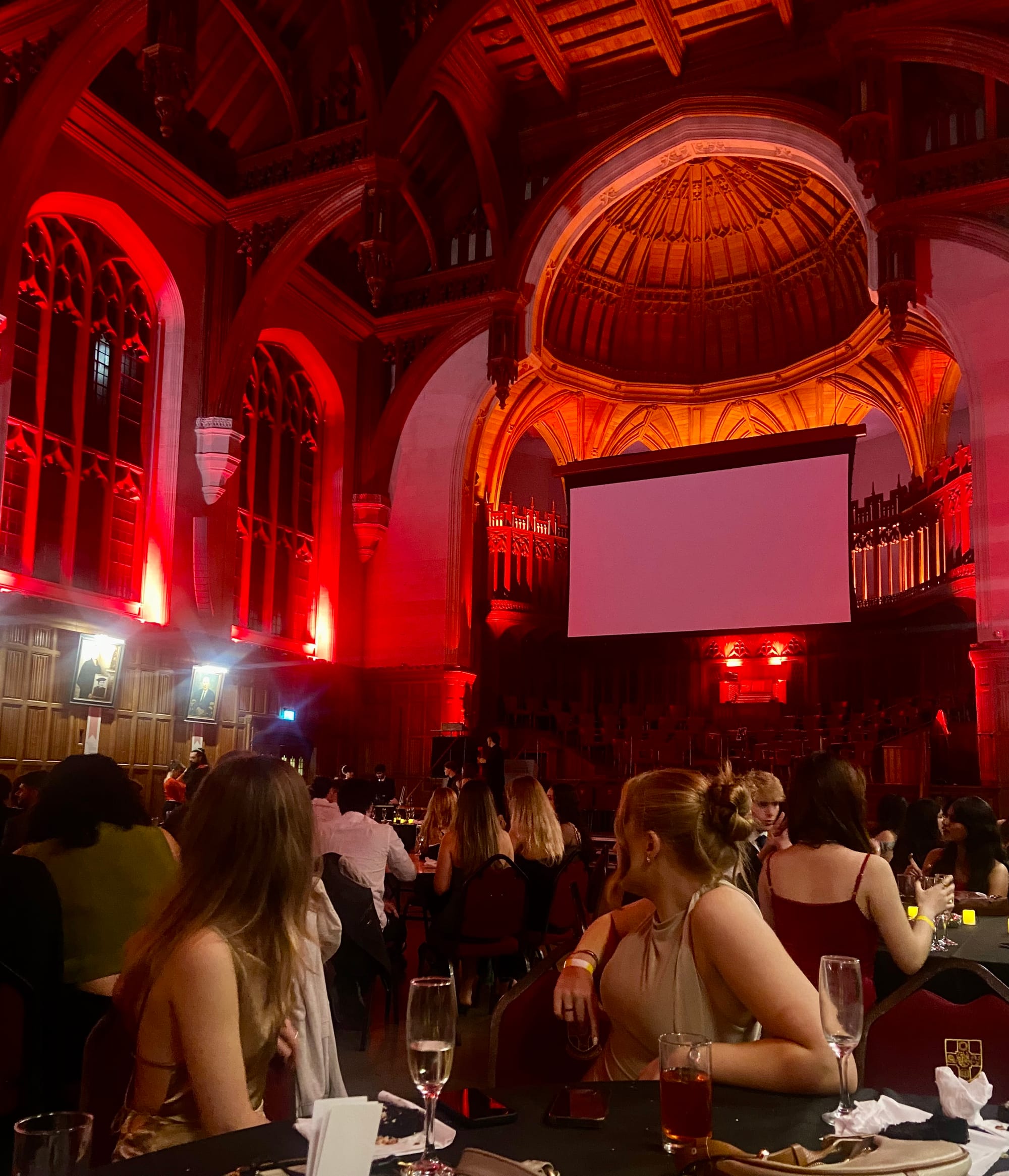
One of the most persistent questions around committee life is whether it’s genuinely inclusive. Technically, committee positions are open to anyone willing to run in elections. Realistically, many roles go to friendship groups formed early in the first year of university, bonded by shared flats and shared hangovers. Campaigning often relies less on experience and more on visibility -which tends to favour those already attending every social. For students who commute, work evenings, or simply don’t love drinking culture, accessing committee roles can feel quietly out of reach, even when the door is technically open.
Initiations are where these tensions come to life. Usually framed as ‘bonding experiences’ or sacred traditions not to be questioned, they sit in a grey area between welcoming and wildly uncomfortable. From a committee perspective, initiations are a logistical and ethical headache, complete with risk assessments and careful supervision. The social pressure to participate, often involving alcohol, can clash with claims of accessibility. For some students, initiations are the moment they feel properly part of something. For others, they’re the exact reason they quietly stop turning up.
Alcohol, unsurprisingly, remains the main social glue in many societies, especially sports ones. For committee members, socials often mean supervising rather than socialising, stepping in when things go wrong and keeping one eye on the group chat at all times. For non-drinkers, religious students, or anyone who doesn’t fancy another night on the sticky club floor, this culture can feel isolating. While sober and daytime events are on the rise, they sometimes feel like an afterthought compared to the alcohol dominated nights. After all, one rarely leaves a café with a wild anecdote.

Committee roles are also frequently advertised as excellent CV boosters. Leadership titles can be appealing for employability, encouraging some students to run less out of passion and more with their CV in mind. This feeds into a broader culture where being busy is equated with doing university “properly,” measured by how full your calendar looks rather than how fulfilled you feel. That said, when taken seriously, committee work does genuinely build useful skills: conflict resolution, financial management, teamwork under pressure. The problem isn’t the value of the role, but the pressure to say yes to everything, all the time.
Burnout is an unglamorous but common side effect of committee life. The emotional labour of managing complaints, welfare issues, and interpersonal conflict often falls on students with little formal training. Add deadlines, housing stress, and the occasional existential crisis, and it’s easy to see how things pile up. While UBU support exists, the effectiveness of welfare structures varies widely between societies.
 Crystal Calo
When committee life works well, however, it can be deeply rewarding. Shared responsibility fosters strong friendships, and leadership offers genuine opportunities to reshape society culture. Committees can challenge outdated traditions, diversity social calendars, and make spaces that better reflect the student body.
Ultimately, committee membership is neither the ultimate uni experience nor a sinister popularity contest. It’s messy, demanding, occasionally thankless, and sometimes genuinely great. On the inside, societies rely on a huge amount of unseen effort to maintain the vibrant image everyone else sees. The real question isn’t whether committee life is worth it, but whether societies are willing to evolve, and who risks getting left behind if they don’t.
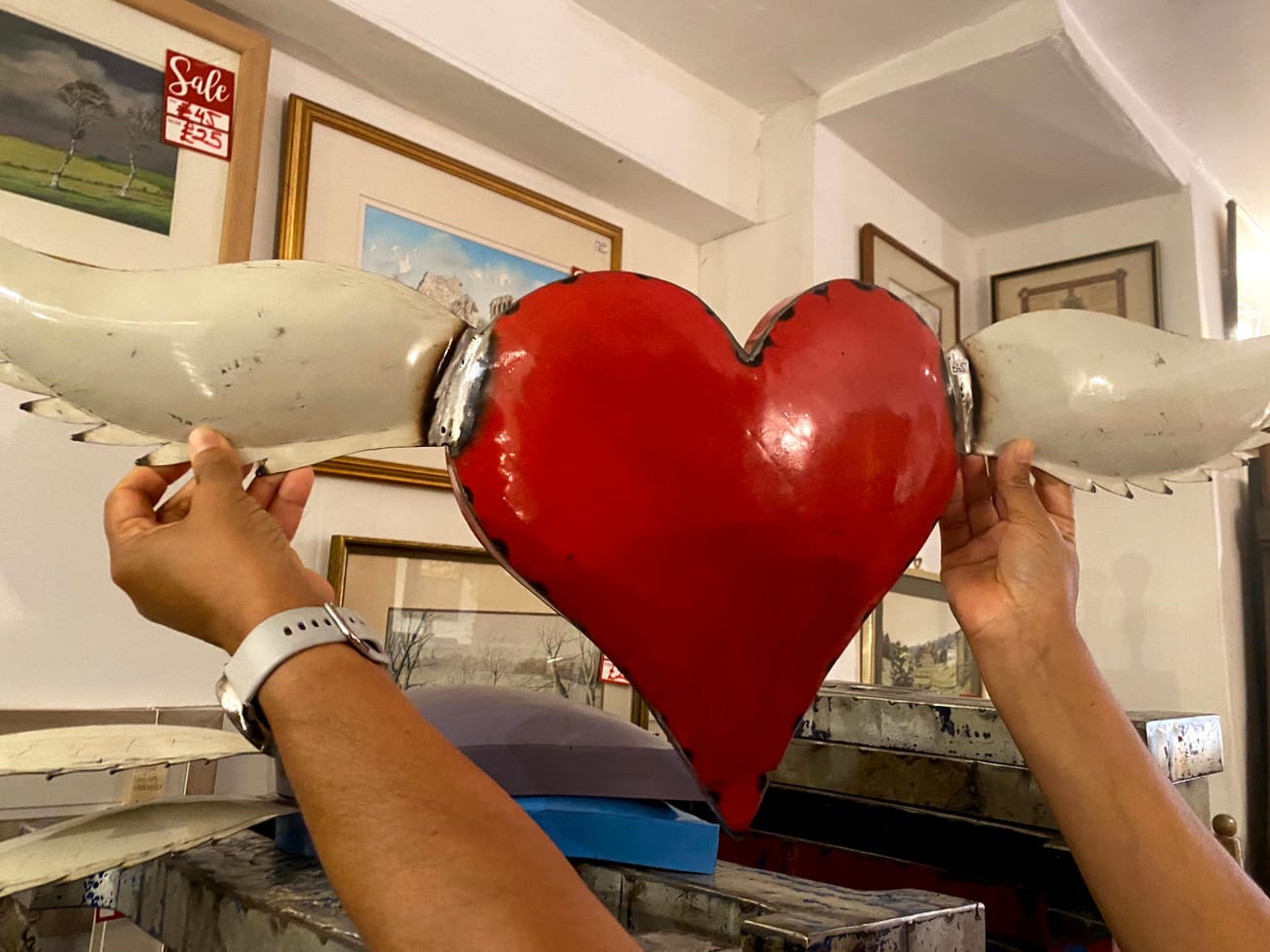
Featured Image: Epigram / Simren Jhalli
Do you think societies committee life is inclusive?