By Millie Carter, Third Year, Vet Medicine
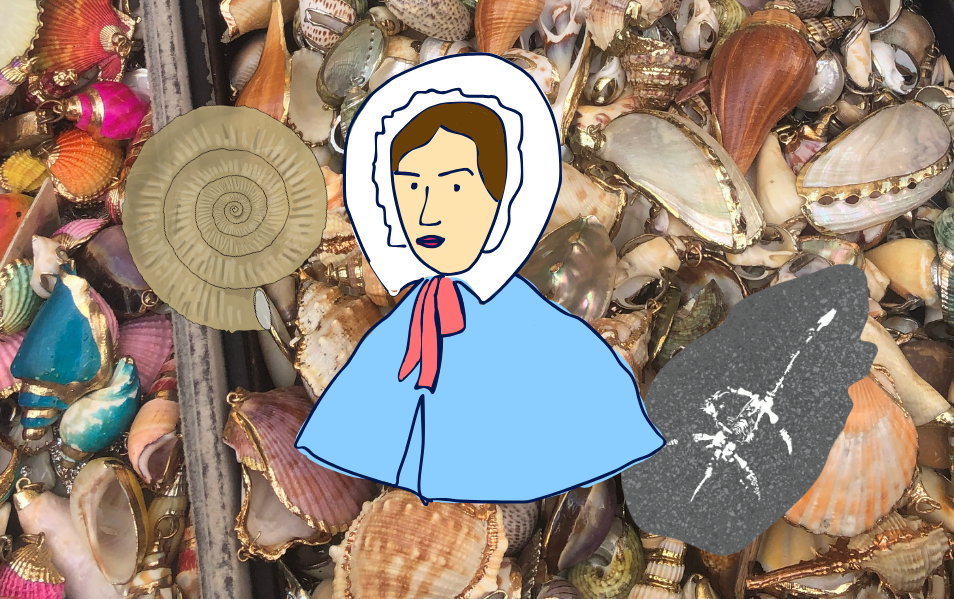
We all know ‘she sells seashells on the seashore’ – but what we don’t know is who she is.
Mary Anning, a revolutionary palaeontologist and devoted fossil collector, is believed to have inspired this famous tongue twister. Ironically, she remained outside of the spotlight for many years because she was poor and a woman.
Born in 1799 in Lyme Regis, Dorset, Mary grew up collecting fossils with her father and brother on what is now the ‘Jurassic Coast.’ Her family struggled financially, but they were skilled at recognising and recovering fossils, which they sold to local townspeople. Many of their finds were ammonites—shelled cephalopods that died out roughly 66 million years ago.
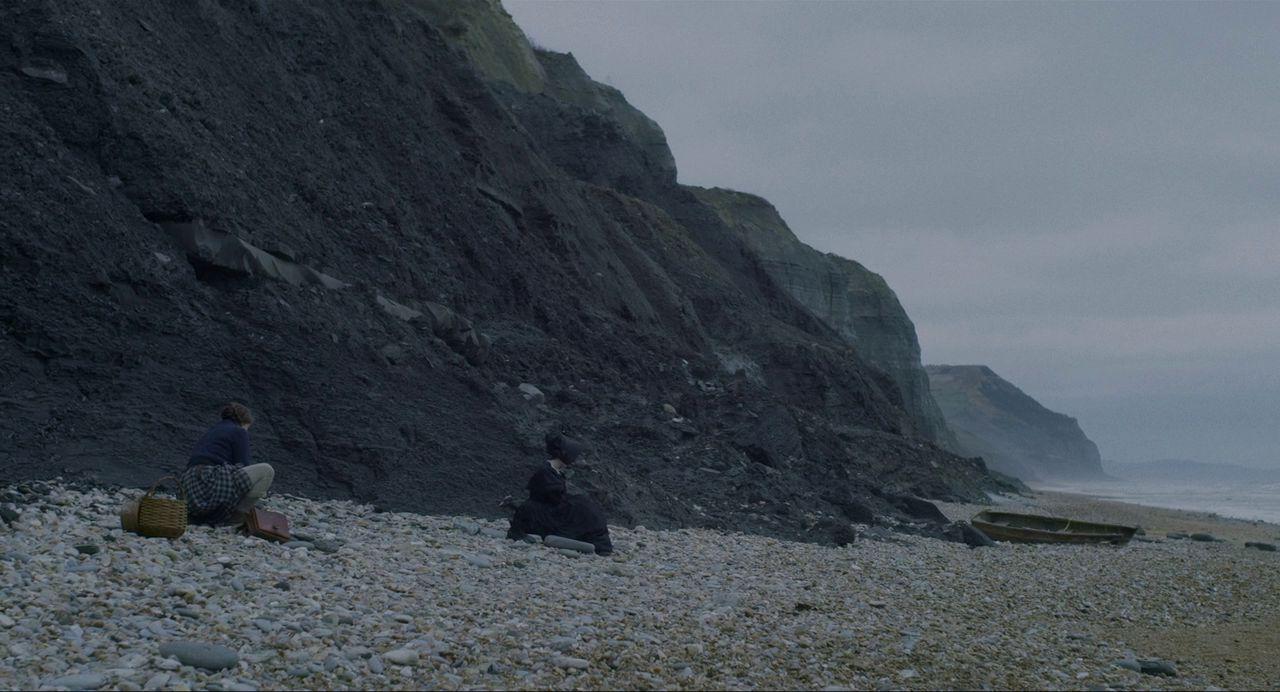
Mary did not have an easy start to life; she and her brother were the only children in the family to survive to adulthood, and her father died when she was around eleven years old, leaving them in greater debt than ever before.
When Mary was fourteen, and the theory of extinction had only recently been introduced, she uncovered a five-metre-long skeleton of a marine reptile that lived between 201-194 million years ago. Her discovery was later referred to as an Ichthyosaurs, meaning ‘fish lizard’, and was the first ichthyosaur to be scientifically revised in literature. Upsettingly yet unsurprisingly, male scientists when writing about this compelling revelation would majorly fail to give credit to Anning.
Mary’s lack of acknowledgement within the scientific community, despite corresponding with many leading geologists, did not kill her passion. Mary was able to read, although could not afford to attend school regularly. She taught herself geology, anatomy, and scientific illustration, and continued to unearth fossils, bones and entire skeletons throughout her life that proved pivotal to our understanding of evolutionary biology.
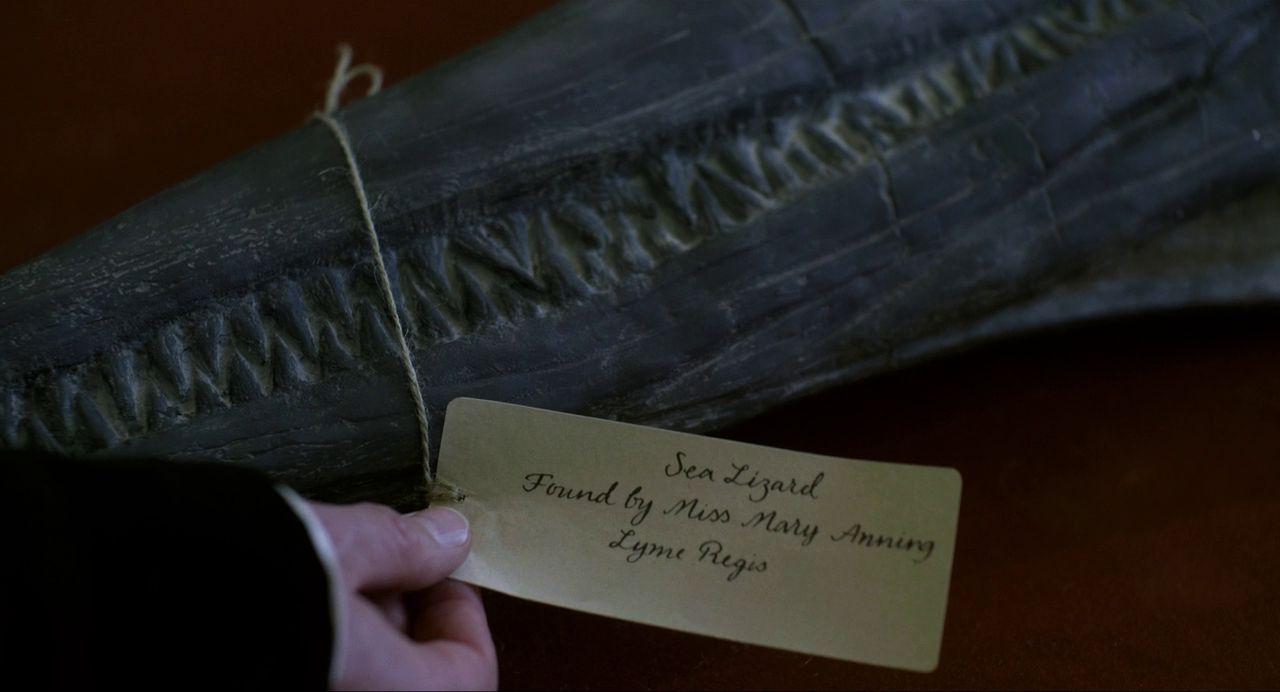
In 1847, at the age of only 47, Mary died from breast cancer, unrecognised and unwealthy. Although credited in the work of two famous scientists of the time, discrimination against her gender meant that she remained in financial strain.
Only recently has the scientific community fully recognised the scale of her contributions. Today, many of Mary’s most spectacular finds are displayed in London’s Natural History Museum, but her legacy extends far beyond that. Mary had close ties to the Bristol Institution, which played a major role in early palaeontology. In 2024, Bristol Museum & Art Gallery launched Making Waves, an exhibition centred on her ichthyosaur discovery. The museum, located beside the Wills Memorial Building, is open six days a week and free to enter. For those less drawn to museums, the 2020 film Ammonite, starring Kate Winslet and Saoirse Ronan, offers a powerful portrayal of Mary Anning—recognised by the Royal Society as one of the ten most influential women scientists in British history.
 Meerabai Kings
 Meerabai Kings
It is easy to forget how privileged we are currently to live in a society where education is accessible for all, and revelations from people of different genders/ethnicities are celebrated. I, as a STEM student, am proud to be part of a cohort with such a significant proportion of women. I believe passion is driven on inspiration and curiosity, and the value of having women such as Mary Anning to act as guiding figure for pursuit of interest a is crucial to the upcoming scientists of our future.
Featured Image: Epigram / Photo: Jemima Choi, Illustrations: Epigram / Corin Hadley and Jemima Choi
Did you know about Mary Anning's discoveries?