
By Arabella Hodges, Third Year, English and Philosophy
Becoming addicted to failure was not something I had on my university bingo card when I was putting in those UCAS applications oh-so-many years ago. But when, in classic Bristol-student style, I encountered my first failure at the hands of the Oxford admissions team, I started to seek out failure as something of a habit. This is when my head was turned by the University of Bristol Boat Club.
As someone who’d previously rowed as a junior, I thought; a Bristol rowing squad filled with novices who’ve never rowed before, I must fare well, right? Ha. The only way I can describe university rowers without profanity is to say that they strive towards a complete degradation of the self. I cannot overstate this point. Only once an individual has accepted that they are a witheringly wretched, worthless excuse for an athlete can they begin to progress within the sport.
This aforementioned physical breakdown is so entire that it pushes athletes to collapse. When the Bristol rowing squad selects who they want to train up to have on their competitive team, the selection doesn't ride on the basis of innate natural ability, nor current fitness levels, nor physical composition (though hitting heads on doorframes does usually get feet through doors in this sport), but instead how far can one push themselves, or put themselves ‘in the bin’. At some point in their sporting career, every rower will hear the phrase ‘you throw up before you pass out, you pass out before you die’, and nothing could more accurately depict the erg room culture.
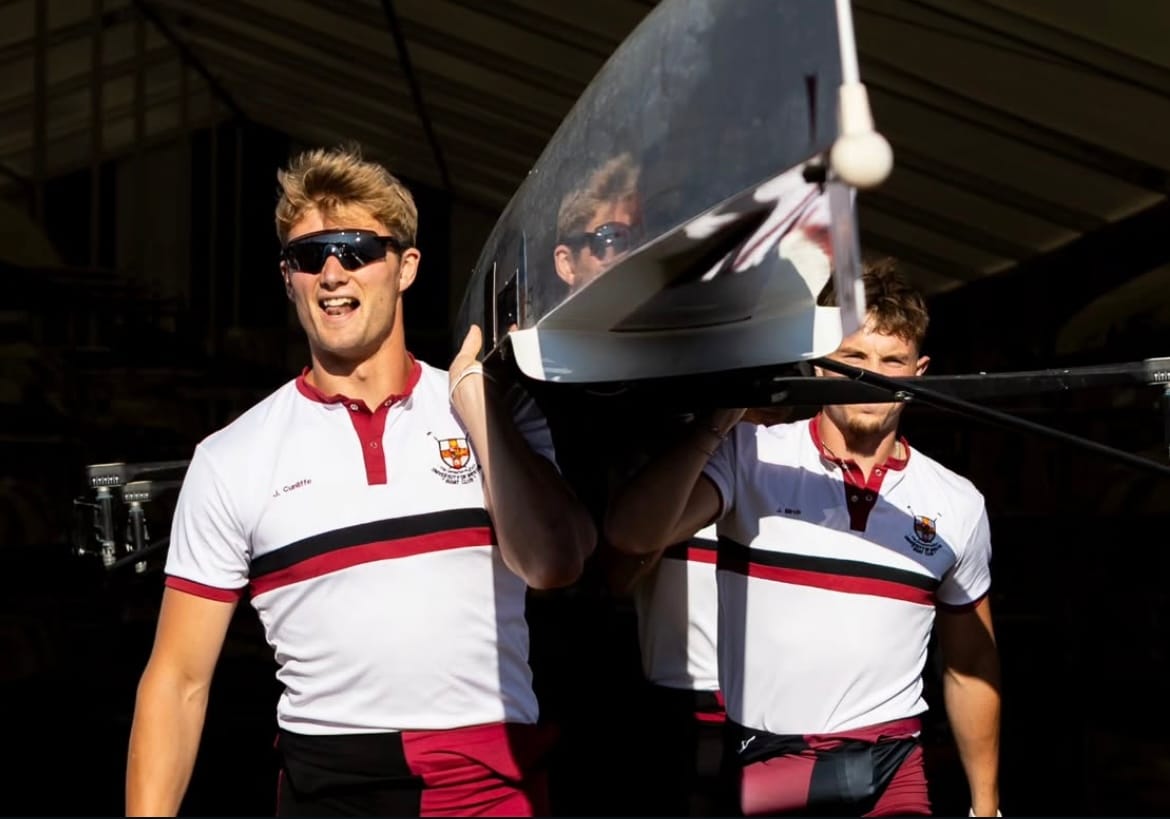
If you come off a rowing machine and can stand, walk, or talk, the burning stares of your teammates carry an implicit question: were you even trying? The pain endured on a rowing machine is not an easy one to put into words - some say that it's worse than childbirth, except rather than birthing a screaming pile of vomiting meat, you become one. Because, ultimately, the only thing that is better than having the best rower as a teammate, is having the teammate most willing to kill themselves, the one who they know would lose a limb before they had anything left to give on the finish line of a race.
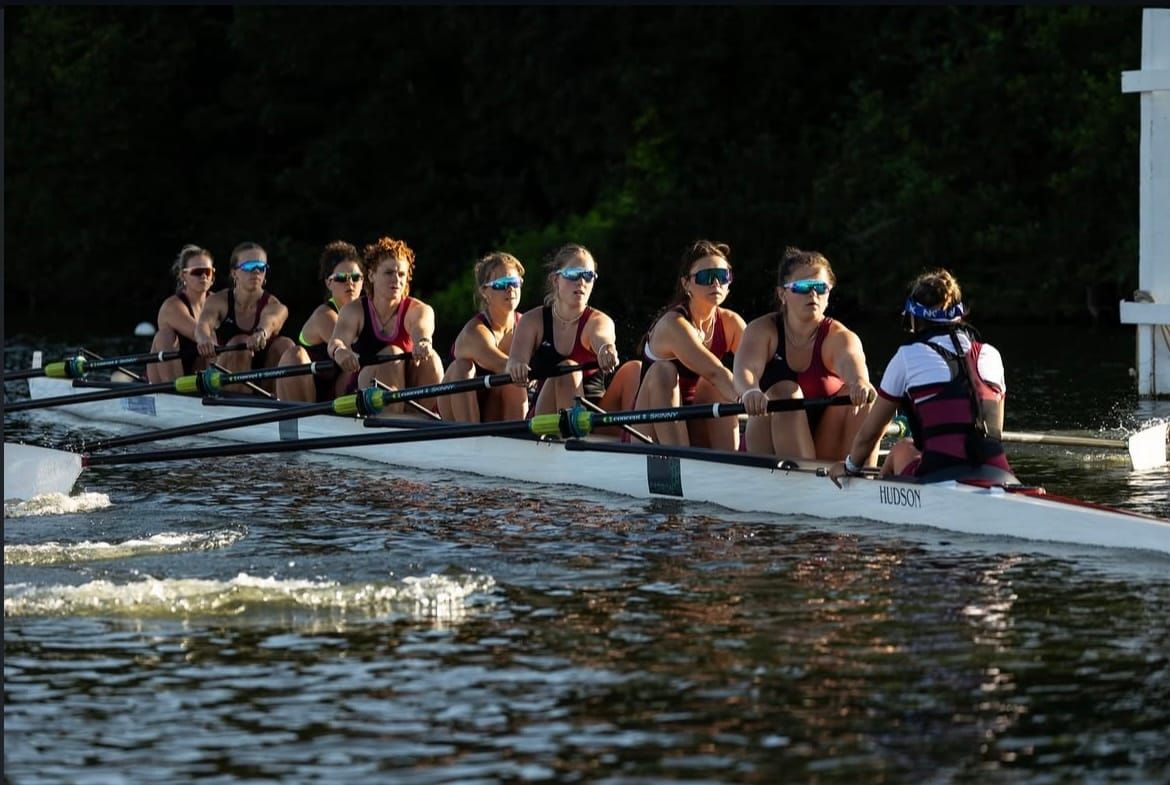
Rest assured, failure in rowing is not limited to the physical. You would think so much high intensity training means winning some races? Wrong. For reference, Bristol university is good at rowing. The men’s squad have been consistently high achieving for many years, with athletes going on to compete for GB, and the women’s squad is now beginning to match the top-level performance of the men’s squad. Yet we race to lose, or to lose by slightly less, or to be able to compete in a higher category… to lose by more. Never has there been a sport with so much input for so little output.
Never has there been a sport with so much input for so little output.
So why row? This is a love letter to pain after all. Despite the claims of my flatmates, the draw of rowing is not simply to hold over the heads of those around me that I am better than them because I woke up five hours before them. I don’t row because I think I’ll win, or even because I enjoy the sport in the traditional sense, but because it is the most wonderfully pointless passion one can have. It is a hobby that gives nothing back yet demands everything, and what could be a more perfect life lesson than that?
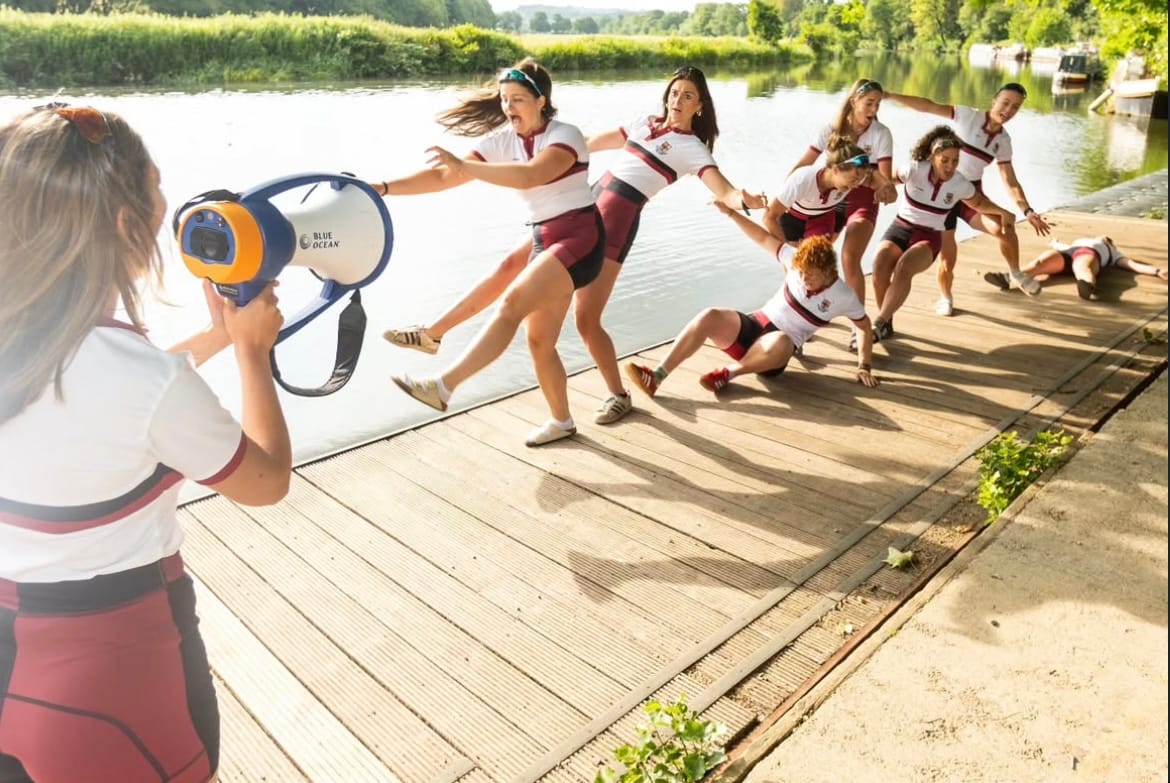
Rowing epitomises man’s search for meaning. I am not a good rower, I will probably never be a good rower, but I have learned how to give my whole being to an impossible achievement. In rowing, everyone becomes Andrew Neyman from Whiplash, desperately searching for the ‘good job’ from their coach that will probably never come. But as Neyman himself showed, passion never was about pleasure, pride, or praise, but the silent, stubborn act of testing your limits, of finding out who you really are when no one’s asking anything of you.
Passion never was about pleasure, pride, or praise, but the silent, stubborn act of testing your limits, of finding out who you really are when no one’s asking anything of you.
If you read this article and found this sport even half appealing, you should get in contact with @uobboatclub on Instagram or check out the website @uobboatclub.co.uk.
Featured Image: Instagram/ @uobboatclub
Does this strike you as something fun, or terrifying?