By Charles Hubbard, second year, Theatre and Performance
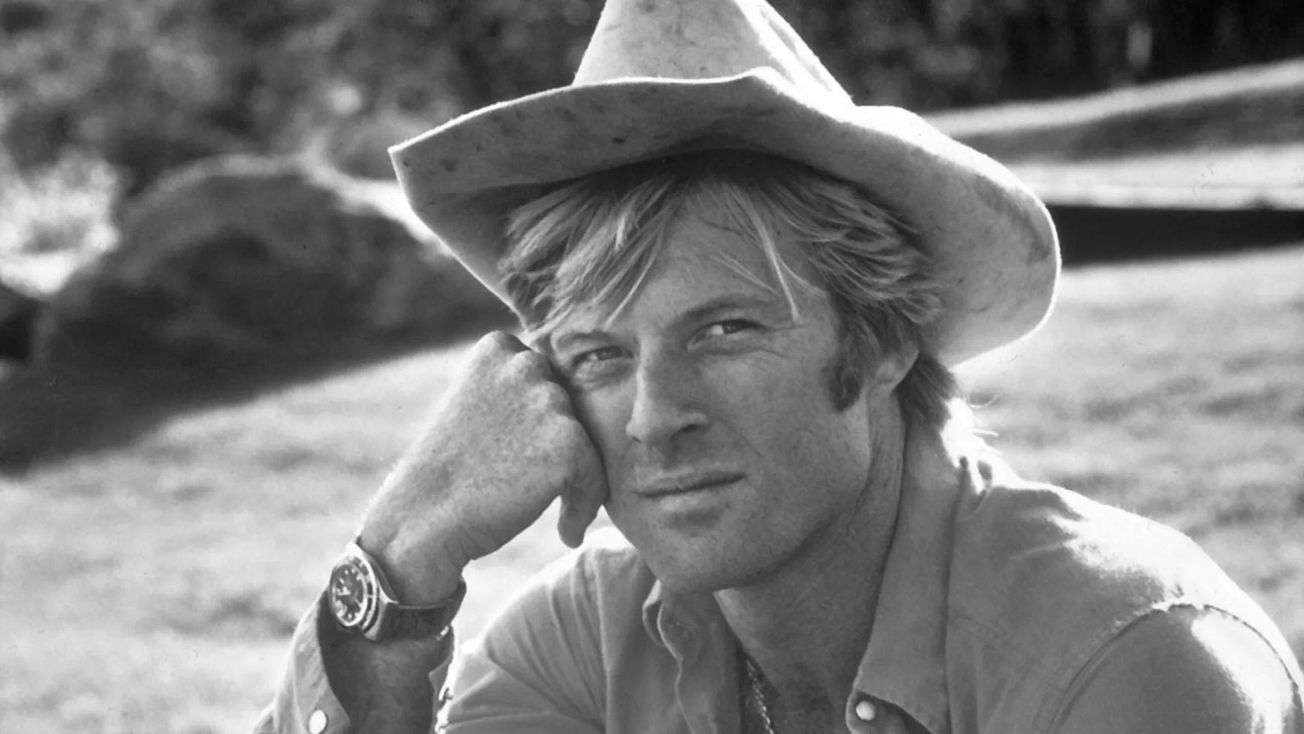
An actor, director and founder of America’s most enduring and popular film festival, Robert Redford did it all and managed to do so with a grace and charm that personified the era more than any of his contemporaries.
The thing that I’ve always found most fascinating about Robert Redford is how expertly he bridged the chasm between old and new Hollywood. Redford came to prominence during a totemic shift in American cinema - when the studio system of the 1940s and 50s gave way to the more daring, director-driven films of the 1970s. Such a significant change would have crushed a lesser actor. The considerable skills and movie star persona that he had developed in films like War Hunt (1962) and Barefoot in the Park (1967) (a role which he also originated on stage) seemed impossible to translate to a new era when moviegoing audiences no longer wanted clean-cut pretty boys at the centre of their films.
An era where unconventional-looking actors like Dustin Hoffman, Gene Hackman and Robert De Niro were becoming household names. An era where gritty realism was now the order of the day. However, translate them Redford did. Teaming up with Hollywood journeyman George Roy Hill, Redford co-starred with close friend Paul Newman in 1969’s Butch Cassidy and the Sundance Kid - a gigantic hit that made both Redford and Newman major stars and presented them both as being of a piece with the new Hollywood sensibility, not in opposition to it. Redford’s string of hits continued into the 1970s with Sydney Pollack’s Jeremiah Johnson (1972), Michael Ritchie’s The Candidate (1972), and The Sting (1973) - Redford’s reteam with Roy Hill and Newman that swept the Academy Awards that year and became one of the five highest grossing films of all time.
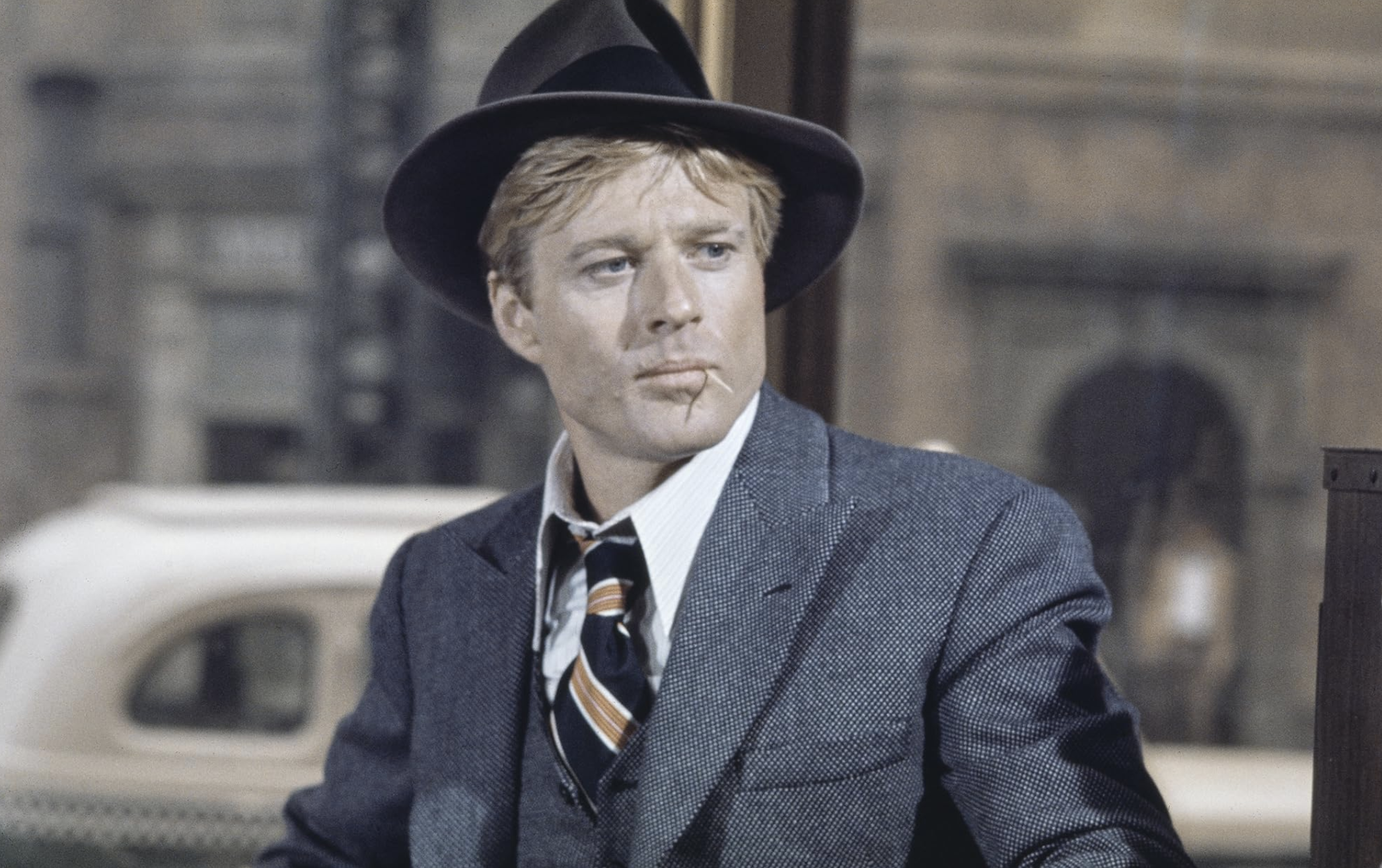
First and foremost, Redford remained a transfixing romantic lead, no doubt bolstered by his handsome features and soothing baritone voice. His impressive roster of on-screen lovers include Barbara Streisand in The Way We Were (1973), Faye Dunaway in Three Days of the Condor (1975) and Meryl Streep in Out of Africa (1985), all of which were directed by Sydney Pollack. In fact, his innate ability to charm women often held him back from other roles. For example, when casting around for his film The Graduate (1967), director Mike Nichols was pressured by producers to cast Redford in the main role, which would eventually star the aforementioned Dustin Hoffman. Nichols was doubtful and, in a script-reading with Redford, asked him when he had last had trouble with a woman. Redford was unable to understand how anyone could have trouble with women.
However, it is Redford’s career as a director that often goes the most undiscussed. Perhaps it’s because, unlike many other actor-directors, he rarely cast himself in his own projects, instead making the more altruistic decision to leave the film free of any previous baggage that Redford’s onscreen presence could potentially bring. He’s one of the very few directors to win the Academy Award for Best Director for his debut feature, in Redford’s case his 1980 family drama Ordinary People, which dealt with issues such as teenage mental health and survivor’s guilt at a time when such topics were all but forbidden in major Hollywood films aimed at mainstream audiences. His 1992 fishing drama A River Runs Through It, while perhaps not the most exciting fair, still made a huge star out of a young Brad Pitt, who Redford would later collaborate with again on Tony Scott’s 2001 espionage thriller Spy Game.
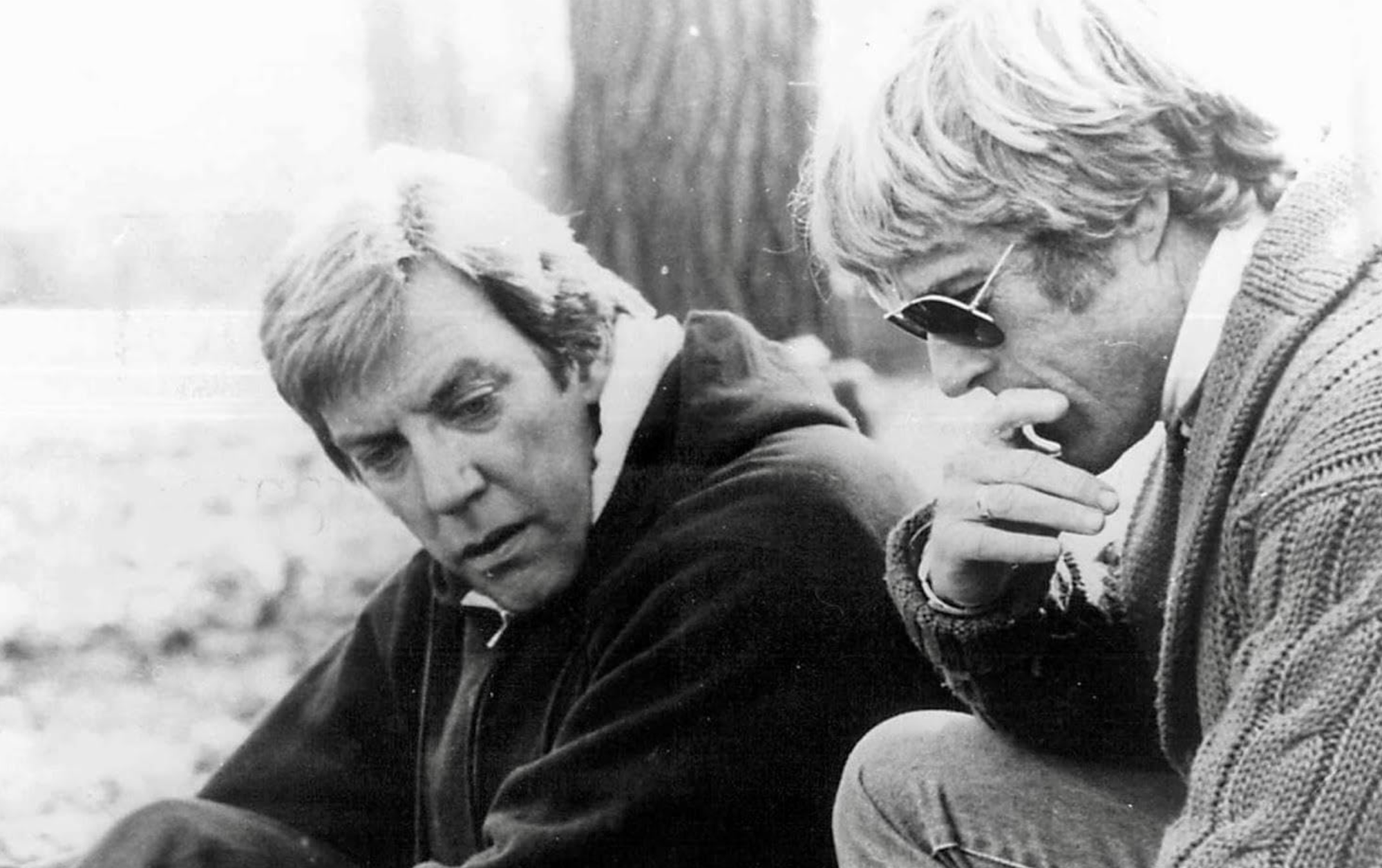
And of course it would be tantamount to malpractice if I didn’t mention that Redford founded the Sundance Film Festival - named after his most famous character. Sundance allowed up-and-coming American filmmakers to find a proper outlet to showcase their films for potential distributors without the considerable financial buy-in necessary for getting something screened at Cannes or Venice. The festival has helped now-beloved filmmakers like Ryan Coogler, Damien Chazelle and the Coen brothers reach wider audiences with their early films in a way that perfectly paved the way for massive future success. It’s clear that Redford wasn’t satisfied with taking the wealth and adoration that Hollywood gave him. He wanted to give something back.
It’s possible that you might not have even heard of Robert Redford. After gracefully ageing into an elder statesman mode with films like Sneakers (1992) and The Horse Whisperer (1998), Redford mostly disappeared from our screens in the 2010s, occasionally popping up for nostalgic one-handers like J.C. Chandor’s All is Lost (2013) and David Lowery’s The Old Man and the Gun (2018). You’ve probably only ever seen him from his brief appearances as Alexander Pierce in Captain America: The Winter Soldier (2014). However, I believe that Redford’s death will provoke a wide-ranging (not to mention long-overdue) reappraisal of his incredible and many-layered career. Or at least I certainly hope so, as he is one of the shining examples of movie stardom done just right.
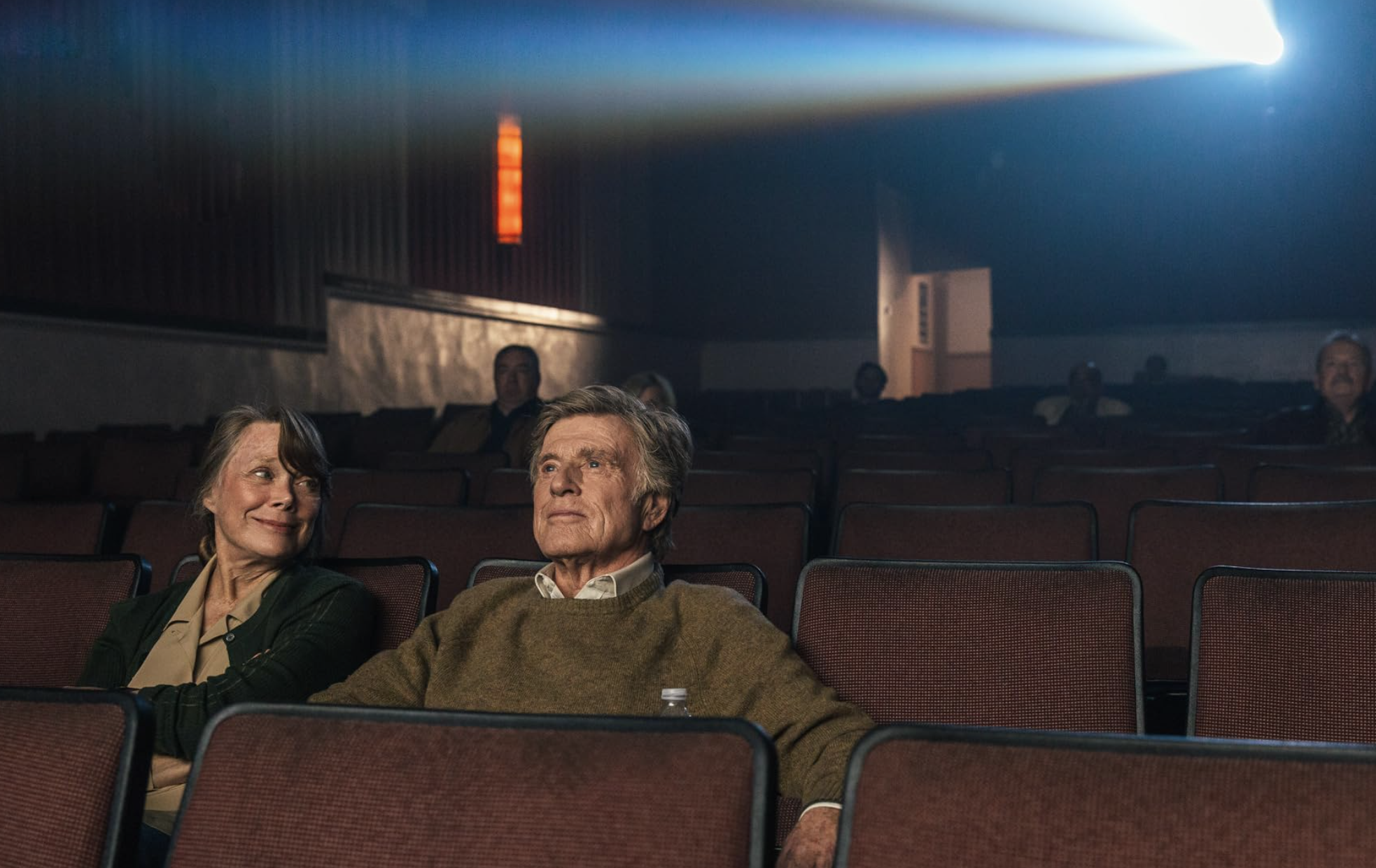
Featured Image: The Hollywood Reporter
Do you believe Redford is one of Hollywood's greats?




)