By Will Girling, Second Year, English
Looking up at King Edward VII stone-carved in coronation, flanked by sculpted fountains, you ascend the steps to Victoria Rooms in blue February dusk.
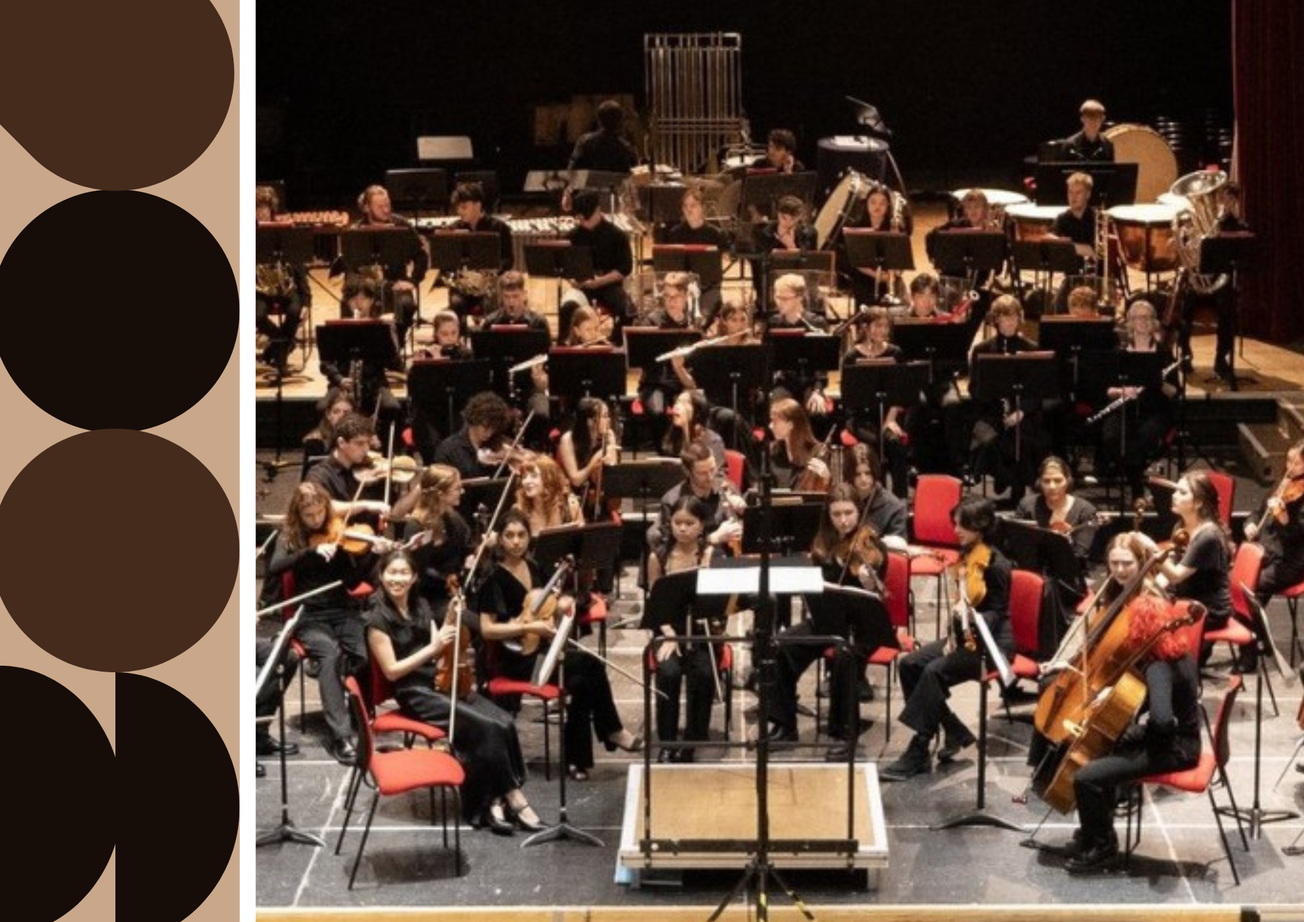
Expectations of according grandeur in the programme are not disappointed: Beethoven’s Coriolan Overture opens the concert with powerful string chords punctuated by fierce stabs from brass and timpani, which, with deft handling from the orchestra, prepares for the introduction of the first heroic melody.
Written in 1807 for Heinrich Joseph von Collin’s 1804 stage tragedy Coriolan, the piece reflects the titular Roman general’s courage, fury and resolve, moods which the players captured expertly. Coriolanus’ suicide at the end of the play is sensitively handled by the lower strings in it’s musical mirror with soft, and then softer, pizzicato to close the piece.
After well-deserved applause and a brief outline of the programme by conductor Neal Farwell, the rest of the brass and percussion army join the troops on stage for the main event of the evening, Tchaikovsky’s Symphony No.6, first performed at the height of the Romantic era in 1893.
Lead bassoonist Thomas Groves opens movement one with a richly toned solo over brooding strings, and the music goes on to travel through various moods. Highlights include conversation among and between woodwind and strings with weightless finesse, and lyrical string melodies, and the intensity of passion is well sustained through moments of despair and exaltation.
 Matilda Collard
A charming but ghostly waltz-like movement follows, then a vigorous and strident march, pacing thrillingly to the end of the movement with thumping timpani and crashing cymbals - after the last echo of the grand final chord rings out we are left in the hall with nothing but the faint twinkly ring tone of an elderly woman in the audience who forgot to put her phone on silent.
Melancholia resumes in the final movement with some of the most hauntingly beautiful melodies in the symphony, and the sound builds, draws back and builds again to overwhelming heights of passion.
 Ambar Madhok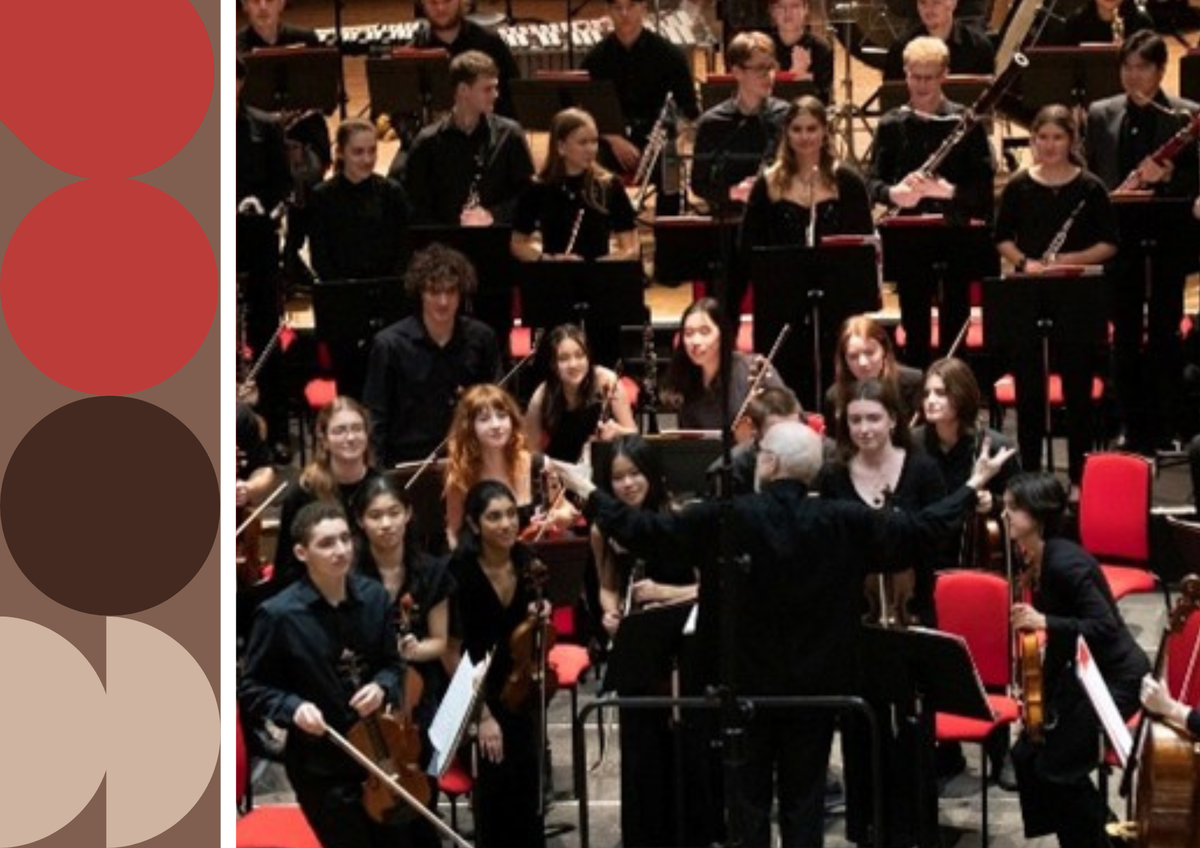
In the closing minutes of the piece are smaller swells like the memory of intense feeling, then after final soul-stirring melodies, the music fades to peaceful quiet.
An impressive display of talented musicianship and a well chosen programme - I really enjoyed it and would recommend checking out Bristol University Symphony Orchestra’s upcoming concerts, including Rachmaninoff’s Piano Concerto 2 with Bristol maestro Paul Israel on piano on 29th May.
Featured image: Univeristy Music Department / Alan HumphreysWill you catch the next Bristol University Symphony Orchestra?