
By Maya Tailor, Features Subeditor
September marks the start of Polycystic Ovary Syndrome (PCOS) Awareness Month. In the UK, it is spearheaded by the patient advocacy group Verity, in collaboration with their international counterparts like The National Polycystic Ovary Syndrome Association. Their aim is to ‘raise awareness of PCOS, educate others about the condition and hopefully raise a little money [in order to] continue providing conferences, information and support.’ But what is PCOS and how does it impact students at Bristol?
PCOS is a serious condition in which the body is unable to ovulate due to abnormal hormone levels. This results in fluid-filled sacs called follicles developing below the surface of the ovaries. These follicles are not to be mistaken for cysts; despite its name, people with PCOS do not necessarily have cysts. Instead, they are eggs that have not matured enough to be ovulated. They produce androgens, or ‘male sex hormones’.
It is diagnosed by the presence of at least two of the following symptoms- signs of high androgens, such as unwanted body hair, hair loss or an elevated presence of testosterone in the blood, irregular or no periods and the presence of polycystic ovaries on an ultrasound or MRI. Other symptoms include weight gain, depression, anxiety, acne and dark patches on the back, armpits and breasts. These signs usually begin to show in the late teens and early 20s but they can show as early as adolescence. However, it is estimated that 70% of people are unaware that they have PCOS due to the mild nature of their symptoms.
PCOS affects around 4 million people in the UK, with the World Health Organization (WHO) estimating that 8-13% of women and menstruating people globally have the condition. Despite its prevalence, all that is known is that it comes down to a hormonal imbalance. What causes this is unknown.
'It's more than just a fertility disorder’.
Many people with PCOS have been found to have a significant resistance to insulin, which triggers the over-production of androgens from the ovaries and can worsen symptoms. PCOS is thought to run in families but there is no genetic evidence to support this claim. As there is no known cause, the treatments available to patients today, such as birth control and diabetes medication, can only ease the symptoms of PCOS. A healthier diet and lifestyle can also help in some circumstances.
Epigram spoke to students from across the university about their experiences with PCOS and their interactions with their respective doctors. One student recalled the damaging effect their symptoms had on both their physical and mental health.
‘I remember being basically bed-ridden for a few days in my first year of university purely because moving my body hurt’.
‘Others might try to sympathise by saying “oh, I get really bad cramps too” but it is more than that. Not being involved in university because of anxiety and feelings of depression, missing lectures and seminars because you do not have the mental or physical capability to go outside- all of this affected me because university was such a new and unfamiliar environment. Adding the adjustment of figuring out how to handle my PCOS with it was challenging’.

Another student reflected on the impact their PCOS continues to have on their ability to do the things they enjoy.
‘I play cricket at a high level, but PCOS has definitely affected my training and gameplay’.
‘Some days I feel on top of my game and unbeatable, and other days I feel physically weak and have to stop myself from crying over small mistakes’.
With the impact their symptoms have on their ability to go about their lives, both students interviewed agreed that PCOS is more common than people realise and needs to be taken much more seriously than it is. Research conducted by Verity found that 60% of women struggled to get a diagnosis, while 95% said they had encountered problems trying to access NHS support. From diagnosis to treatment, these statistics are reflected at Bristol.
When speaking to Epigram, a third student expressed frustration at how long it took to get a diagnosis.
‘I only got my period a few times a year, having started it at 15. Going through the NHS since this age, I really should have been diagnosed younger- the signs were so obvious’.
After three years of countless appointments and no solutions, the student had no choice but to go private. It was through private healthcare that they finally received an official diagnosis and were prescribed medication to regulate their cycles, which they described as ‘transformative’. It also enabled them to get diagnosed with Premenstrual Dysphoric Disorder (PMDD), after experiencing debilitating lows before their period.
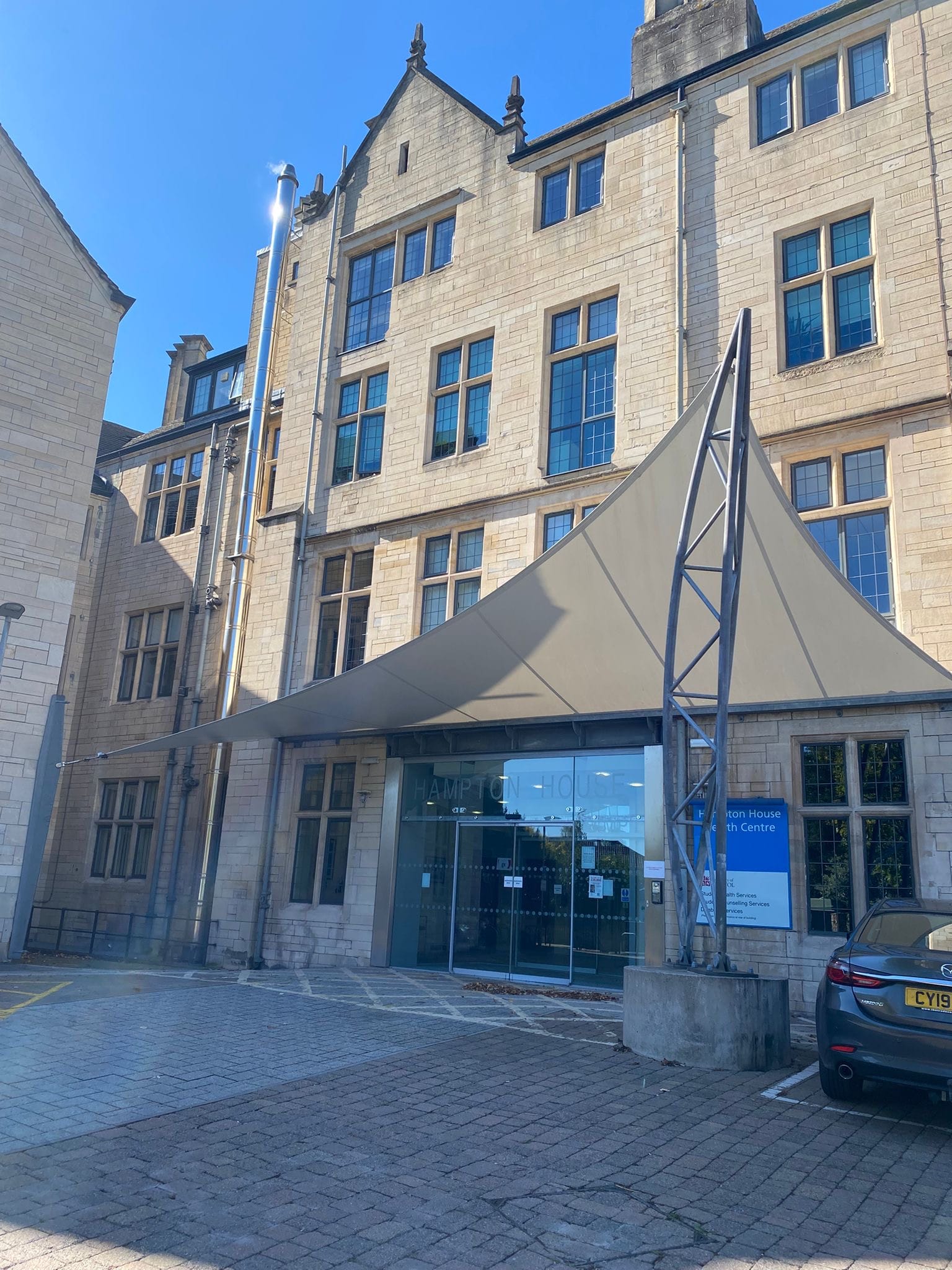
One student praised the efficiency of using the university’s health service to secure a diagnosis, describing the process as ‘really quick and easy’. However, it was the support they received afterwards that was significantly lacking. The student was told that they could take birth control to manage their symptoms and was ‘reassured that lots of women with PCOS are still able to have children’, which was the extent of the guidance they received. Whilst PCOS can cause fertility and pregnancy complications, the student emphasised that what ‘would’ve been useful to know is what I found out on my own, like the effects of PCOS, the risk of Type 2 Diabetes and so on’.
Furthermore, one student recounted how their doctor’s only treatment advice after being diagnosed was to ‘exercise and lose weight’ despite being at a perfectly normal weight for her height and age. After their periods worsened to the point where they couldn’t stand for more than 15 minutes, doctors prescribed Diane 35, a medication similar to birth control. This had a detrimental effect on the student’s mental health.
‘I had to stop using it after 3 months for my own sanity’.
These testimonies reflect the significant failings within our health system when it comes to recognising and treating PCOS. A condition that is prevalent both nationally and globally, yet patients are having their symptoms overlooked and in some cases, receiving unsatisfactory treatment. This inevitably prolongs their pain and symptoms, disrupting their daily lives whilst failing to take into consideration the potential long-term risks, such as cardiovascular disease and uterine cancer. Nearly all interviewees reiterated that PCOS needs to be treated much more seriously amongst medical professionals.
 Sarah Dalton
 Marine Saint
In recent years, there have been some advancements in finding a more permanent treatment. One notable example is the European project SPIOMET4HEALTH, which aims to stimulate ovulation, target the endocrine-metabolic functions of the body, and tackle the underlying mechanisms responsible for the development of PCOS through a single tablet. However, this ambitious project is still in Phase II of clinical trials; it could be years before this treatment reaches the general public.
Until then, it is important for everyone to understand PCOS manifests itself differently in all those that are affected and cannot simply be reduced to just puberty or fertility problems. By normalising conversations about hormones and periods, it can help ease the isolation that comes with such a misunderstood condition. Additionally, an increase in accessible resources can aid in recognising it and help patients feel more supported and empowered, especially when seeking a diagnosis. It is also down to doctors to take PCOS and patients’ concerns seriously. This September, it is essential that awareness and accurate information surrounding symptoms and treatment continues to be promoted. Whilst PCOS is slowly gaining more attention, there is still a long way to go in ensuring it receives the equity and publicity it deserves.
Featured Image: Epigram / Charlotte Kerby
Throughout September, Verity will be sharing a variety of resources and information regarding PCOS. Find out how you can get involved and spread awareness here.