
By Disha Angadi, First Year, Law
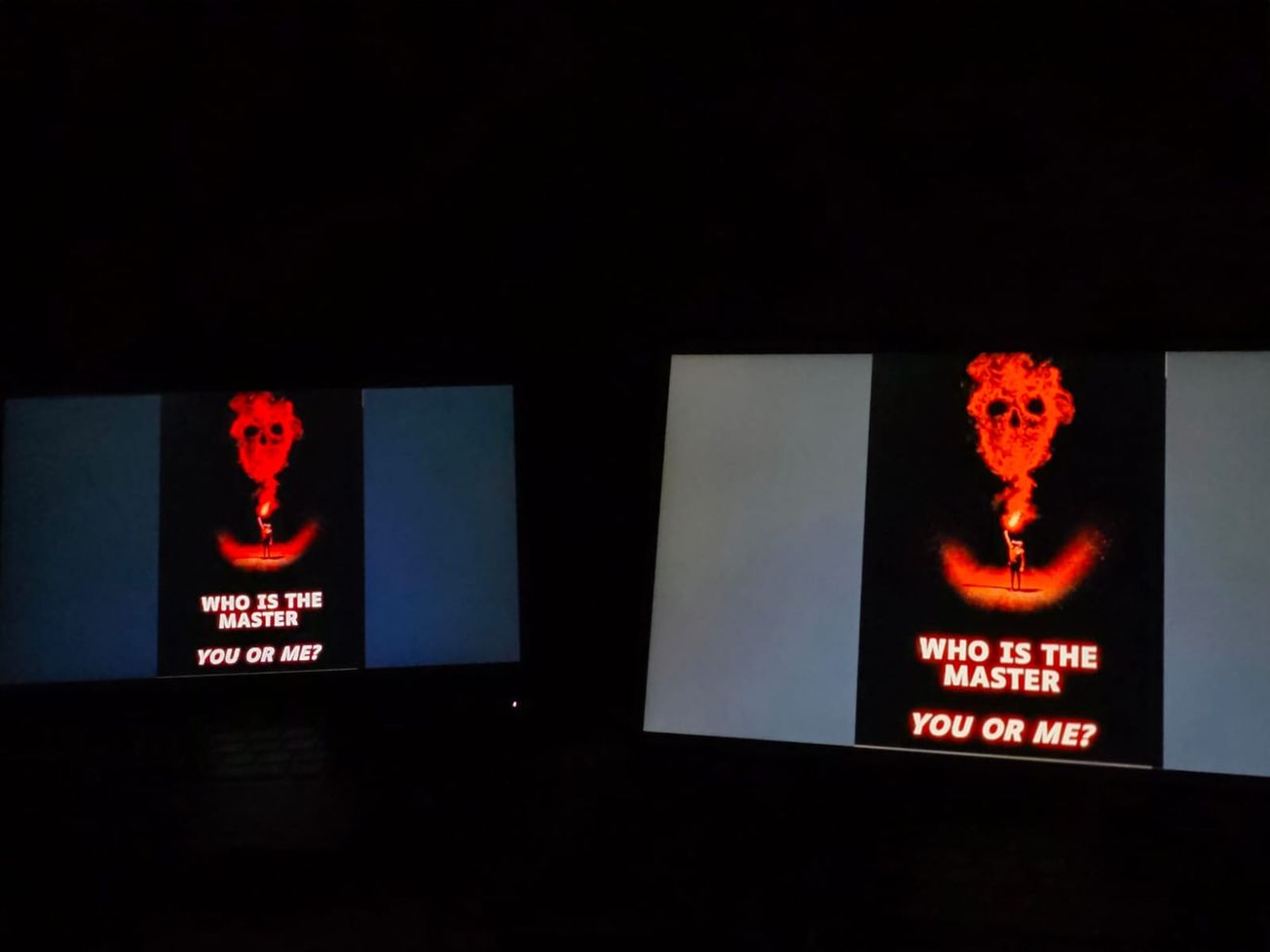
Picture this: you are walking up Park Street, headed to yet another lecture, glued to your phone. As you approach the lecture theatre, you realise that in the entirety of the 20 minutes you were walking, you can’t remember registering anything other than a plethora of half-forgotten TikTok’s and depressing Instagram posts. Your mind feels mushy and your heart sinks as you wonder how to break this vicious cycle.
We have all been there. Sitting dazed in the lecture hall or staring at the blank ceiling at 3am, unable to sleep, wondering why our mind feels alien to even ourselves and why sleep feels like a luxury.

In an article by Harvard Health Publishing Dr. Nerurkar says, ‘doomscrolling can give us popcorn brain’, a direct result of doomscrolling. She claims that ‘It’s the real, biological phenomenon of feeling your brain is popping because you’re being overstimulated online.’ This is followed by an alarming statement where she adds, ‘Then it’s hard to engage with the real world.’
Moreover, researchers at the University of Sussex recently polled over 2,000 people on how they spend their free time. The results were shocking- it was found that scrolling social media ranked ‘rocked bottom’ for joy achieved and top for time spent. This indicates that social media ‘steals your joy’ taking time away from activities which bring you fulfilment to ones which drain your soul.
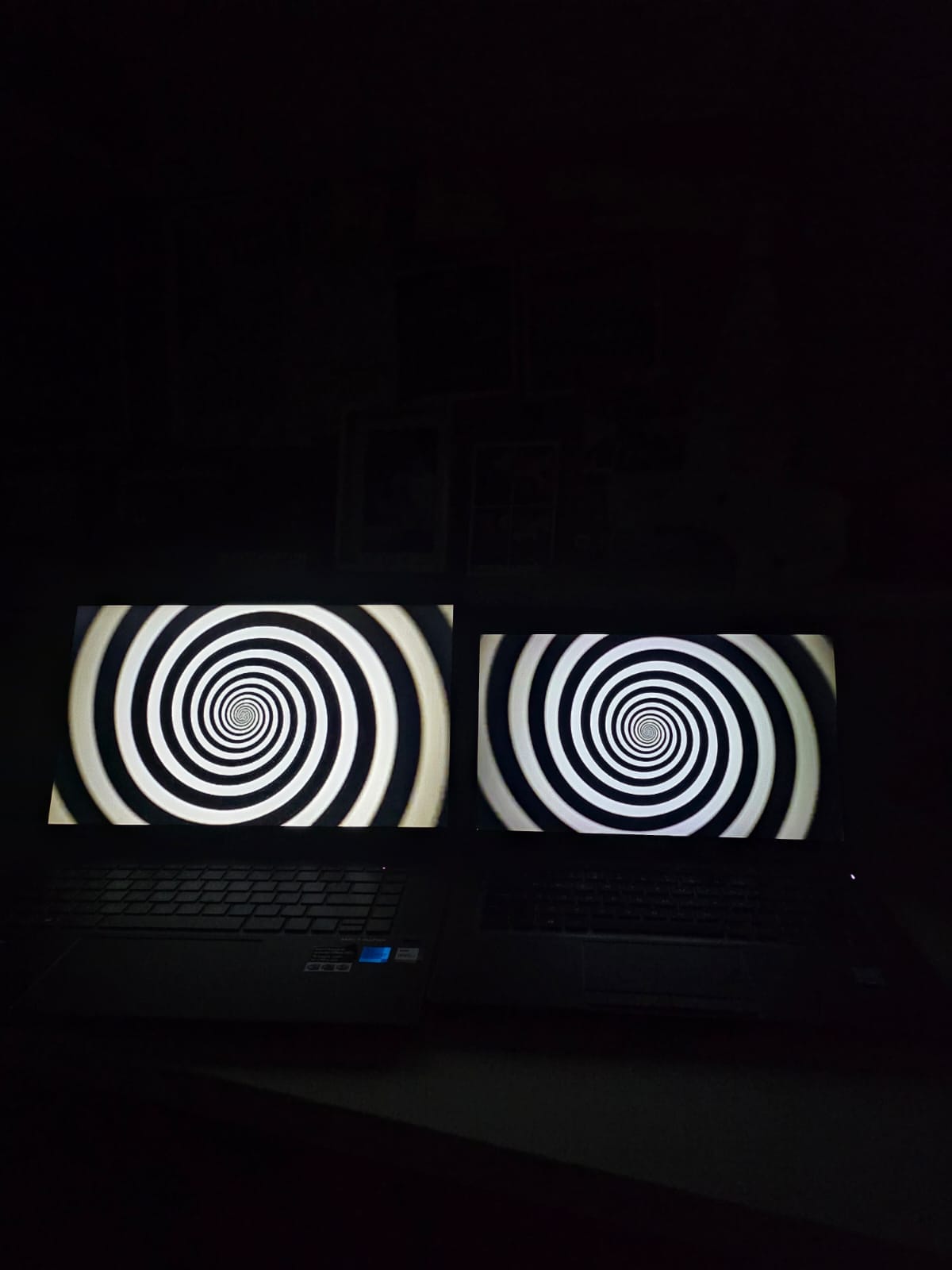
Here are some recommendations on how to set healthy boundaries between you and your phone:
The first step to setting a healthy boundary is by adjusting your homescreen and colour grading. According to the KCL news centre, a person checks their phone up to 90 times a day.
A great way to reduce this temptation to check your phone is, by turning the highly appealing home screen to a one made of bare bone basics- one designed to suit your needs and not to keep you hooked. According to Tristian Harris, the goal is ‘to ask the question, “how can we make our home screen a livable place?”’ and to transform it to a place which enriches our mind instead of hollowing it.
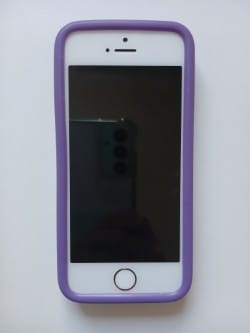
As Rhik Samadder’s Guardian article on a phone detox experiment suggests, grey scaling the screen has a drastic effect on the psyche. He said that ‘Apps no longer peacock for my attention. This color drain could make a decisive difference.’ The appeal of seeing a wide array of bright colours scatter across the screen, an often subconscious pleasure would be removed. This makes the experience of using your phone feel more like an effort rather than a modern primal instinct.
The next step is to use the support of app blockers and tailored notifications. Rhik used the ‘muscular’ Freedom app which enabled him to block apps and websites preying on his attention. The app also has a special feature allowing blocking exceptional websites such as blocking YouTube while enabling Google Docs. He says that blocked apps do open ‘briefly before buzzing waspily and snapping shut with the words: “Go do great things”’.

The Freedom app can be a steadfast solution to the exhausting tussle between you and your phone. The BBC recommended this app for blocking websites indicating its role in regaining control over lost focus. The app’s website further claims to have a ‘Locked Mode’ for ‘when willpower isn’t enough’. This mode makes certain that one doesn’t quit a session early. This makes certain that even when your mind gives into temptation, the app pulls you out before you sink too deep.
Another way to regain control is through customising notifications: be completely honest with yourself and only keep notifications on for apps which need your meaningful contribution not your unfettered attention. For university students, this could look like keeping the notifications for Outlook and Gmail turned on while social media apps remain on mute. This makes sure that your time is not consumed by notifications vying for your attention but meant to serve your ambitions.
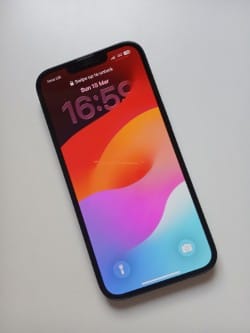
The final step is one of key mindset shifts. ‘I want to quit Instagram but I am scared of feeling left out.’ says one university student who asked to remain anonymous. The fear of missing out is a feeling that one too many of us can relate to, the idea that if we dare to disconnect, we might miss out on trends which dominate popular culture today and risk becoming out of touch.
 James Lewis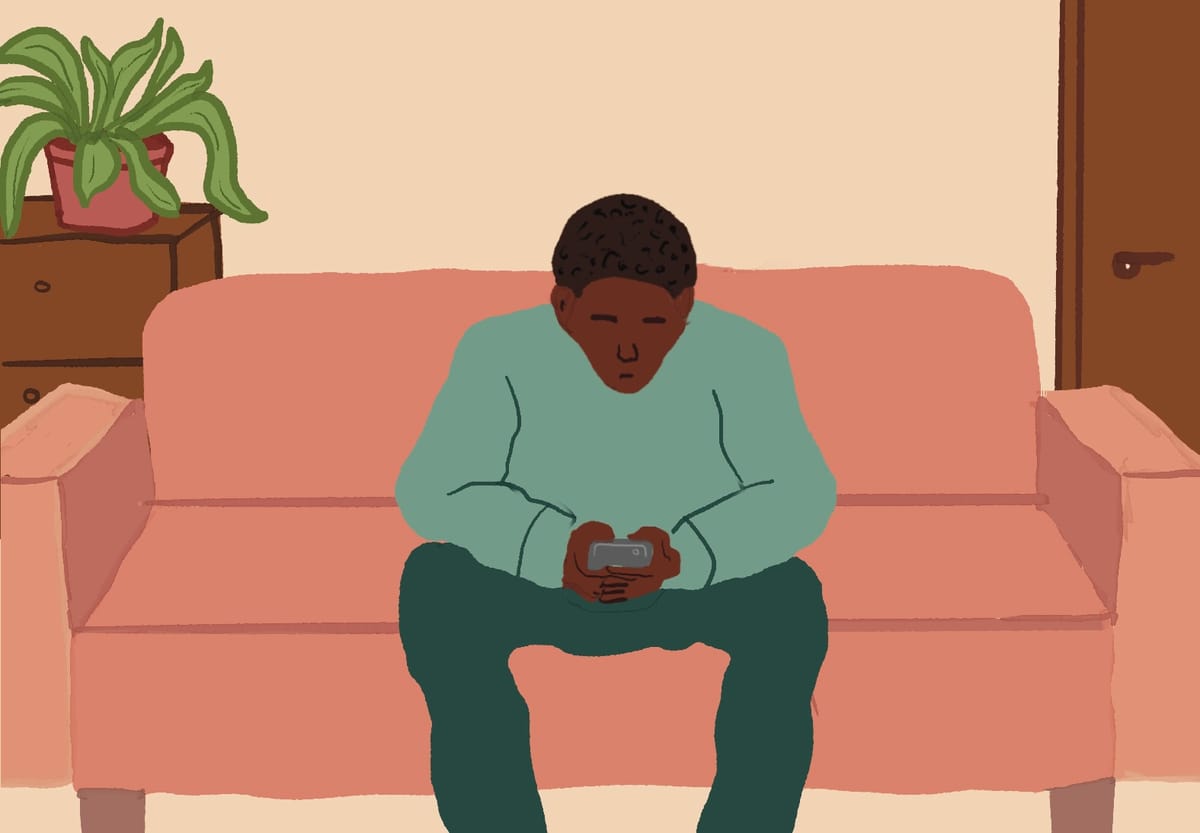
 Sophie Scannell
The fact of the matter is that you arguably stand to lose more by staying chronically online than you do by staying offline. Logging off provides the long lost control over how you wish to spend your time. Detaching is undeniably difficult but it will be worth it eventually.
You can spend your reclaimed time on people, experiences and hobbies which matter to you not to the algorithm. Whether you choose to build new connections or preserve old ones through workshops, volunteering, or simply just staying in the moment, fostering in-person connections is more fulfilling than catching up on endless heaps of information designed to rage bait and not inspire. After all, isn’t life too short to be spent vacantly instead of intentionally?
Featured image: Epigram / Disha Angadi
How do you plan to detach?