By James Lewis, Co Editor-in-Chief
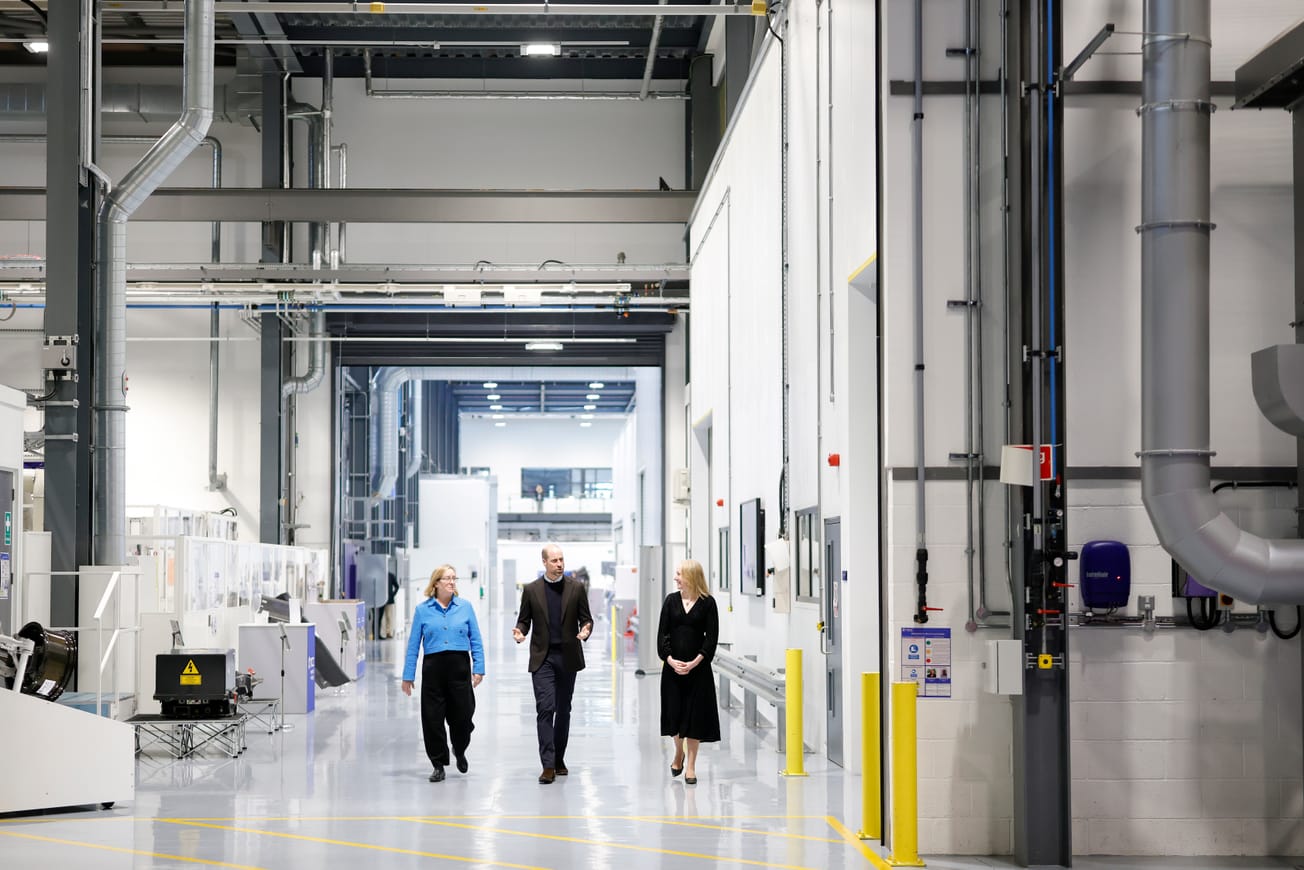
The Prince of Wales visited the National Composites Centre (NCC) today, 22 January, to visit the University of Bristol’s newest supercomputer, the Isambard-AI, and find out how researchers and industry have been using this world-leading technology.
Prince William was welcomed by University of Bristol Vice-Chancellor, Evelyn Welch, and Chief Business Officer at the NCC, Dr Jo Dally, who showed him around the NCC facility and the new Isambard-AI supercomputer.
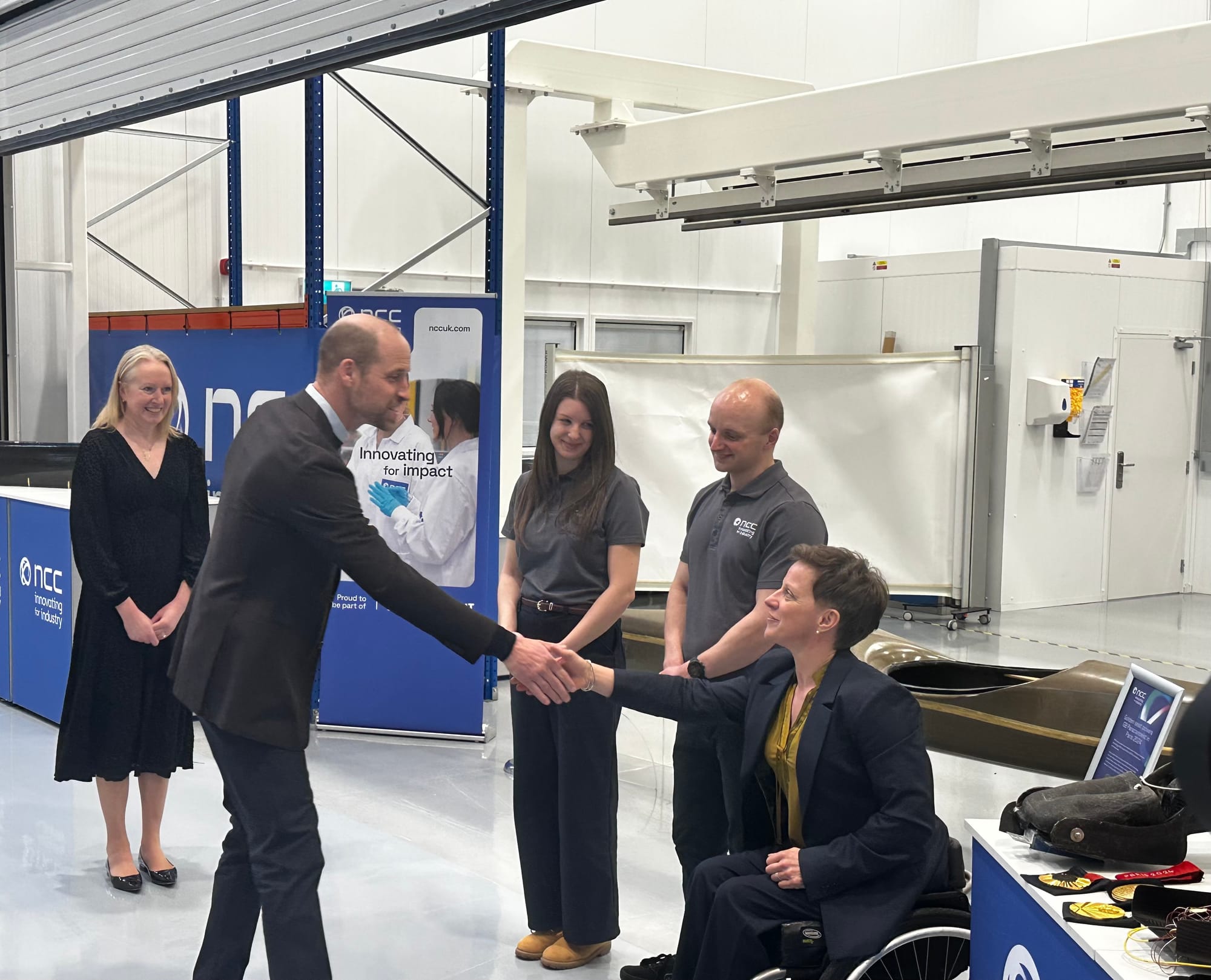
The Prince of Wales met Paralympic champion Emma Wiggs MBE and the engineers who helped manufacture her canoe seat for the Paralympics in 2024. The seat was built using digital tools and embedded sensors, which resulted in a lighter and stiffer seat, and helped Ms Wiggs efficiently paddle her canoe to Gold at the Paris Paralympic Games in 2024. The engineers told William how it took just three months to go from concept to completion of the canoe seat.
On his visit, the Prince of Wales met researchers and engineers who have been working with Isambard-AI – the most powerful supercomputer in the UK – since it came online in July 2025. The £225 million project was funded by the government and built by the Bristol Centre for Supercomputing (BriCS), which is based at the University of Bristol, in collaboration with HPE and NVIDIA. It is the fastest university-based supercomputer in the world and 11th fastest globally.
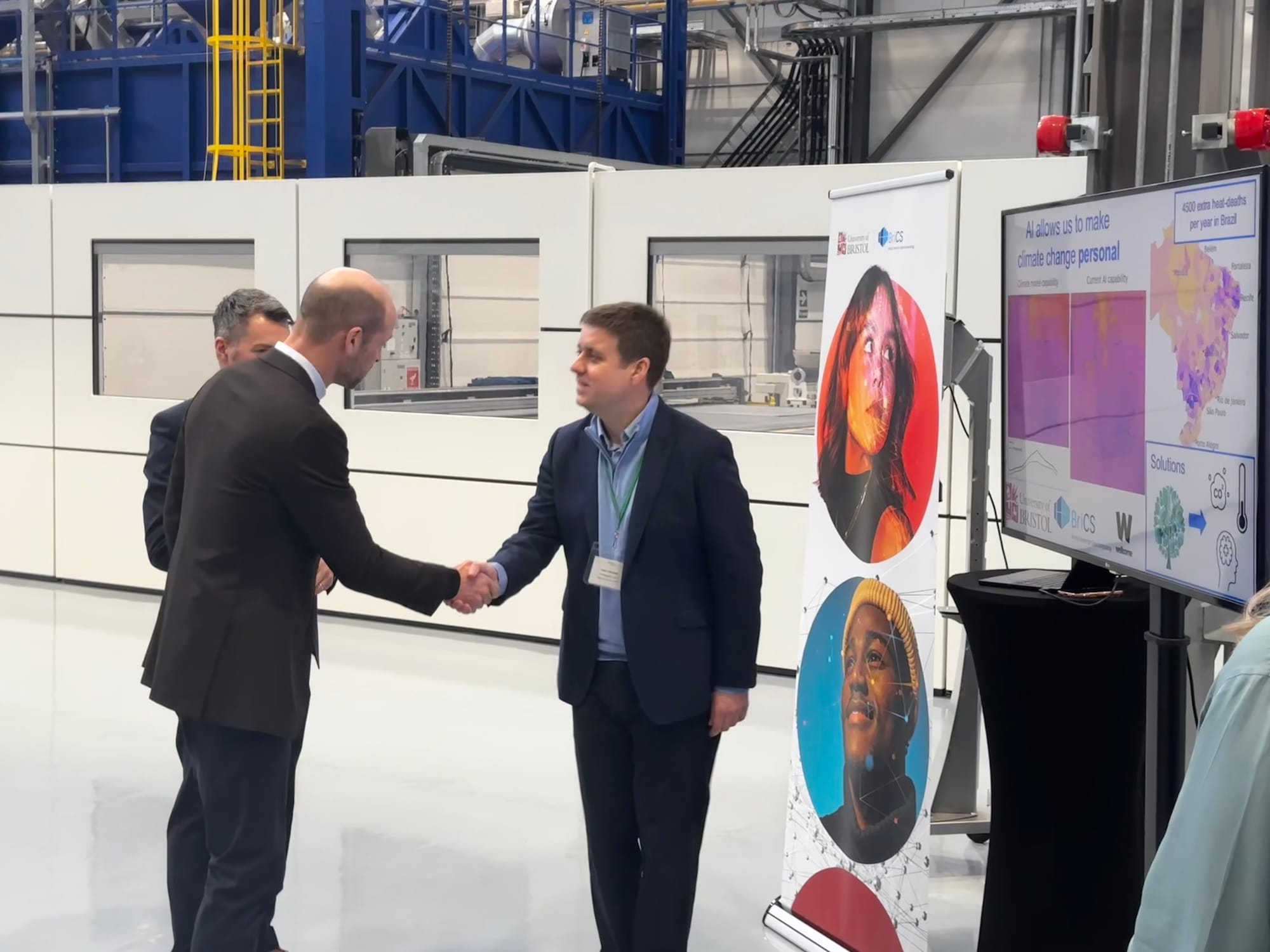
Dann Mitchell, Professor of Climate Science at the University of Bristol, simulated a heatwave over Kensington Palace to show how Isambard-AI can predict weather conditions better than what was previously possible. Despite the enormous power needed, the technology can be managed from Isambard-AI using a laptop. William also learned from Bristol researchers how the AI has helped develop drugs that combat heart disease.
While the NCC is owned by the University of Bristol, it is operationally independent. Jo Dally, Chief Business Officer at NCC, told Epigram that the Centre ‘exist[s] to pull [...] excellent research from the University of Bristol and turn that into industrial impact.’
The NCC have three sectors of focus: energy, aerospace, and defence. Everything from plane wings to turbine blades and solar-powered drones are developed in the facility.
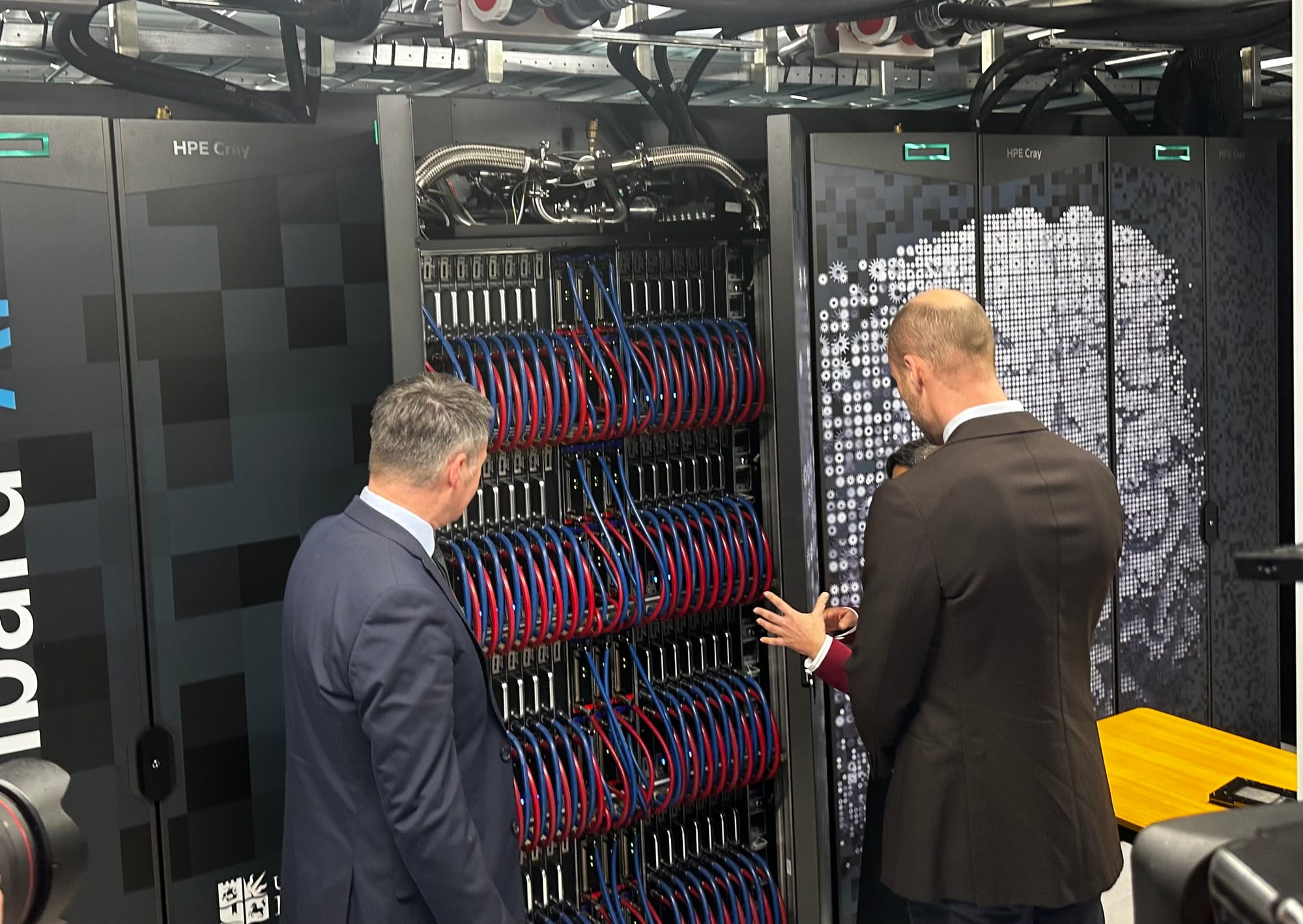
At the end of his visit, director of BriCS, Professor Simon McIntosh-Smith, and Dr Sadaf Alam, from the University of Bristol, showed Prince William the Isambard-AI computer. Housed in a separate building adjacent to the NCC facility, the computer looks more like an electrical sub-station than a traditional computer.
Dr Jo Dally said: ‘Hosting Isambard-AI gives us the opportunity to connect world-class research with industrial applications. By harnessing this transformational capability, we can help companies scale, support industrial growth, and continue to ensure UK competitiveness.’
Wondering how and if students could use Isambard-AI's capabilities, Professor Simon McIntosh told Epigram that ‘there are already hundreds of researchers and postdocs running on [Isambard].’ Undergraduates taking Computer Science get the opportunity to use Isambard-AI on the High-Power Computing module, and there are plans for an undergraduate Artificial Intelligence specific course.
Reflecting on the engagement, Professor Evelyn Welch told Epigram that ‘it was a brilliant visit. We were delighted to have His Royal Highness come see the NCC and to see how the university and industry work together.’ She said that William was ‘a perfect guest; he was curious, interested, [and] wanted to know lots about our approach to climate change and sustainability and manufacturing.’ The Prince, Ms Welch said, ‘finished by saying he now knows where to send George when [he] can’t do his homework.’
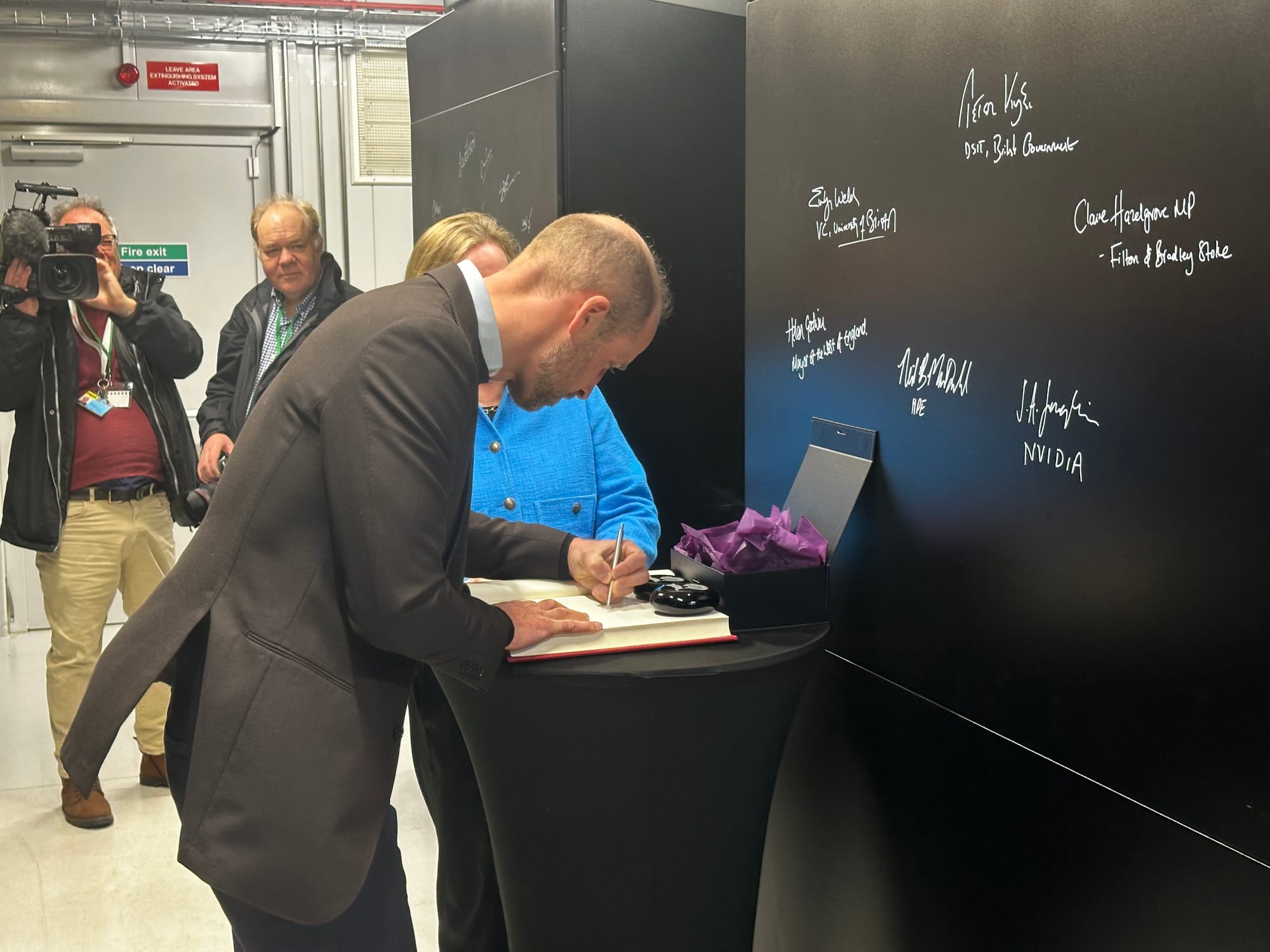
Visiting Isambard and the team behind it at the NCC wasn’t the only engagement Prince William had in Bristol today. Earlier, he visited Matter, a Bristol-based firm that develop sustainable water filtration systems. The company were finalists at the 2025 Earth Shot Prize, a competition founded by the Prince of Wales that highlights sustainable innovation. Later, Prince William visited the Bristol Robotics Laboratory at UWE’s Frenchay Campus. The lab is a joint venture between UWE and the University of Bristol, which supports hundred of academics, researchers, students, and entrepreneurs in Bristol.
Professor Judith Squires, Deputy Vice-Chancellor and Provost of the University of Bristol, said: ‘Our long-standing partnership with UWE Bristol through the Bristol Robotics Laboratory exemplifies the strength of collaboration across the region, bringing together world-class research, cutting-edge facilities and outstanding talent to drive innovation that genuinely changes lives.’
 Aimee Anderson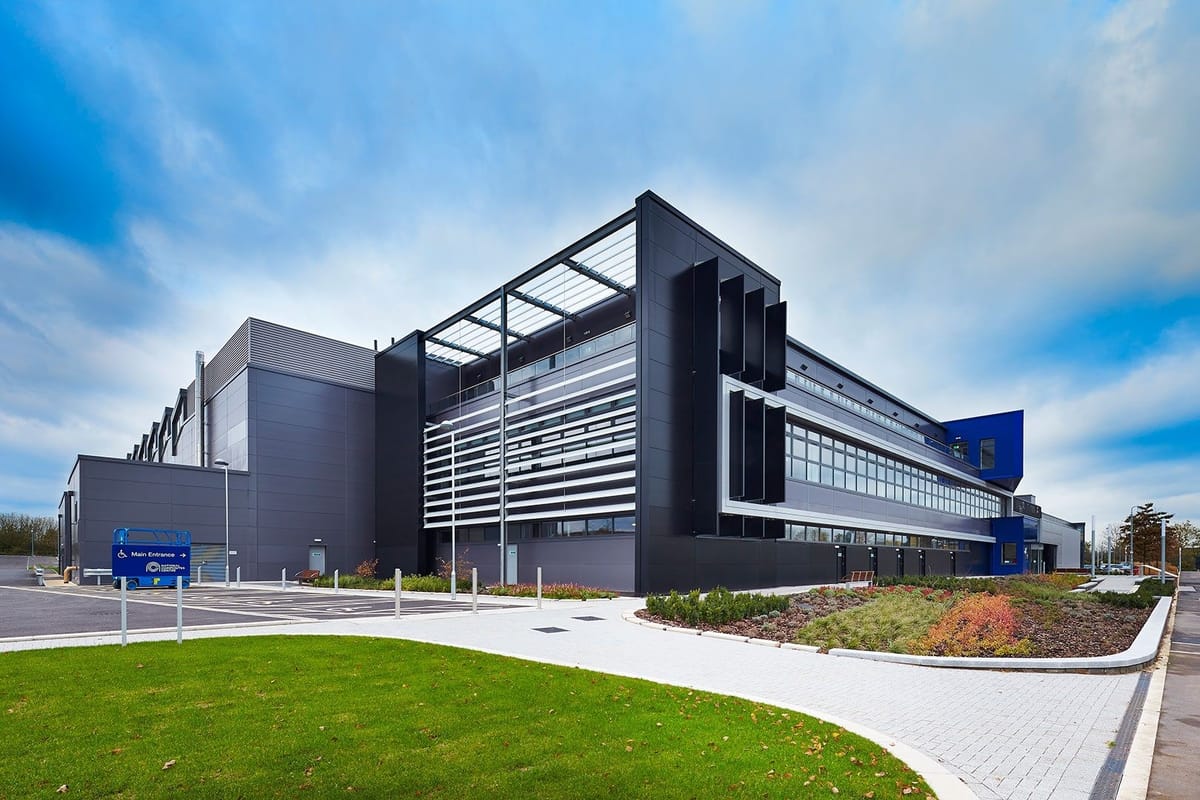
 Arthur Clinton
The breadth of research and innovation the Prince of Wales was shown demonstrates the University of Bristol’s desire to be at the forefront of technology not only in the UK, but also the world. The University have been clear that they want to be world leaders in AI, and, according to their website, Isambard-AI is ‘just the beginning’.
Featured image: Flickr / Kensington Palace