By Megan Oberholzer, Fourth Year, Liberal Arts
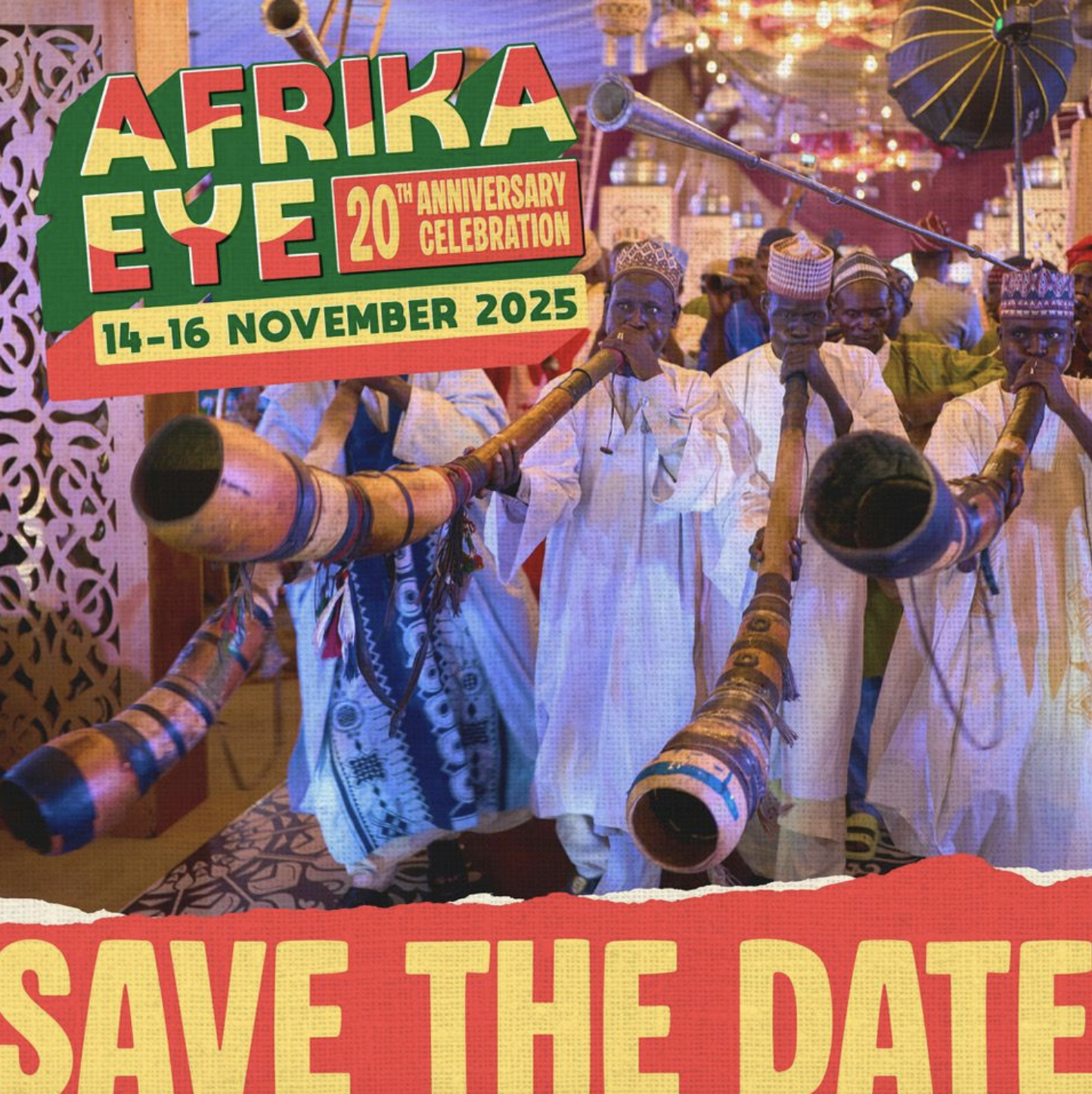
The Afrika Eye Film Festival 2025 is bringing back some of their most powerful and moving films for their 20th Anniversary weekend from November 14th-16th, alongside three new showcases of never-before-seen works from all over Africa.
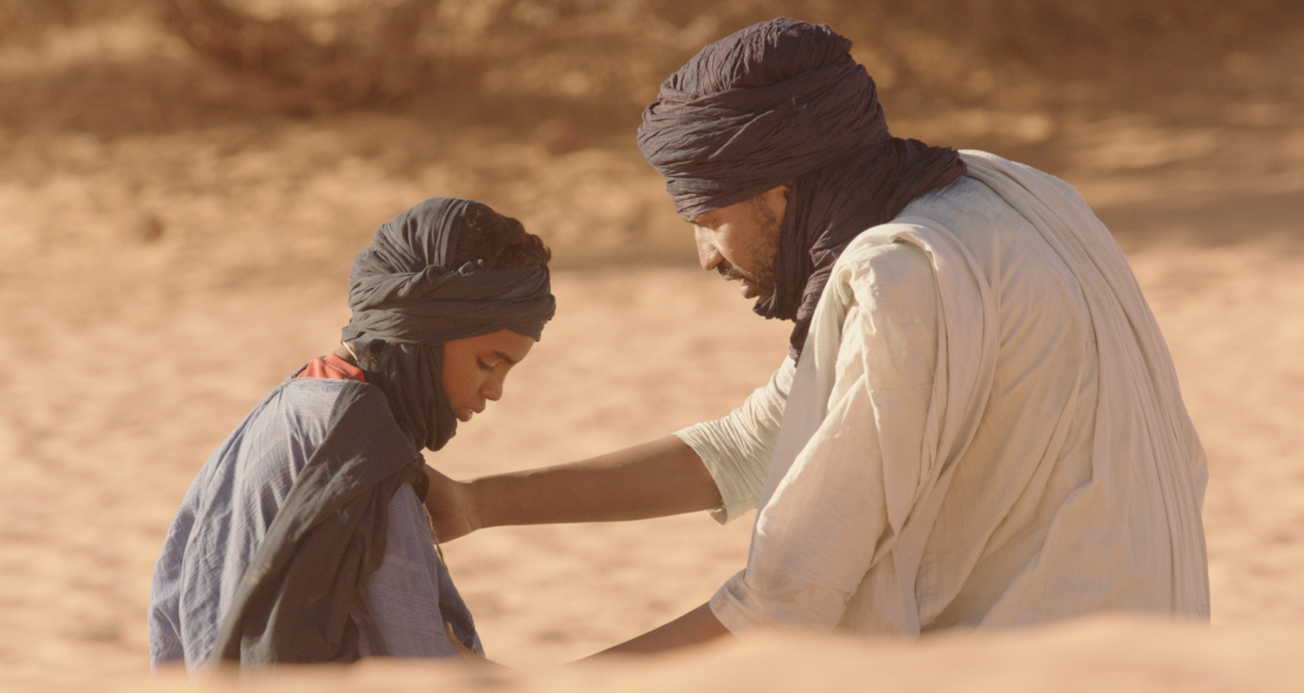
Returning this year are films like the Kenyan lesbian love story, Rafiki (2018) directed by Wanuri Kahiu and first screened in Bristol in 2018 and Timbuktu (2014) directed by Abderrahmane Sissako which was first screened in 2014. Each film will be followed by Q&As where topic specialists and filmmakers will share their expertise with the audience. Some films even have special demonstrations, introductions and other surprises all building towards an unmissable event.
Professor Jacqueline Maingard, who has been involved with the festival for over 10 years and is a co-director and curator, offered her insight:
‘The Afrika Eye Film Festival brings films to audiences in Bristol that they wouldn’t otherwise see (although it is good to see a lot more African films on the screen these days) […] The festival showcases really significant and important films, and opens our understanding of Africa, not just as a continent.’
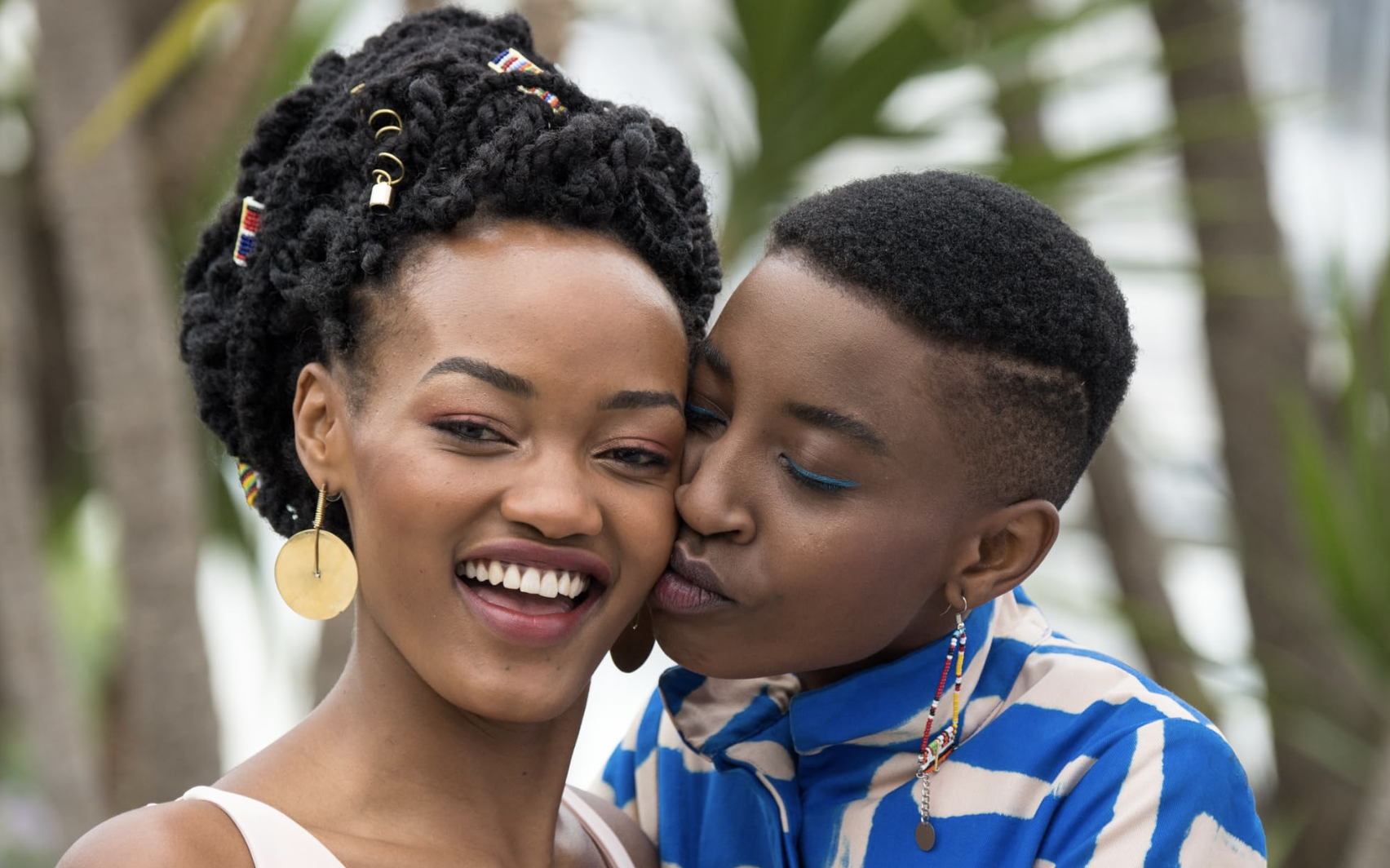
Professor Maingard highlights that this event has ‘a role to play in social transformation,’ and nowhere was this more potent than the screening of Rafiki in 2018. The film brought in an unforgettable audience with a great mixture all kinds of people, including and especially the Lgbtq+ community, who saw themselves in a story set in a culture that was unfamiliar to them. This year, the festival is hoping to recreate the magic in its opening screening on Friday 14th November.
Two of the greatest strengths of the Afrika Film Film Festival is its ability to give access to African films and its cultural specificity. In this years line up, you will find films from South Africa, Mozambique, Senegal, Zimbabwe, Nigeria and more, each giving their own unique insight into nations, cultures and histories.
As someone with a dual British and South African nationality, I can’t understate the opportunity of access that the Afrika Eye Film Festival offers. One of the greatest barriers to connecting with my own native country and learning about its history, culture and people is the shear difficulty of finding an entry point into South Africa’s media and arts scene from the UK. This issue only compounds when all African cultures and nations are considered.
For those seeking a deeper knowledge of Africa, this year’s festival is the best place to start.
But don’t just stay for the film, stay for the Q&A. Each Q&A will be unique to each film. Topic experts and filmmakers in attendance will give important historical and cultural context, and perhaps raise things viewers might not have seen in the films.
Professor Maingard notes their importance; ‘You are not watching any old film. They can be difficult. But the Q&As can help process the pain within some of these films.’
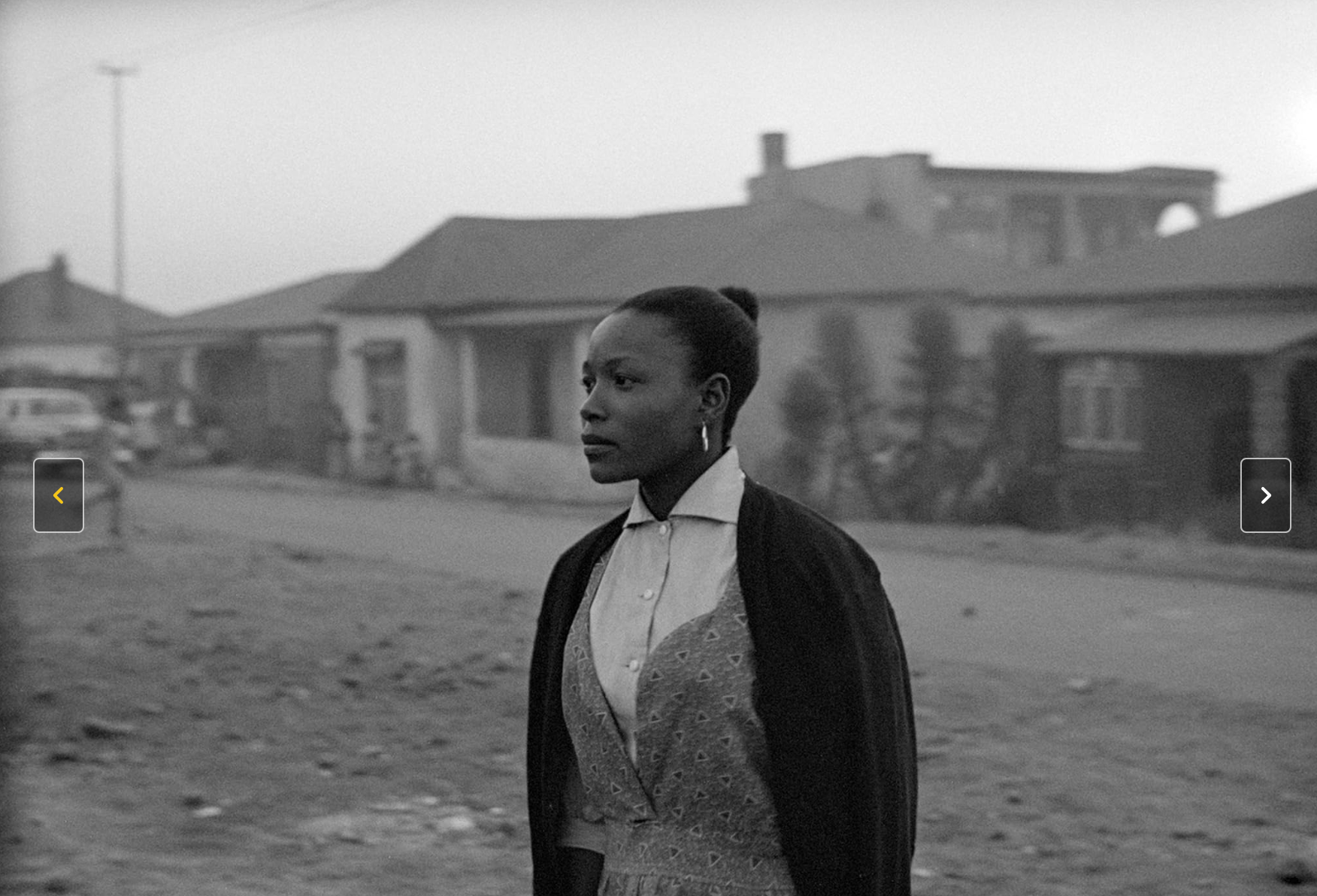
Each event may have additional special surprises on offer, especially Come Back Africa (1959) directed by Lionel Rogosin, where audiences will have the opportunity to sample South African wine and experience a medley of Xhosa singing, first popularised by Zenzile Miriam Makeba’s ‘Click Song’ (‘Qongqothwane’, which is pronounced with Xhosa click consonants) from the 1960s.
If you would like to attend, full details and tickets can be found on the Afrika Eye Film Festival website: www.afrikaeye.org.uk.
Featured Image: Afrika Eye / Pam Beddard
What are you looking forward to most at Afrika Eye 2025?