
By Ivor Starkey, Community Deputy Editor
The various insults and stereotypes hurled at students are as numerous as they are ubiquitous. In the media and in common discourse alike, universities are seen as a breeding ground for lazy, privileged and entirely unprepared for the struggles and burdens of everyday life. If some are to be believed, our universities are the source of left-wing propaganda and deranged woke ideals.
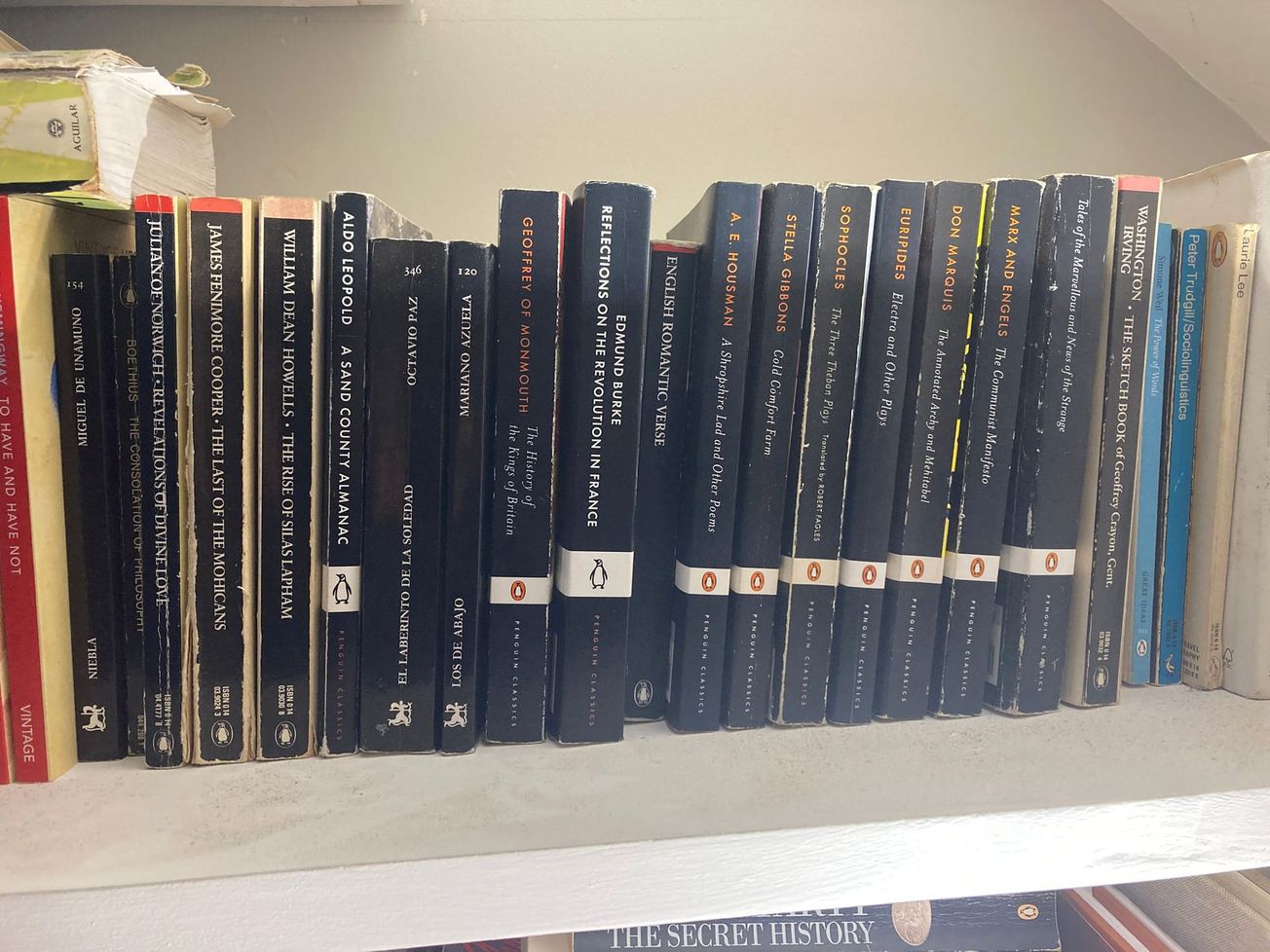
But, of course, this stereotypical image is defunct: not only I have met at least one or two students who don’t fit that description, there’s also much to be said in praise of our aloofness from the rest of society. In fact, the vices that students are accused of are our greatest virtues. To discover why we must turn to the works of Octavio Paz, the Mexican thinker and poet, in whose essay 'Olympics and Tlatelolco,' he reflects on the unique status of university students – a role that could explain why they provoke such vitriol in other parts of society. He writes:
'During the long years in which young men and women are isolated in schools of higher education, they live under artificial conditions, half as privileged recluses, half as dangerous irresponsibles.'

Whilst away at university, a society’s youth - be that Mexico, Britain, or any other modern nation - discover the limitations of that same society, and of the myths it tells itself. For the students murdered by the Mexican army in 1968, that myth was that of the Mexican Revolution and its emancipatory ideals. For us in 21st century Britain, the great lie might be that of the social contract, now consigned to history. For our parents and grandparents, the assumption was that if you went to university, a good job and cushty life would be waiting for you on the other side. The government was there to better the life of its citizens, and not oversee decline. Nowadays, when a student graduates and enters society, there is no guarantee that their life will be better off for having gone, or that their life or that of their children will be improved.
Paz described the University as being, for students, 'an anticipation of their future alienation.' Having a moment to study, reflect, and criticise before beginning a career allows students to see modern life for what it is - abundant, yet lonely, fragmented and sick. Upon discovering that 'men are fragmented and separated by modern society' students come across the irresolvable contradiction of being 'real beings in an unreal world.' Universities are criticised by students for separating them from the real, collective life outside, and for essentially preparing them for the solitude to come.
'We study and work, only to enter a world in flux, which promises us very little in return for our efforts.'
If we look across the history of student protests, from the global revolts of the 60s, to the more recent demonstrations in support of Palestine, one can spot an overarching theme. Students demand that modern, technological society be coherent, that it makes sense, that it changes for them. Yet that is exactly what it cannot do, for by enforcing an ‘equanimous lack of anxiety’ to control the passions of those who live in it, the modern world stubbornly refuses to change. Students know that the way of life they are being readied for is deficient; that 'it has given us more things but not more being.' We study and work, only to enter a world in flux, which promises us very little in return for our efforts.
The University prevents students with a paradox – it is a laboratory that prepares young people for the world of work, for ‘real life’. Because of this, universities are criticised and held accountable for their complicity in the alienation and fragmentation of the modern world. And yet, at the same time, universities offer us a place to reflect and encounter radical ideas. They are some of the few places where countercultural movements are encouraged and allowed to thrive. Without them, the loneliness and confusion of the modern world would only be more pernicious. In Paz’s words again:
'For the first time since the philosophy of progress grew from the ruins of the medieval universe, the young are questioning the validity and meaning of the very principles that underlie the modern age.'
 Sasha Ramtohul-Akbur
So when students - and their places of study - are slandered for being set apart, or unprepared, or overly rebellious, it is because they have recognised the ways in which modern life is insufficient and they rightly reject it. Universities are not by any means sanctuaries, and the outside world – the world afterwards - is not devoid of all hope. But then again, despite the criticisms and doubts of my peers, I still feel extraordinarily lucky to have the opportunity to be a student. In the words of Paz: 'De soledad a soledad, yo prefiero la de aquí, en la que siento más libre.' Between one loneliness and another, I prefer this one, where I feel freer.
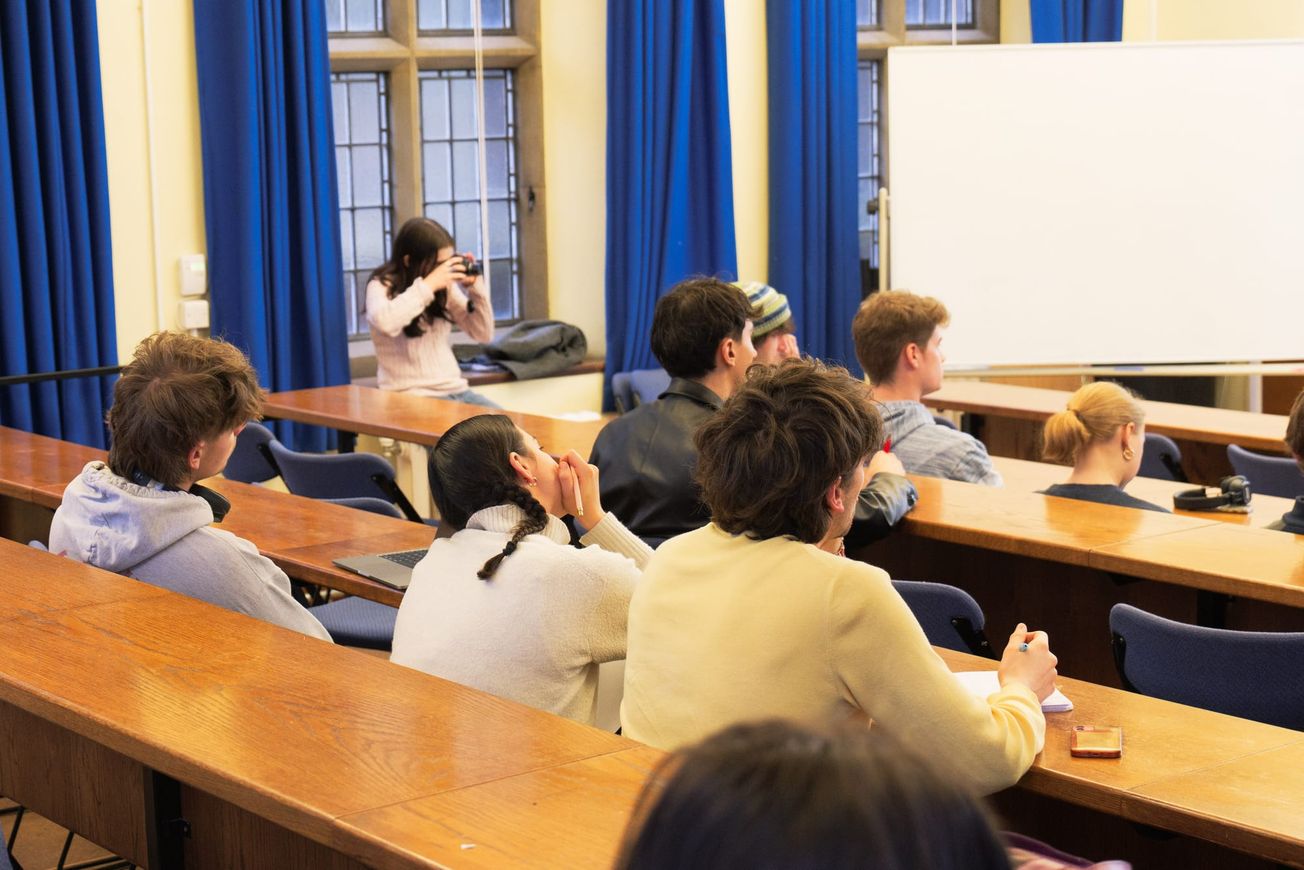
Featured image: Epigram / Ivor Starkey
What's your take on student aloofness?







)