By Charles Hubbard, second year, Theatre and Film
Paul Thomas Anderson’s secret sauce as a filmmaker has always been his sense of fun. While many other auteurs of his stature tackle similar themes to him, almost all of them do it with a po-faced self-seriousness. It’s as if, when a director reaches a certain level of reputation, they have to trade in the vim and vigour of their earlier fare for a kind of elder statesman grit that makes each successive film feel more and more like a history lesson. PTA has no time for this kind of thinking. Even his darkest and most intense features like The Master (2012) and There Will Be Blood (2007) are disarmingly silly at times in a way that defies their studio pre-packaging as serious, awards-friendly historical epics.
One Battle After Another is no different. Equal parts uproariously funny and genuinely upsetting, PTA’s most recent film walks an intensely difficult tonal tightrope between scenes of heightened farce and unflinching visions of our sinister present with the skill and confidence of Simone Biles and ends with a perfect ten-point finish. Very few films of the last decade have so explicitly acted as a political rallying cry and I suspect none have done so with such sincerity and sure-footedness.
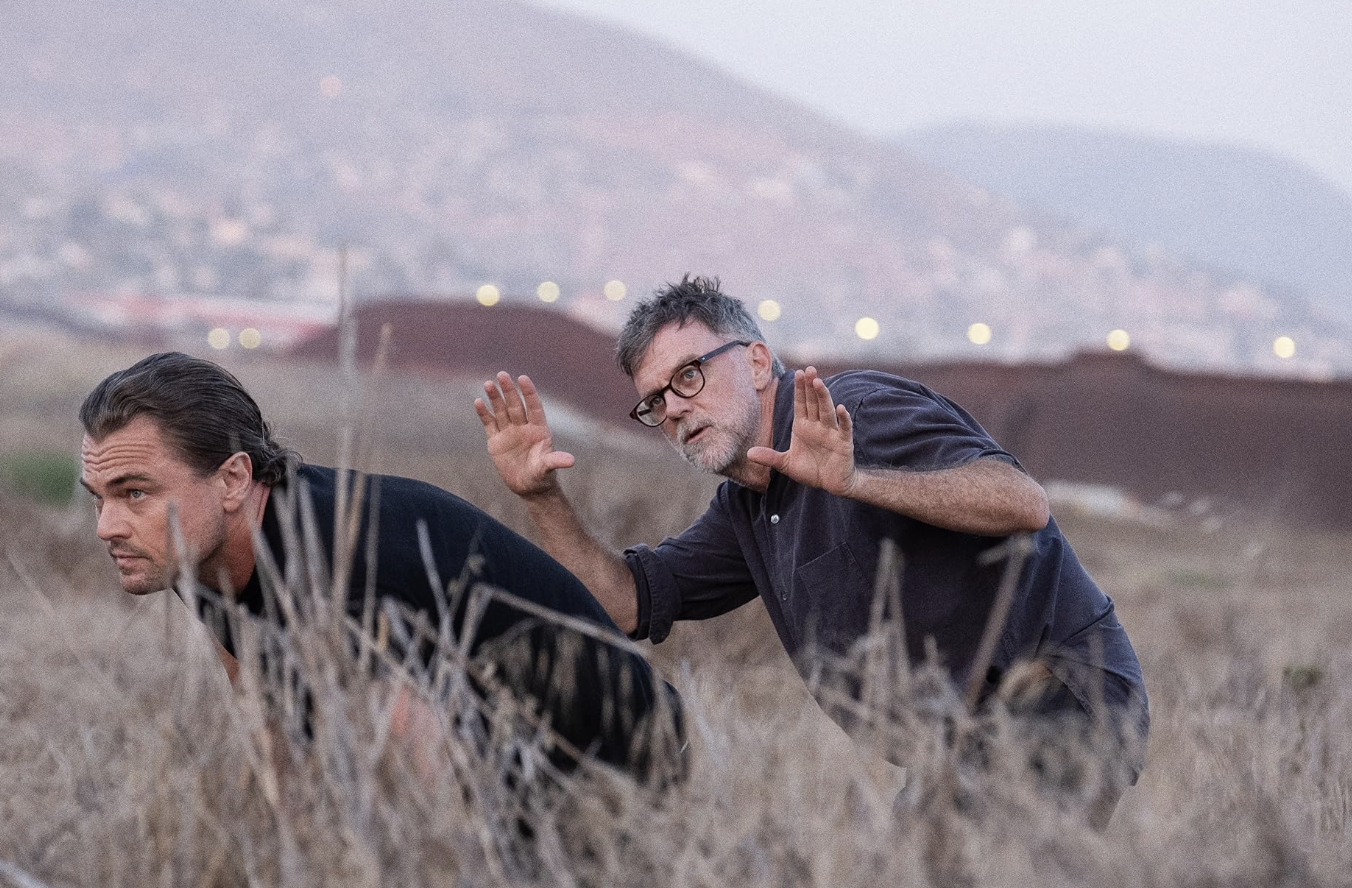
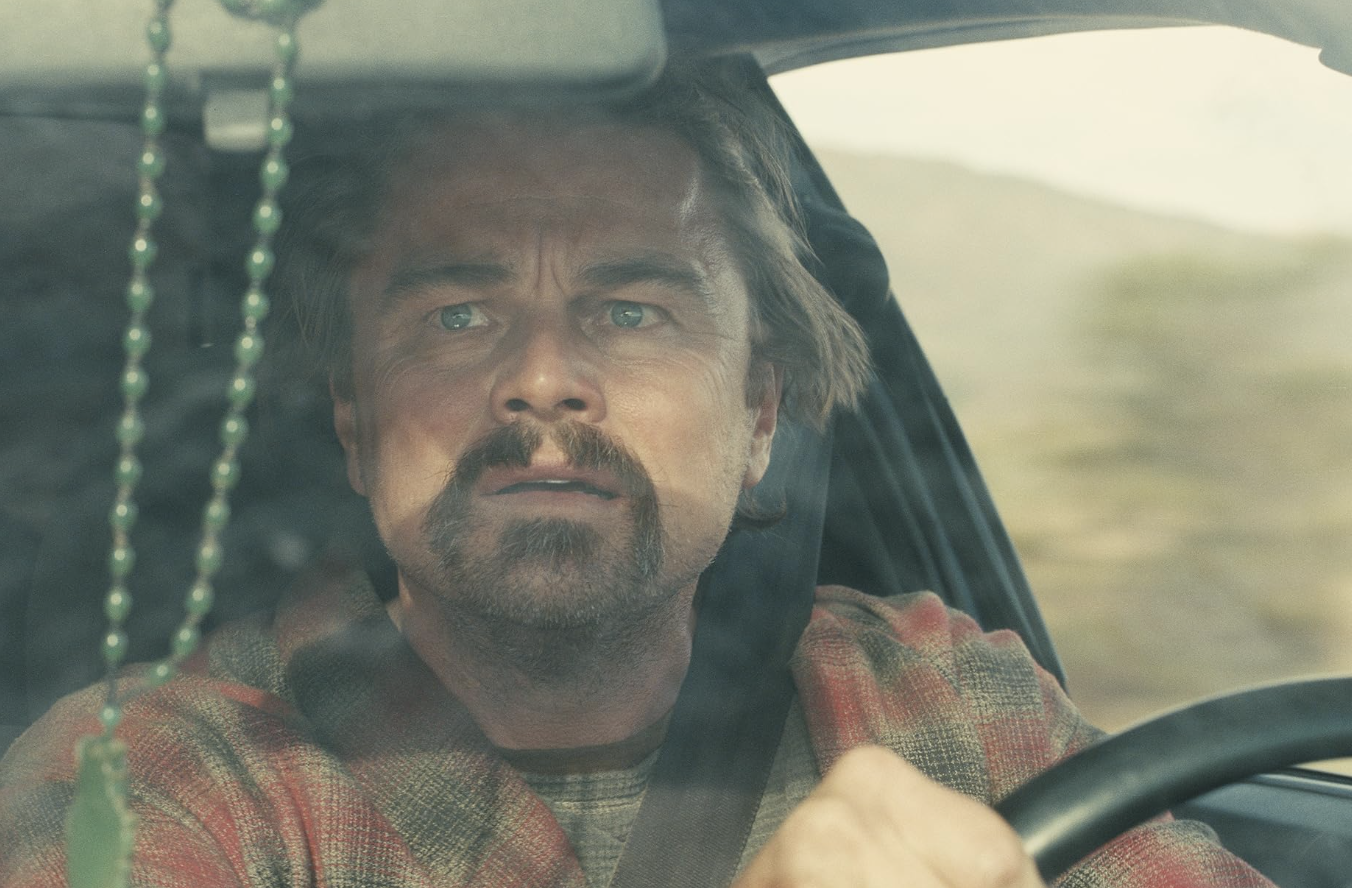
Lesser-known newcomer Leonardo DiCaprio stars as starry-eyed revolutionary Pat Calhoun, who is forced to adopt the name Bob Ferguson when forced into hiding after a bomb plot goes wrong. Sixteen years later, he is an over-emotional, washed-up mess constantly surrounded by a cloud of weed smoke and desperately trying to care for his daughter Willa (actual newcomer Chase Infiniti) to the extent that he fails to realise that she’s become entirely self-sufficient while his back was turned.
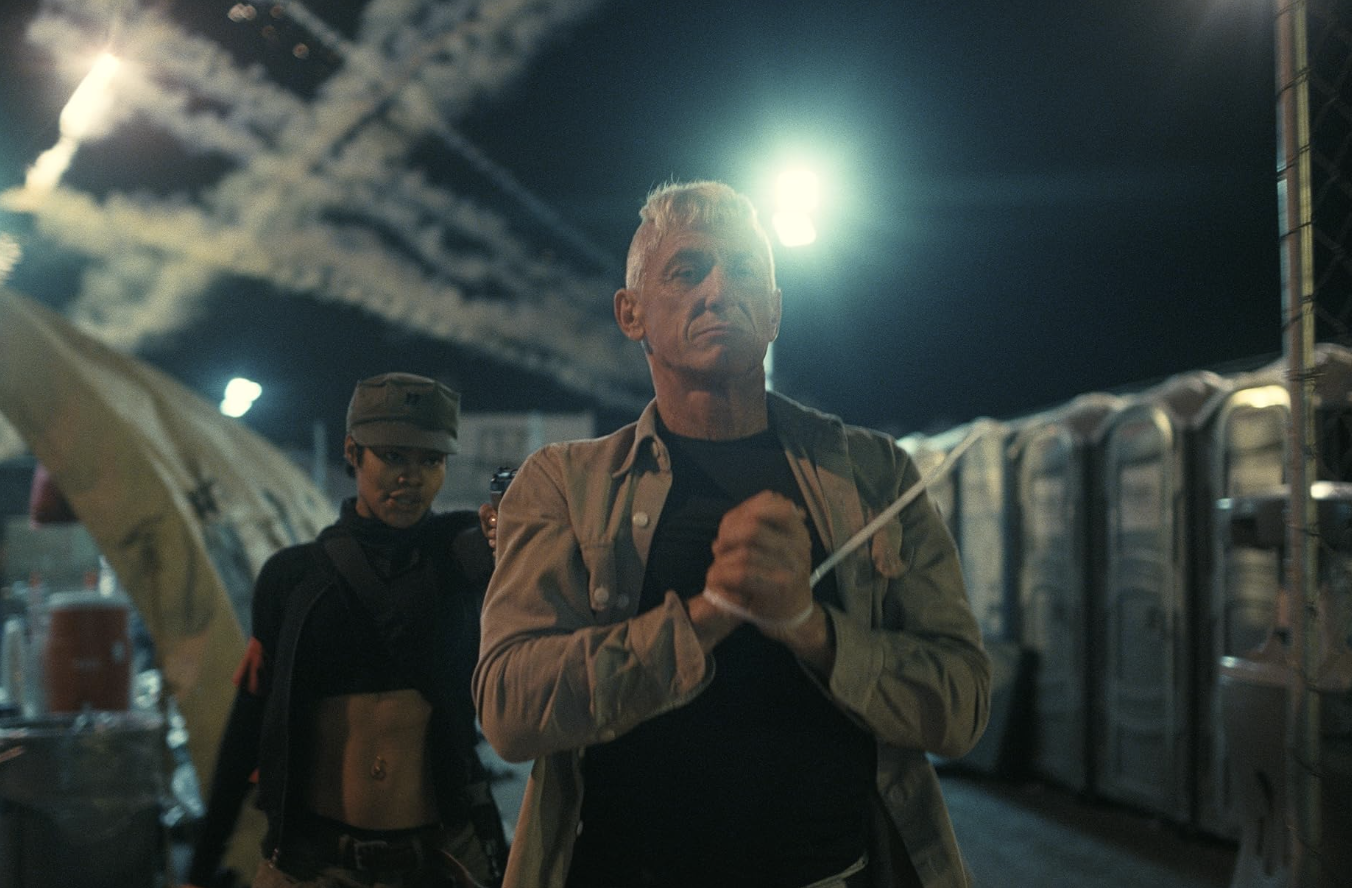
After the psychotic Colonel Lockjaw (a career-best Sean Penn) makes a threat on his daughter’s life, Bob is thrust back into the fray to fight for his daughter’s life, despite the fact that his nerves are so fried he can never remember what time it is, let alone how to set off a bomb. What could be dismissed as “quirky, arthouse Taken” in the hands of a lesser director is instead the perfect film for our times - but never in a way that feels preachy, ham-handed or overly showy. The political satire and images of immigration detention centres are so intensely timely, you’ll be willing to believe that PTA somehow developed, wrote and shot the whole film exclusively in the last six months.
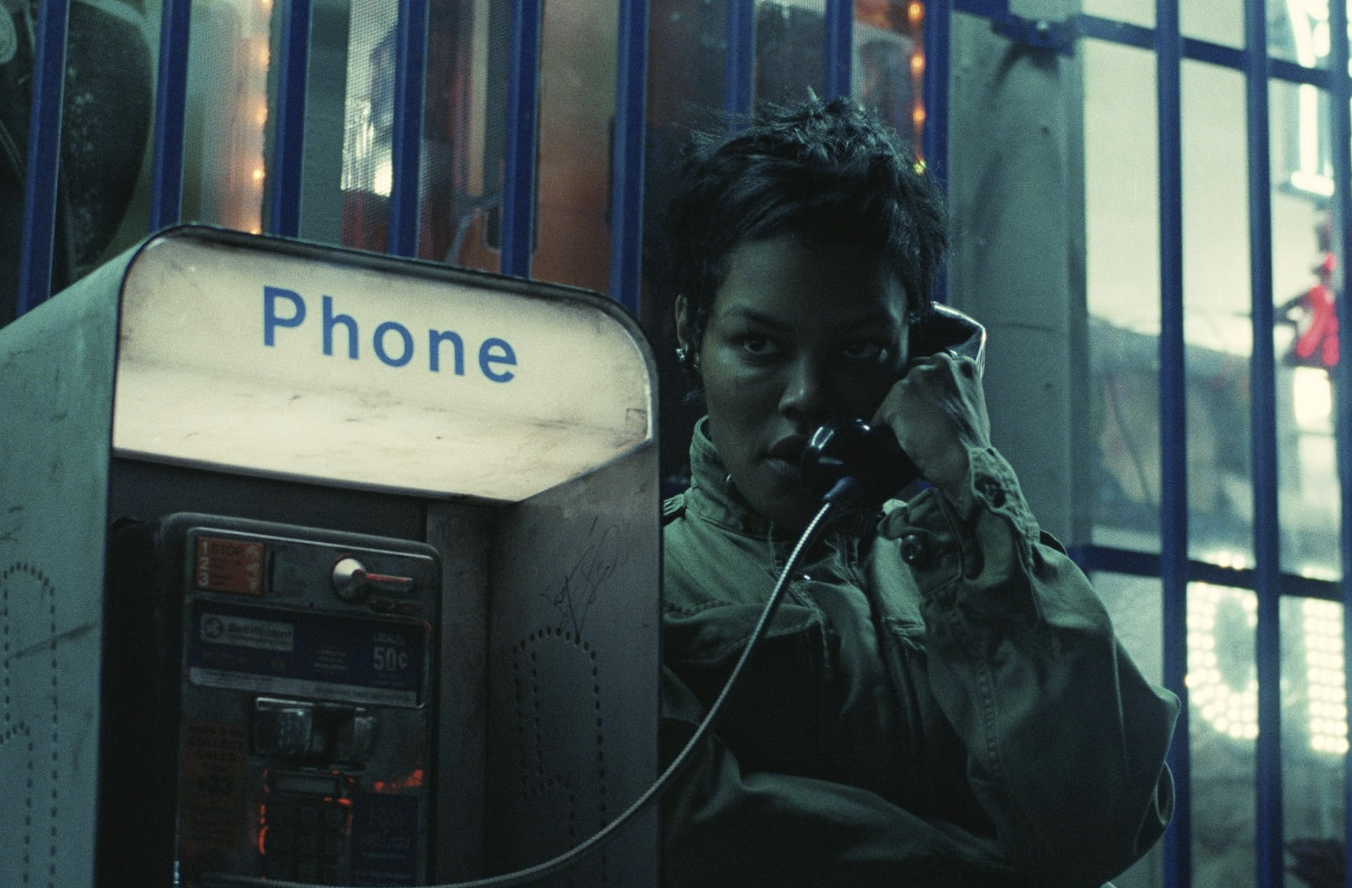
The relentlessly enduring starpower of DiCaprio is probably the only reason that this film got greenlit at the budget level it did (somewhere between $130 and $175 million depending on who you ask), especially considering PTA’s notoriously weak box office track record. Because of this, it might be easy to dismiss his presence entirely as star casting and ask why a former heartthrob who’s so infamously unwilling to embrace his age in his personal life is being cast as a schlubby, out-of-shape dad. On the contrary, the role fits DiCaprio like a glove. He’s always been best suited to playing little boys who desperately want to be taken seriously and yet are dismissed by everyone around them. This makes him perfect for a well-intentioned but whacked-out lefty who married into a revolution and is constantly pigeonholed into being “the diversion guy”. Infiniti, who spends the entire film in a black leather jacket and flowing blue skirt, is so clearly our next great movie star that I wouldn’t be surprised if several major studios aren’t currently in a bidding war to get her under contract for their next tentpole blockbuster. PTA makes the case that Willa and her friends are in fact better than the generations of revolutionaries that went before them and Infiniti’s bravura performance supports this assertion that the future is indeed in safe hands.
Much will be said about the film’s very overt political messaging. While telling a story centred around radical left-wing freedom fighters is certainly never going to make for political Teflon, PTA leans into controversy at every turn in a way that dovetails perfectly with the fearlessness of his protagonists. He never resorts to neoliberal clapbacks, rarely seems worried about stepping on the toes of more centrist audience members and refuses to patronisingly dismiss his characters as ‘noble but misguided’ as so many other films of this ilk seem obligated to do. He smartly eschews making any direct references to contemporary politics, knowing that the fight against unbridled militarism and ethnic purity isn’t a new thing, just that a veneer of niceness and respectability has been removed ever since a certain president took office.
PTA’s representation of the Christmas Adventurers (yes, that is their actual name), the organisation of besuited white supremacists that Lockjaw vies to be a part of is perhaps the film’s single biggest hurdle and its greatest triumph. PTA paints these characters as both terrifyingly evil and utterly buffoonish, a balance that has foxed even the most gifted of directors (Quentin Tarantino with his depiction of Nazis and slave owners chief among them). The film is a-laugh-a-minute but PTA knows the risk of not taking this particular brand of monsters seriously and shows just how far-reaching their insidious influence can be, even if they don’t have two brain cells to rub together.
The film is 170 minutes long, cost $170 million and has about 170 moments where you will want to get up and cheer. PTA has once again topped his incredibly high standard, stepping into the foray of explicitly political filmmaking for the first time. And, if One Battle After Another is any indicator, this is where he should stay. We need more films that fully utilise cinema's power as a radicalising medium. Bonus points if they’re made by our finest living American director.
Featured Image: Warner Bros. Pictures/ IMDb
Do you believe One Battle After Another is a film for the ages?