
By Beth Nugent, Third Year, Film and Television
Early Friday morning, it was reported that Netflix had acquired Warner Bros. for an estimated $82.7 billion, including a $5.8 billion break-up fee. This means that one of the big five studios is now owned by a streaming service, so what does this mean, and how did it happen?
This move comes after Warner Bros. unveiled its plan to separate its business into two publicly trading branches. The first branch, ‘Streaming & Studios’, will include Warner Bros. Television, Warner Bros. Motion Picture Group, DC Studios, HBO, and HBO Max, as well at the full library of its films and TV shows. The second branch, ‘Global Networks’, holds CNN, sports and entertainment channels. This was done in an effort to maximise each branch's potential.
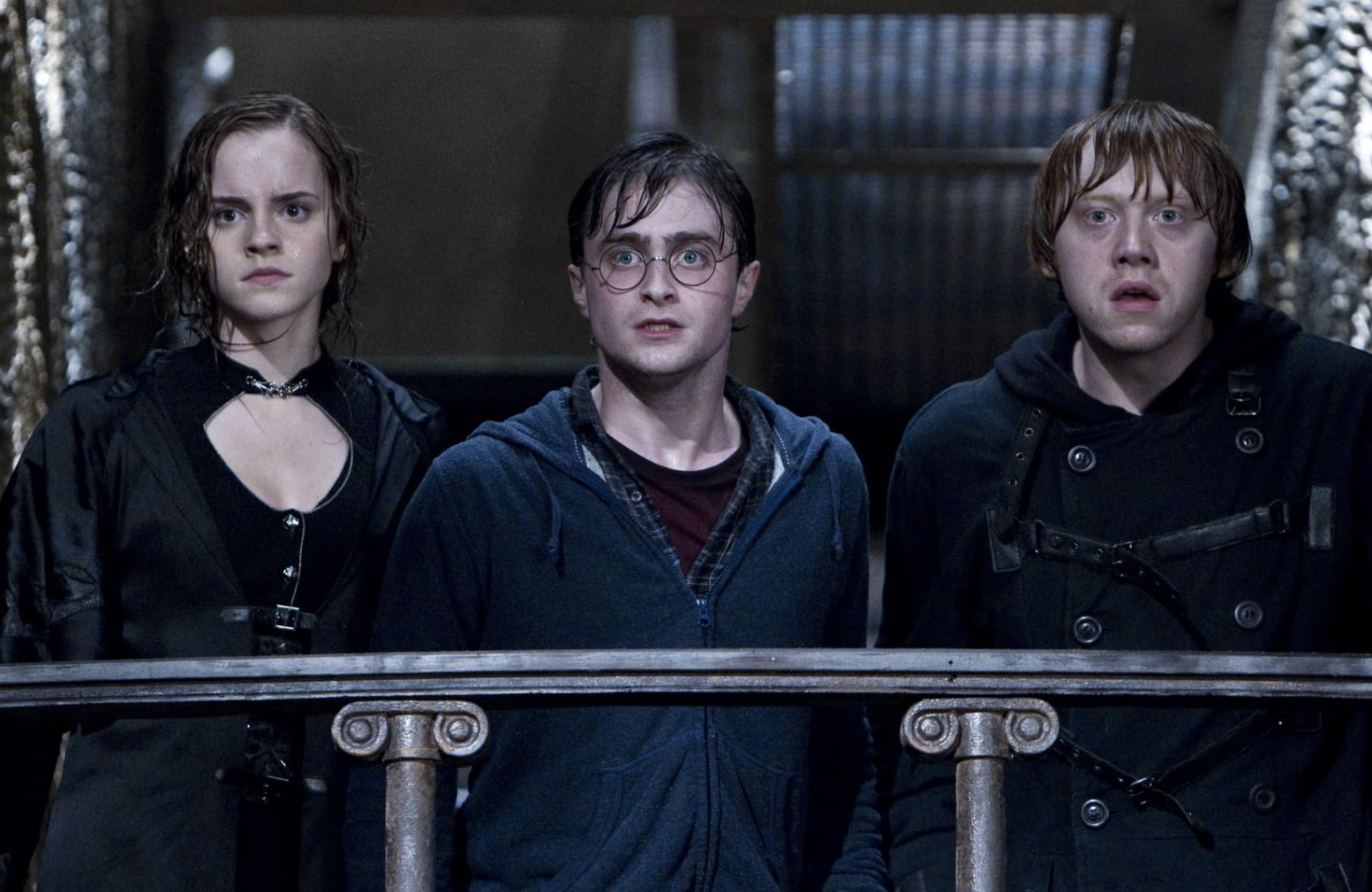
With this move, titles like Harry Potter (2001 - 2011), The DC universe, Game of Thrones (2011-2019) , Euphoria (2019- ) and Friends (1994-2004) are all now owned by Netflix. This presents an unprecedented amount of access to major titles, fully securing Netflix as the winner of the streaming wars. Netflix Co-CEO Ted Sarandos released a statement saying that with this deal, ‘Together, we can give audiences more of what they love and help define the next century of storytelling.’
But many people are fearful of this deal, and understandably so. With this acquisition, Netflix is controlling a large majority of Hollywood’s output and destroying its competitors in the process. Bank of America analyst Jessica Reif Ehrlich said that:
‘Ultimately, an acquisition may be existential for both Paramount Skydance and [Comcast’s] NBCUniversal, and therefore, aside from potential direct financial benefits, an acquisition by Netflix could potentially be killing three birds with one stone – as WBD would be housed within Netflix and Paramount Skydance and NBCU/Peacock would, in our view, have difficulty remaining competitive’.
Theatres echoed the same apprehensive sentiment, with the theatre owners group; Cinema United issuing a statement claiming that ‘The negative impact of this acquisition will impact theatres from the biggest circuits to one-screen independents in small towns in the United States and around the world.’
The CEO Micheal O’leary added onto this, warning that ‘Netflix’s stated business model does not support theatrical exhibition. In fact, it is the opposite. Regulators must look closely at the specifics of this proposed transaction and understand the negative impact it will have on consumers, exhibition and the entertainment industry.’
This comes at a time when theatres are still desperately trying to recover from the aftermath of the COVID-19 pandemic, and the death of the cinemagoer is ever-present.

It isn’t just theatres and studios that are speaking out against this deal; even the Directors Guild said that they have ‘significant concerns’ and the Writers Guild attempted to block the deal, noting that it ‘would be a disaster for writers, for consumers, and for competition.’
But, this deal isn’t safe yet; it still could come under the scrutiny of the Antitrust law. This law is in place to ensure no company has a monopoly that creates an unfair and uncompetitive market. Instead, it promotes diversity and creativity between companies. Senator Elizabeth Warren of Massachusetts implored Trump to enact the anti-trust laws, claiming that:
‘A Netflix-Warner Bros. would create one massive media giant with control of close to half of the streaming market — threatening to force Americans into higher subscription prices and fewer choices over what and how they watch, while putting American workers at risk.’
If this anti-trust law were to be enacted, Warner Bros., would still walk away with the $5.8 billion break-up fee, giving them a boost to keep afloat for a while longer.
Whatever happens, this is a step into a new age of cinema. What happens now that a streamer controls one of the Big five? We could see a sharp decline in theatrically released movies after the current Warner Bros. theatrical release schedule is completed (this is up until 2029).
 Charles Hubbard
With any acquisition, there is always the risk of job redundancies, which is what many of the major guilds in America are concerned about. On the brighter side, however, those with Netflix accounts will have unprecedented access to the Warner Bros. filmography.
But, it’s only a matter of time before we find out if the decline of the Hollywood studio system was the price we were willing to pay for Friends to stay on Netflix…
Featured Image: Silas Lundquist / Unsplash
Are you concerned about Netflix's acquisition of Warner Bros.?