By Daniel Rafferty, First Year, Maths and Philosophy
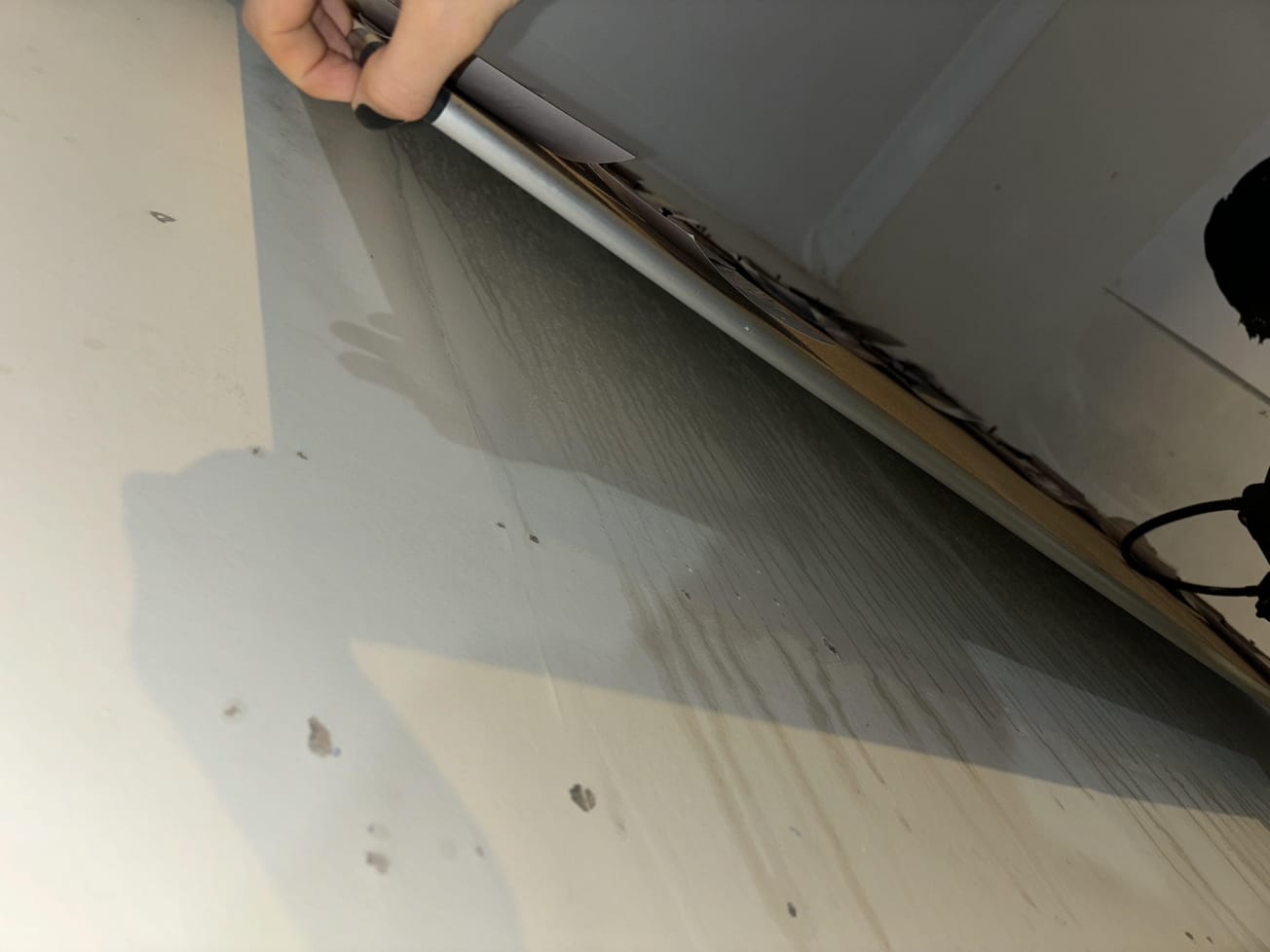
When Luka, a fourth year Medical Biochemistry student discovered a growth of black mould behind his pinboard, he thought that it would be an easy fix. What followed was a lengthy war of attrition with his landlord over what seemed to be as simple as a dehumidifier.
Trying to find affordable, high-quality student housing in Bristol has become an unwinnable battle – in the most expensive UK housing market outside of London, 75% of students have experienced mould, 20% have had a ‘very negative’ experience with landlords, and 31% say that the condition of their housing has had a ‘significant negative impact’ on their university life. Max Whielton, writing for the Intergenerational Foundation, claims to have paid ‘£8,400 for a mice-infested, six-person flat and £9,000 for a room in a mouldy, crumbling house’.
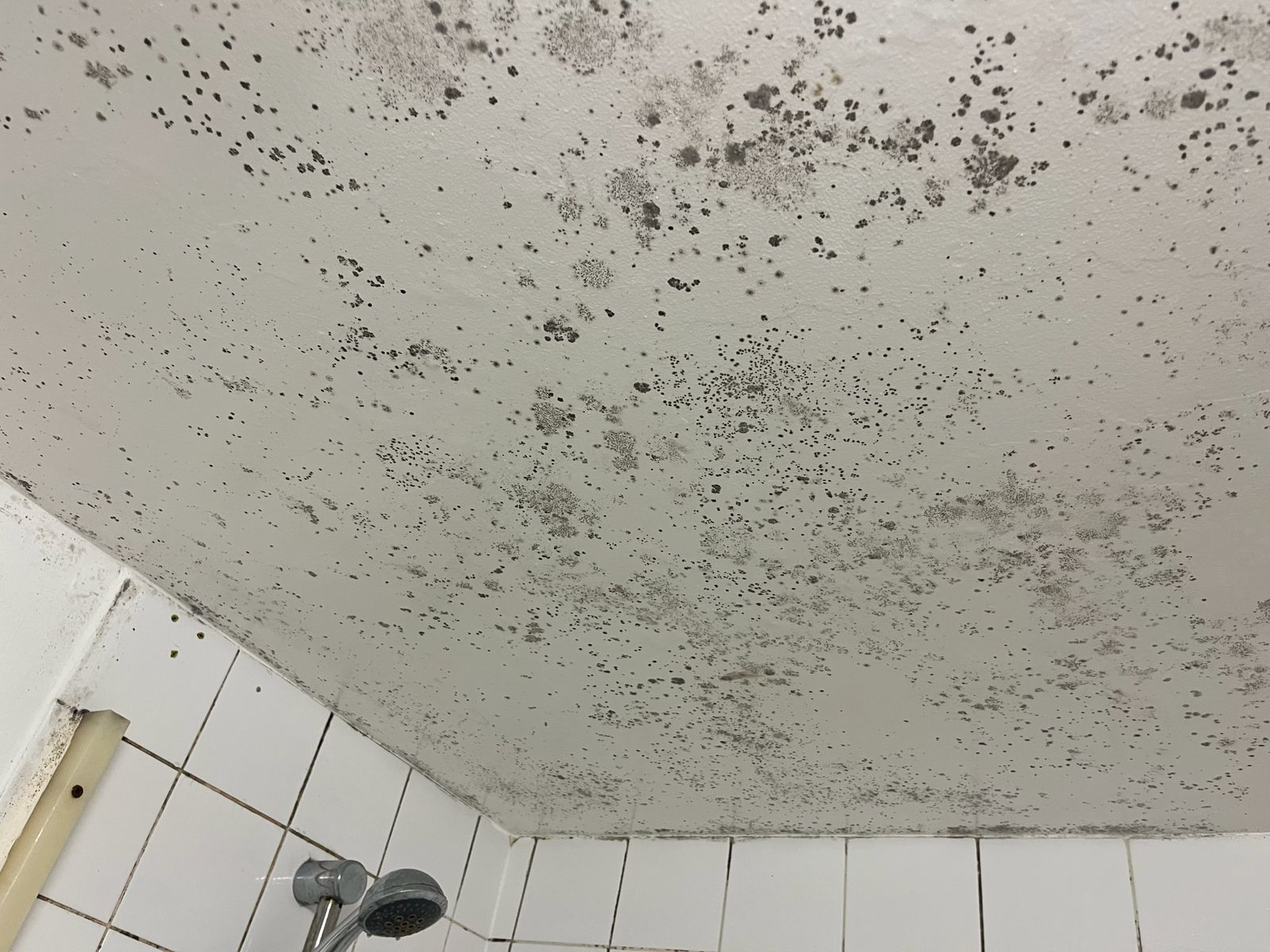
This specific issue reflects a wider, deeply political one – housing markets in the UK are in a state of turmoil. The demand for housing in urban areas such as Bristol far outstrips the supply, forcing students and young people to accept overpriced, under-maintained accommodation, often miles away from their places of study and work. The past couple decades specifically have seen the situation shift from bad to worse – so who’s to blame?
Zack Polanski, speaking to Laura Kuenssberg, seems to believe the fault is with the landlords and is in favour of rent controls to limit their power. Nigel Farage, ironically, is deeply suspicious of any kind of rent reform, calling Labour’s Renter’s Rights Bill a ‘huge mistake’ – he instead blames the ‘exploding’ UK population. Luka’s landlord seems to blame student incompetence, sending him, Bristol City Council’s guide to damp and mould in a rented home and denying the need for any action on his part.
‘As university accommodation is now provided through “increasingly private actors”, measures are taken to squeeze every ounce of profit out of a house.’
To what extent is this true? The guide he sent certainly has productive advice, and it would be unrealistic to say that students are incapable of solving these problems themselves. If you don’t throw away your food, you get rats. If you leave your wet clothes inside, you get mould. A lazy tenant equals a lazy house - students need to be better educated on their own responsibilities. However, Marlowe, a first year Philosophy student, believes that this is the university’s responsibility, not our own.
On this point, the university itself has faced a lot of criticism for both its lack of information provision and over-enrolment of students. The latter issue seems to be the most profound - since the 1980s, universities across the UK have become increasingly marketised, with the introduction of tuition fees in 1998 and the removal of enrolment caps in 2015. Profit now seems to be the primary driver of the modern university, and with it what a 2025 study calls the ‘financialisation of housing’. As university accommodation is now provided through ‘increasingly private actors’, measures are taken to squeeze every ounce of profit out of a house. Living rooms are converted into bedrooms, repairs are put off, and mould is left unaddressed.
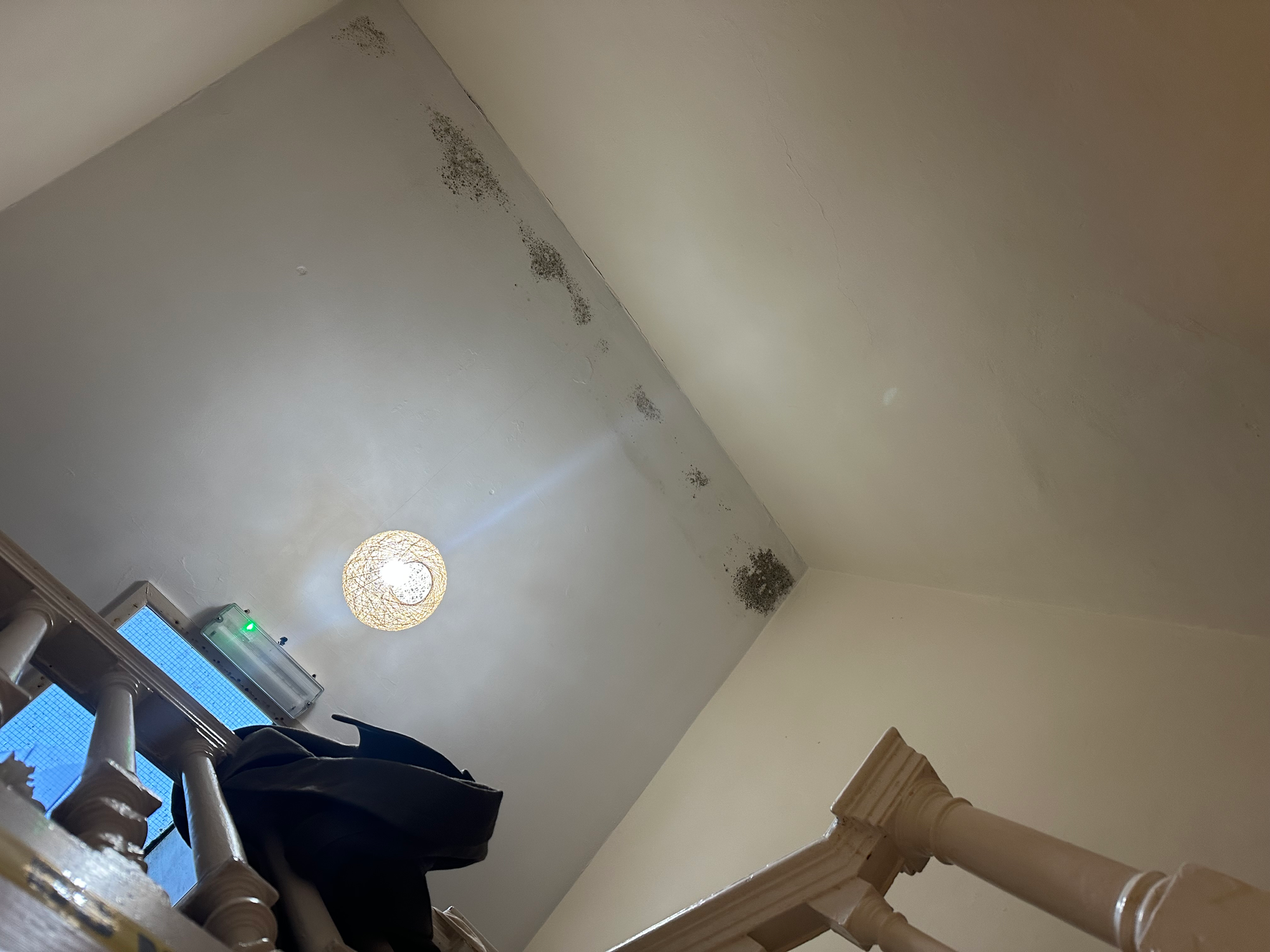
Whilst some would argue that marketisation gives students, as consumers, greater sovereignty, this only seems to apply to those with the cash to spare. Investors will move toward the money, thus recent years have seen an explosion in ultra-expensive, ultra-luxurious purpose-built student accommodation which, whilst providing an easy solution to some, serves to drive up prices and reduce the availability of cheaper options. 7% of students report having had experienced homelessness – too many students and too little cheap housing create a dysfunctional market in which your right to have a roof over your head is predicated on class, not genuine need.
As the economic reality becomes more complex, the discussion becomes increasingly depressing and fatalistic.
What is the government doing about this? Maintenance loans have consistently not kept up with inflation whilst the price of housing has skyrocketed. The new Renter’s Rights Bill, which takes effect on the 1st of March, will introduce a ‘Decent Homes Standard’ to the private sector, allowing local councils to impose penalties on landlords that do not maintain their properties. London and Manchester Mayors Andy Burnham and Sadiq Khan, in the style of Zohran Mamdani’s incredibly popular ‘Freeze the Rent’ campaign, have both called for rent caps to be introduced, a move which seems to be popular across wider Britain (78% support, according to a recent YouGov poll.) Could the political tide be shifting in students’ favour?
Of course, the issue is not so simple as to be solved completely by capping rents or imposing sanctions on poor landlords. Depending on what constitutes a ‘Decent Home’ for a Bristol student, the bill will either lead to little change or uncertainty and excessive and expensive litigation. Many critics of rent caps point to the situation in Berlin, where they have caused landlords to reduce the supply of housing, making the student homelessness problem worse, not better.
As the economic reality becomes more complex, the discussion becomes increasingly depressing and fatalistic. You begin to wish for a world in which Luka’s landlord is right, and the issue really is as simple as moving your washing outside. After all, if ignorant students really are to blame, then all it takes is educated students to find a solution.
 Leah Hoyle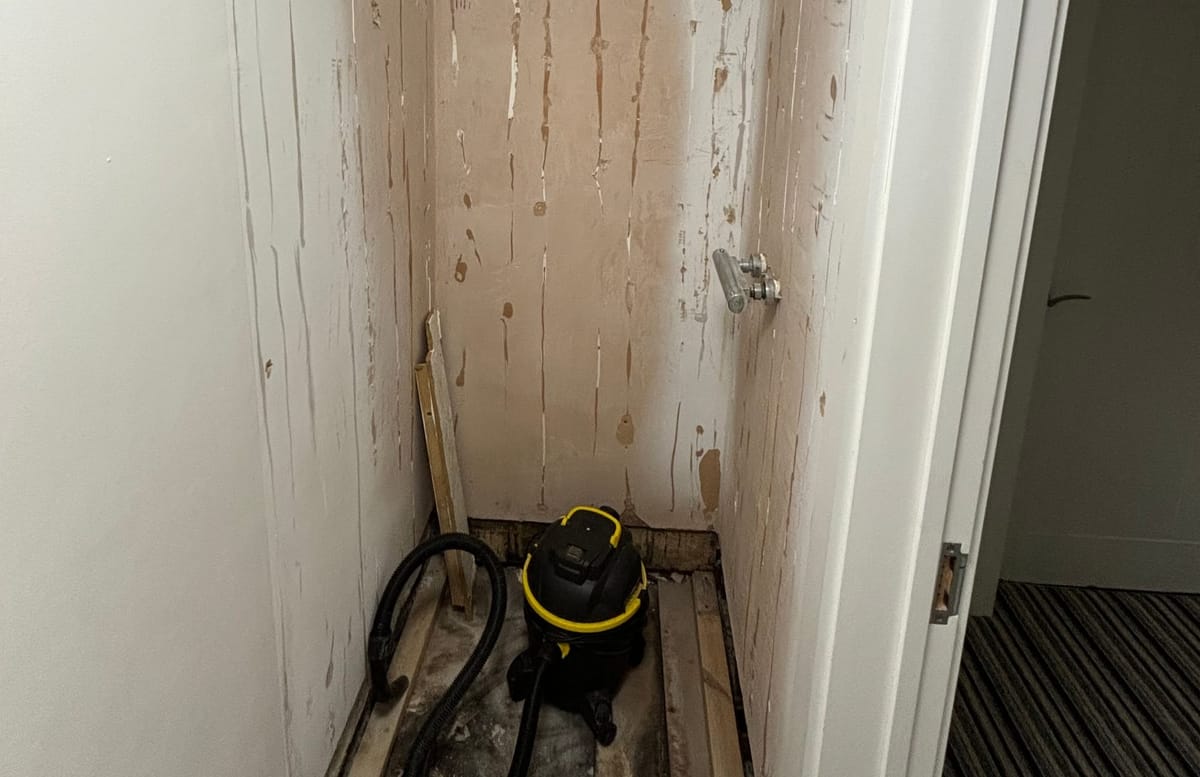
 Romina Treviño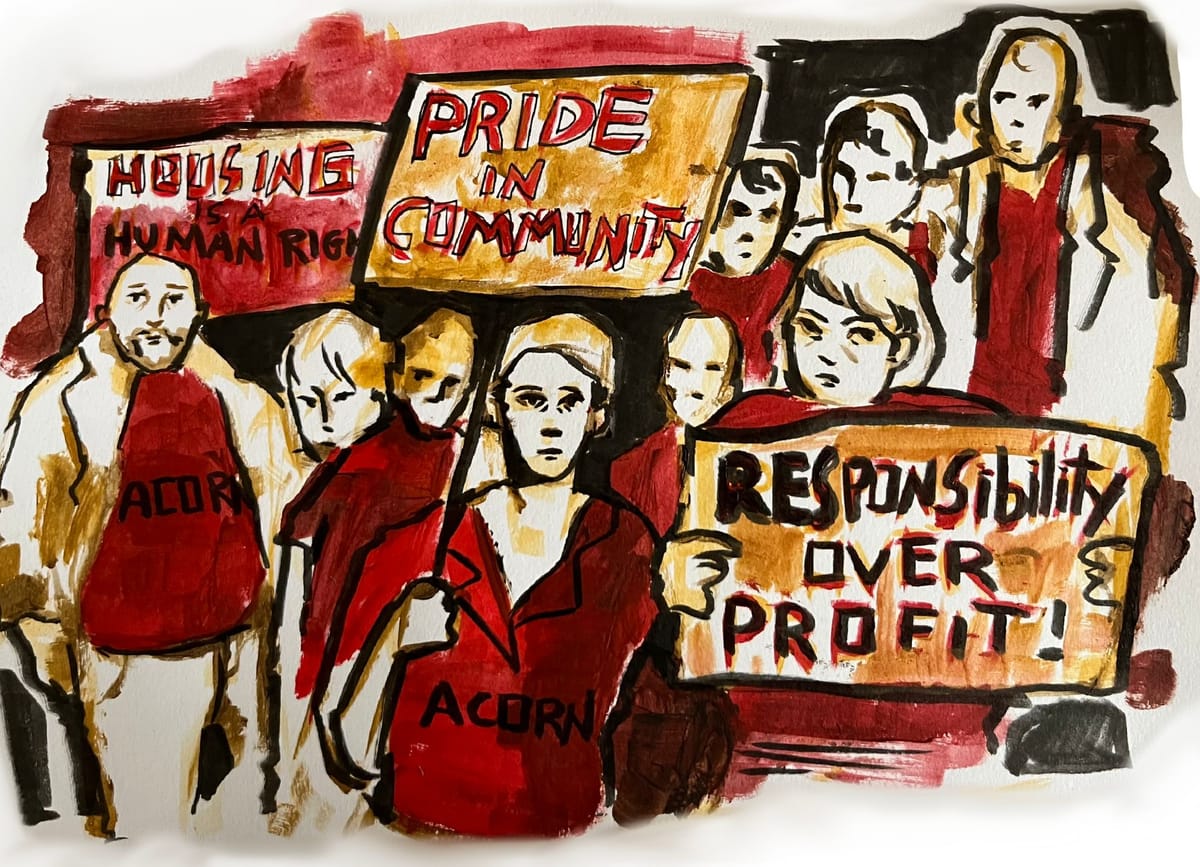
Is this all just wishful thinking, however? In fact, Luka did eventually find a solution to his dispute, by following the advice given to him by Acorn, a housing union whose work has been covered by Epigram recently. The 2025 study referenced earlier recommends the state fostering of student power and notes the past success of student-wide organisation in resolving housing issues. Epigram have our own student-led campaign, Break the Mould, which combats low-quality housing and poor deals for students. Whilst one student cannot do more than maintain a clean house, a group can exert serious pressure on dysfunctional systems. Between students, the university, landlords and the government the list of those who can be blamed for our situation stretches long and far. Whilst the question of blame perhaps cannot be fully answered, or pinned on specific failures of action or policy, this does not nullify the question of responsibility. What can be done now to prevent the student housing crisis deepening is a question that must be answered soon, and cannot be ignored by anyone - especially ourselves.
Featured Image: Epigram / Luka Cutts
Have you had bad housing experiences in Bristol?