
By Anis Fazidin, Second Year, MEng Aerospace Engineering,
She had been bleeding for weeks. Sitting in a GP appointment, a young woman tried to explain that something did not feel right after having a contraceptive coil fitted. The response, she recalls, was brisk; prolonged bleeding was a known side effect — she should have expected it. She left feeling as though she had somehow failed to research her own body enough, rather than having been inadequately informed.
'I just felt dismissed,' she says. 'Like I should already know.'
She is not alone. Across university campuses and online forums, young women share similar experiences. Symptoms are attributed to stress or hormones, and chronic pain is reframed as ‘normal’.
Medical misogyny is the term increasingly used to describe this pattern; the idea that women’s symptoms are more likely to be minimised, psychologised, or taken less seriously in healthcare settings.
One student who experiences severe IBS-related cramps says she was repeatedly told to ‘manage what you eat’ without discussion of alternative solutions. This response is not only reductive in terms of her pain but also insensitive given the high proportion of women at this age with eating disorders. In a data survey in 2023 on eating disorders, young women aged 17 to 19 years were more than three times as likely as young men to say that worries about eating really interfered with their life (49.5% compared with 13.9%).

Others noted a contrast between how clinicians responded to external injuries as opposed to internal pain. A suspected fracture prompted scans and urgency, whereas debilitating menstrual pain prompted reassurance.
Of course, not every negative medical experience stems from gender bias. Yet the consistency of women’s accounts in different contexts — and the recurring perception of being dismissed — is significant enough to raise questions. Is this primarily a social issue rooted in how women’s pain is perceived, or does it point to structural issues within healthcare systems?
The idea that women’s pain is exaggerated is not new. For centuries, women’s health complaints were attributed to ‘hysteria’, a term rooted in Greek for the uterus. Although modern medicine has moved far beyond such narratives, some argue that remnants of these assumptions persist in more subtle forms.
Historically, medical research also relied disproportionately on male bodies as the default model, under the assumption that the difference between male and female bodies is only their reproductive organs. The issue is also intersectional. Women from certain ethnic backgrounds face compounded barriers. For example, South Asian women are thought to have higher risks of Polycystic Ovary Syndrome (PCOS), yet research remains limited.
However, attributing every instance of perceived dismissal to misogyny alone oversimplifies the issue.
A third-year medical student offers another perspective. Gender bias in healthcare, she explains, is heavily discussed in training. 'We’re taught about it across multiple modules, there’s a strong emphasis on recognising unconscious bias and being careful about how we interpret symptoms.'
She suggests that some diagnostic dismissals may not stem from intentional disregard, but from structural constraints. GP appointments in the UK typically last about ten minutes, and within that time, clinicians must gather a full history, consider multiple possible diagnoses, and document everything.
'There are so many symptoms and signs that come up similar to a thousand different diseases, with minimal differences in each.' And when you are relying mostly on verbal descriptions, which are subjective by nature, it becomes challenging.
She also points to the administrative burden such as insurance forms, referral letters, housing documentation and so on, which reduces time available for clinical reasoning. In her view, redistributing non-clinical tasks could improve patient outcomes by allowing doctors more time to listen and investigate thoroughly.
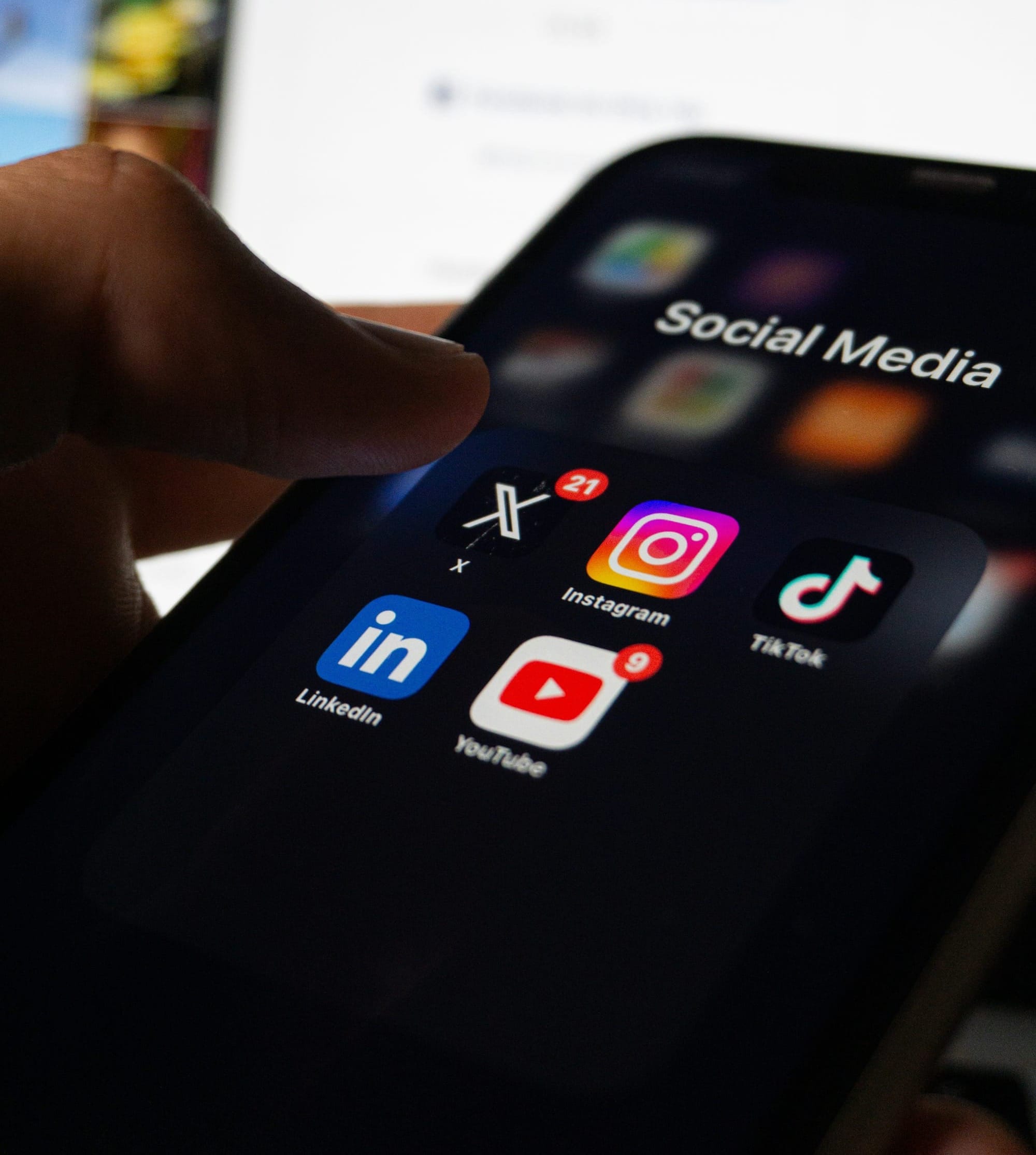
Nevertheless, beyond clinical walls, social narratives may also shape how pain is perceived. The ongoing phrases spread on social media, such as 'I’m just going through PMS,' are used casually and humorously. While often harmless in intent, these normalise the minimisation of women’s discomfort, and eventually, people get desensitised to the ‘emotional’ jokes. Regardless of the fact that it is physiologically true that women have very fluctuant hormones.
Because of this, women themselves may downplay symptoms, having internalised the idea that hormonal fluctuation or menstrual pain is simply something to endure. Clinicians, influenced by the same cultural environment, may unconsciously absorb similar assumptions.
Medical misogyny, then, not only exists in textbooks but also in language.
In response, some students emphasise the importance of self-advocacy. While clinicians have professional duties to educate and investigate appropriately, being your own advocate when you can will help to empower you as a patient. Through asking clarifying questions, requesting alternative options, and seeking second opinions, you can attempt to fight medical bias.
Being transparent about all medically relevant information, even documenting symptom patterns and any other detail that feels minor, can also strengthen consultations and potentially help the clinician in coming to a diagnosis.
Whether framed as medical misogyny, diagnostic uncertainty, or structural barriers, the central theme running through every scenario is the patient’s desire to be heard. For some women, dismissals feel gendered. For doctors, the pressure of time and complexity can shape decisions in ways patients never see. The truth may sit somewhere in between — a combination of cultural narratives and overstretched systems. What does seem clear, however, is that meaningful progress requires both sides of the consultation room to be acknowledged. In a healthcare system under immense pressure, perhaps the most radical act is not technological innovation, but attentive listening.
Featured Image: Charlotte Kerby
What have your experiences been like in the NHS and have you ever noticed any gender bias?