By Beth Nugent, Third year, Film and Television
So you’ve survived A-levels, got your offer, ended up in one of the biggest cities for Film and TV and are just a few weeks away from starting your Film and Television course, or as it’s more fondly labelled here, FATV. Epigram has spoken to a few Film and Television students to give you an idea of what to expect and tip and tricks to make your time here the best it can be.
- Don’t expect film school education
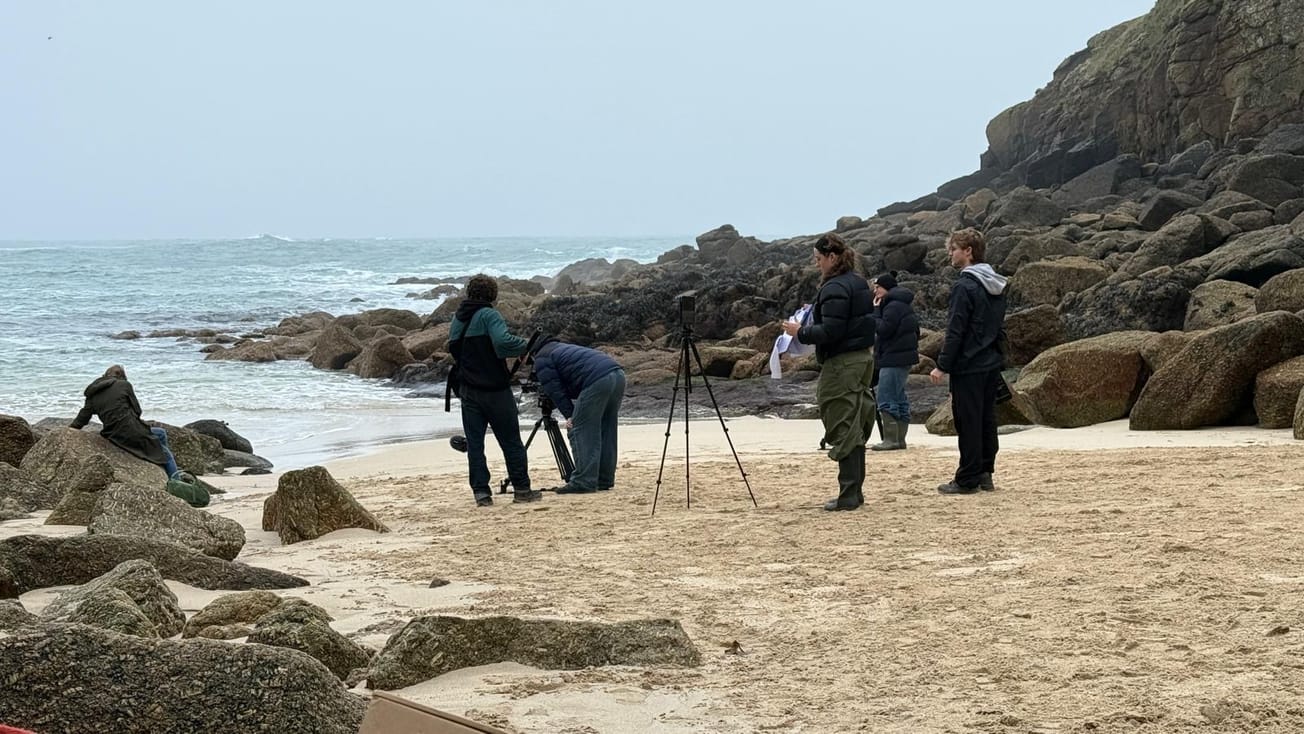
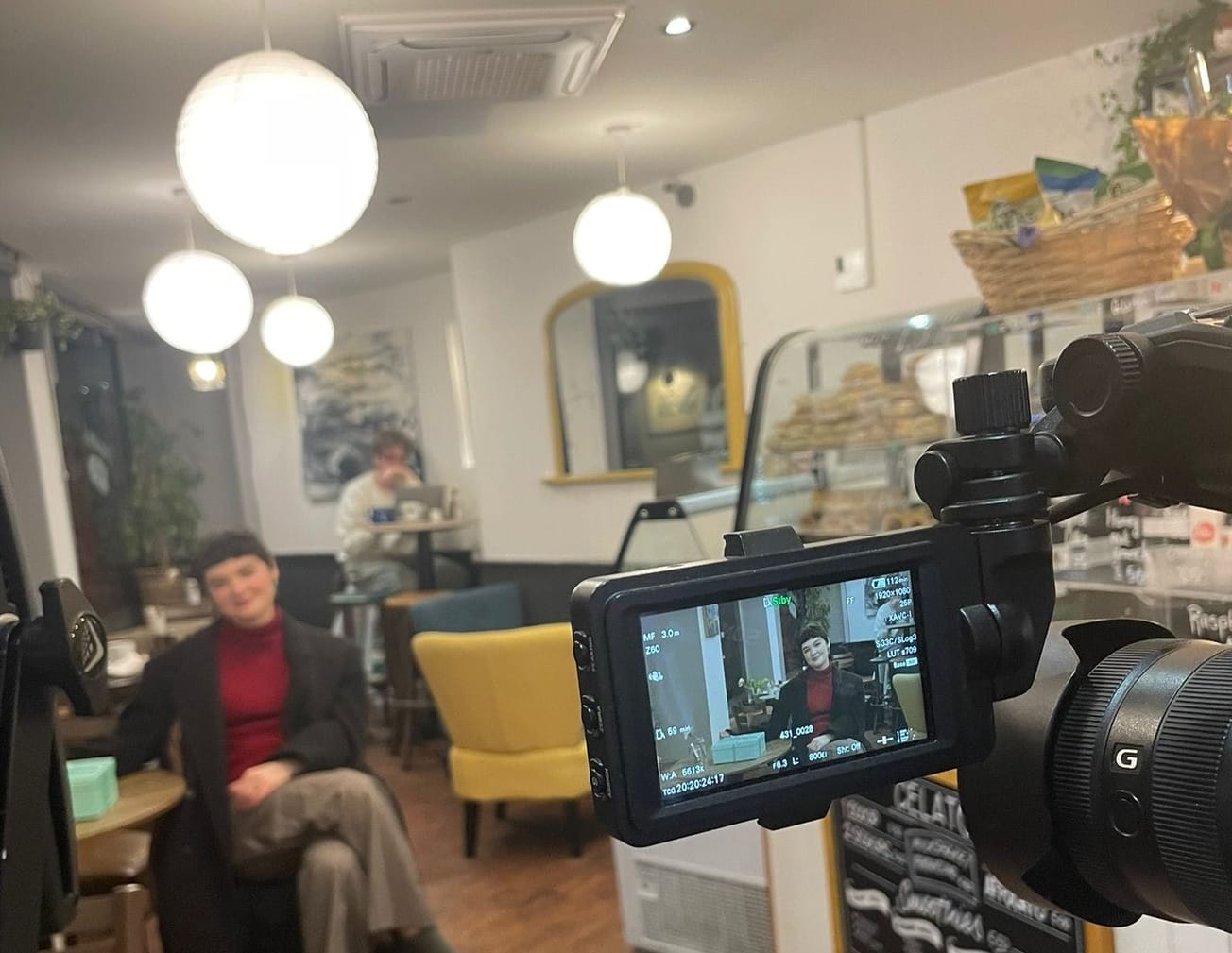
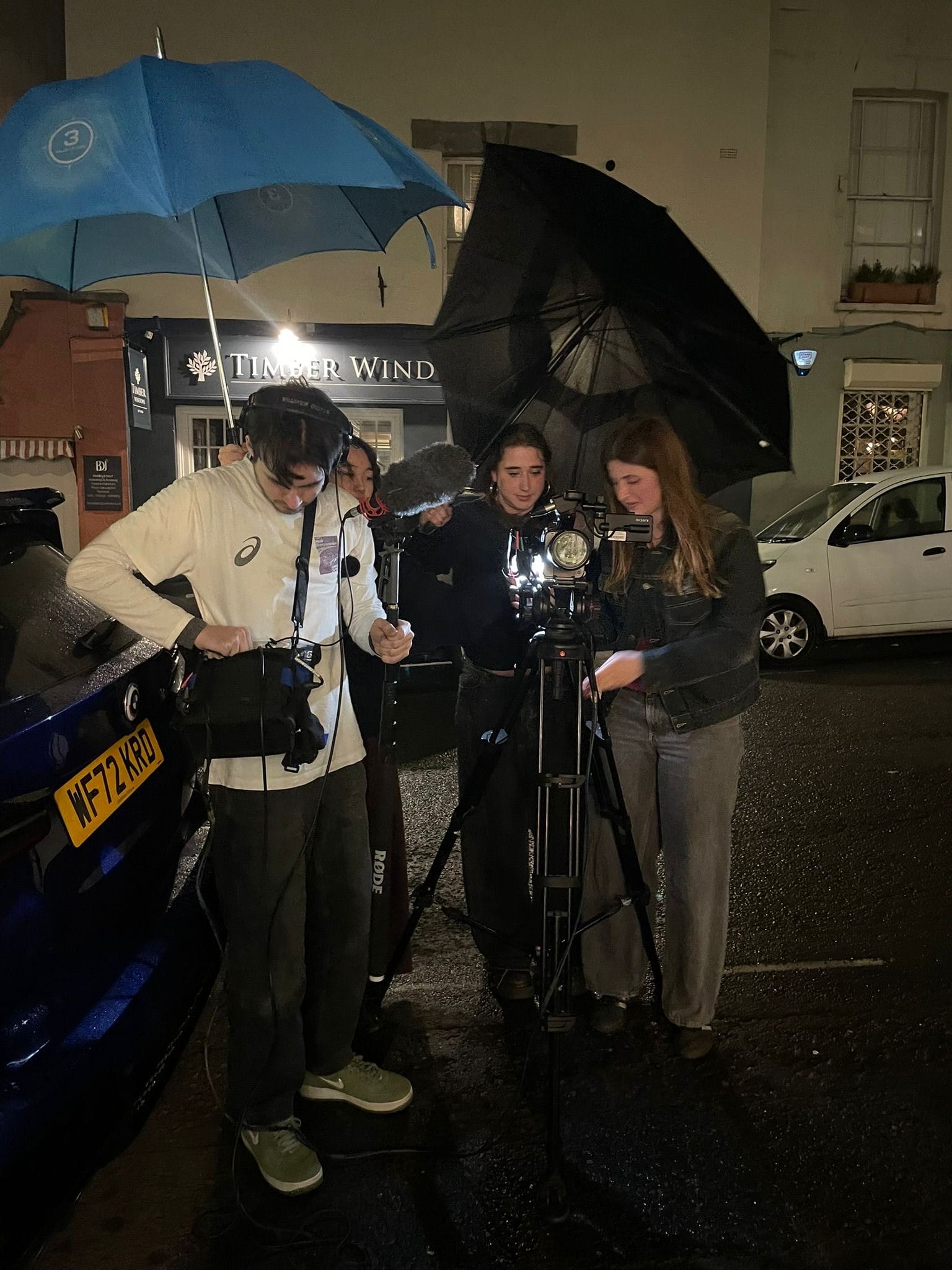
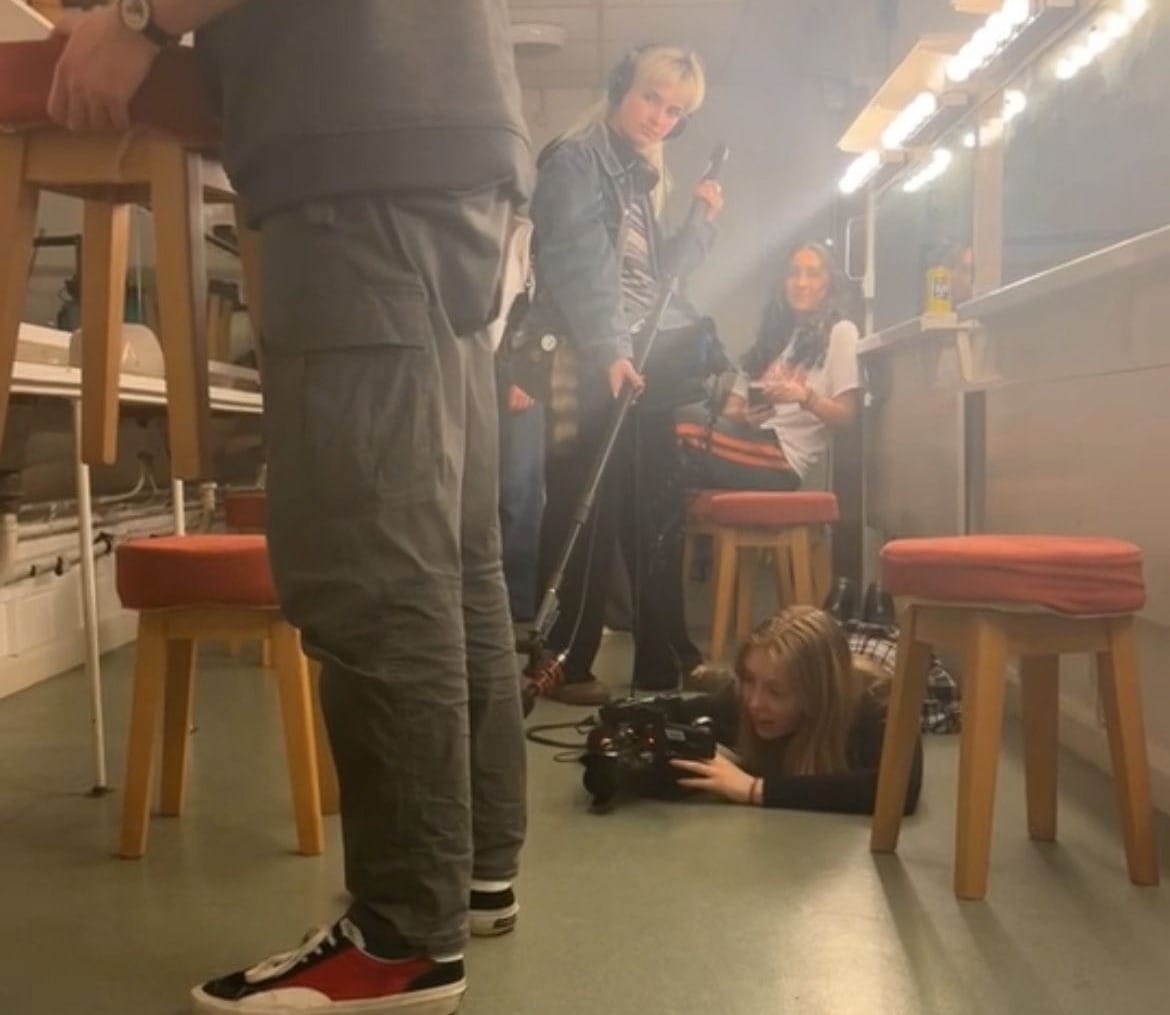
To get the most out of this course you first must recognise what it’s not. The truth is that you won’t be getting detailed workshops on the different kinds of cameras there are and how to use them, or extensive experience in all elements of general crew such as Script Supervisors or Second Assistant Directors. Group sizes are small, usually 3-5 students per group project meaning you will be covering multiple roles at once, so you won’t learn a lot about what a normal film set will look like.
That being said, you will make films and the quality and professionalism is up to you. Group projects are made almost entirely outside of the watchful eyes of your lecturer and there is a massive amount of freedom that comes with that.
- Do expect a deeper understanding of film
Whilst you shouldn’t expect a film school level of practical experience, the course covers a vast amount of subjects to enhance your understanding of films and the business behind it all . Epigram spoke to a third year Film and Television student who said that ‘We learn such a blend of so many subjects: history, sociology, politics, philosophy, economics etc. You can really take your essays and assignments in any direction you want.’. This is truly where the FATV course shines. With endless modules on intricate theoretical frameworks you begin to understand the meaning of Film and Television on a far deeper level, and you can even write essays on your own favourite films and tv shows.
Laurie Morgan, a third year Film and Theatre student praised the course for ‘look[ing] at various aspects of film, including studying them directly as one, and then studying them in terms of broken down elements of filmmaking.’
A piece of advice; don’t run away from the theory. Once you open yourself up to the academic side of film it seeps into your own filmmaking and suddenly you're making choices that could make you the next Greta Gerwig.
- First year will be hard
No matter how well you did at A-level, university is a whole new world. You’ll walk into the Winston Theatre (the FATV lecture hall) on day one and realise that you will have to re-learn everything you thought you knew about writing essays and learning content. The best part? No one tells you how, you just have to do it.
It might be frustrating but the only way you can figure it out is through practice and failing. If you can get above a 60 in your first year you’re doing incredible.
There are a couple of things to do to increase your odds of a good mark, Meg Jenkins, a third year student told Epigram that ‘Although it may seem like an 'easy' subject, it’s important to actually pay attention and take a few notes in class. It can help you so much to get into the habits you’ll need to survive 2nd and 3rd year’.
- Lecturers can be your guardian angel.
Having a good relationship with your personal tutor or your lecturer can make your experience with this course infinitely better, and luckily there are plenty to go around in the FATV department. A few who deserve a special shoutout from their devoted students Epigram spoke to are; Sara Gibbings, Ross Bliss and Pete Falconer. They truly care about their students and bring such passion to the subjects they teach.
So go to your personal tutor meetings! Let them know what your aspirations are! A lot of the lecturers are actively working in the industry, and in some cases they can help you get a shoe in.
Just don’t make an enemy of them, it will make your life harder than it needs to be.
Overall, whilst the course has its issues, the good will always outweigh the bad. Your peers will become your biggest cheerleaders and will be vital connections to the industry. A single module could change the entire trajectory of your career if you keep an open mind, and, if you’re lucky, you might watch Married at First Sight Australia (2015-) at 9am on a Monday morning, (a very true story).
Featured Image: Epigram / Beth Nugent
For incoming film students, what do you want your film degree to be like?