By Katerina Ralli, First Year, English and Philosophy
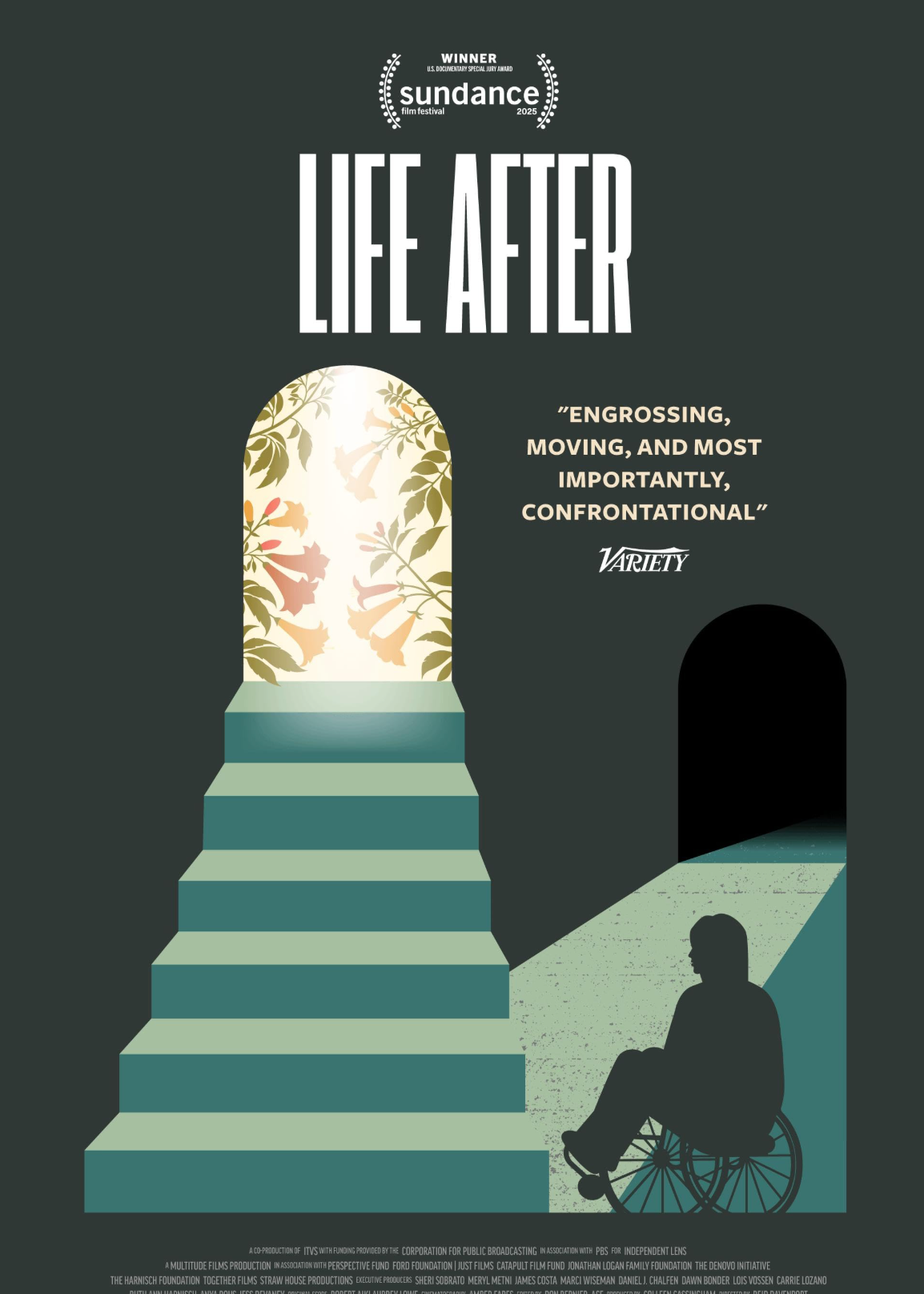
Previously screened at Sundance Film Festival in January 2025 where it won the U.S. Documentary Special Jury Award, Reid Davenport’s striking documentary Life After (2025) explores the case of Elizabeth Bouvia, a quadriplegic afflicted by cerebral palsy, and her California court case in 1983. Through using this case as a starting point for a deeply thought-provoking journalistic investigation into what happened to her after she disappeared from the media, the audience is immediately absorbed into a discussion about current legislation for assisted dying, and the relevant moral issues surrounding it today.
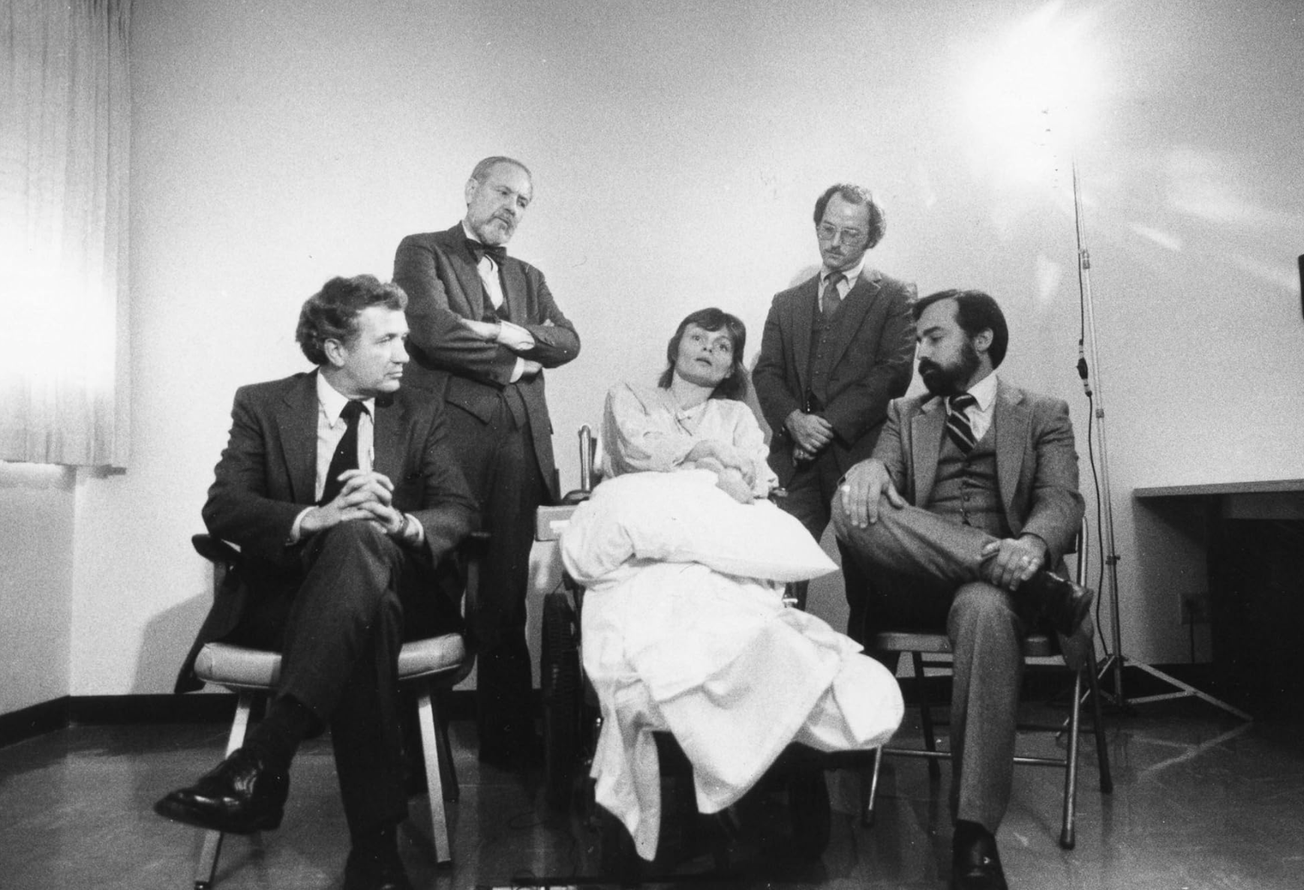
Life After starts significantly with video footage of Elizabeth Bouvia’s trial, where she is wheeled into the courtroom and advocates for the court’s approval of her own access to assisted dying. Reid Davenport sets out on his quest, stating that ‘she died invisibly’ and relates her experiences to his own as a disabled filmmaker, wanting to find out more about her as he saw himself ‘in the way Elizabeth moved through the world’, the personal significance of this documentary clear through the emotional effect it had on the Bath Film Festival audience.
While the topic of assisted dying is often discussed in mainstream media in reference to those who are terminally ill, Reid Davenport’s documentary sheds light on its relevance and history with disabled people. He cleverly makes the choice to switch between different voices and stories of those with experience of Medical Assistance in Dying (MAiD) services, and the effect produced is deeply touching.
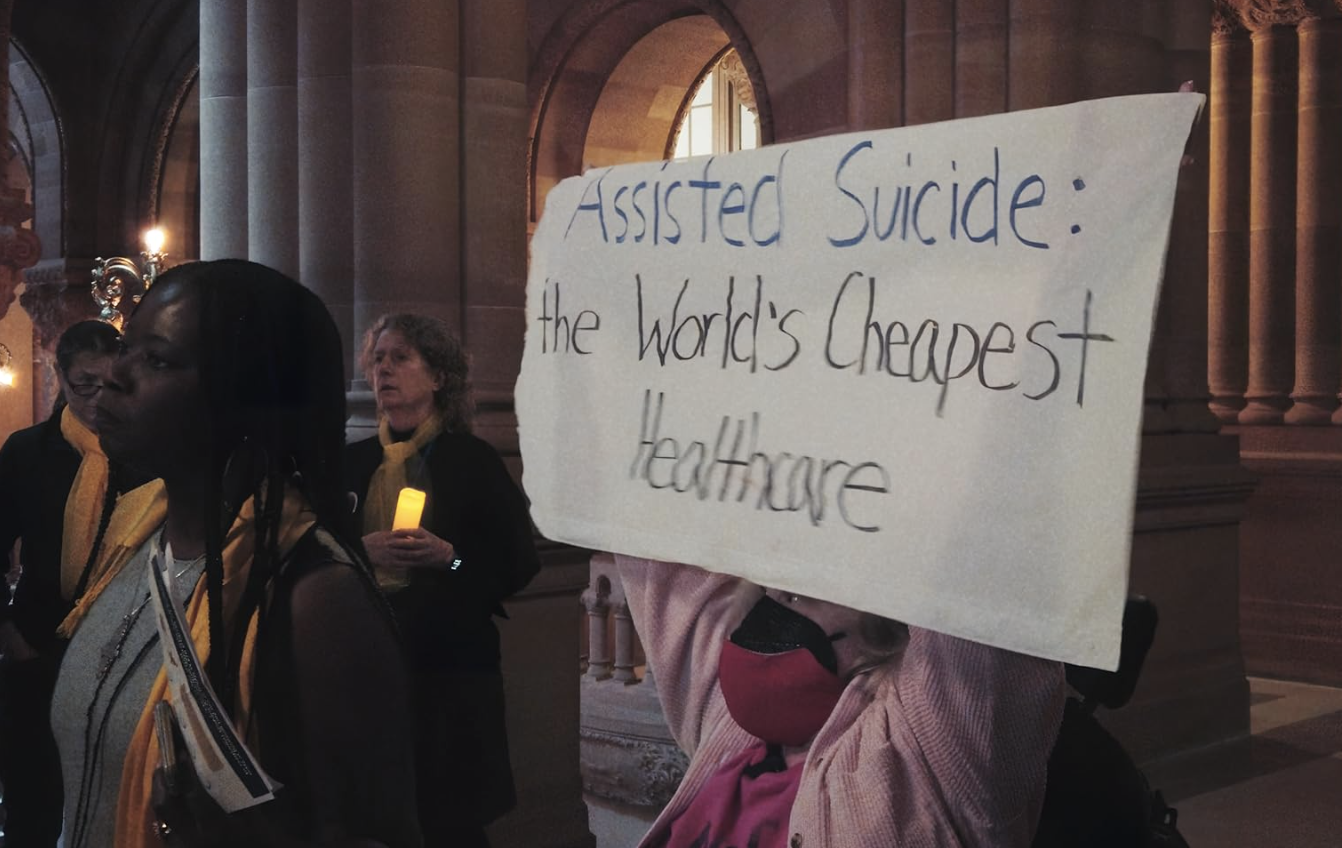
With a portion of the documentary focusing on how MAiD in the past has appeared a more readily available service than other vital healthcare services for Canadians, many of those who Davenport interviewed argue they felt that the option of assisted dying is something that was imposed on them. Many experienced a sense of pressure to do so by society due to it being treated as almost a ‘cheaper form of healthcare’ than long term care, including the gut-wrenching case of 14-year-old Jerika Bolen ending her life ‘on her own terms’, which raises a number of moral issues about government legislation and the treatment of disabled people within society.
Continually circling back to the case of Elizabeth Bouvia and Reid Davenport’s investigation of the rest of her life, the interviews he carried out with her two sisters, Rebecca and Teresa Castner, are among the most touching parts of the documentary. In discussing their upbringing and the topic of institutionalisation, in Elizabeth Bouvia’s life and more generally, we come to consider whether she changed her mind about assisted dying after being denied this in court, or whether she simply ‘accepted her fate’ towards the end of her life.
Although the documentary had many emotionally difficult moments, these were sometimes contrasted by slightly more humorous aspects from video footage of the filmmaker himself. One that was particularly striking was a moment in which Reid Davenport sat at his desk filling out an assisted dying eligibility form while his producer, Colleen Cassingham, asked him how he felt during the process.
While naturally an extremely surreal and emotional process for someone affected by a disability that could grant him the right to assisted death, a deeply controversial topic, the weight of the moment was lightened when he ticked off ‘dexterity’ as one of the disability options on the screen, and Cassingham humorously commented ‘well that was particularly dexterous of you’, resulting in a wave of relieved laughter through the audience.
After the documentary ended, it was clear that it had moved many people, ending with the same courtroom footage that it had started with, as people scattered around the theatre left rather teary eyed, myself included. We then joined Reid Davenport outside the theatre for a Q and A, which was a great experience as so many people thanked him for his work, praising its relevance to their own lives and more generally as a way of encouraging discussion on the matter.
From start to end, Life After grips the audience in a vital pursuit of finding answers to difficult moral questions, exploring the subject of assisted dying in great depth and giving the most important voices to those often forgotten about. It is this, as well as the personal significance of the subject to filmmaker Reid Davenport himself, that make this such a compelling and emotionally striking watch.
Featured Image: IMDb
Are there any other films which deal with assisted dying in such a gripping way?