By Sian Williams, First Year, LLM International Law
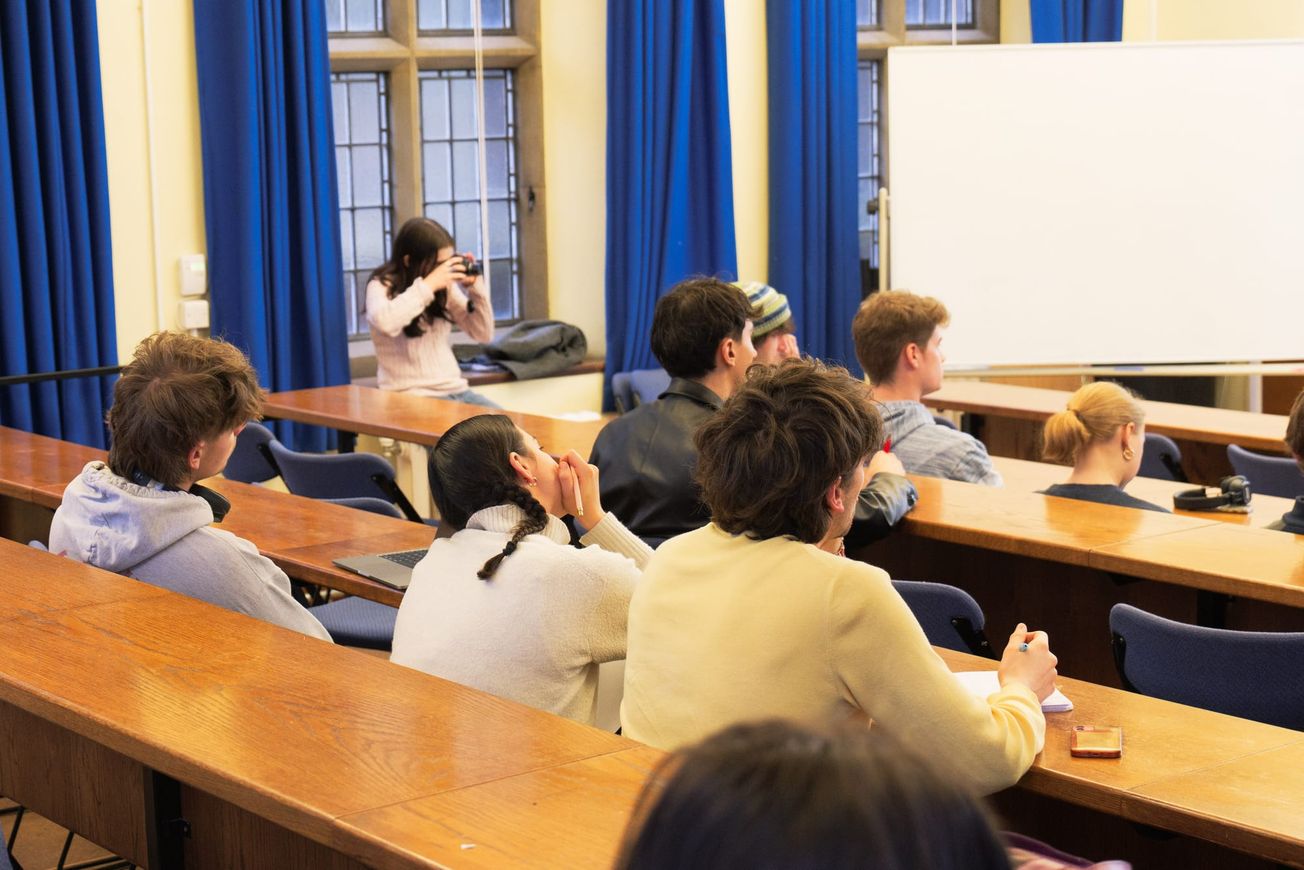
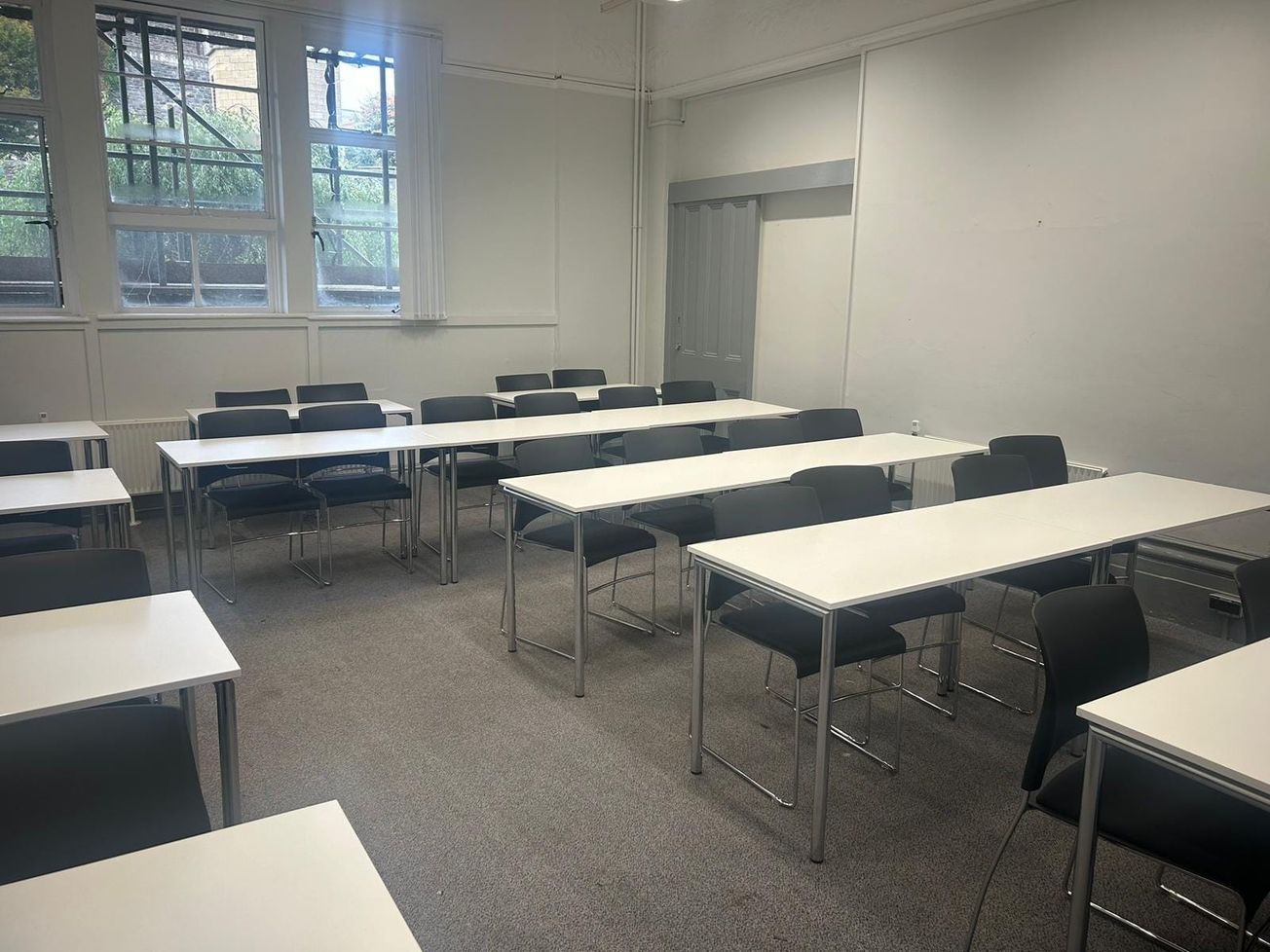
It’s happened to us all: having hiked up several floors of yet another vertical Victorian building to a seminar room achingly in need of some air conditioning, you pull out a chair, set your laptop on the table and take a subtle glance around. At one time, you might have felt relief at seeing five, ten, perhaps fifteen students looking back at you. But now you know better. Numbers are no longer a guarantee against an hour (god forbid two) of painstaking silence. Sadly for us, only time and the first interactive PowerPoint slide will tell whether this will be a fulfilling discussion or yet another round of the deeply frustrating ‘See Who Can Be Quiet the Longest’.
We are all familiar with just how awkward these ‘silent seminars’ can be, but what is the cause of our growing aversion to speaking in class? After all, it seems fair to assume that, after paying £9535 every year in course fees (let’s not even mention international student fees) and confessing an undying love for the subject on our UCAS personal statements, we would relish every opportunity to discuss it with published authors, guest speakers and our peers. However, I will reluctantly admit that I am often partial to looking at my laptop screen to avoid the gaze of the lecturer and the possibility of a tough question being tossed my way. And having already attended four seminars in my first term as a postgraduate student at the University of Bristol, I am seemingly in the majority rather than an exception in doing so. Despite being an offender, I find the silence demoralising. Especially in a humanities subject where contact hours are already minimal, I crave fiery debate, insightful dialogue and having an outlet to share my hard-earned views on the reading. The lack of participation just feels like a sorely missed chance to make the most of our privileged opportunity of being here.
‘We would seemingly all rather be silent and sit together in the social safety of not putting our necks on the line’
But what is the reason for it? The most likely culprit is (as always) the COVID-19 pandemic. Students currently at university, myself included, studied for our final exams by attending classes via Teams with both the camera and microphone switched firmly off, unless forcibly ordered otherwise. This created an environment where speaking out became admittedly quite stress-inducing: think back to pressing the ‘raise hand’ feature and your name dramatically flashing up on every student’s screen. Combine this with the social isolation of learning mostly online for two years, and fast-forward to now being in a room full of other students. It’s hardly surprising that our confidence to offer up personal insights has been somewhat knocked. And this has likely been exacerbated by the ‘achievement culture’ rife amongst young people who are facing the brunt end of an ever-increasing ‘pressure to succeed’. Translation: students don’t want to be seen getting answers wrong in a room full of job-competitors and friends who they feel a need to impress. The result is that we would seemingly all rather be silent and sit together in the social safety of not putting our necks on the line. No answer is better than a wrong one: herd mentality at its finest.
It seems that the lecturers’ current method of combatting our silence in seminars is to place students in smaller breakout-style groups to discuss the readings. In my experience, this encourages some students who would otherwise ‘keep schtum’ to talk, but others are impressively persistent in their refusal to do so. Regardless, this smaller group structure does not work for me. It takes the discussion too far away from the lecturer’s direction and insights (which I want to hear), and relies on the chance that I have sat near two or three people who have done the reading and are happy to contribute. If I have not managed to choose my seat well, this structure just creates an even more awkward twenty minutes of silence that the lecturer luckily avoids. But what else is there to do?
 Hannah Moser
Moving forwards, I know that the best thing is to brave the cold and raise a (real-life) hand in seminars to contribute my thoughts. Like an ice bath, this will no doubt be painful at first and will take some getting used to, but not doing so is just biting off my nose to save my face. It will mean continuing the awkward silences, missing out on meaningful discussions about a topic that I actually do care about and (possibly worst of all) giving the person deliberately sat at the front of class the chance to keep asking the lecturer irrelevant questions to fill the time. To save us from this ill fate, will somebody please jump in with me and try something new? Raises a shaking hand...
Featured Image: Epigram / Sam Couriel
Are you part of the 'silent majority'?