By Felix Glanville, Film and TV Editor
You would not be wrong to think that this short film is part of the nominees at the London or Venice Film Festival. Puddle Man's writer and director, Jacob Joseph Held, forged a beautifully visceral and soulful film that captures all the strange and unnerving qualities of fear and magic. The student filmmakers behind Puddle Man have created a timeless gothic film for the modern day: exploring mystery, the supernatural, trauma, and the fears of boyhood.
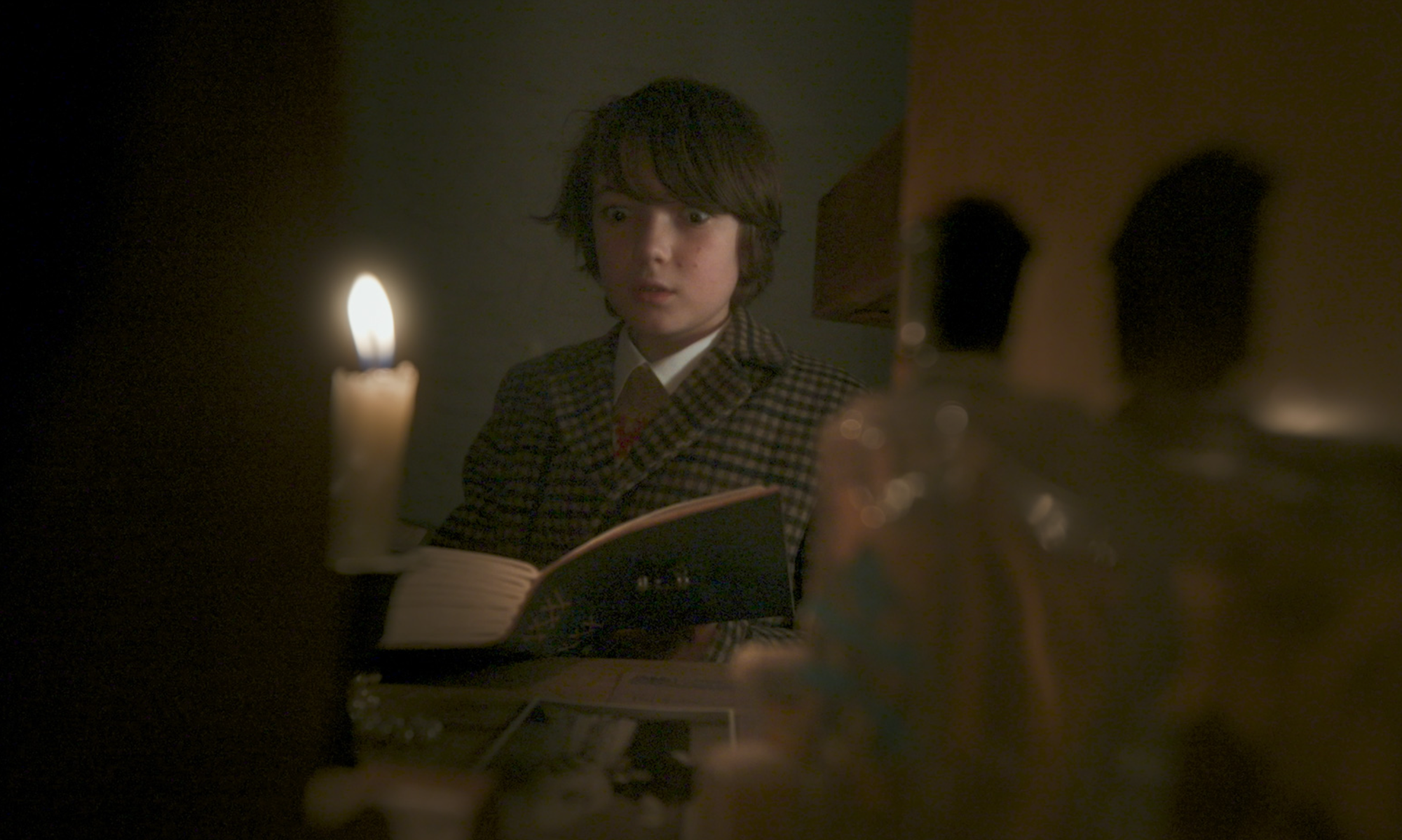
The film centres around a twelve-year-old boy, Toby (Dainton Anderson), an evacuee from the Second World War. Toby has been evacuated to his grandmother Julie's (Sara Wilson-Soppitt) Dartmoor cottage. In this haunting landscape, Toby is enveloped by fear. He is petrified at the sight of a donkey and discovers Julie's dark wartime past, which culminates in the meeting of the film's titular character in a deeply chilling way, who collects Toby's tears to sustain himself.
The film triumphs on this simple narrative, rather than having the audience scramble around for answers and plot pieces, Puddle Man offers you the chance to interpret what memories haunt Julie and Toby. The innocence of Toby against the trauma of both the First and Second World War is a powerful force that creates mystical illusions across Dartmoor. As such, the Puddle Man himself is simultaneously comforting and unnerving to Toby and his grandmother.
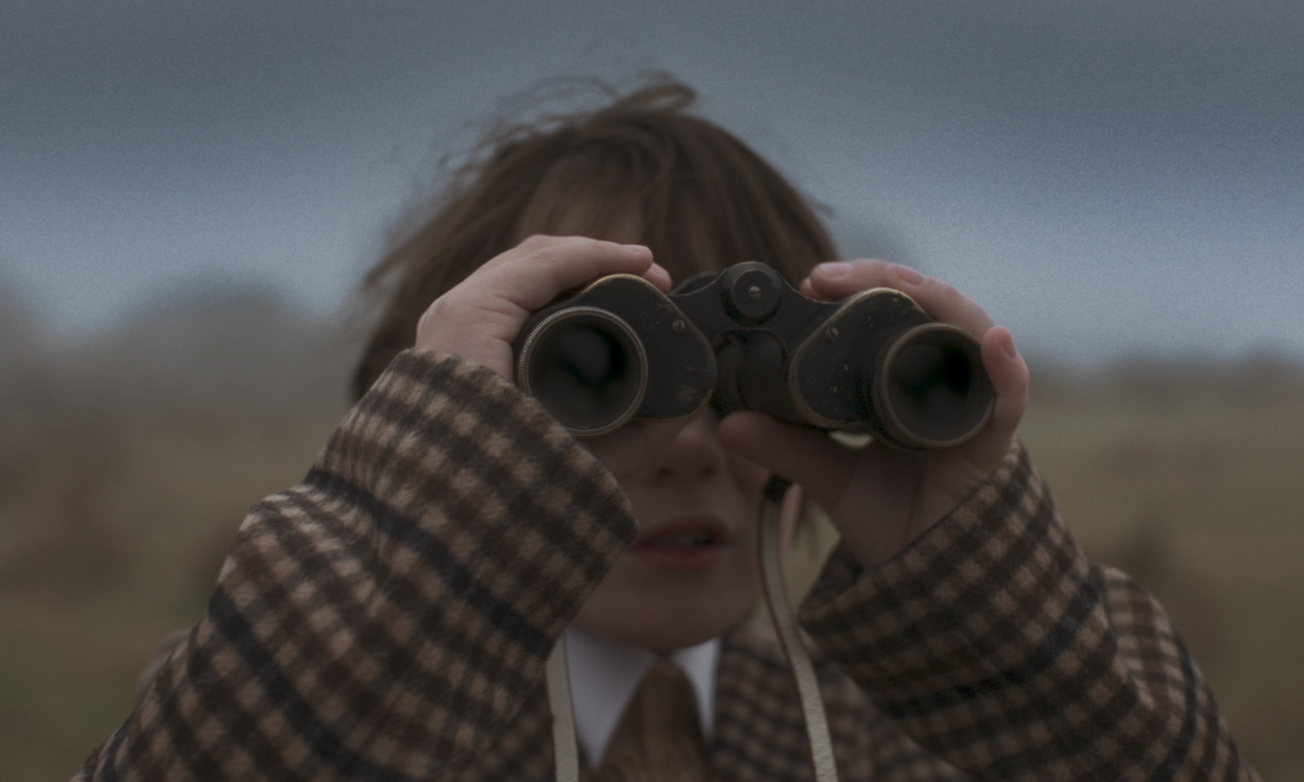
Daiton Anderson gives a meaningful and mature performance, particularly impressive at his young age of 12 years-old. He displayed a charming curiosity when he discovered Julie's dark past and you were hooked by his fear of the Puddle Man right until the film's dénouement. The Puddle Man team did a masterful job of choosing Anderson– he felt perfectly suited to the wartime age but equally relatable to young boys of today.
Recent Berlin Film Festival winner, Sara Wilson-Soppitt, gave an unnerving performance of Julie. You could feel the secrecy behind her eyes. She was both instructive to Toby– assuming the parental figure for him during the war– while being cloaked in worry for what the Puddle Man will do to those crossing Dartmoor. Wilson-Soppitt was the ideal contrast to Toby's youthful intrigue. She displayed a grief that had troubled her for years. Who, too, could discredit the wonderful role of Dermot, the film's donkey, who proved that acting is clearly his happy place?
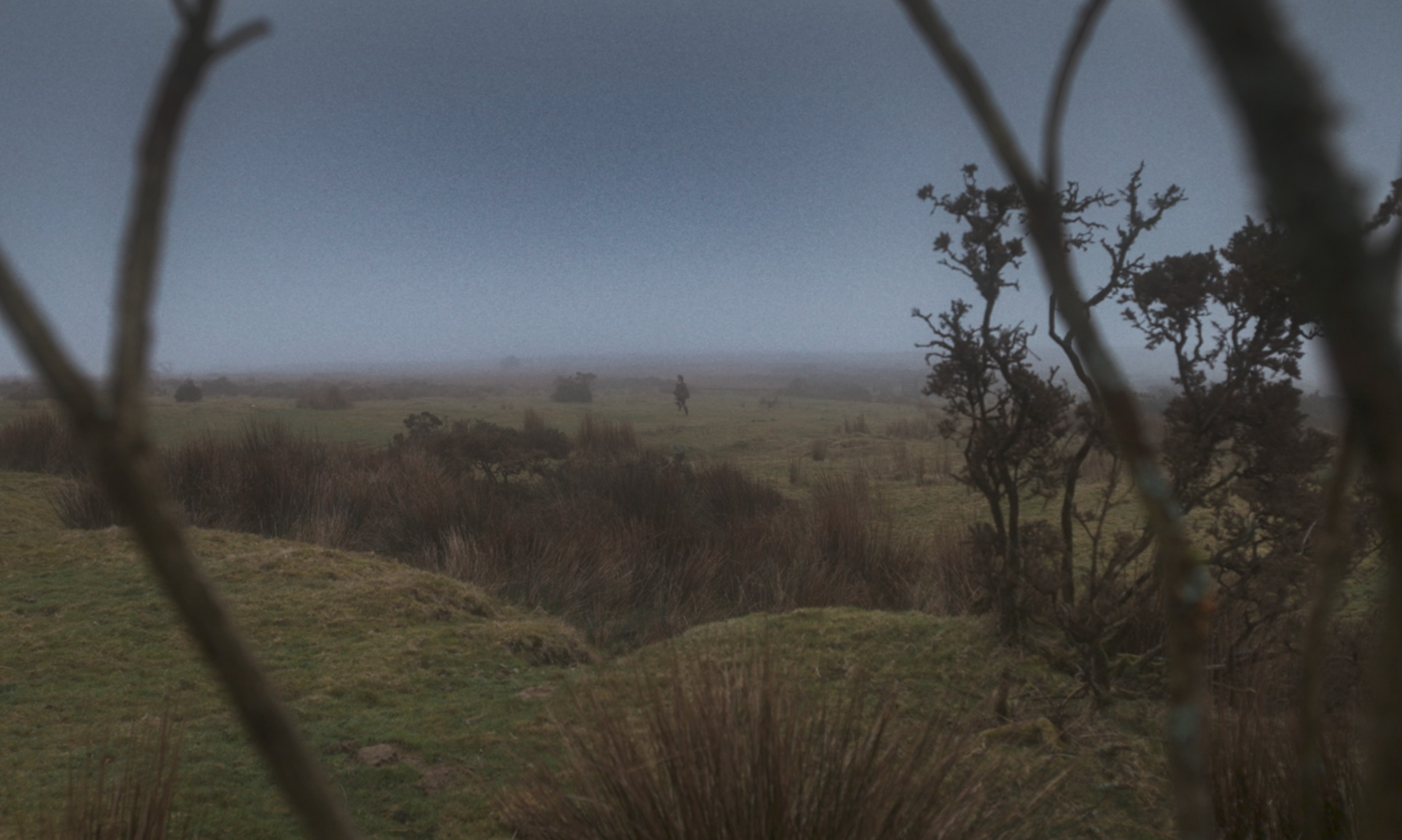
The visual flavour of the film was a real standout. Capturing Dartmoor in such gloom and mystery at both night and day added a Wuthering Heights air to the film. This contrasted poignantly to the quaint warmth of Toby's grandmother's cottage–littered with wartime trinkets. At no point did the lighting of the film feel too harsh or abrasive, with just candlelight used during the rising action of Toby discovering his grandmother's husband's death. This allowed the audience to sink gently into hearing Toby's disconcerting voice narrate the contents of the letter as cold blue footage of the Puddle Man crossing over the moors descended over the screen. It was like a ticking time bomb.
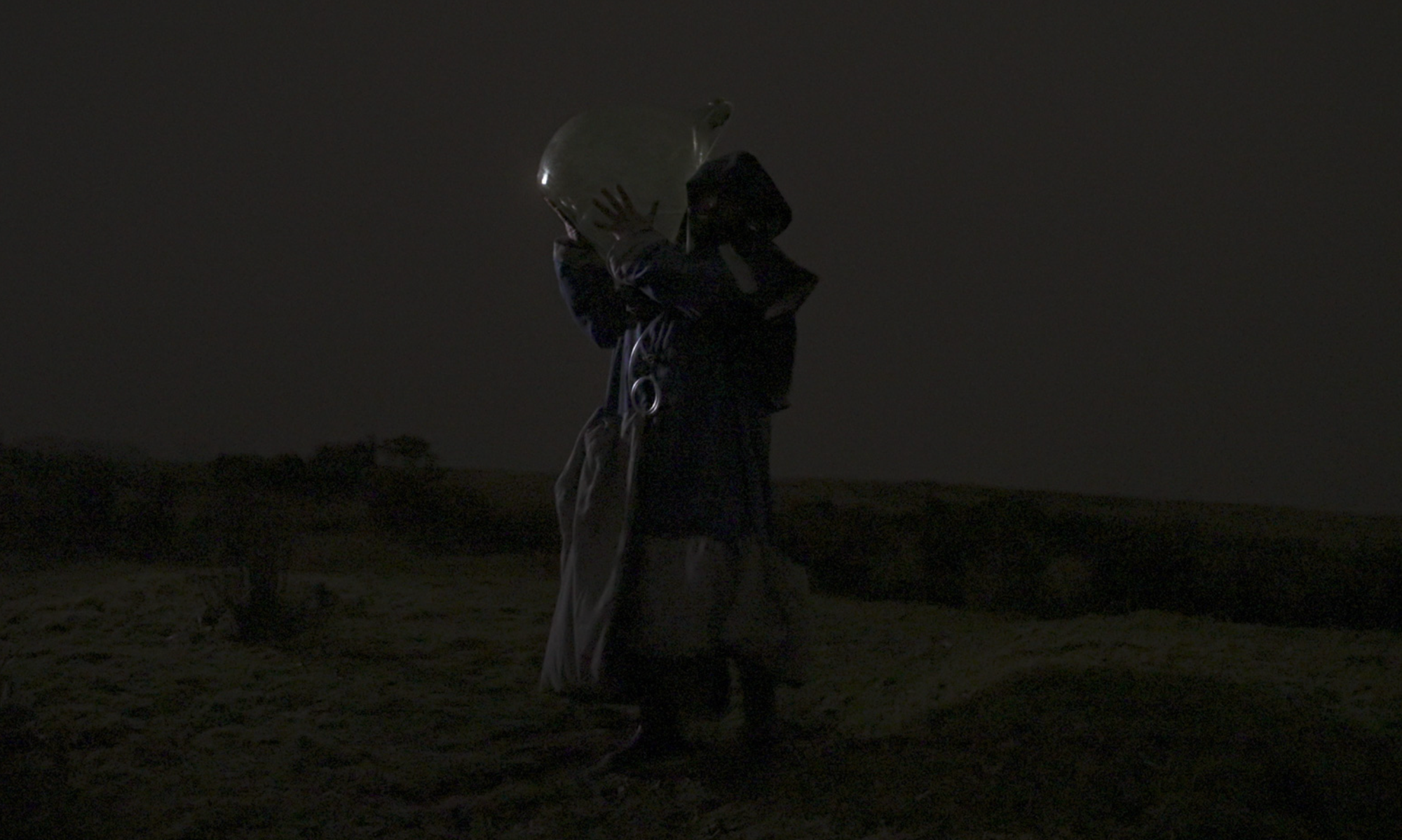
My personal standout was the film's stop-motion-like elements as the Puddle Man encroached along the moors in slow suspense, with a smokey haze across the screen. The figure was depicted in a mythological way and these beautiful cinematic choices were deeply satisfying to watch. The film's visuals evoked the same qualities that made Black Mirror groundbreaking and appealing in its early years.
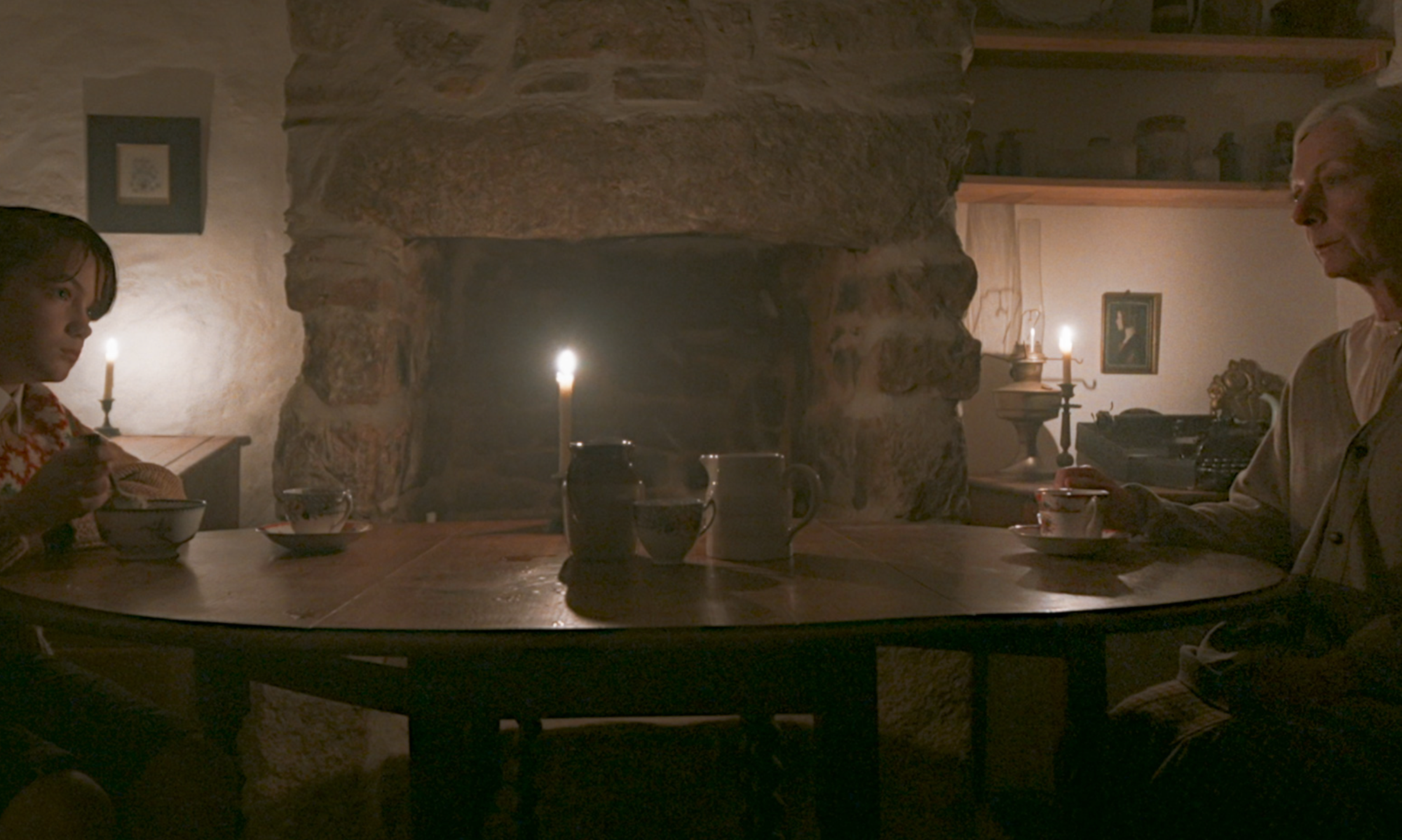
The music by Veronica Manuel elevated the film to quaint and charming heights, while not too overused. The moment of silence at the dinner table between Toby and Julia is unsettling. Our senses are raised for what the young boy is day-dreaming about. When the donkey is caught by Toby it is as if the animal itself is the magical being, Manuel's composition elevates the awe and wonder Toby is experiencing in this everyday rural interaction.
This film is a highly successful product of real fears and unnerving beliefs, with resonance to the writer/director's personal troubles. This is truly what makes the film so mature but equally heartbreaking. It is art born out of grief: not demonstrated in a self-pitying way. Puddle Man concludes in quiet resolute reflection. Noel Fielding's narration is moving: poetic prose follows the credits instigating the audience to grapple with the unfinished mystery of who the Puddle Man is and what sort of figures loom in our worst fantasies.
Joseph Held should be incredibly proud of this artistic endeavour. It did not feel amateur in any regard, with fully fleshed characters in an apt and well executed environment that elevated the reality-bending quality of the film. From Puddle Man alone, Joseph Held alongside the creatives behind the film are certainly on the trajectory of further filmmaking heights. I cannot wait to see what visceral worlds of fear, belonging, and memory are created by the talented young filmmaker next.
Featured Image: Jacob Joseph-Held
You can catch the Bristol premiere of Puddle Man at the Winston theatre on the 18th of October, tickets here: https://www.headfirstbristol.co.uk/whats-on/winston-theatre-richmond-building-105-queens-rd-bristol-bs8-1ln/sat-18-oct-puddle-man-bristol-premiere-139503#e139503