By Emma Jonner, Third Year Veterinary Medicine
As a veterinary student interested in exotics – especially reptiles – you can imagine my surprise when we finally reached our exotics block at the end of second year, after hundreds of lectures on dogs, cats, cows and horses, to find we had two lectures on reptiles. Only two hours to cover the anatomy, physiology, husbandry and common diseases of tortoises, turtles, snakes, and lizards.
An estimated 70 per cent of reptile illnesses are caused by poor husbandry despite 86 per cent of reptile owners reporting their pet to have ‘good’ or ‘very good’ welfare. The fact is that 85 per cent of these respondents did not provide their pet with minimum one out of four basic husbandry requirements: lighting, temperature, diet and refuge.
Metabolic bone disease (MBD) is one of, if not the, most common disorders affecting captive reptiles. It includes a series of conditions affecting the formation and density of bones. Reptiles with this painful condition become anorexic and lethargic; they lose weight, have an abnormal stance, bones soften and fracture, shells and skeletons deform, bones curve and bend, and reptiles can get a rubber jaw. They are also prone to prolapses and egg binding. The worst part? It’s almost always avoidable; it’s mainly caused by poor husbandry resulting in calcium and vitamin deficiencies, and/or a lack of exposure to UVB radiation.
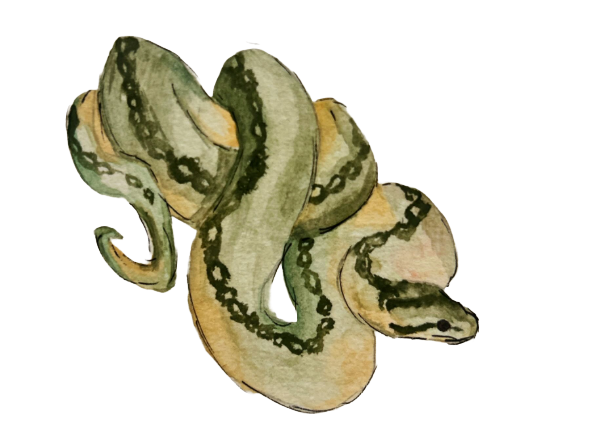
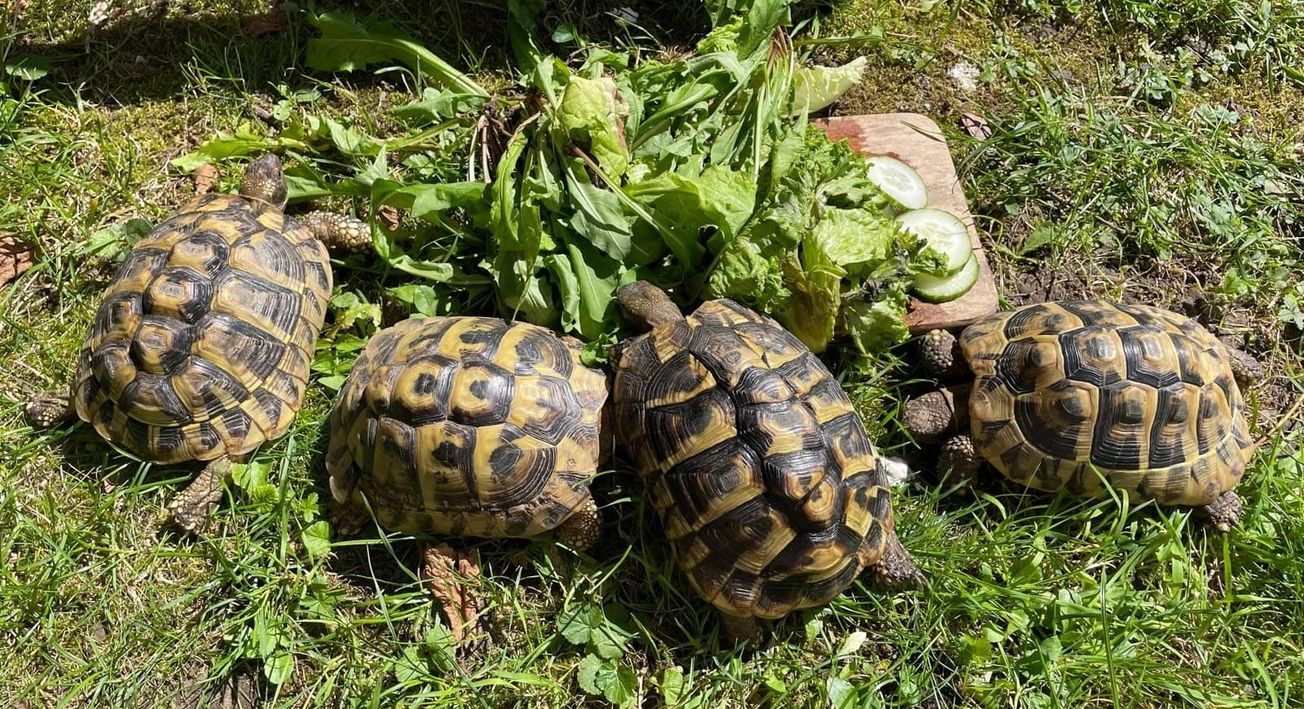
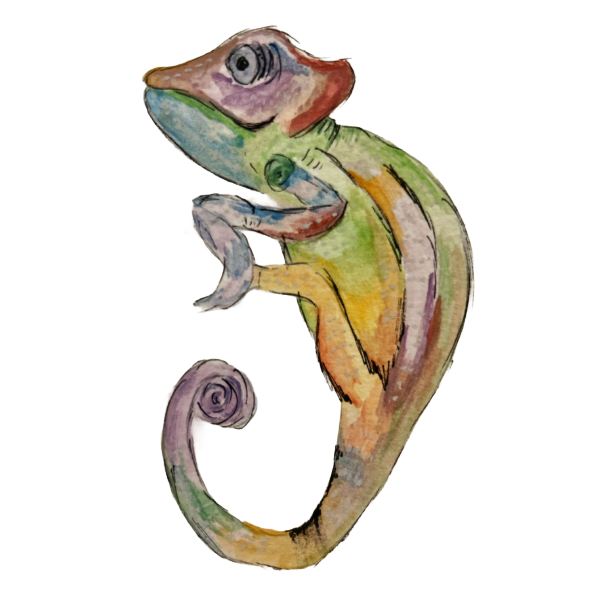
You might be wondering if this is something that affects all reptiles. If you are the owner of a snake or carnivorous lizard you can relax. However, tortoises and herbivorous lizards are at high risk of MBD and even your chameleon with an insectivorous diet isn’t safe. You see, these reptiles’ diets don’t naturally contain vitamin D3, instead they rely on forming it in their skin cells, by the action of UVB radiation i.e. the sun. As they are normally desert dwelling animals, they have no problem meeting this requirement, until we take them into our dark houses. The process of forming Vitamin D3 in the skin is also temperature dependent, so it is vital for you to maintain the optimal temperature range for your pet (think heat lamps).
Vitamin D3 is then converted to its active form in the liver and kidney, which is required for calcium absorption in the intestines. Therefore, a lack of Vitamin D3 synthesis in the skin from insufficient UVB exposure leads to reduced absorption of calcium into the blood.
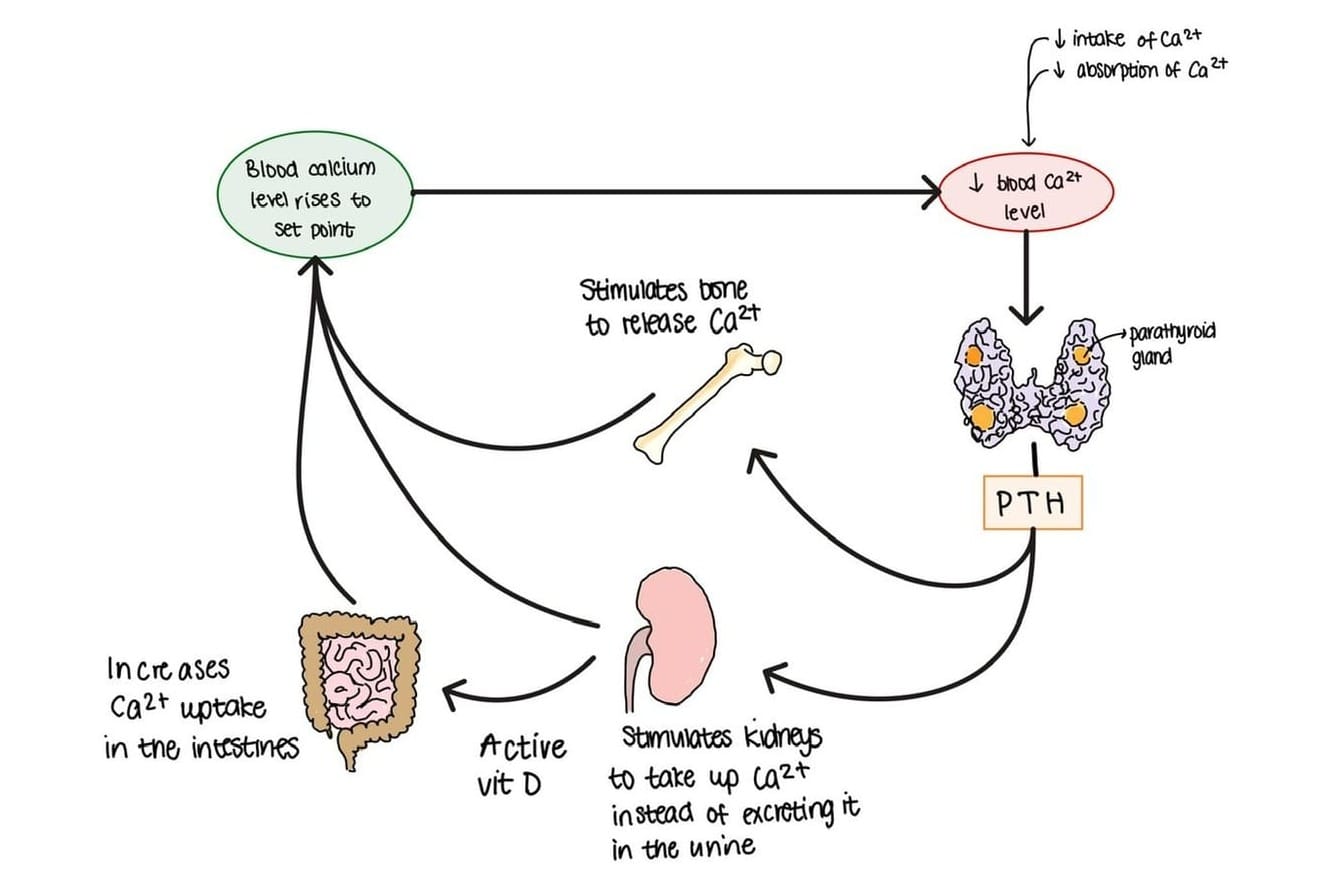
Low blood calcium causes the parathyroid glands to release parathyroid hormone (PTH) which stimulates absorption of calcium from the bone and reabsorption in the kidneys. It also causes active vitamin D production, increasing calcium absorption in the intestines. This brings the blood calcium level back to the normal set point but when low blood calcium intake and absorption persist, too much calcium is reabsorbed from the bones, making them soft so they fracture easily and become deformed.
Only when the total body calcium stores are depleted will these reptiles show signs of hypocalcaemic stress (muscle twitching, tremors, paresis and neurological signs). This means that even if your not-so furry friend seems fine now, you won’t actually know they have MBD until they’re in a state of near death. So, what can you do right now to make sure you don’t wake up to a tortoise with a shell like a stress ball?
Provision of a UV light
Here’s the catch: If you’ve been using your UV lamp for more than 6-12 months, I’m afraid to tell you that its useless… see how easy it is to become one of those 85 per cent? Another thing is that UVB does not penetrate glass or Perspex, so keeping your pet by a window does not check this box.
Heat lamp
And not only a heat lamp, it’s important to have a temperature gradient along the enclosure (or up it for anything that climbs) to allow the reptile to thermoregulate within their optimal temperature zone.
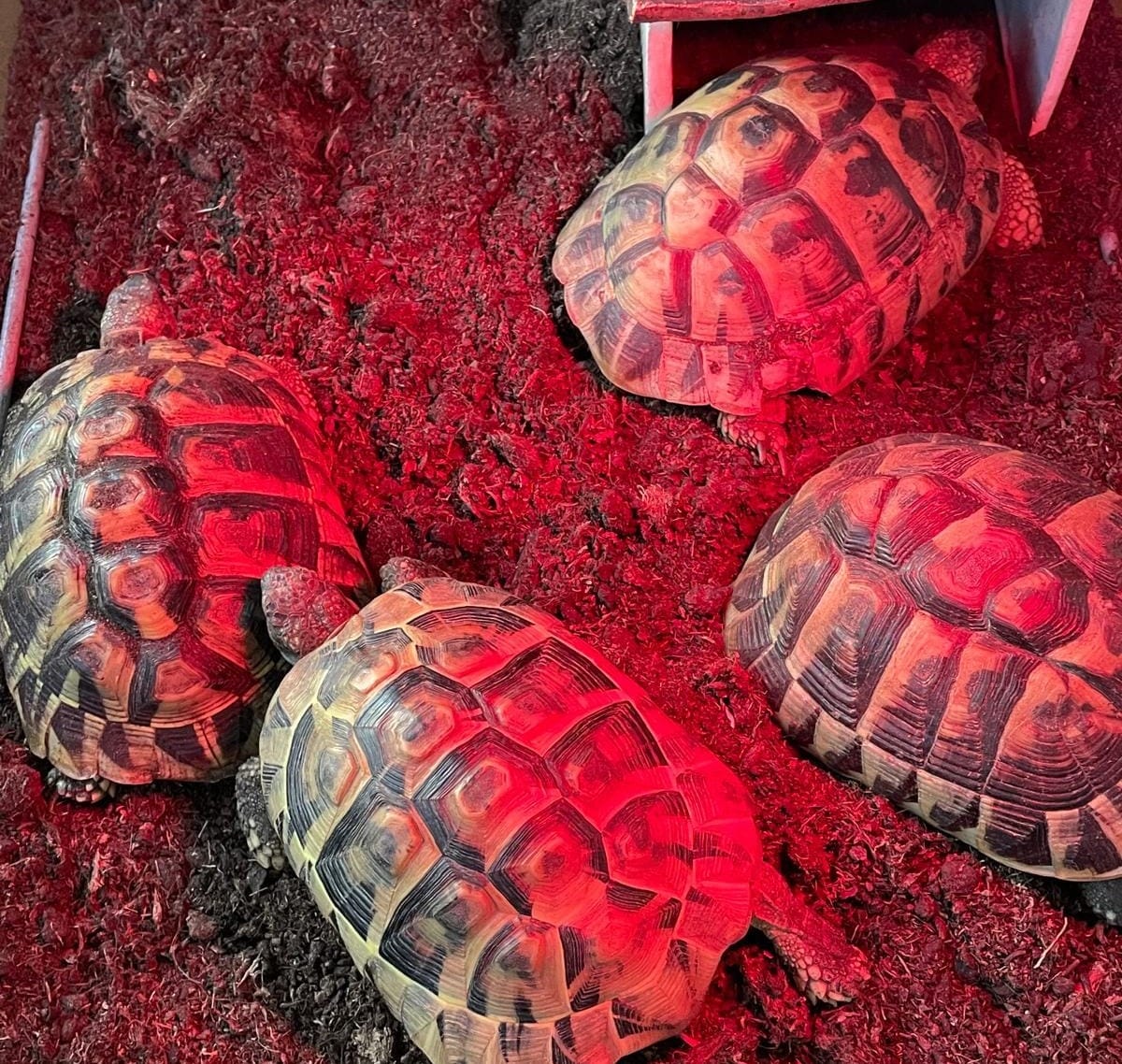
Optimal diet
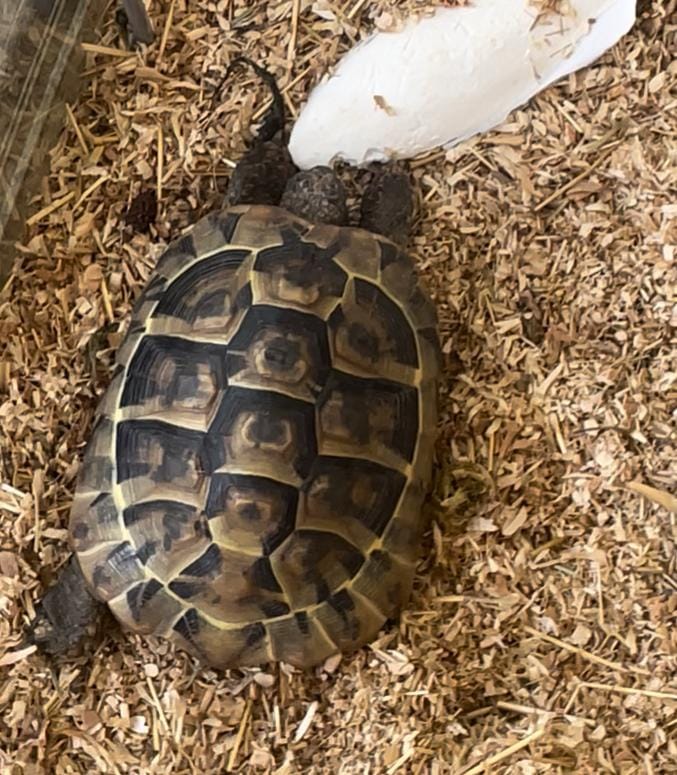
To prevent MBD supplement with calcium carbonate, for example, in the form of cuttlefish bone. It is also important that the diet has the correct Calcium to Phosphorous ratio of two to one – foods like dandelions and many other greens work well too. I should also mention that it is not advisable to supplement vitamin D3 in the diet, especially of herbivorous tortoises, as it’s not present in their natural diet, and can lead to abnormal deposition of calcium in tissues.
Not too tricky is it? That’s what I find most frustrating about the often poor welfare and health of exotic pets, is that it’s not intentional at all. Most reptile owners want the very best for their pets. However, A lack of knowledge, misinformation on reptile forums, and a difficulty in recognising the reptiles welfare status and less common veterinary knowledge proves reptile ownership comes with a unique set of challenges that dog and cat owners don’t have.
Featured image: Epigram / Emma Jonner
Have you got any scaly, or slippery, friends at uni? Let us know! Email us on editor.epigram@gmail.com, or dm us on Instagram (@epipgrampaper_)