By Sophie Mitchell, First Year, Politics and International Relations
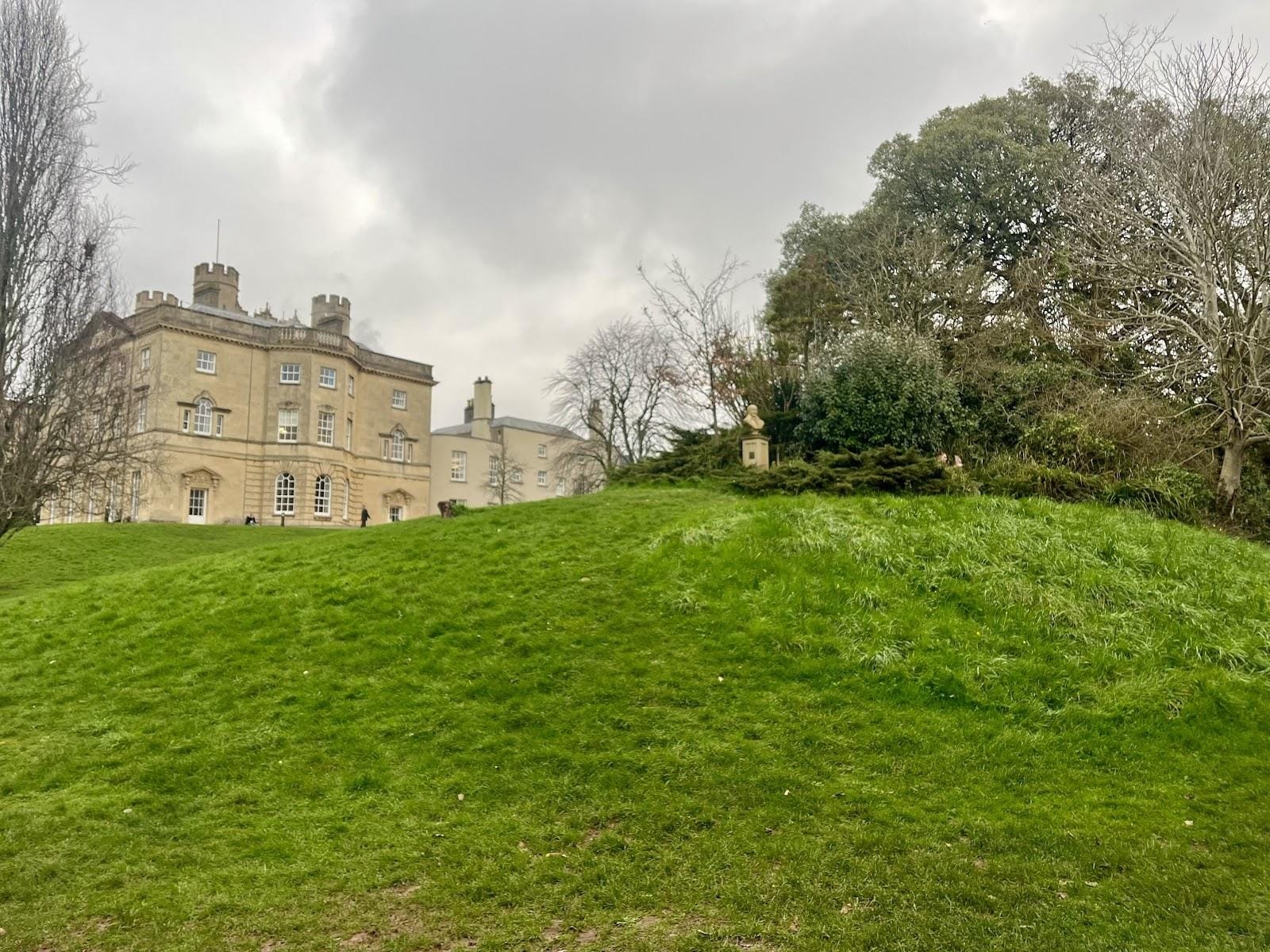
Stretching between the Wills Physics Laboratory, the School of Mathematics and the Queen’s Building, Royal Fort Gardens is a beautiful and accessible focal point that draws the Clifton Campus together. Students pass through this 19th century green space every hour from 9am to 6pm, but the gardens are much more than just somewhere to pass through.
2026 is the first year that Royal Fort is hosting part of the Bristol Light Festival. One installation is a piece by a former Bristol student who used scrap metal, light, and shadow to create elegant ballerina silhouettes. Speaking to Kasha Smal from the University of Bristol Estates Team, we explored the history of the gardens, the role they play in supporting biodiversity in the urban heart of Bristol, and how students can get involved in horticulture on campus.
Passionate about encouraging biodiversity in the gardens, Kasha drew my attention to the efforts made by the team to create flourishing habitats where insects and plants can coexist with the presence of students.
‘Something that we are very conscious of is looking after our solitary bees’ she explains, in reference to a wooden bee hotel tucked away on a side path off the main thoroughfare. ‘Those kinds of structures, with little holes in, a solitary bee might burrow its way in, close the door and do its thing, and it'll be a nice safe environment’. This isn’t the only part of the garden where nature is given a refuge from the city, there is also a Toad Abode by the nature pond, living fences and wildflower meadows.
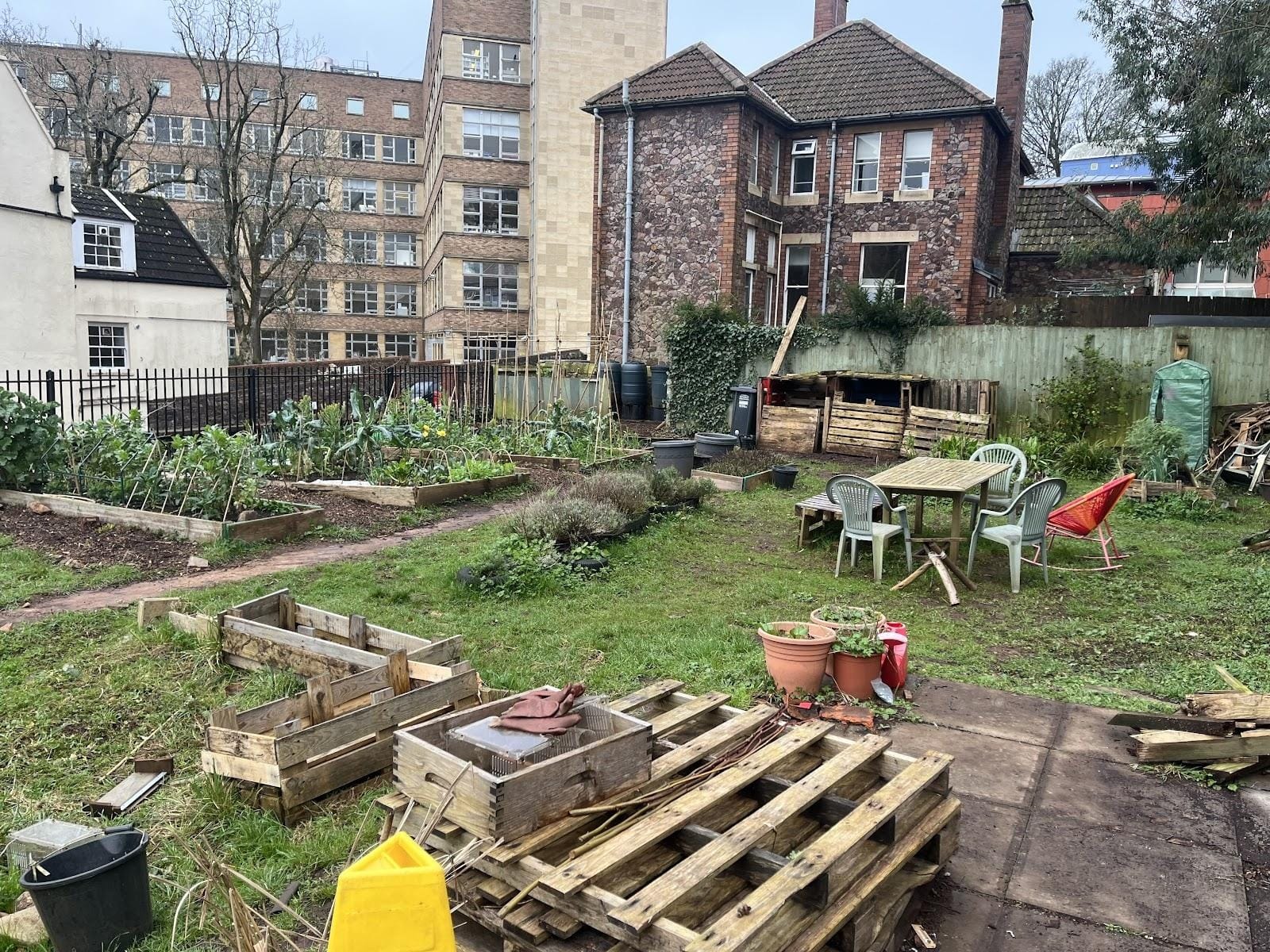
The gardeners are keen to engage students with enthusiastic conversations about conservation and horticulture. ‘Not many people know that we have this little allotment area’, Kasha comments on a little terrace garden hidden around the corner from the main garden. The flourishing crops lined up in the growing beds are taken care of by the student-run Conservation Group.
‘We want our students to use these spaces for their well-being, because it’s very easy to be stuck inside, isn't it? Doing work or being on the internet, doom scrolling. It's amazing, you know, what fifteen minutes out in the fresh air can help with’. The accessibility of the gardens is a point of pride. The team is in regular contact with the local community, including schools and the Bristol Light Festival, which is why it has won a Green Flag Award every year since 2016.
The Royal Fort Gardens were designed by Humphry Repton, who was inspired by the first ‘landscape gardener’, Capability Brown. The ethos of the English landscape movement, originating as a revolt against the more manicured and formal continental style, is still embodied by the Royal Fort team today. Kasha explains, ‘If you do let grass grow […] there's a balance between keeping things neat and keeping them a bit more scruffy for the wildlife’.
Royal Fort was a principle base during the English Civil War and was fortified for the Royalist cause. The original building was destroyed on the orders of Oliver Cromwell in 1655, but an archaeological dig in 2009 found the remains of two bastions on top of St Michael’s Hill, and there are plans for future excavations in the gardens.
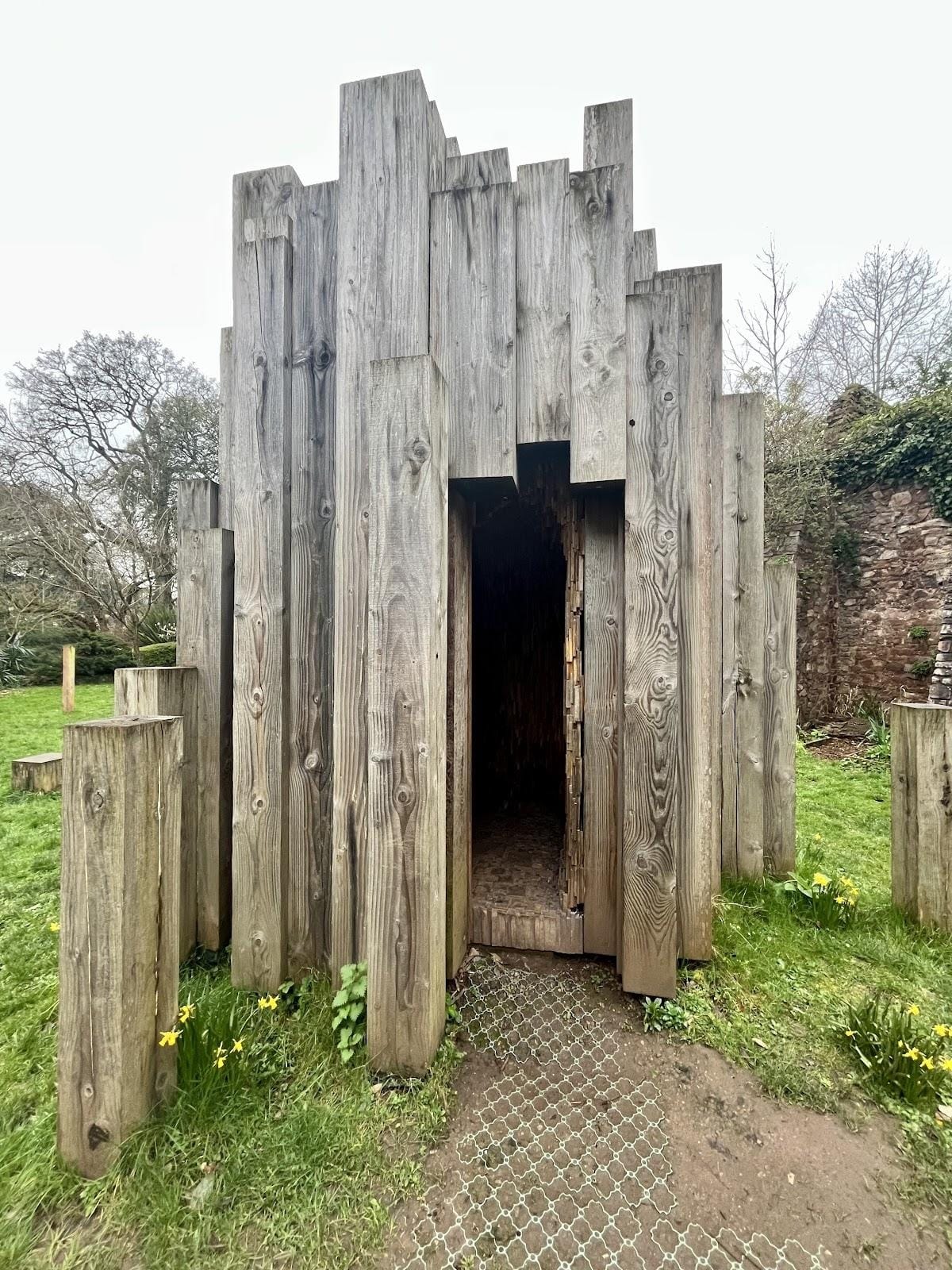
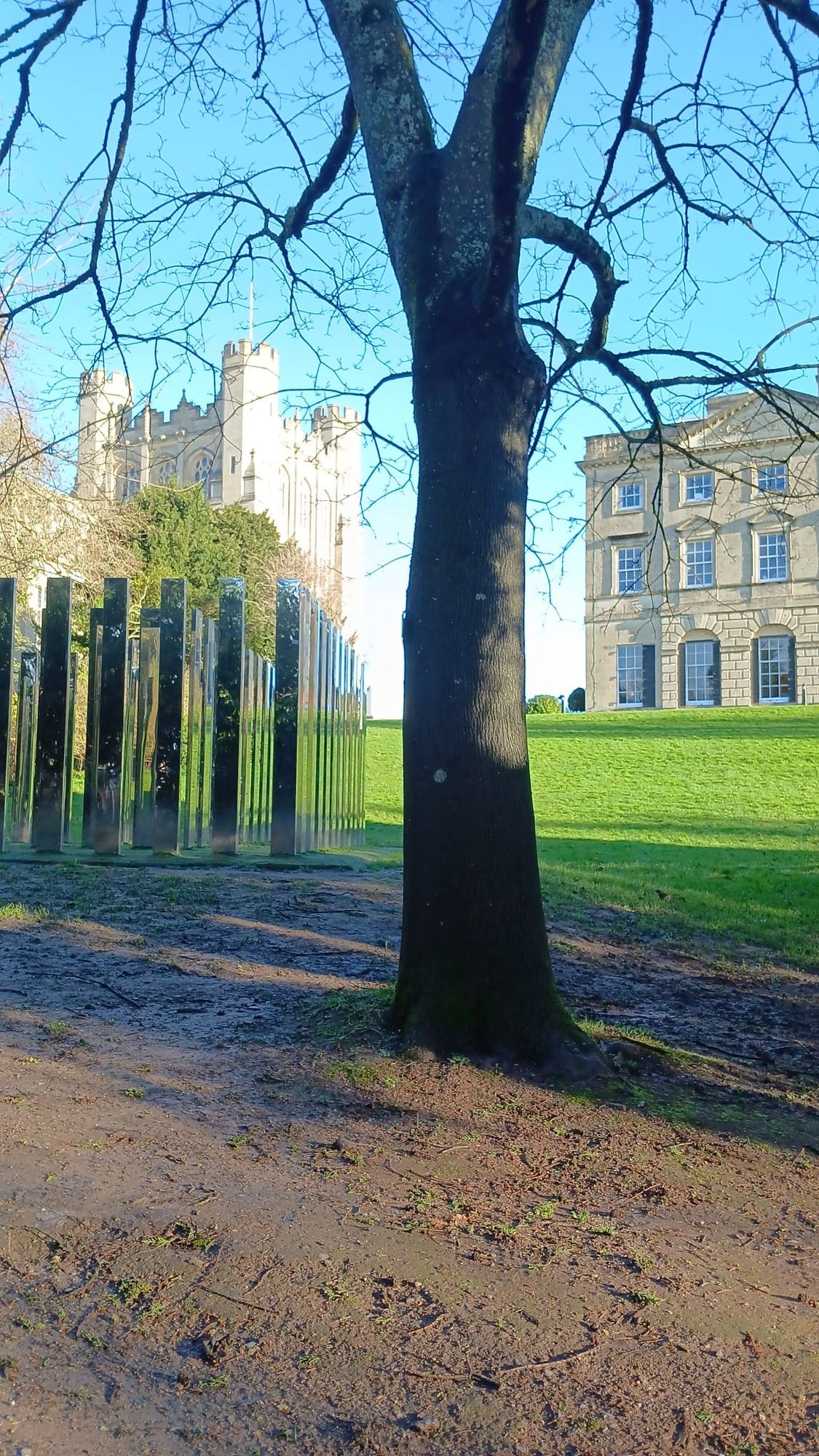
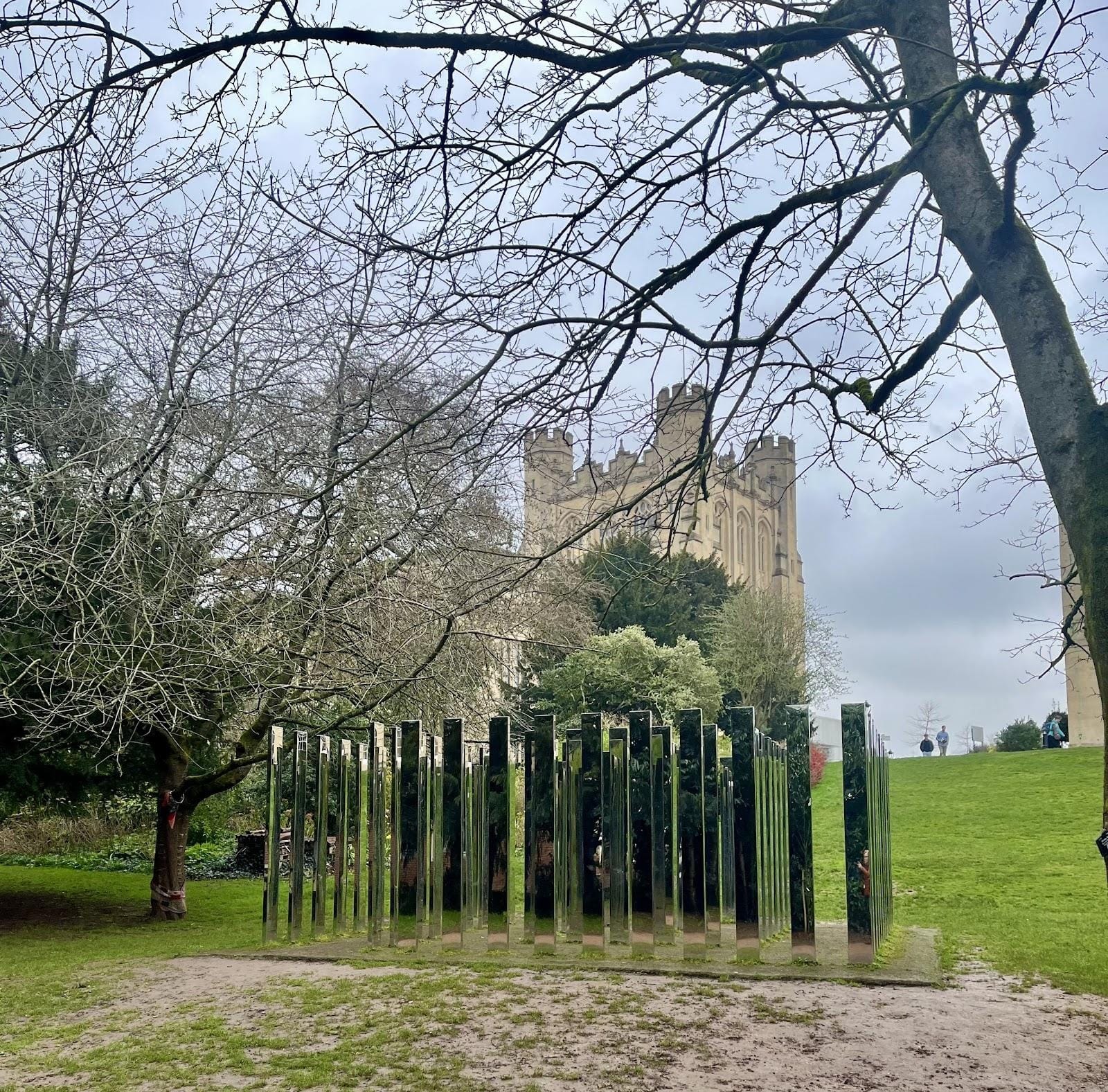
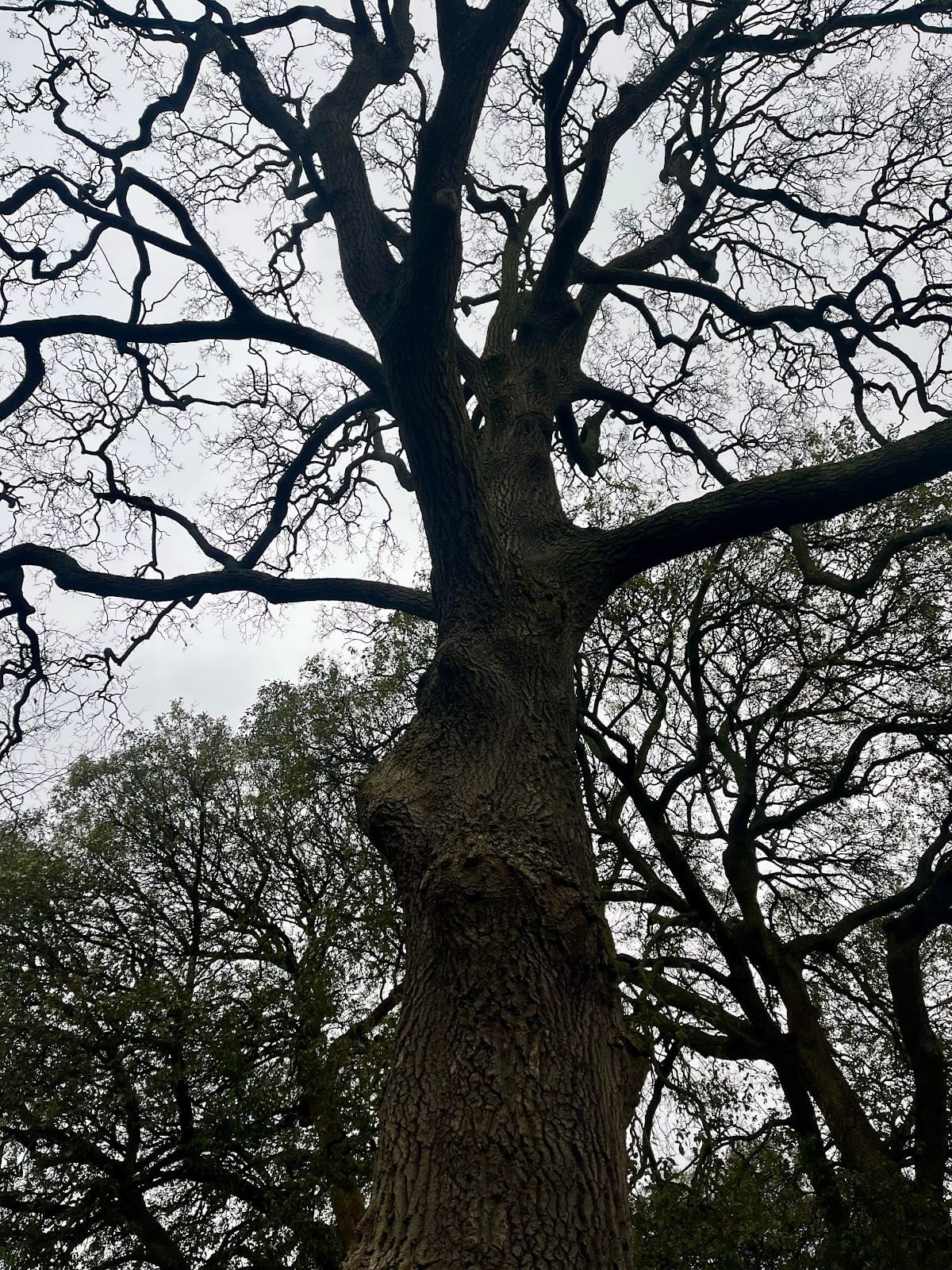
Even if you missed the Bristol Light Festival, there are still several permanent art installations to be discovered in the gardens all year round, including the labyrinthine mirrors that comprise ‘Follow Me’, by Jeppe Hein, and ‘Hollow’, by Katie Paterson, which is home to 10,000 unique tree species. Kasha recalls how ‘Lucombe Oak’, at the centre of the garden, harbours an amazing story: ‘William Lucombe, he was a horticulturalist. He discovered and gave his name to this variety of tree. He also kept some planks of this tree under his bed, which were in preparation for his coffin. Unfortunately, he lived for so long that the planks rotted away’.
 Tom Forbes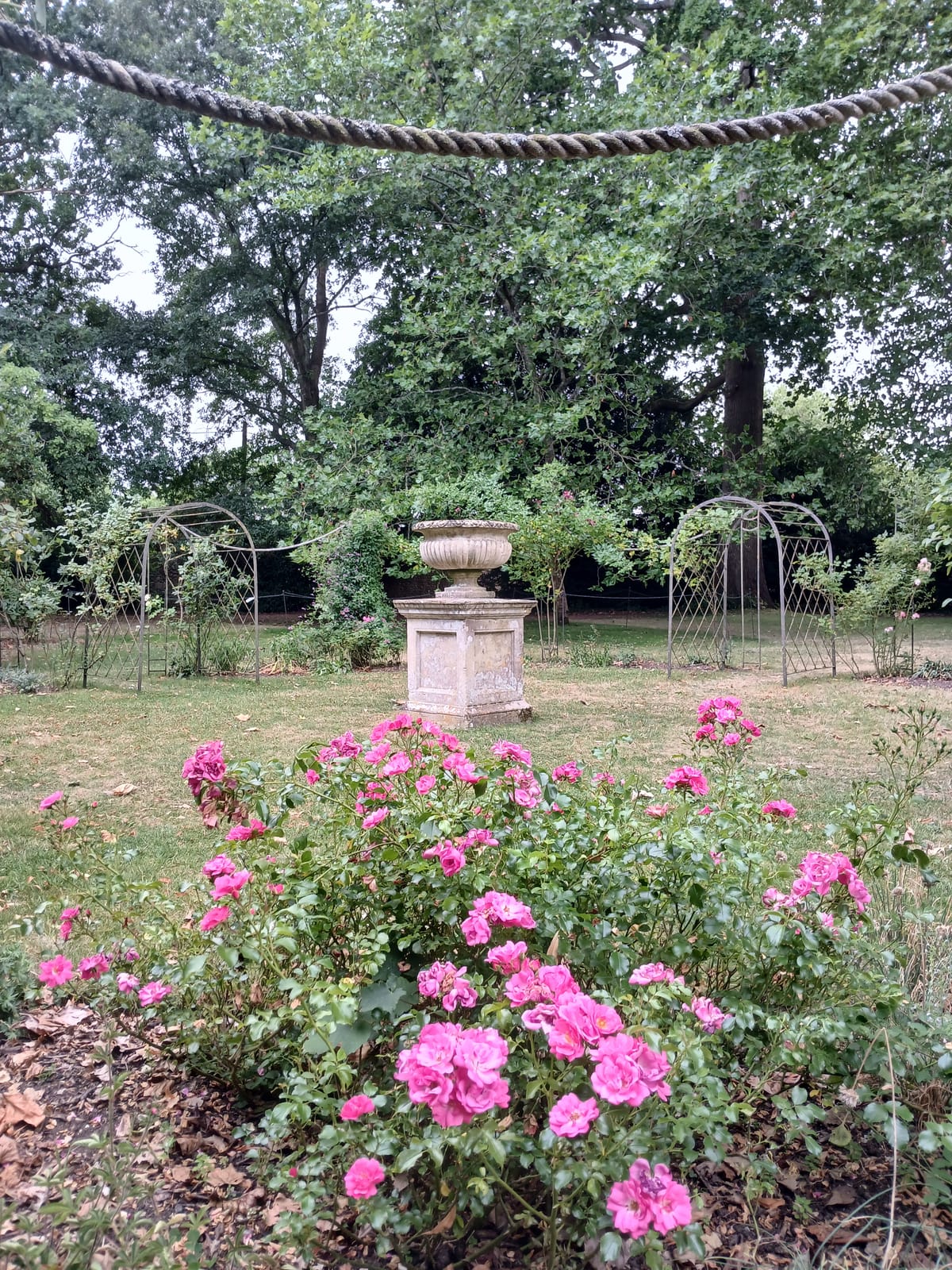
 Anna Dunphy
Royal Fort Gardens represents a place where the public can coexist alongside flourishing biodiversity and conservation, which Kasha credits to a dedicated group of highly accomplished gardeners: ‘We have a hardworking team that you often don't notice, because they're kneeled down in a flower bed, so it's nice to highlight the work that they do’.
The team makes a conscious effort to make the most of the garden’s role as a natural oasis within a dense city, providing a space for students to relax and socialise on a sunny day, or explore a budding interest in the natural world, as well as having a hidden history of great significance to Bristol’s story.
Featured image: Royal Fort Gardens | Epigram / Hannah Corcoran
Instead of merely passing through Royal Fort Gardens, what will you notice next time?