By Matilda Hammond, First Year, Geography and German
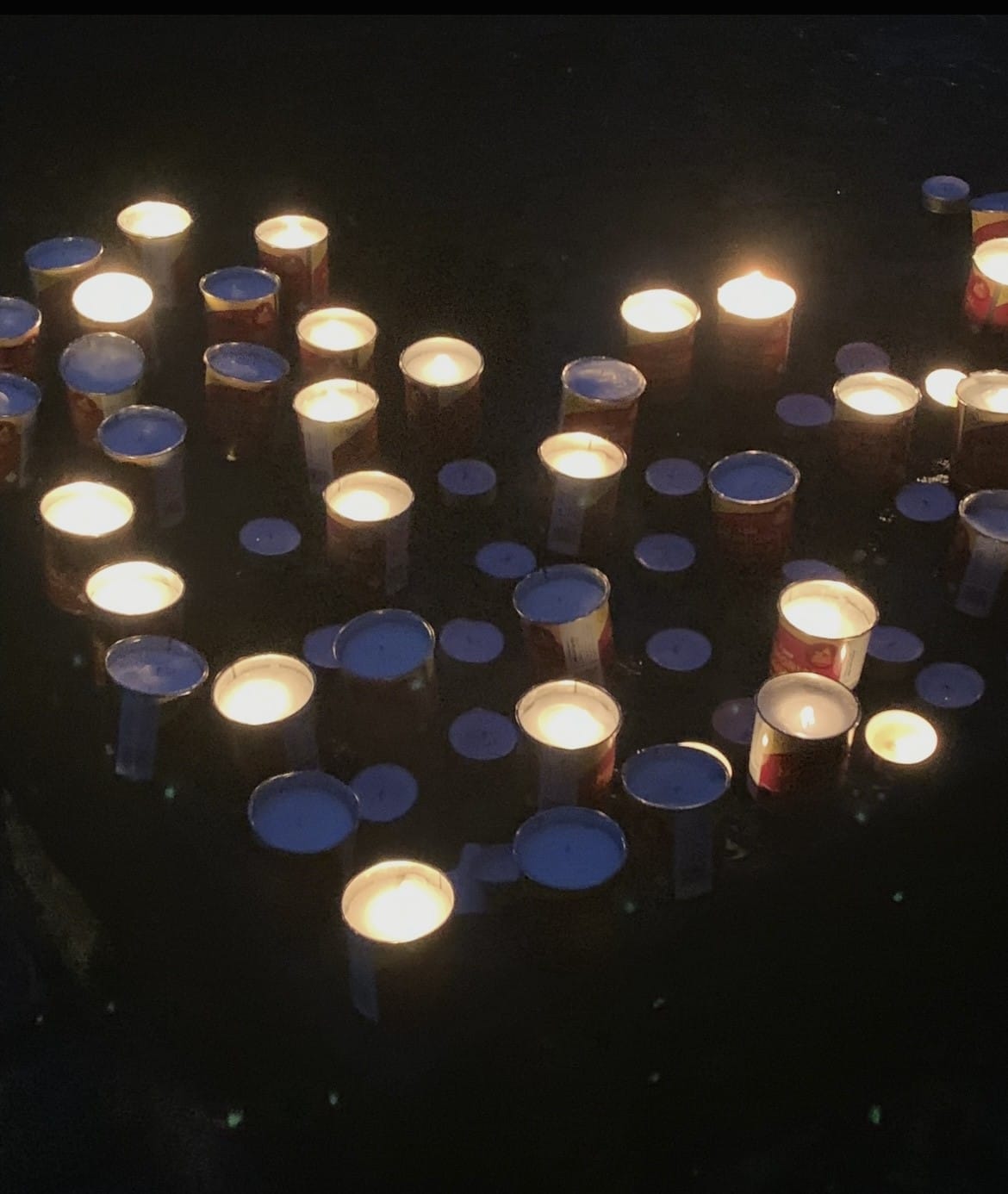
The 27th of January marks Holocaust Memorial Day, commemorating the liberation of Auschwitz-Birkenau by Soviet forces. On this day we come together to remember the six million men, women and children who were murdered by the Nazis and their collaborators during the Second World War. The number of remaining Holocaust survivors is decreasing as these tragic events further into the past - as young people, we have a duty to listen to these individuals’ inspirational stories, to ensure that the memories of the Holocaust are never lost to the passage of time.
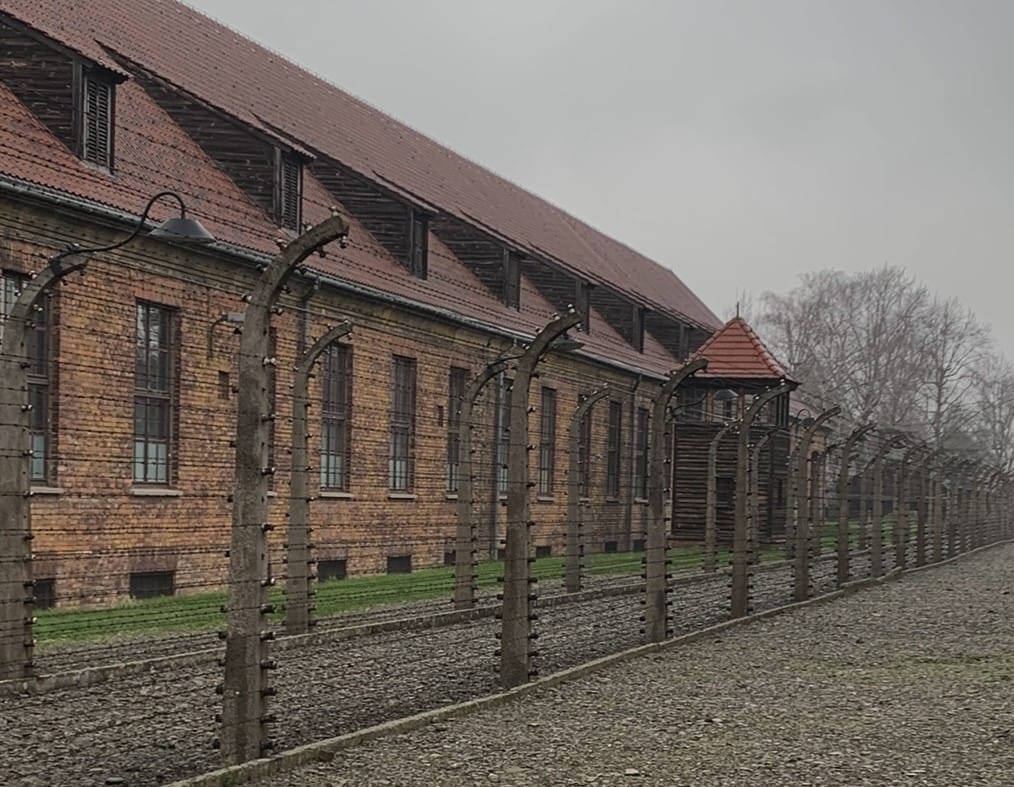
The Holocaust was not one isolated event but was a series of events across Europe beginning long before the gas chambers, starting from small acts of aggression and removal of rights and becoming more radical as the Nazis increased their influence. It is most well-known for its camp systems, in which inmates would be severely mistreated, subject to malnutrition and exposed to life-threatening illnesses whilst being forced to undertake strenuous manual labour. As the war escalated, the systematic murder became more industrial, introducing gas chambers as part of extermination camps such as Auschwitz-Birkenau and Treblinka.
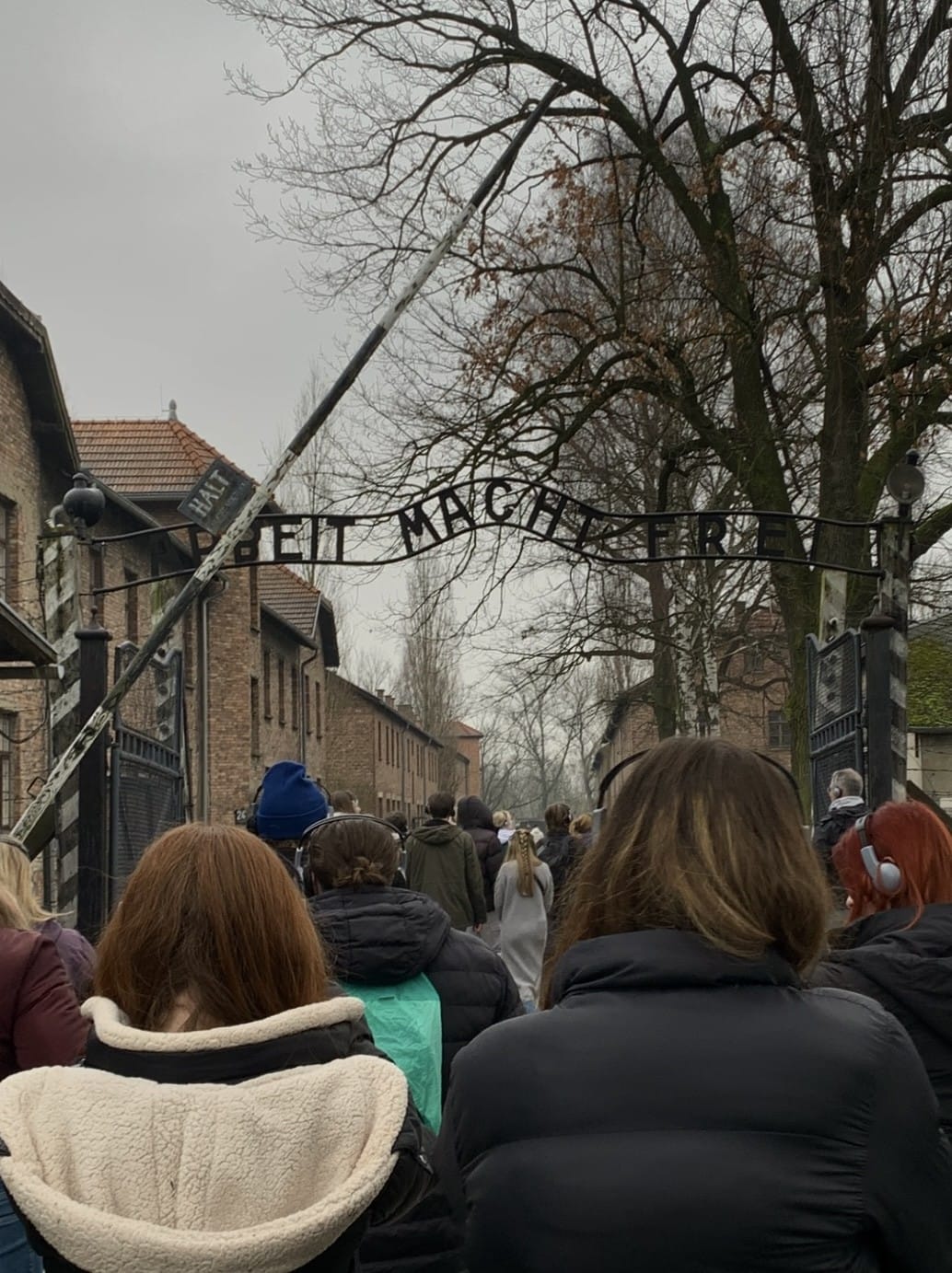
Holocaust Memorial Day serves as an opportunity to remember those millions of people who lost their lives to the brutal Nazi regime. The scale of such an operation is difficult to comprehend, and the statistic of six million deaths can lose value when there is little to compare it to.
However, if you were to stand for a minute of silence for each of the murdered Jewish victims, you would be stood in silence for eleven and a half years.
Additionally, this day is important for remembering individuals for who they were as people, and not as statistics. Each person had their own story – their own aspirations, hobbies and communities. Yet the Nazis tried to constrain them within the identity of their numbers, tattooed onto their arms on arrival in the camps. Their aim was to dehumanise these individuals to align with the Nazis’ view of Jewish individuals being ‘Untermenschen’ – or ‘sub-human’ – therefore reinforcing the importance of remembering victims’ lives as sole stories today, bringing their voices back to them.
‘whoever listens to a witness becomes a witness.’
Following the war, individuals began to speak out about their experiences during the Holocaust through art, literature and poetry. Primo Levi lived as a chemist in Turin, Italy, until he was taken to Auschwitz aged 24. He suffered scarlet fever whilst in the camp and was left in the infirmary to die, then being saved by chance and liberated. Levi then went on to write influential works, both as novels and poems, about his experiences and as a way to consolidate the memory of the camps, as a reminder of the outcome of Nazi prejudice and the devastation this brought onto innocent people. His books, including his memoir, If This Is a Man, are now widely recognised and read, supporting people’s learning of the Holocaust. As Elie Wiesel, another Holocaust survivor, said ‘whoever listens to a witness becomes a witness.’ Hearing and sharing these stories is a powerful way to remember these events, so you are encouraged on this Holocaust Memorial Day to research a Holocaust victim and hear their story.
Two other influential memoirs include Night (Elie Wiesel) and Man’s Search for Meaning (Viktor Frankl), both exploring the importance of faith and trust during their times of incarceration. Many other accounts have been written, all bringing a unique perspective on the subject to preserve the recollections of the horrors witnessed, and to help us to understand the tragedy of the events.
 Oliver Cohen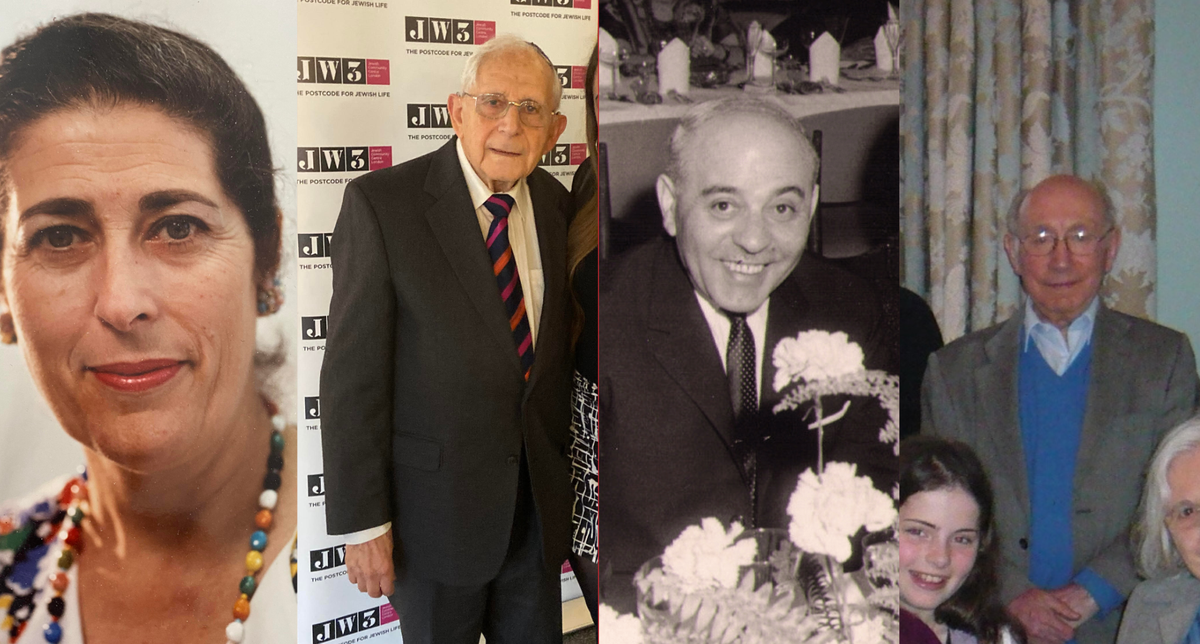
 Edward Wallace
To mark Holocaust Memorial Day, Bristol City Council is hosting an event on the 27th of January at City Hall on College Green to commemorate this period, bringing together speakers on the trauma of the Holocaust. This year’s theme for the Memorial Day is ‘Bridging Generations’, highlighting the responsibility we, as a younger generation, have for remembering the past and learning from these events. For further information of how the Holocaust connects to your local area, whether that is Bristol or your home, you can find the UK Holocaust Map through the Association of Jewish Refugees’ website, providing information on different people’s stories across the UK, both during and after the Second World War.
As the Holocaust becomes further into the past, it is more important than ever to preserve the memories of the innocent people who lost their lives. Try to find out more about these individuals, to bring back the humanity which they were stripped of, and to remember them as independent people with their own story, rather than just as the statistic of six million.
Featured Image: Epigram / Matilda Hammond
Will you attend the memorial event?