By Lindsay Shimizu, Third year, English
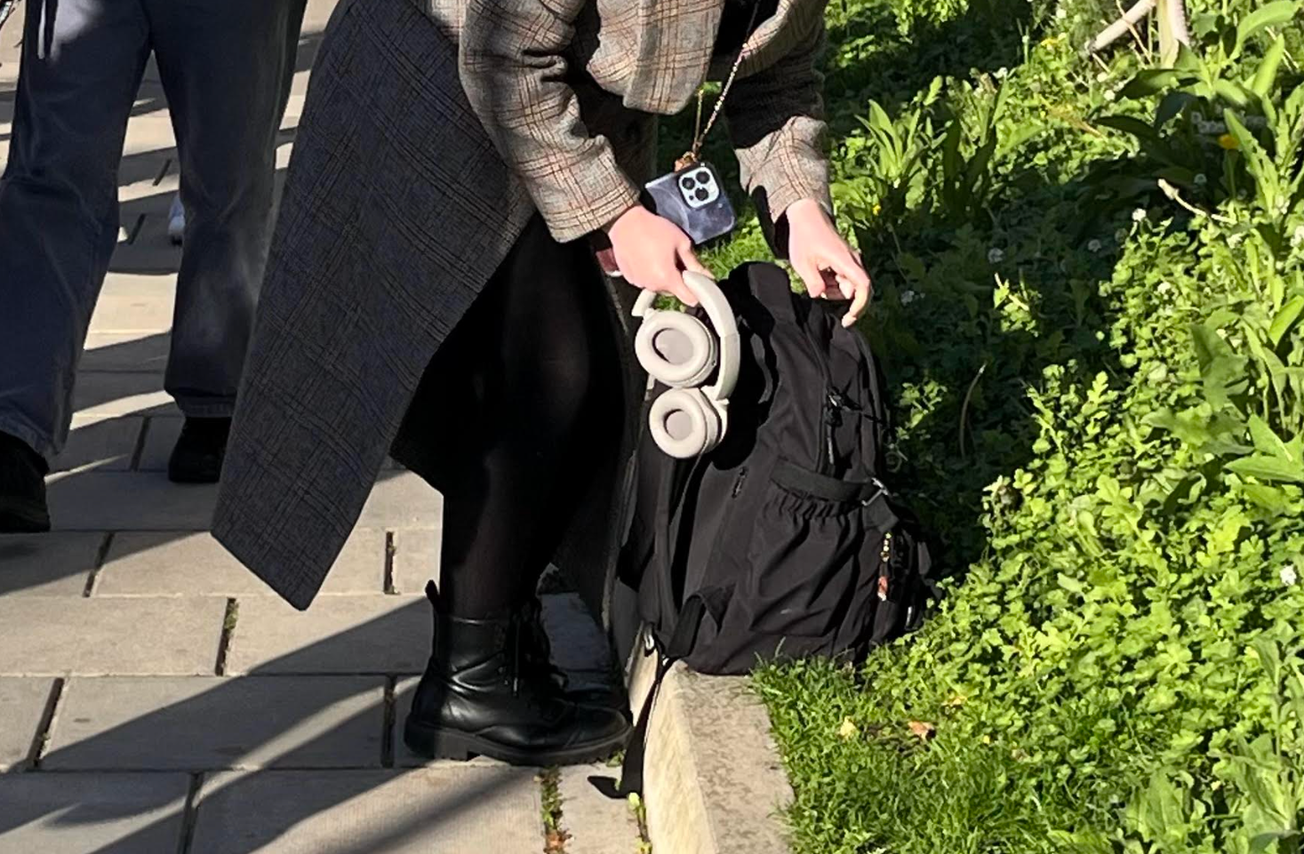
Last semester I took advantage of my noise-cancelling headphones to fill in the gaps in my day unoccupied with lectures, seminars, or studying. My walks to school were filled with news debriefs and I brushed my teeth to podcasts about T.S. Eliot. When I wasn't fixated on cramming in more information, I soon found comfort only in blocking out every other noise. I soundtracked every errand and task in and outside my flat. By the end of term, I wore my headphones for more than five hours daily, and I couldn’t get through a day without them.
This summer, my precious over-the-ear headphones broke, and I was reduced to listening on a cheap pair of wire earbuds. When the earbuds gave out too I was stuck without anything at all. I didn’t intend to delve into my listening habits or the effects of headphone usage, but life without noise cancellation forced me to look plainly. Like any automatic part of our routine, headphone use and its effects, both good and bad, easily go unnoticed.
On campus, I’ve come to inadvertently notice who’s wearing headphones and who isn’t. Spoiler: most students are. Headphones and, particularly, noise cancellation are popular for a reason. Many students face overstimulation, overwhelmed by environmental triggers like loud noises or excessive visual stimuli. Headphones combat sensory overload and instead offer silenced distraction, increased focus, and reduced anxiety. For students with specific sensory processing disorders, headphones block out triggers which accommodate and improve their learning.
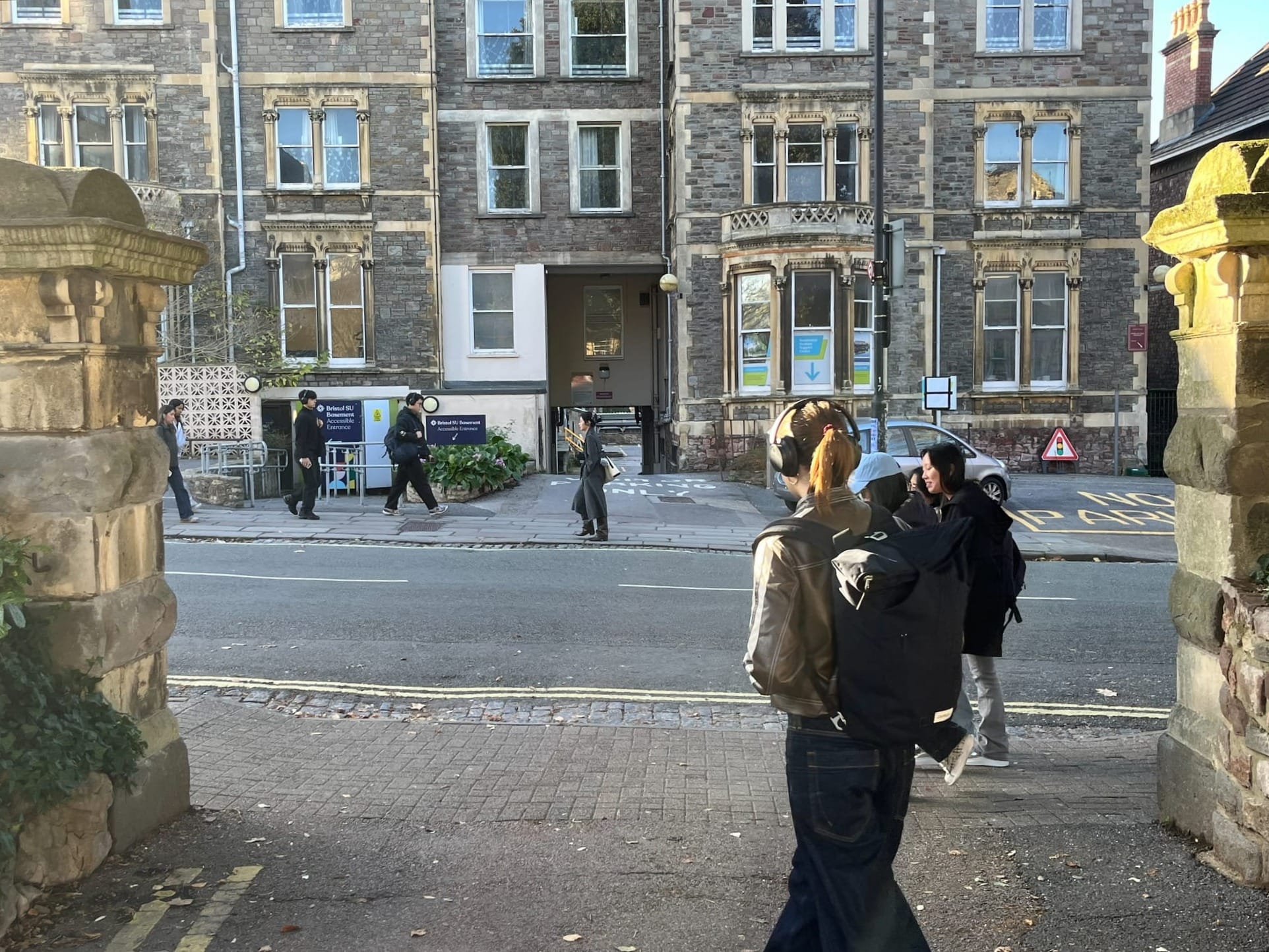
Walking to school, even without personal diagnoses, felt calmer when I didn’t hear city noise or loud cars or horns. However, on days when I left headphones behind, due to the weather or mere forgetfulness, these walks were suddenly harder, even more overstimulating.
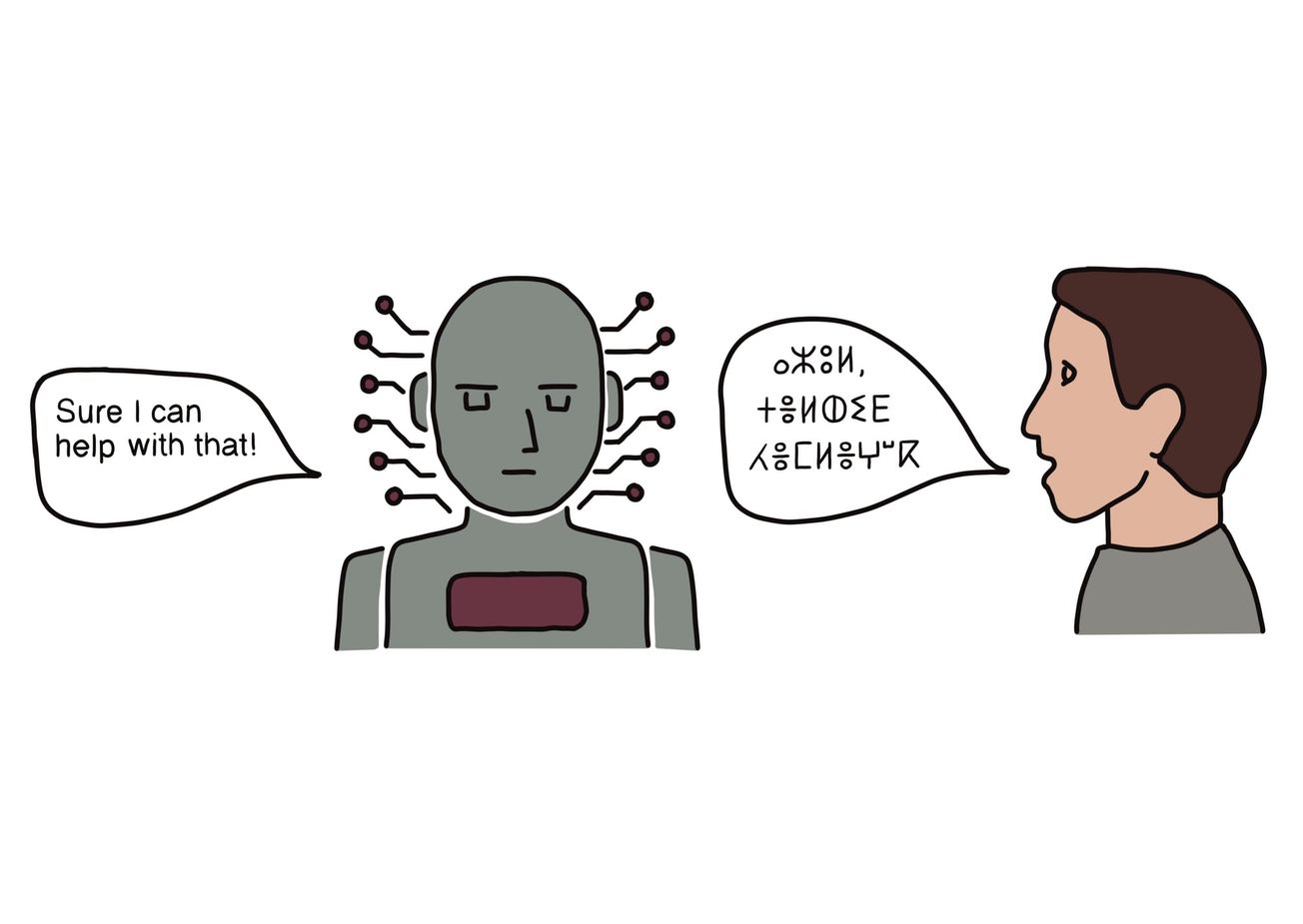
I went from ‘It’s hard to focus with external noise’ to ‘I cannot function if I do not block out everything’. Conversations have started on whether headphone usage is correlating to a rise in APD, an audial disorder that worsens one’s ability to understand sounds including spoken words. I wasn’t struggling to hear, but I was certainly counteracting the proven benefits of walking or silence. The same headphones proven to reduce anxiety were making mine worse because they kept me from mindfulness. Constantly distracted, I couldn’t even sit in silence with my own thoughts. Headphones seem to be a quick solution to overstimulation, but they can easily become a crutch. By no means can they work alone in reducing sensory overload.
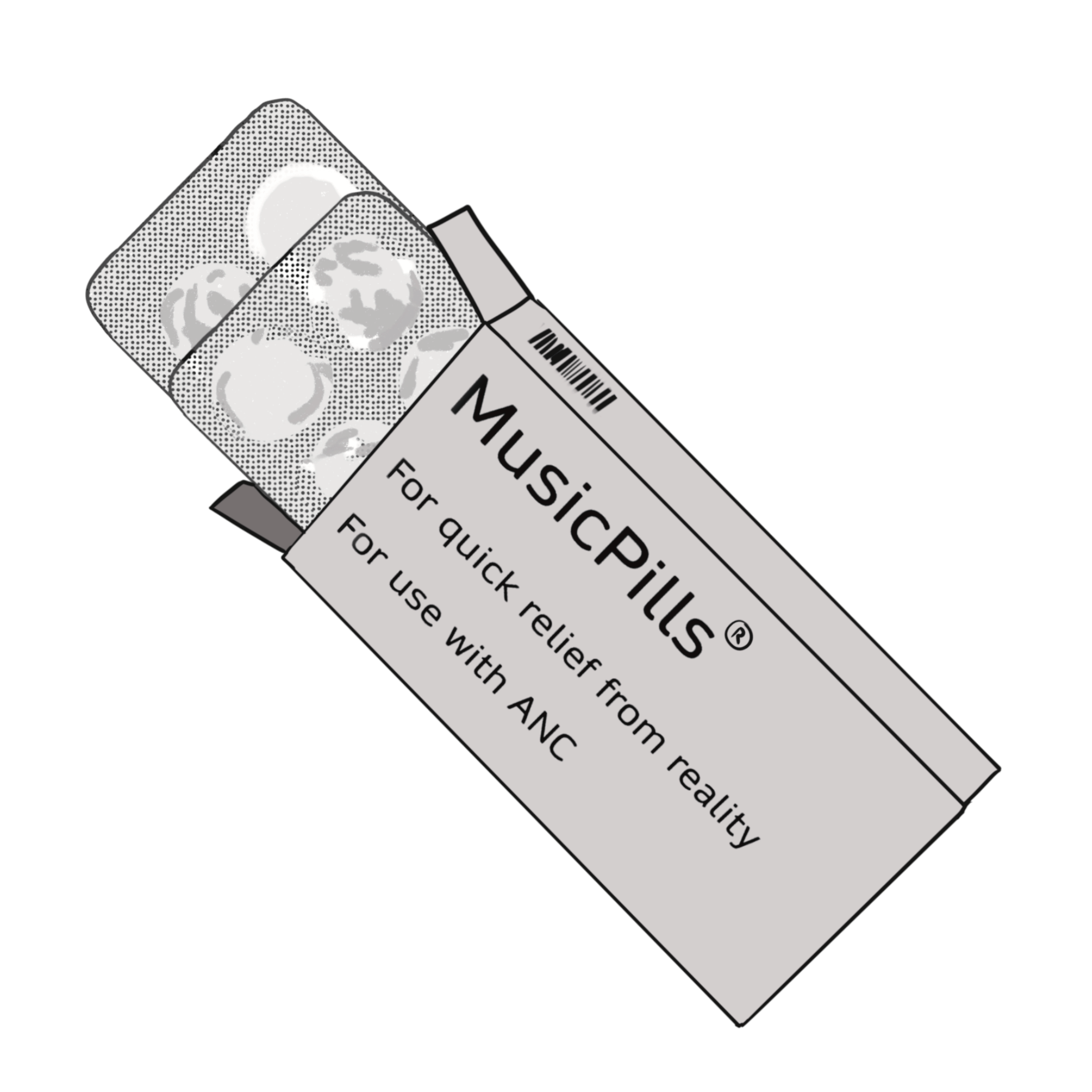
My summer continued, and I bargained with which anxieties to confront. When my headphones broke, I immediately wanted a new pair. Facing outside noise and boredom without noise-cancellation seemed impossible. And yet, I felt so overwhelmed that headphones really had impacted my life so greatly. Could I really not listen to myself anymore? How had I come to depend on needing to hear something in my ears at all times? And when there was something playing, how often was I actually listening to understand? With these questions swirling, I put off purchasing a new pair until the start of fall semester.
I experimented with limiting background noise out of necessity, but I spent the summer realising that sitting in silence and facing jarring noises was, in fact, possible. I did end up buying new headphones this year, and I still struggle with anxiety. The difference now is how I choose what to do next. Walking to campus, for instance, is now a deliberate and conscious effort to leave my headphones at home. It gives me agency and control, feelings often lost when I feel my most anxious. Though the walk is still boring, walking and silence and boredom make me feel more reflective, creative, and calm. It’s a chance to think and sometimes talk aloud (no business worrying if people are listening–they all have headphones on).
When it comes to headphones, there are times in your day where I am sure you put them on, not because you’re excited to listen to a new song but simply because you just don’t want to hear what’s going on around you. Beyond reducing headphone use, I encourage you not to stop, but just experiment. Try walking without headphones or take them off to do the dishes. Ask yourself: ‘What happens when I sit in discomfort. If I stop listening, what might I hear?’
Featured Image: Epigram / Lindsay Shimizu