By Beth Nugent, Third Year, Film and Tv
In 2021 the Women in Theatre forum found that gender inequality within the UK’s arts sector was ‘disgraceful’, calling upon theatres to improve their representation drastically. Since then, some tangible progress has been made. On paper, the National Theatre has achieved their pledge to stage equal amounts of plays directed by men and women. But unfortunately women are statistically far more likely to have shows staged in one of the smallest National Theatre venues the Dorfman, which can seat up to four hundred and fifty people, as opposed to the Olivier which can house one thousand one hundred and fifty people, home to the majority of male directed plays. Misogyny within the arts seems to be persistent.
Epigram spoke to students who frequently partake in performing arts societies at university, such as Music Theatre Bristol (MTB), DramSoc and Spotlights, to see if this issue is present on our home front.
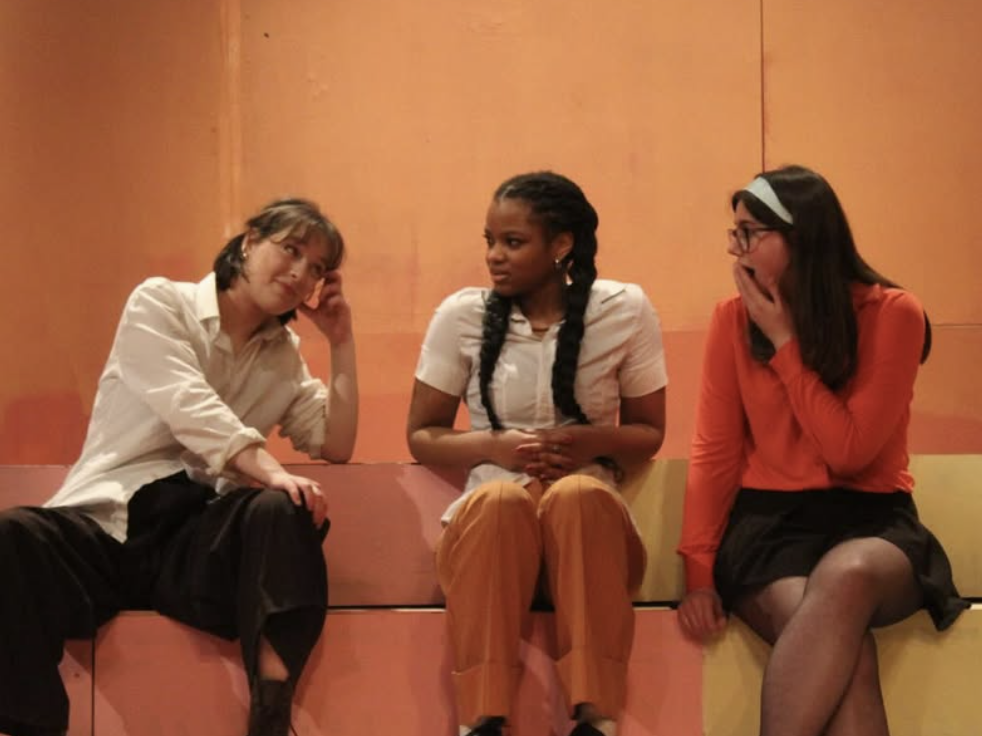
At first look, Bristol University’s performing arts scene seems promising. When looking at the gender make up of directors in these societies just this academic year they are overwhelmingly female driven. This year DramSoc and Spotlights had an equal split of female and male directors directing their full-length shows and of MTB's five directors of full-length musicals, four were women.
The content of the last academic year's shows was undeniably feminist also. MTB staged 9 to 5, a musical which explored sexism and internalised misogyny in the workplace and DramSoc’s intrinsically feminist play Why is John Lennon wearing a skirt put female focused issues under a microscope. Both shows were directed by a female director and both had main show slots within The SU’s Winston Stage.
‘We wanted to create an environment where anyone could get into the show based on their ability not their gender’.
So comparatively to the professional industry, Bristol university societies are trailblazing. They are consistently embracing telling women’s stories through female directors furthering opportunities for women to develop their skills in an industry that is heavily slanted towards men.
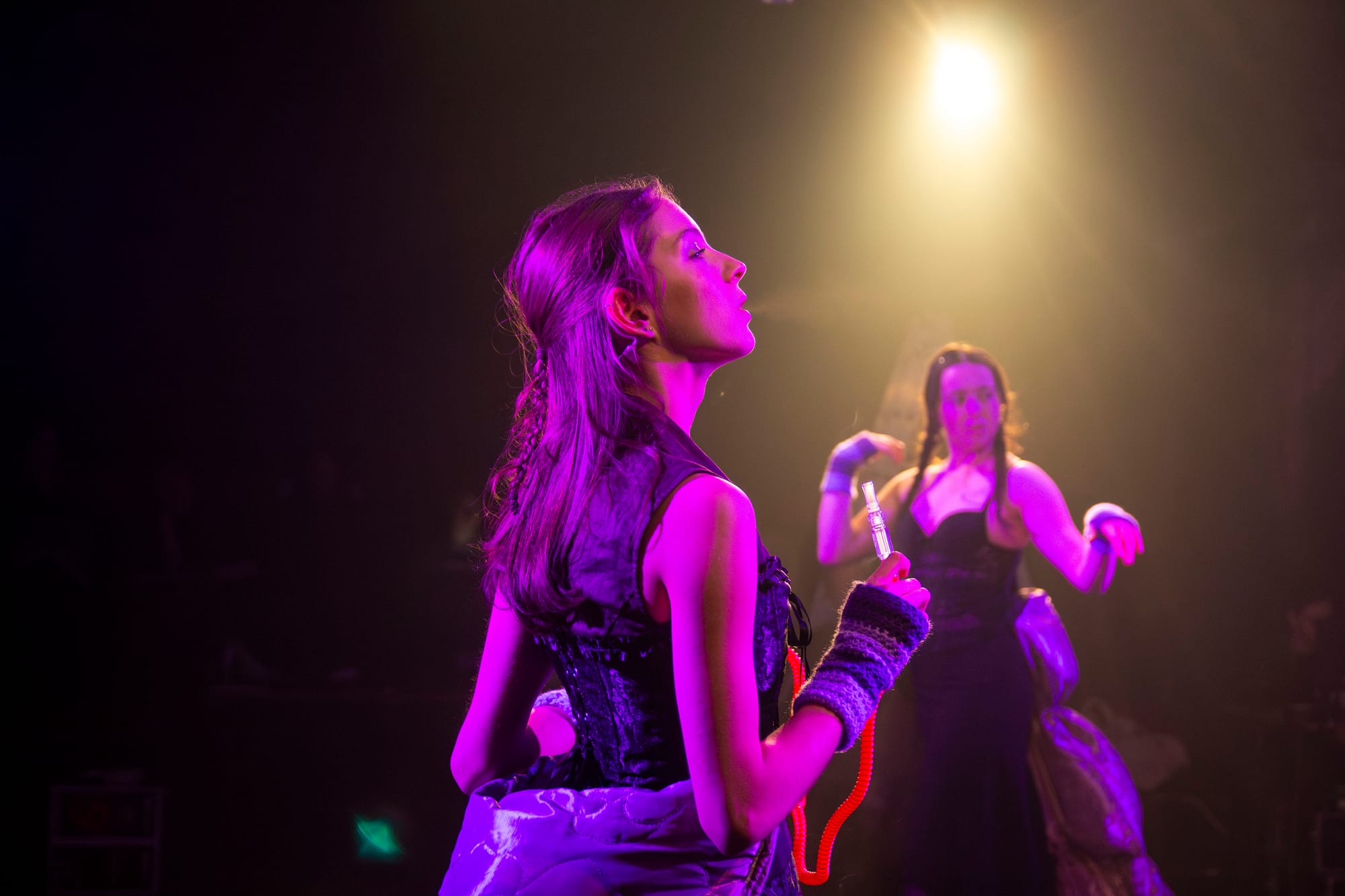
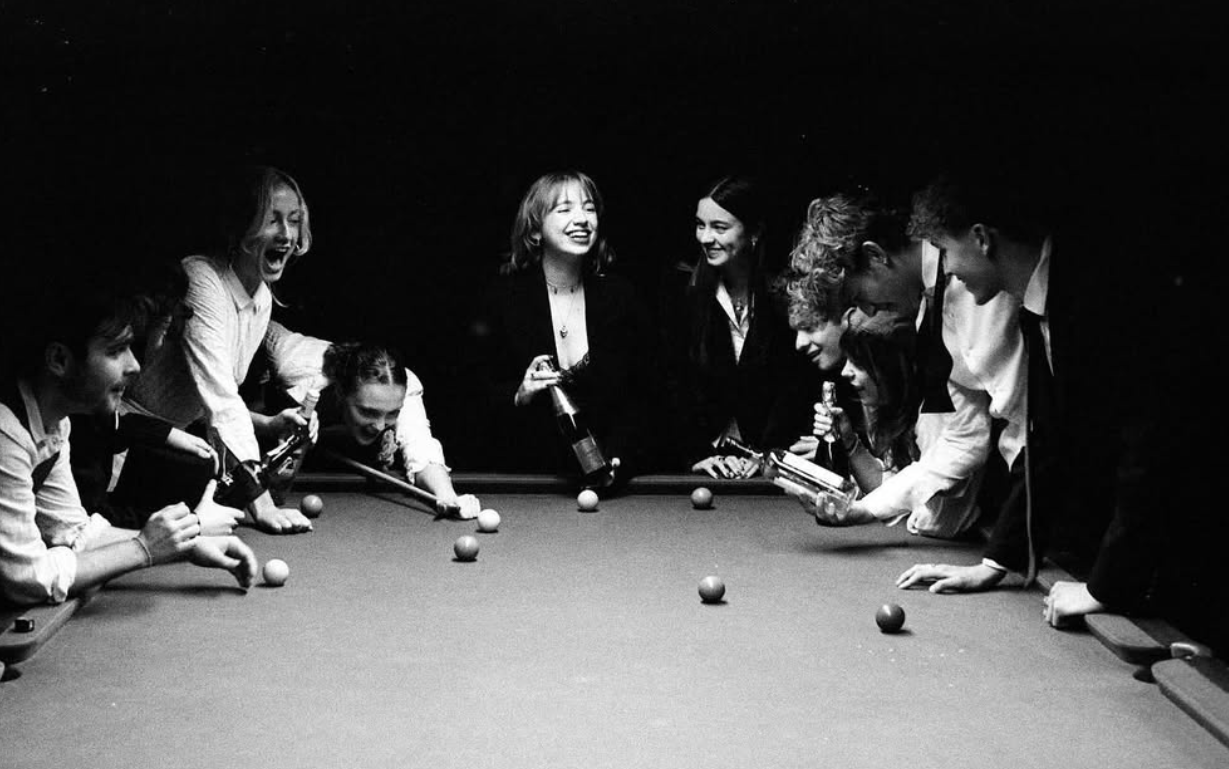
These Performing arts societies are also conscious of their large percentage of female presenting members and have made positive adjustments to ensure opportunities are present for all members. Dramsoc’s show Posh, traditionally played by an almost entirely male cast, was mostly cast gender blind to allow for greater proportionate opportunity for female members. A similar approach was taken in MTB’s Alice by Heart. Producer Joe Balls told Epigram ‘We wanted to create an environment where anyone could get into the show based on their ability not their gender’.
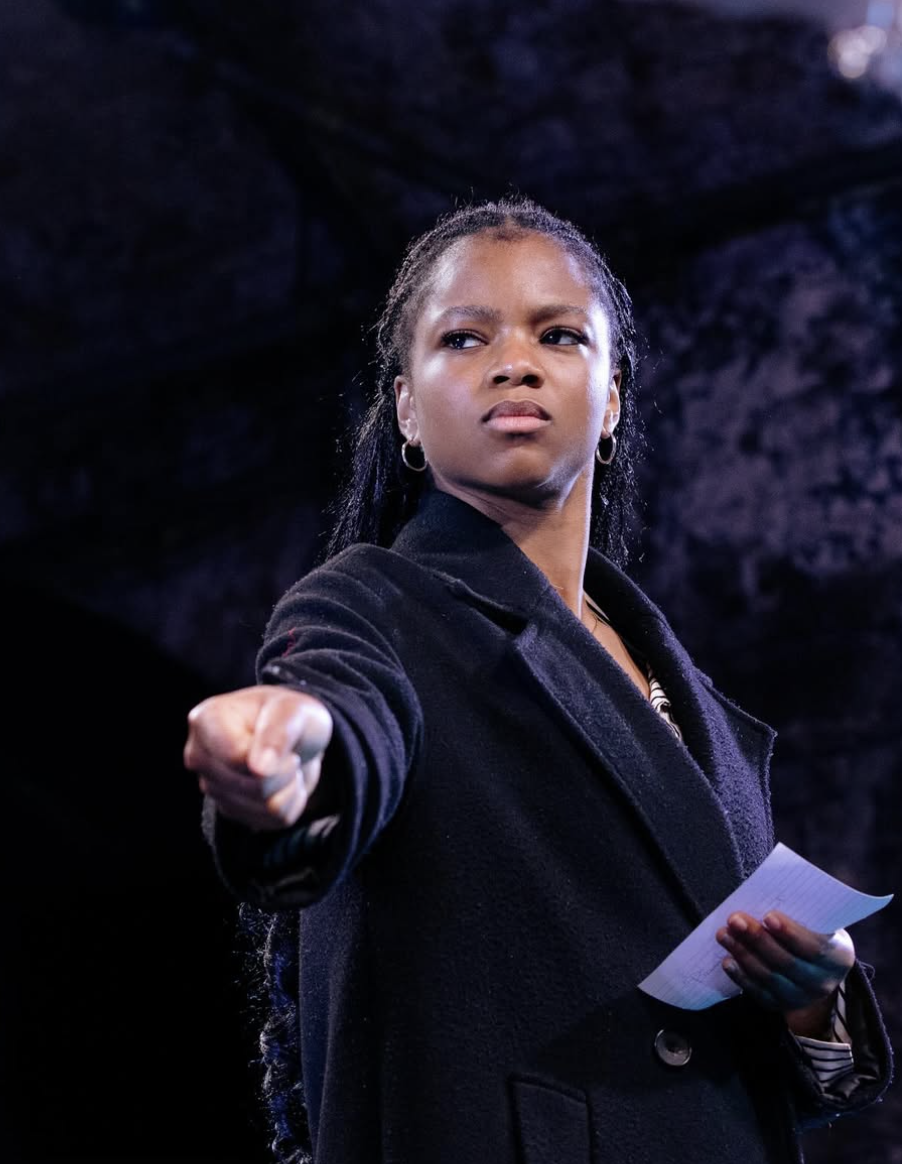
However, not all is positive on the gender equality front. Having spoken to key leadership figures within these performing arts societies, gender equality is not always achieved. A director’s role involves commanding a room to get the attention of an entire cast. Issy Davy, director of 9 to 5, noted that while she felt she ‘earned the respect’ of her cast in the rehearsal room, she noticed in other productions women in positions of power have an instinct to ‘ask people to be quiet’ instead of telling them to be. Consequently, she noted that ‘[As a female director] you don’t have as much fun [...] because [the cast] think of it as an option and they are going to choose to say no’.
‘People who aren’t men are told their feelings don’t matter’
Beccy Smart, outgoing president of MTB and producer for DramSoc’s Dance Nation gave more insight into the dynamics of a rehearsal room. Smart said it's ‘emotionally and physically draining’ at times. She went on to express her frustration at the double standards saying ‘I think if some girls in theatre acted the same way as boys do in the rehearsal room, they would get a bad rep for being rude and they would not get cast’.
Chloe Firrell, producer of Spotlights Antigone 89, incoming Vice President of the STA and incoming Producing rep for DramSoc works tirelessly behind the scenes to bring a show to life. Having organised schedules, booked rooms and sourced props, she knows her way around a Bristol performing arts show. And yet she said that members of the society ‘don’t fully acknowledge how much work goes on’ and that a few of the male production crew she’s worked with ‘neglect the fact that you’ve [as a woman] put work into their show and they think it’s about them, it’s their baby’. In her two years working within these societies and partaking in production meetings, Chloe has noticed that at times ‘People who aren’t men are told their feelings don’t matter’ and if she was to raise a valid concern she’s told to ‘calm down because otherwise [she’s] being dramatic’. It’s these attitudes that are born at amateur level that contribute to the fact that women in professional theatre are less likely to be given a second chance if they fail, then men.
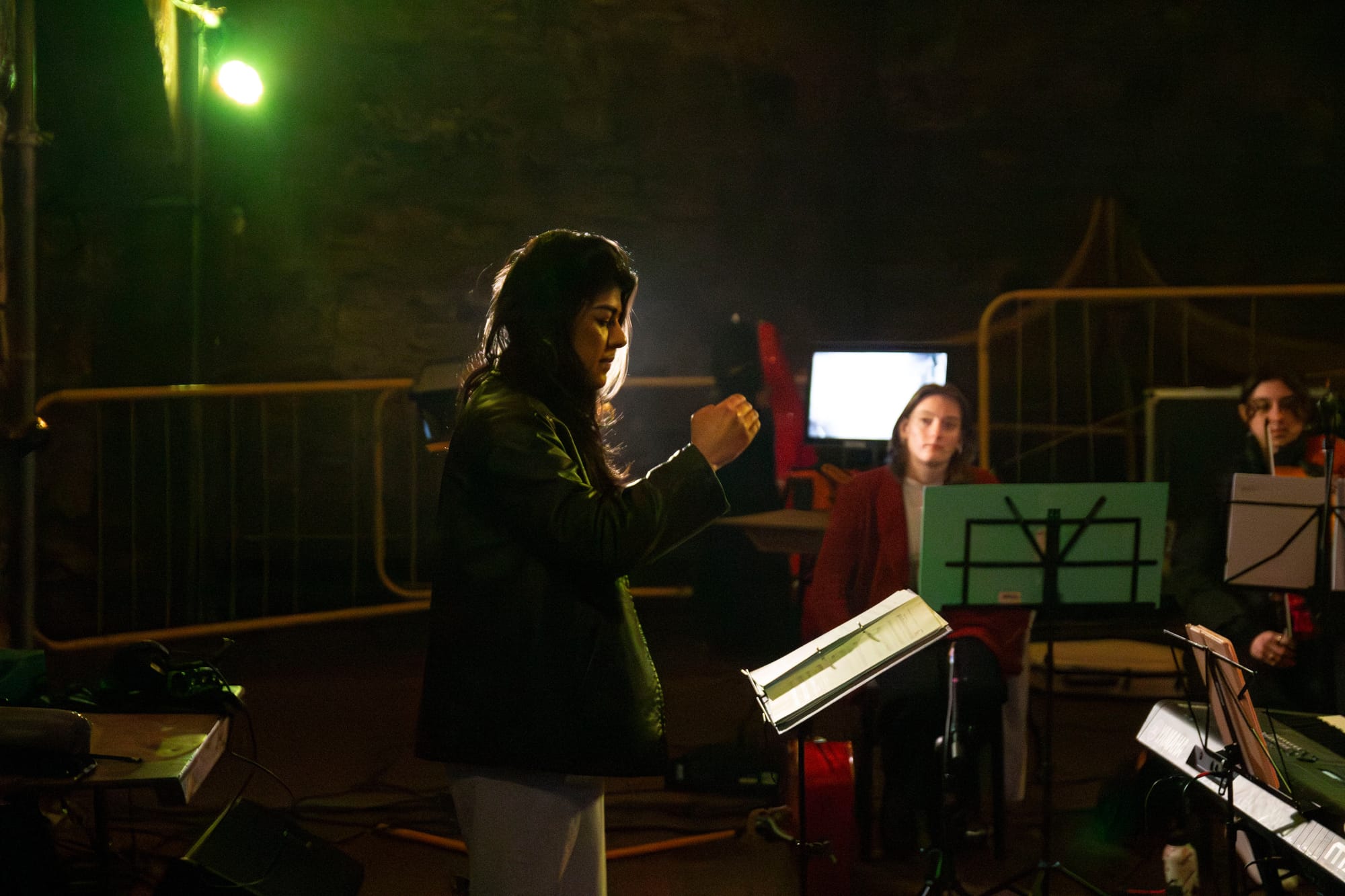
In a more positive light, Ellie Bell, frequent Musical Director for performing arts societies explained a differing experience of leadership. As a musical director the entire band has to follow you during the show, there’s no other option. While Bell admitted that she believes that male conductors ‘don’t have to earn respect, they can just walk up (and it’s given)’. Bell said ‘you can’t [ask the band to follow you] you have to be like, no this is what it is’. Bell also commented that when she is conducting 'the energy is amazing’.
Despite the problems women in positions of power are facing, all interviewees without fail told Epigram how valued the opportunities were that these societies had given them. Davy said she’s ‘very very grateful’ to the society for the 'space to learn and develop [her] skills’.
It was a common thread throughout the interviews that when asked what can be done about sexism in their societies there was a large stretch of silence as the women tried to suggest how to undo generations of learned behaviour. Davy said it’s ‘ingrained in how people think’ and that it would be difficult to call out the behaviour since ‘it’s so unconscious’ and ‘so unsaid’. She said that if you were to call it out and label it sexism ‘people would respect you less, because they would say you’re being dramatic’.
 Nel Roden
 Ella Heathcote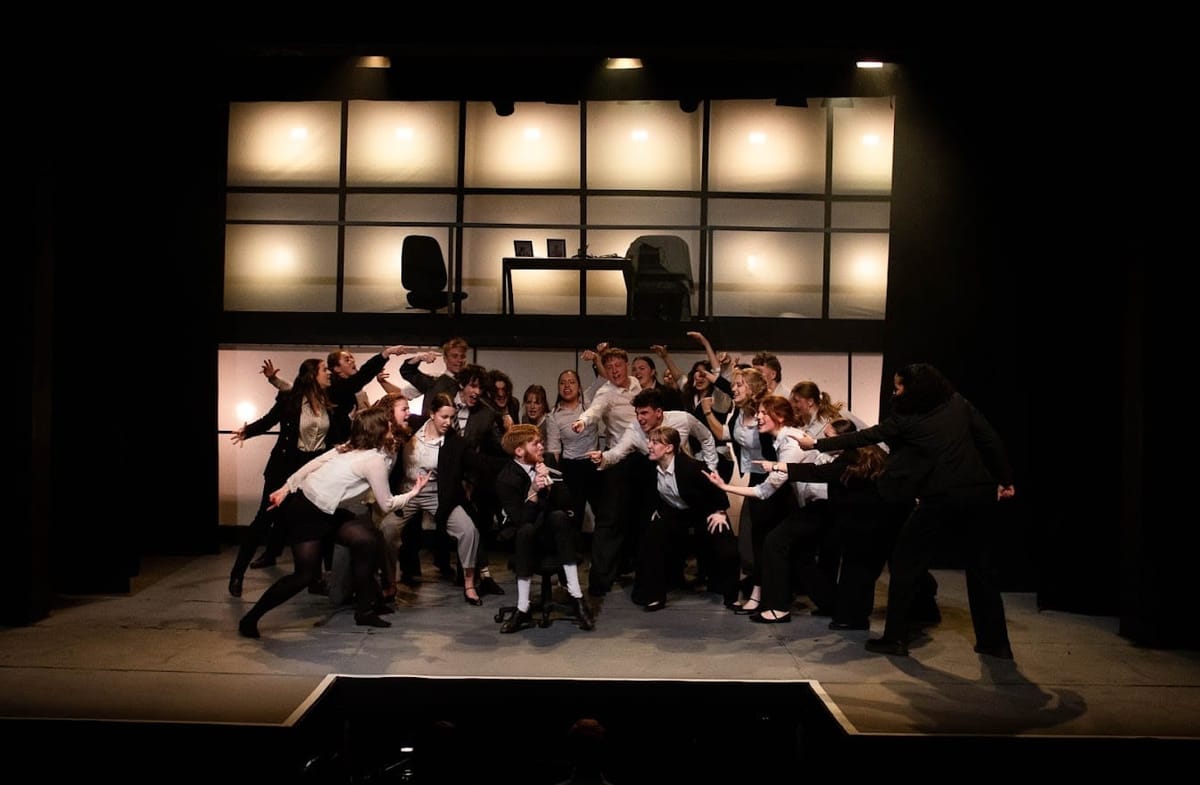
In response to this article ELA officers of DramSoc, MTB and Spotlights all emphasised a priority of safety and inclusion in their rehearsal spaces. Hattie Millard ELA officer of DramSoc told Epigram ‘We as the committee are constantly aiming to fight any forms of misogyny'. Maddi Jabir, Equalities and Wellbeing Officer of MTB agreed that misogyny in these societies ‘is important to be spoken about’ and that ‘it is crucial to have an open conversation’. Taking a similar stance Spotlights Equalities officer Abby Marles told Epigram ‘It is important that the ELA officers and committee members alike are not blind to the misogyny and biases that have, in the past, dominated the field’.
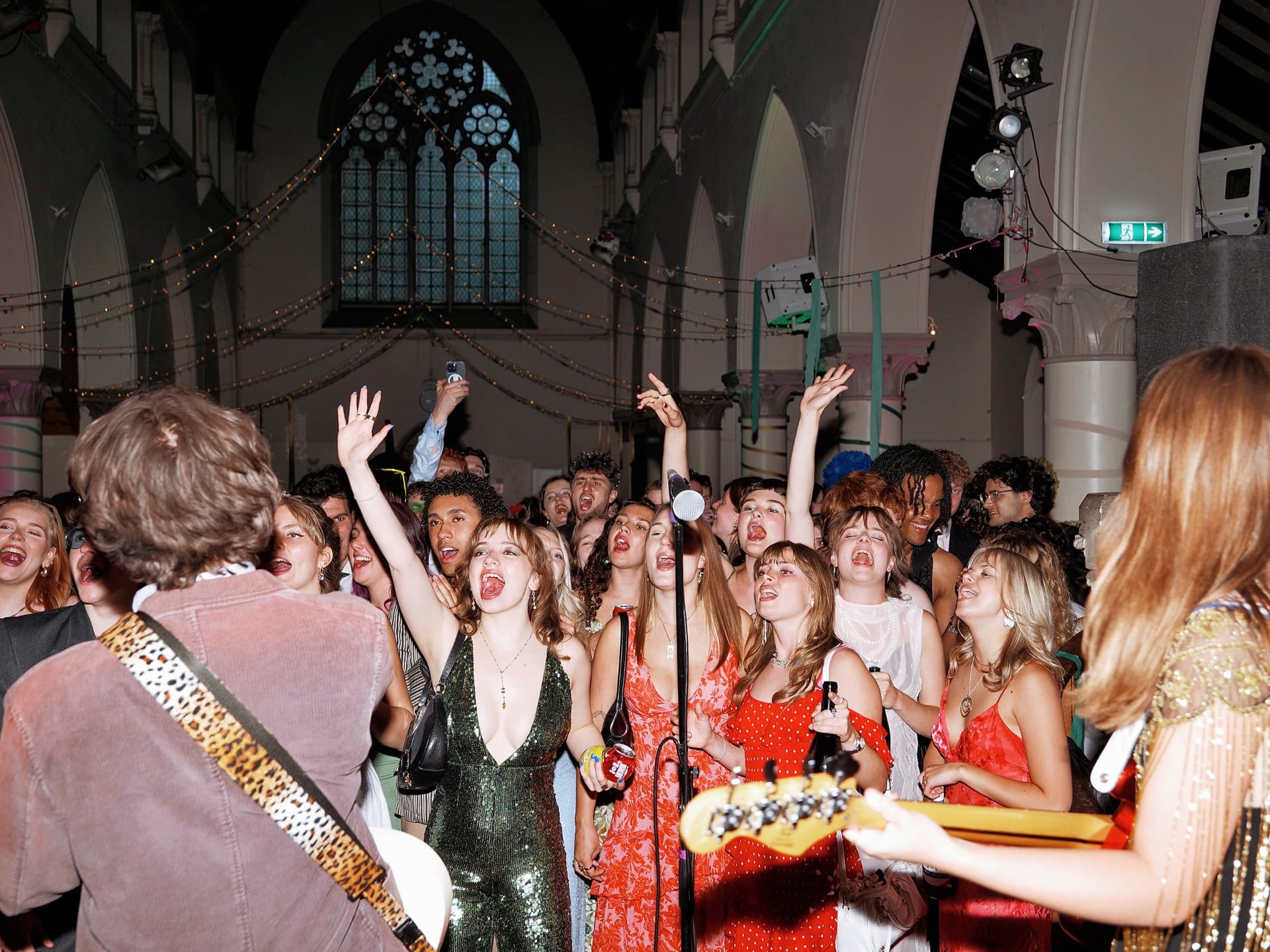
It’s very empowering to see these societies making conscious efforts to increase their already large amount of opportunities for their female presenting members. With a high prevalence of female presenting committee members in Dramsoc, MTB and Spotlights, all with female elected presidents, the Bristol University performing arts scene is on paper a feminist force to be reckoned with. It’s clear to see that aspects of society life need improvement when it comes to gender equality, but the question we should be asking ourselves is how? It’s misogyny that is unconsciously woven into the way people behave that is the hardest to eradicate, but the first step might just be finding the courage to say it out loud.
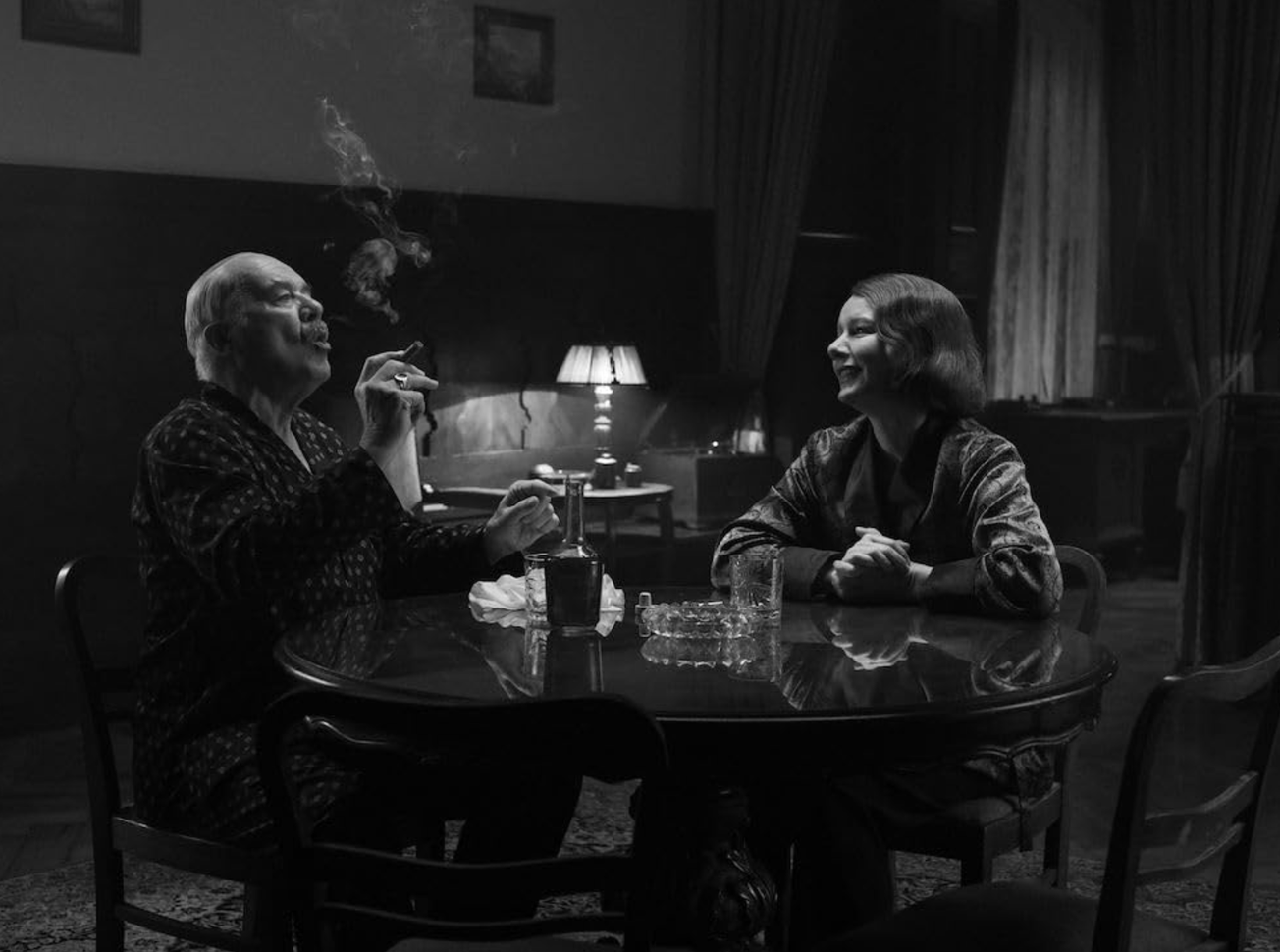
Featured Image: 'DramSoc's Production of Poshed' | @choosethislater
What has your experience of Bristol University's performing arts scene been?