By Isaac Osborne, Second Year, Philosophy and Politics
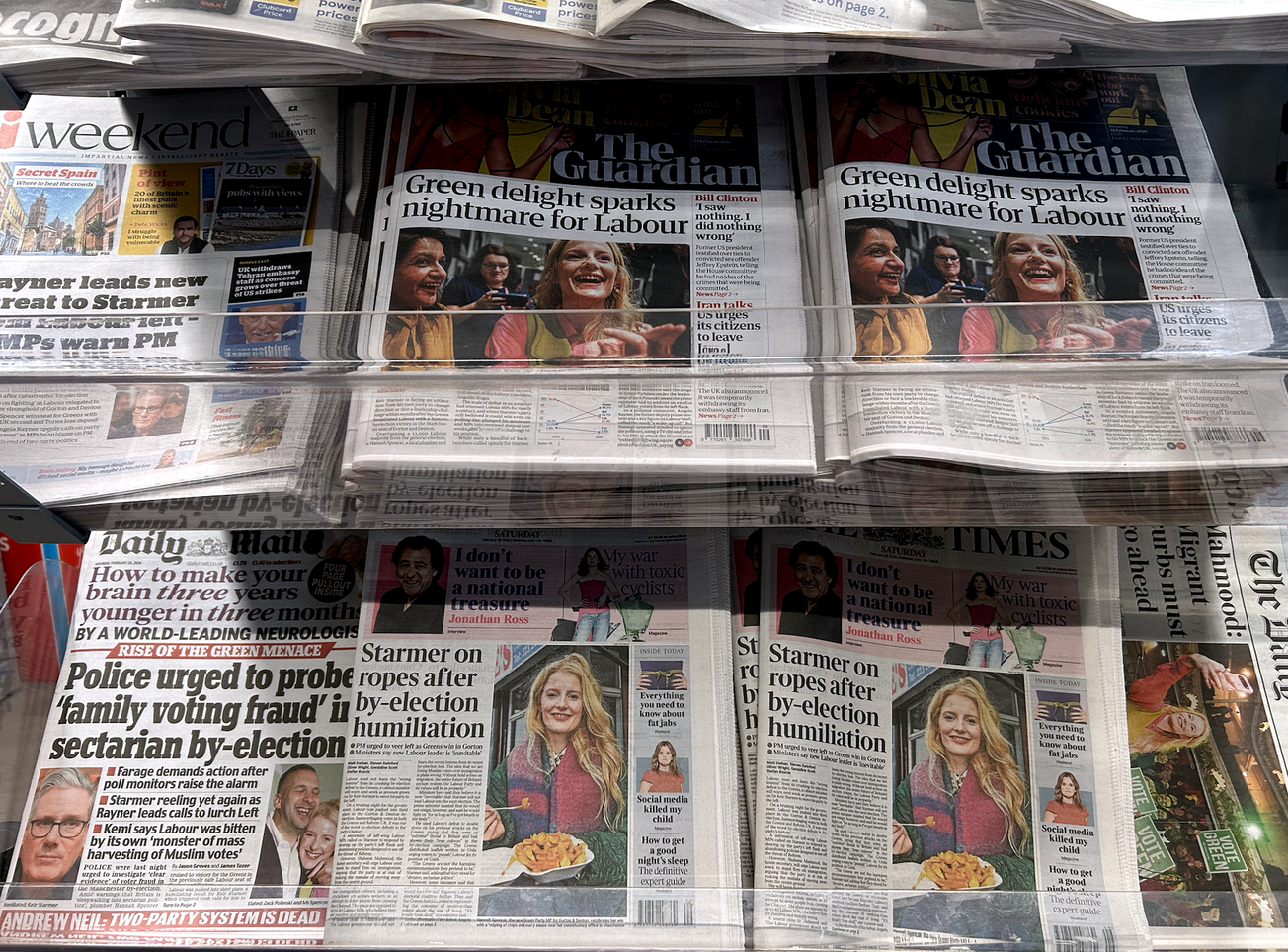
In a by-election tipped to be on a knife's edge, the Green Party have won a decisive victory in the Greater Manchester constituency of Gorton and Denton, a Labour safe-seat held since 1935. Overturning a 13,413 seat Labour majority, Hannah Spencer, a local plumber who has lived in Manchester her whole life, defeated Reform UK's Matt Goodwin and Labour's Angeliki Stogia. With a twenty-six percent swing and over 40 per cent of the vote, Spencer’s 14,980 votes give her a majority of over four thousand.
Zack Polanski, commenting on the win, told BBC Breakfast there were now no areas in which the Greens can’t win; Gorton and Denton was only their 127th target seat. Since he became leader, party membership has surged, and they are now the UK’s third biggest party. It comes at a time where Labour have veered further and further to the right, attempting to out-Reform Reform, and seem unbothered by the prospect of leaving their progressive voter-base behind. What does this result mean for the future of the Labour Party, the Greens, and the Government?
For the Greens, Thursday marked a monumental win. Defeating labour in their 38th safest seat is a remarkable accomplishment and consolidates them as a serious option for anyone discontented with the current government or wanting to avoid a Reform win. Ever since the Green's rise, the easy objection has been that they have no chance of winning, that a Green vote is a wasted vote. For the past month, voters in Manchester have been told that only Labour can beat Reform; Deputy Labour Leader Lucy Powell even wrote to Zack Polanksi telling him that the Greens had no chance. She, and the rest of the Labour establishment, have been proven very, very wrong. A politics built on hope is electable, and there are only going to be more Hannah Spencer’s.
Such a seismic swing from Labour to the Greens spells a significant worry for Labour’s chances at the next election. The Greens finished second to Labour in 39 constituencies across the country in 2024; if it can be done in Manchester, then it can be done in any of them. For Bristol, this is especially exciting. All constituencies other than Carla Denyer’s Bristol Central are such places. If the polls are correct, Bristol could be entirely Green come 2029, or potentially sooner. Labour’s only chances to avoid this is a change in direction, identity, and policy.
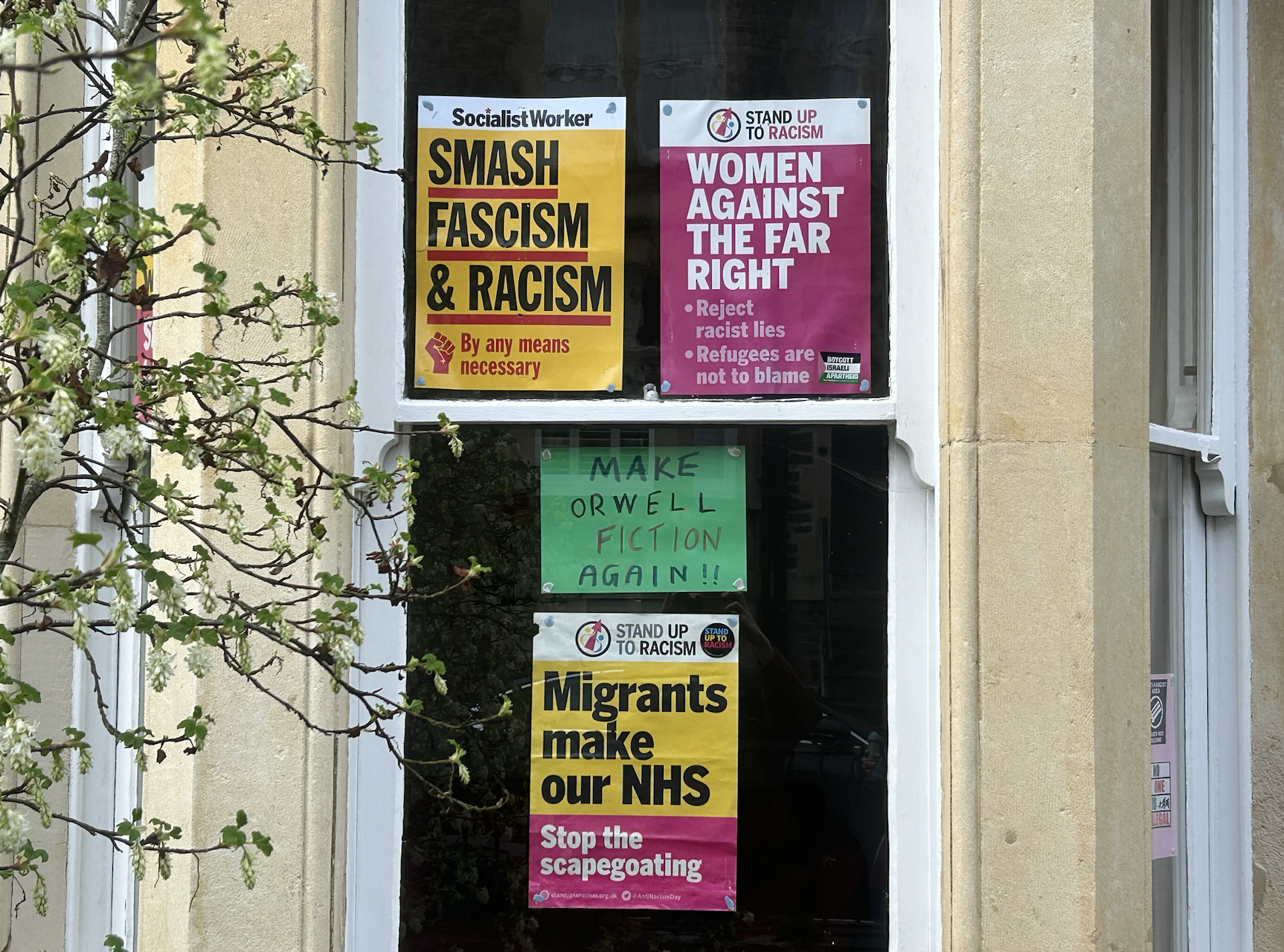
Similarly to Reform's recent rise pushing Labour further right, this result will surely force Starmer to accommodate Green policies, if he wants any chance of holding onto power. It is too easy to scrutinise their record; there has been too much flip-flopping around on important issues: U-turning on their stance on the ongoing genocide in Gaza after two years of defending and arming Israel, on the postponing of local elections, cutting the two-child benefit cap, and the winter fuel payment, as well as the distrust caused by the Mandelson affair. As someone with usually sympathetic views towards Labour, these failures, and their failure to communicate their few successes, cannot be ignored as signs of a government which is stagnant and without an identity. Appealing as sensible, technocratic, diligent lawmakers does not work when you don’t get things done, when you backpedal on key decisions, and when you feign belief in whatever you think will get you elected. If things continue as they are, Labour will face a damning defeat at the local elections in May, and Labour MPs can only endure successive defeat for so long before they demand change upstairs. Labour is no longer ‘the left-wing party that can win’, so if Starmer wants to survive, he must appeal to, or win back, progressive voters tempted to cross the floor for the Greens.
 Sam Couriel
This is not impossible, though. A current reason for Labours dismal polling is discontent at student loans’ excessive interest rates and Government plans to freeze repayment thresholds for three years. Popular with not only students, but over half the population and 20+ Labour MPs, reforms to this broken system may provide the spark in Labour’s redemption. Angela Rayner has already made a statement saying that the party needs to reflect, and to deliver the change they promised. The upcoming Spring Budget presents a perfect opportunity to do so. Commit to cutting student loan interest rates, and increase repayment thresholds, and it could just set off a change in identity which brings people back to their 2024 electoral home. In fact, sources suggest this could potentially be on the cards.
Whether Starmer and the Labour leadership stick it out or change policies is anyone’s call, but either way, the result in Gorton and Denton provides a reason for optimism amongst Bristol and its students.
Featured image: Epigram / Sam Couriel
Have you registered to vote in the May elections?