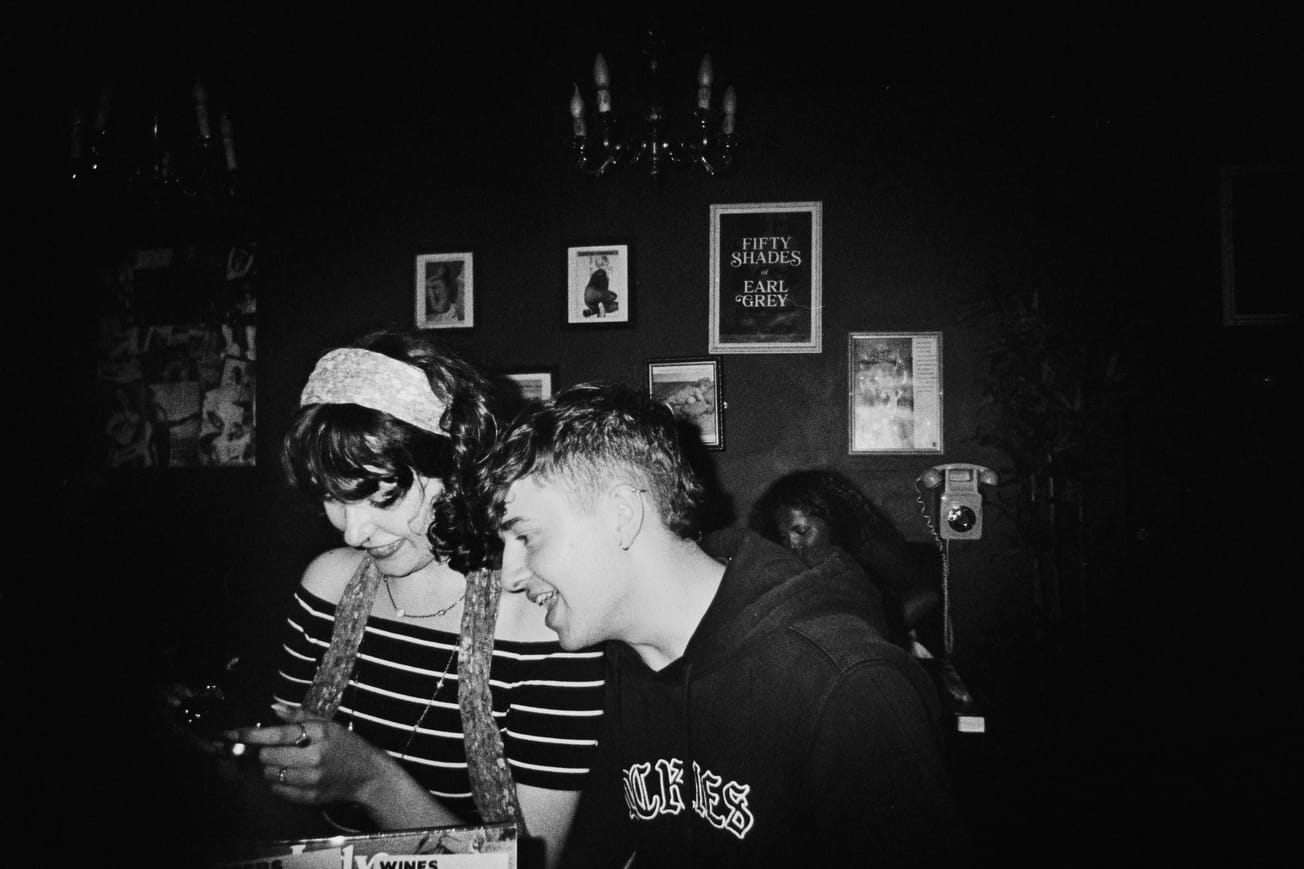
If I’m being totally honest, the first time I heard the phrase ‘going analog’ I assumed there was a new trend to ditch digital watches. Turns out, it is a trend, it just doesn’t have much to do with telling the time. Search terms such as ‘analog life’ and ‘digital detox’ have had an 100% increase in popularity over the past six months. In a total 180 from the brat summer, partygirl chic that permeated 2024, and the "brainrot" of 2025, the desire for an ‘analog life’ is grounded in slow living, reduced screen-time, and ultimately, returning to a simpler way of life.
This new turn to digital minimalism includes, but is not limited to:
- Using social media intentionally. Replace over-curated feeds with community, art, and research.
- Ditching scrolling: replace the “bad” screens with intentional media consumption, film, TV, and books.
- Physical media, pen on paper.
- ‘Unplugged’ hobbies: baking, reading, arts & crafts.
- Seeing friends and family in person, rather than texting them.
- Hiking, daytrips, and returning to nature.
- Reducing screen time in place of slow living.

What shocked me most about the caveats of the analog life, described as a radical act of resistance, is that I, who can explain most niche internet references from the last five years in excruciating detail, and is commonly referred to by my friends as ‘seriously chronically online’ do all of these things. Yes, I do have a slightly abnormal understanding of the landscape of Twitter (X) cultures, but I also read at least 50 books a year, hike and climb regularly, and have an average screen time of 4 hours, a fact that shocks most people I know. My common joke that ‘I just use my screen time effectively’ is apparently in accordance with the ‘analog’ rulebook. As it seems, my chronically online, pop-culture obsessed day to day experience, is actually rather unplugged.
It’s not surprising that younger generations have begun to turn away from the digital world. This paradox–in this case, consuming how to not consume–occurs across Gen Z’s various experiences with the digital world. Though Gen Z are more reliant on digital tools, including AI and social media, for work and education than older generations, this relationship is not all smooth sailing. Whilst mistrust in AI is consistent at around 61% for adults both old and young, the reasons for it vary across generations. Boomers and Gen X report high concerns about privacy and data issues. Zillennials, on the other hand, are most anxious about the misuse of information, and primarily, job security. With the employment market in crisis for young adults, almost 40% of Gen Z fear that the vulnerability of entry level roles to automation means that AI could replace them in the workplace.
 Theano Dimopoulou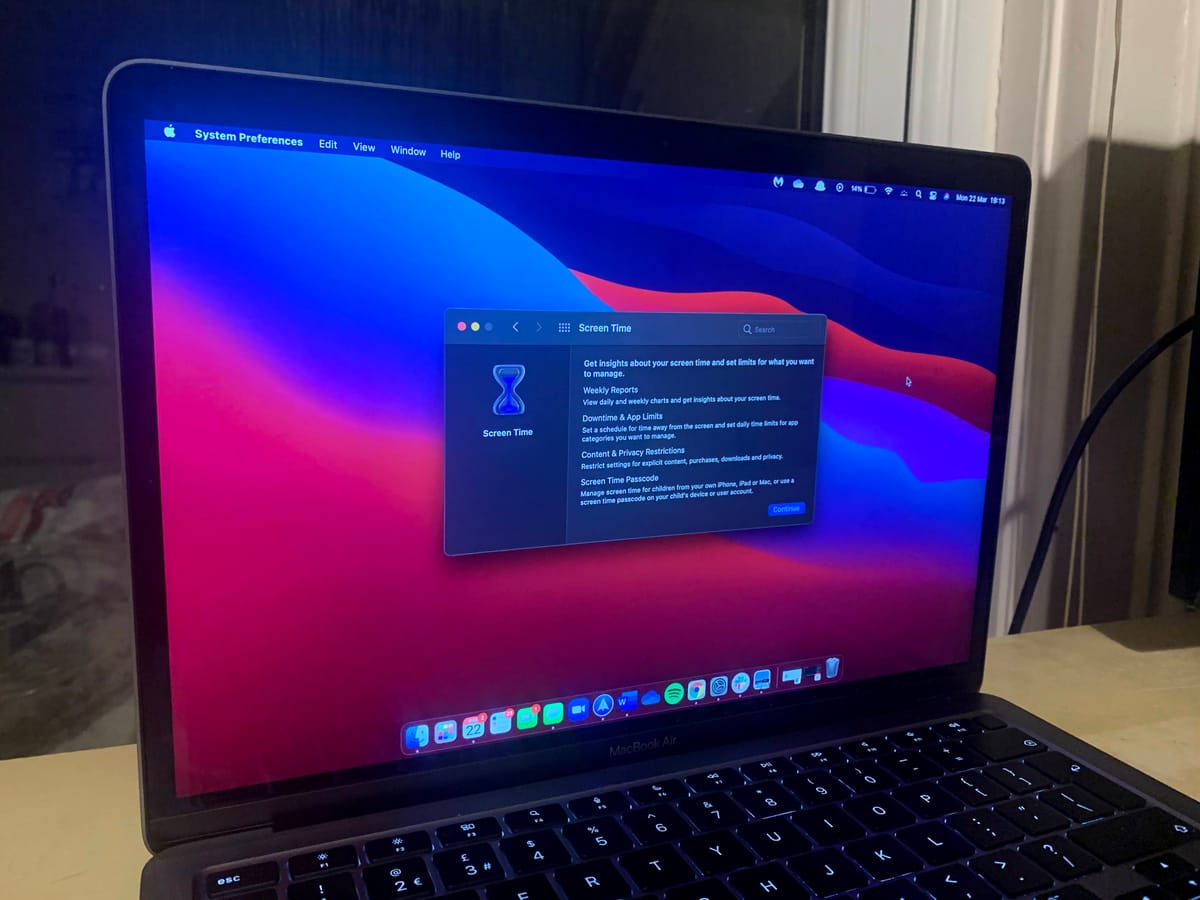
Though concerning, these factors have had one positive consequence for young adults, that employment, or rather, unemployment, has become democratised. You might have seen memes like this floating around over the past year:
@saharanmo Those degrees worth just as much as a bag of chips 😭
♬ original sound - SAHARANMO
As graduate prospects for young people continue to decline, typically ‘high earning’ degrees have become oversaturated. The likes of Computing and Law now find themselves within the bottom ten for earning potential, whilst Languages and Social Sciences, too often denoted as ‘mickey mouse’ degrees, have risen to the top ten. For those who once chose money over passion, some of these obstacles have been removed. Indeed, the past year has seen degrees such as Computer Science and Business Studies have a major decline in applications, whilst Politics and Social Sciences are on the rise. To me, it is not a coincidence that a trend based on nurturing one's wellbeing has coincided with this rearranging of degrees seen as ‘interesting but unserious’ rather than practical.
As it seems, young people, to put it frankly, are sick of the internet, sick of AI, and sick of having to disregard their passions for money. There is a nostalgia amongst young adults who never got to experience adolescence without the internet influencing their every move, and the analog life and nurturing of personal interests speaks to a desire to reclaim this loss.
"I often think about the privilege of growing up in the 1980s and 1990s, with no access to a smartphone, streaming, or a computer. There’s an entire generation of young people that have only experienced life online. Their entire lives and identities have been shaped by, and curated for, the internet." – Jess Kirby, '2026 is the Year of Analog'
There is however, an irony behind the trend of ‘going analog’. If you search for these terms across Substack or TikTok, you will find countless announcements: ‘for 2026, I’m going analog’, ‘how I’m reducing my screentime’ ‘a hot girl’s guide to digital minimalism’. I can’t help but think, if everyone was truly unplugging, surely I wouldn’t be hearing about it so much? It seems that in the year of our lord 2026, everything, including the act of not doing, must be packaged as a pretty, digital product (read: trend) for us to consume.
When I was recently scrolling (oh, the horror!) on Instagram, I notice that 25 of my mutuals have liked the same reel as me, that says: ‘I spent two hours scrolling, and I don't remember what I watched, and I didn’t write in my journal like I wanted to. Do I want to spend my entire life consuming?’ I imagine them all, sat there just like me. “How profound” we say in unison, double tap, and scroll onto the next. There are now countless apps, such as Opal or ScreenZen, which you can pay for, on the phone you’ve paid for, to stop you consuming the content that (you guessed it) you pay for. Even though ‘going analog’ has been sold to us as refreshing, new, and revolutionary, I can’t help but see it as a bleaker product of an already bleak reality.
‘Surely, if we spend more time doing what we love, our screen times will decrease on its own, without making a rota or paying an app to do it for us.’
Considering all of this, I’ve decided that my goals for 2026 are not to ‘go analog’, reduce my screentime, or to use social media ‘more intentionally’. Instead, I want to:
- Read a little more. I didn’t reach my reading goal for the first time ever last year, and all the uncracked spines on my shelves made me a little sad.
- Spend money on experiences, rather than stuff. Those kitten heels in my Vinted saves are very pretty, but I live in a hilly city, and will not wear them.
- Commit more of my time to doing what I love (climbing, drawing, watching films) and less time worrying about what I need.
Young adults do need, and evidently want, a digital detox, but I’m not sure if a trend is the way to do it. To truly ‘log-off’ we need to decentre the internet from our lives and wellbeing, and instead centre ourselves and our relationships. Trying to decrease the sway of the digital by making it yet another micro-trend, will, just as the House of Sunny Hockney dress, seal its death within three months. Surely, if we spend more time doing what we love, our screen times will decrease on its own, without making a rota or paying an app to do it for us. The only set in stone resolution I have for 2026 is this: consume less, and do more (and try not to tell everyone about it).
Featured Image: Epigram / Abbie Holmes
Would you go 'analog'?