
By Rosa Dunford, First Year, Politics and French
‘They hate everything and they’re frightened by everything and they’re offended by everything.’ Piers Morgan’s view of Generation Z (what he calls the ‘snowflake generation’) seems to be universal. According to headlines, Gen Z are lazy, entitled and undisciplined slackers whose obsession with mental health, ‘wokery’ and self-care has made them virtually unemployable. Does this paint an unfair caricature of young people or hold a grain of truth?
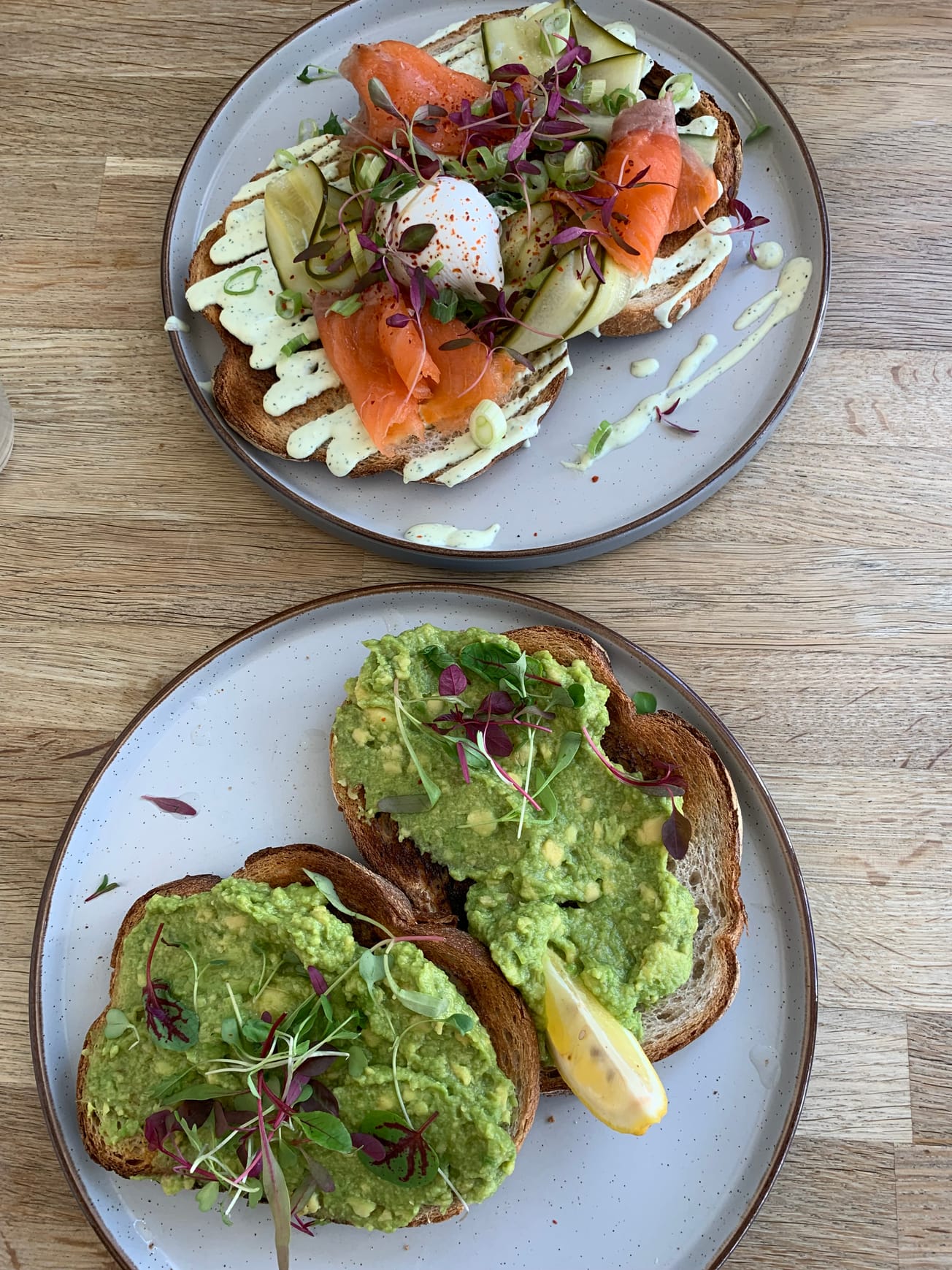
Experts point out that it's a cultural tradition for every generation to complain about the idleness of the one following it - millennials were once generalised as over-sensitive whiners who spent too much money on avocado toast. Yet Gen Z attracts more vitriol than most. According to a 2023 survey by ResumeBuilder.com, 74 per cent of managers reported finding Gen-Z more difficult to work with than other generations, citing lower motivation and productivity compared to their older peers.
So what, or who, is behind this narrative? The social isolation of the Covid pandemic hit Gen Z hard, with a study by the University of Oxford finding that young people became more vulnerable to mental health problems. More widely, we have grown up in a time of immense political and economic turmoil where nothing about the future seems certain. Right-wing commentators are quick to frame Gen Z’s focus on mental health as an excuse, rather than reckon with the fact that the economic security they take for granted is now largely out of reach for younger generations.
In contrast to our parents and grand-parents who could rely on a steady nine-to-five to provide them with their own home and a cushy retirement package, today’s unstable economy offers no such promise. Gen-Z are aware that the conventional routes to success are no longer viable and they will be unable to escape living with their parents until they’re 35 with a mountain of student debt no matter how many hours they put in at the office. That’s assuming they can secure a job at all: according to the Institute of Student Employers, there were 1.2 million applicants competing for just 17,000 UK graduate roles in 2023–24. The bleak reality awaiting post-grads is yet another demotivating factor guaranteed to shift young people’s priorities away from a traditional career path. It’s no wonder that so many have become disillusioned with the ‘hustle culture’ of the past and are instead looking for fulfilment outside of work.
‘Gen-Z are less likely to compromise on their wellbeing and are unafraid to admit feeling burnt out or anxious. This honesty should not be mistaken for a weakness.’
If Gen-Z find themselves on the career ladder despite the fierce competition, they carry fresh perspectives in their briefcases. Professor Thomas Roulet of the University of Cambridge notes that younger workers prioritise ‘work-life balance, purpose and growth.’ This can translate to demands for hybrid working that leaves time for personal development and a life beyond the grind. Unlike previous generations, Gen-Z are less likely to compromise on their wellbeing and are unafraid to admit feeling burnt out or anxious. This honesty should not be mistaken for a weakness.
I’m not shocked that the newest generation unwilling to measure its worth solely through productivity appears threatening to employers. Gen-Z are questioning the value of sacrificing their lives for their boss’ and this most likely explains why they’ve earned such a controversial reputation at work. However, Professor Roulet believes that it is up to organisations to ‘stop being complacent’ in the face of shifting expectations from Gen-Z and instead rise to the challenge presented to them.
 Abbie Holmes
This could prove tough. It’s much easier to brand Gen-Z as lazy than to admit that they’ve inherited a broken system. Burnout and work-related anxiety are age-old problems; previous generations just lacked the language to talk about them. Maybe boomers like Piers Morgan should spend less time complaining about the scary new world of therapy and wellness check-ins and take a seat on the counselling couch. Who knows? They might even learn a thing or two.
Featured image: Epigram / Julia Mullins
Do you think Gen Z are less motivated than previous generations?