
By Felix Pitman, First Year, Modern Languages
Before I came to Bristol, I was acutely aware of the drug culture the city is known for. Arriving here last September, I was half expecting every street to be filled with those stereotypical shady dealers in trenchcoats and swathes of used needles. That wasn’t the case at all. In light of Epigram's 2015 coverage of drug use in Bristol, its clear to me that the culture is very much the same 11 years later.
 Sarah Newey
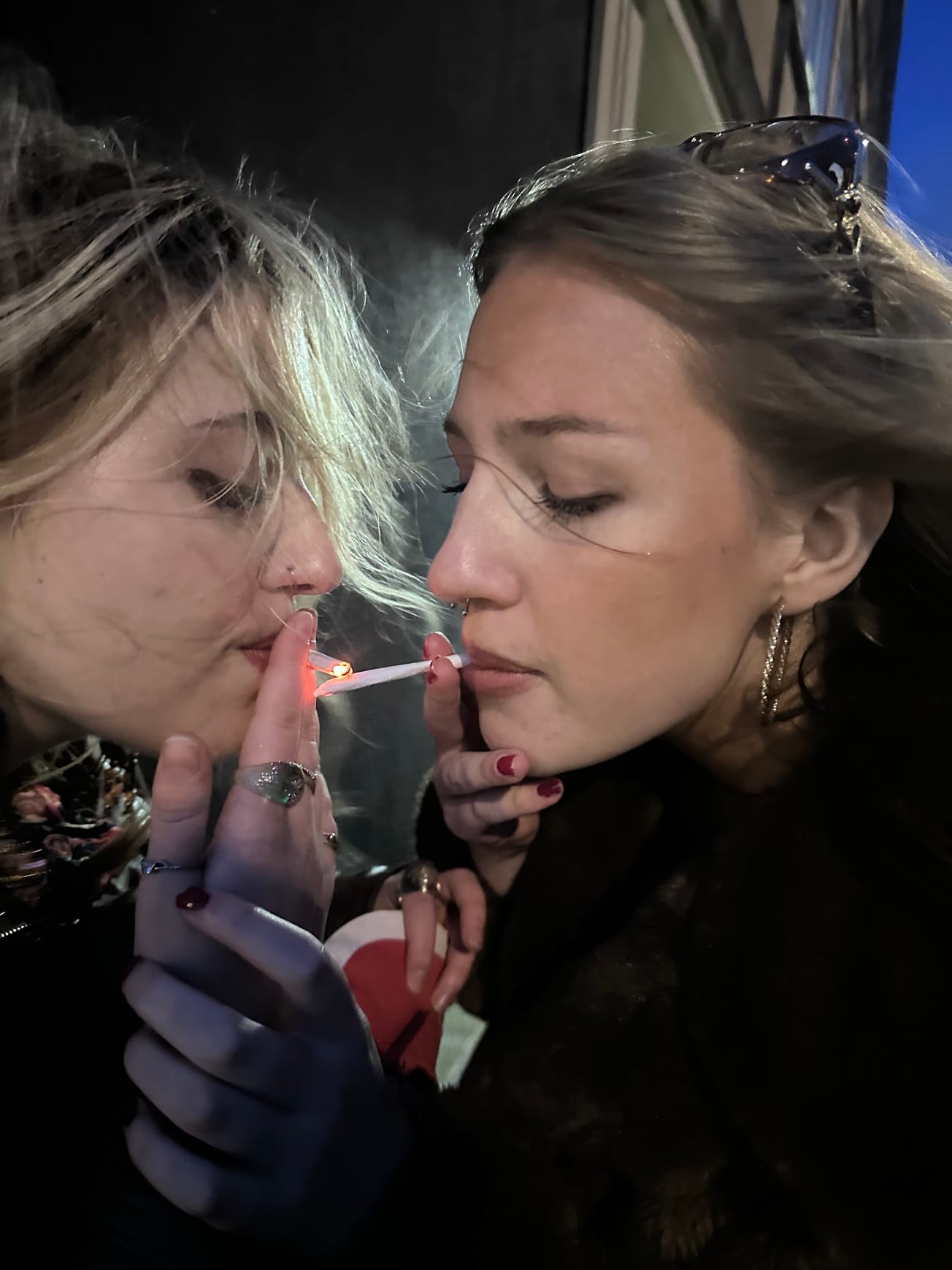
Whenever discussing drugs, it's weed that seems to be the elephant in the room. Back in 2015, 70 per cent of students were cited to have had tried weed at some point. I’d say that statistic is pretty on mark for students today, being treated more like a recreational activity on par with drinking.
It’s hard to really call weed a ‘drug’ nowadays. While it’s the right term, it brings connotations of much harder drugs, not marijuana. You’d never call alcohol or cigarettes drugs, even if they are: it’s become a loaded term. The dangers of weed are generally well understood by those who use it. And like alcohol, most people recognise their own limits and regulate their consumption accordingly.
As for harder drugs, I think they are viewed with a lot less weight than before, being discussed in passing like hobbies. I’ve heard stories of people at Thekla walking around openly asking everyone they met for Ketamine, something I can imagine would not slide in 2015. Despite this, I think people are still very aware of the dangers these drugs have, and I see little to no peer pressure about taking them either.
The big cause of this change of view is a greater knowledge of drug safety among students. Students know their limits and have support from their friends to ensure they stay at a healthy (as healthy as hard drugs can be) amount. Controlled environments for drug use have been the focus of charities like Anyone’s Child, which are centred on safer drug use, and that’s beginning to come to fruition.
 Jenna Baker
Overall, the only change regarding drug use in Bristol seems to be how our society responds to it. There is now a more proactive focus on harm reduction and safer use, rather than reactive crack downs and punitive responses. In my opinion, that shift is a clear and positive step forward.
Featured image: Epigram / Sam Couriel
The Drop offers advice, support, referrals, and drug testing kits for students. Contact them at info@bdp.org.uk or +44 7814 617 787
For advice on supporting a friend with their drug and alcohol use, visit here.