By Rose Chaplin, Fourth Year English
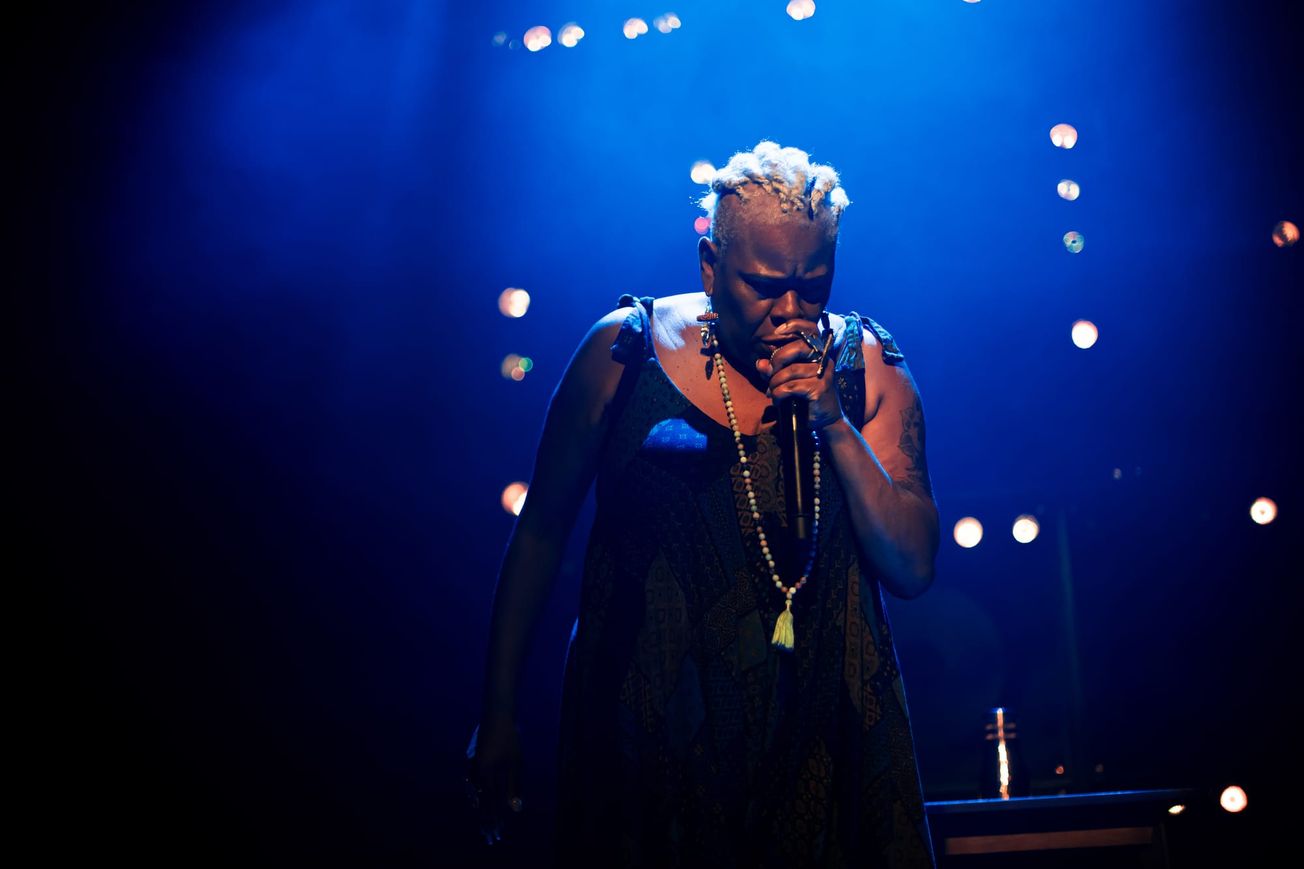
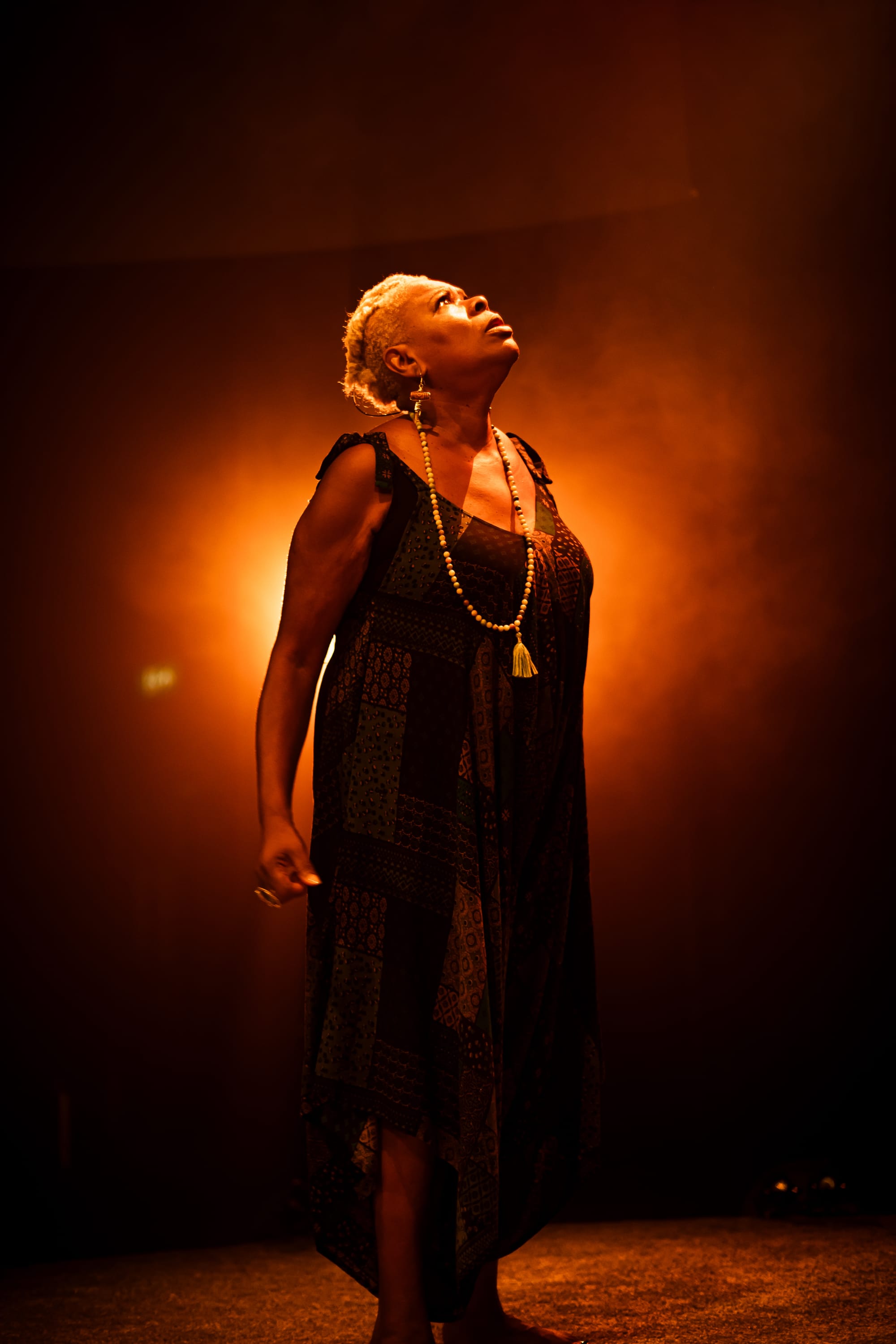
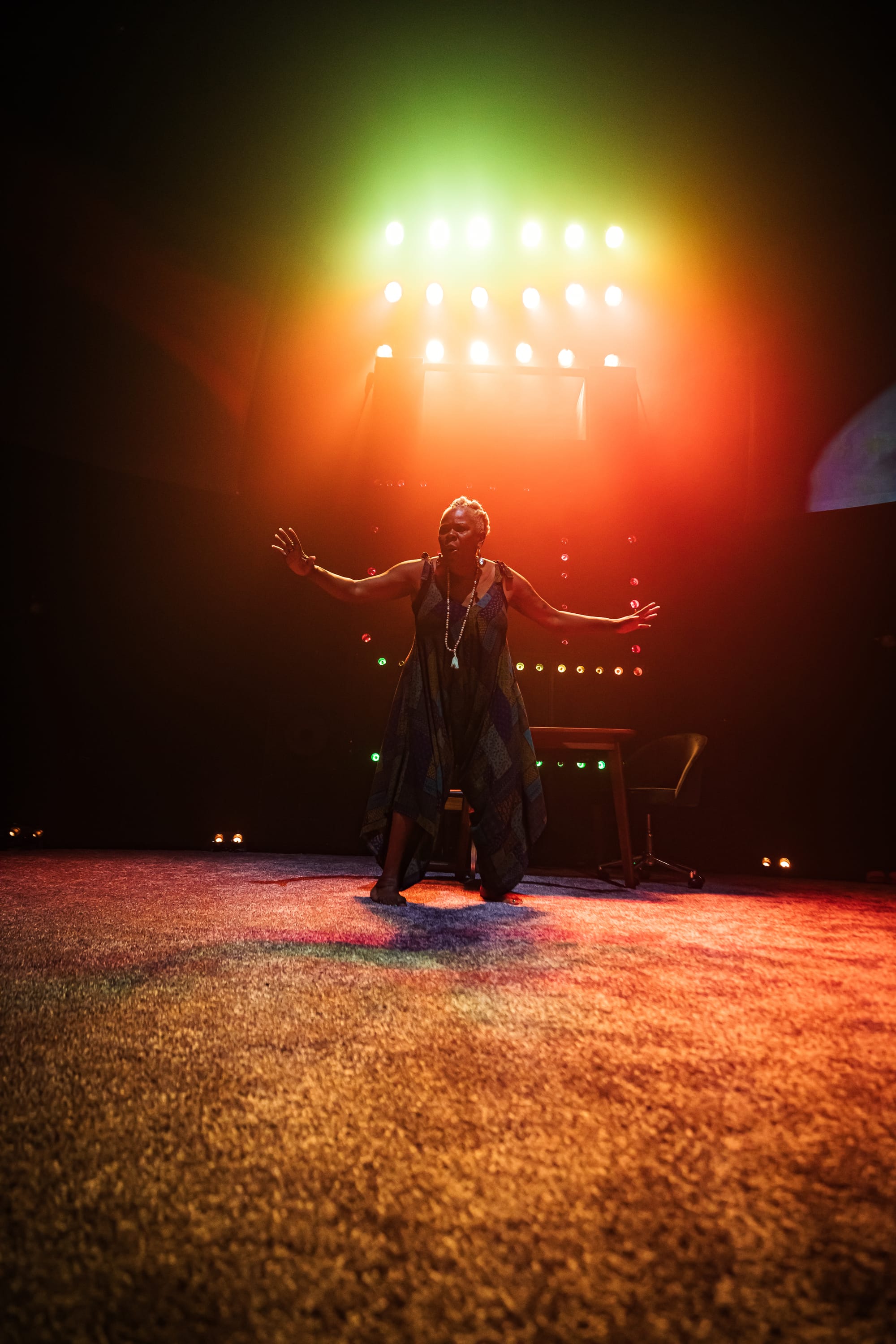
Sutara Gayle, AKA Lorna Gee, is a reggae pioneer and an actress whose performance credits include The Dark Knight, Run Fatboy Run, One Day and the BBC Sitcom Fried. I spoke to Sutara to discuss her upcoming show and exhibition in Bristol, as well as her evolving identity, spirituality, her recent music faves and her love for Bristol as a city.
‘The Legends of Them’ is on at the Old Vic from the 14th to 15th of November. It’s about your life, your music, your spiritual journey and legends have guided you. How did it come into being?
SG: I think it was born when I was in India. I went to India on a spiritual retreat with my brother Mooji, and they did a silent retreat, which was the first time I've ever been silent. It was just an incredible experience. I think the first four days of that silent retreat, because it was a 10 day silent retreat, and I'd say the first four days, things that I'd never thought of for like, 40 years just started coming up. All these memories started to come up. It created a lot of turmoil in my head, I guess. And that's where all it really all started, because things just started unravelling from then I just started to realise the things that obviously I hadn't dealt with because it came up. That's how the play was born as I started to write up a lot of different experiences, some trauma based, some happy memories, some very interesting memories. So that's how it all kind of started coming up, and then, obviously, I've had a very colourful life, very colourful past, and I've got an extraordinary family. I'm just a part of an extraordinary bloodline and we've had certain experiences that just needed to be written about.
The play was first performed in 2023 - how has it evolved since that point? Has it changed physically or perhaps in the way that you approach it mentally?
SG: I've gone more in depth since 2023 And it's because we had to, I had to become even more raw and open, because a lot of it is truth. It is about the truth, and it's about facing the truth. And sometimes facing the truth is very, very hard to do, but if you are aiming for the truth, there's no other way to go around it. It's just got to be open, raw, sick, you know, and beautiful at the same time, because they say the truth sets you free, and it's the truth.
Talking about personal truth, in the show, you reference major public events like the Brixton uprising, as very connected to your own very intimate, personal moments. How do you balance those on stage?
SG: It’s about telling a story and telling it in the best way I know how, and it's about not getting too attached to the moment of the storytelling, but knowing that this story is a means to an end, I'm telling this story because I want to show you something and and also I'd love to show you where, where the story ends so in order for me to tell you where I am now, I've got to tell you where I've been and how I got to where I am now. Also, it's for others to know that when you see somebody has gone through certain things, then you can look at your own stories and think, okay, so then I can get through - if this one can get through something, I can get through my own trajectory or my own stories as well.
‘If you want me to sing, I'll sing you a song. And if you want me to do a monologue, I'll do your monologue. If you want me to tell you a joke, I'll tell you a joke’
Music and performance have obviously been very central to your life. Your musical identity was Lorna Gee and now you have written and are performing this show as Sutara. How has this identity as a perform
SG: Yeah, you know, I started off as a reggae artist, Lorna Gee was my reggae name. I was an artist with Mad Professor on the Ariwa label. So I toured for many years with him back in the 80s. And I, I enjoyed every bit of it, every bit of I think I was definitely born to be on a stage. I went back to acting as a late student. I went to university when I was 37 and I graduated at 40 from drama school. It’s been the best 20 odd years of my life. So it's kind of merged into one. You know, Lorna Gee, Lorna Gayle, Sutara Gayle, it's all it's all the same person. I've just evolved. I don't even see the music and the acting separate anymore. It's just kind of merged into one. I don't see no beginning or where it started or where it's ended. My life, my work and everything, my purpose - it's just all merged into one. What you see is what you get. If you want me to sing, I'll sing you a song. And if you want me to do a monologue, I'll do your monologue. If you want me to tell you a joke, I'll tell you a joke. Whatever is asked of me and whatever service I can provide, I'm there, man.
How was the process of creating the music for the show and how did it compare to making music earlier in your career, and what were the differences?
SG: It's really funny, because early in my career, I was the kind of artist that wrote about experiences, so every song that heard it was something that probably I'd seen most of, things that I'd kind of gone through, and how I was feeling at the time so and I hadn't written songs for years, actually, until when I started doing this play again, and my director then said, Oh, this is really interesting. Why don't we put it in a song, rather than talking about it or explaining it? And they just came out so easily. I had this whole thing about my mum coming from my mother’s story that my mum used to tell us all the time about coming from Jamaica and what she had to do and the sacrifices that she had to make. How are we going to tell these stories? Put it in a song, because the songs are storytelling as well, and it's a means to get to the next part of the story. And so I found back my joy in writing. I probably had a mental block for about 20-30 years. It's really funny. Then it came back. It's always there. If you've got a passion, no matter what, it's never going to go away. You can tell yourself that you don't want it anymore, and you can go all different, separate ways, but actually it's there. It's there. It never goes.
What's the main thing that you hope audiences will take away from ‘the legends of them’?
SG: The main thing is just, try not to be defined by your past. Things would have happened. You would have made decisions, good, bad or indifferent. It happened, and don't let don't let don't let it hold you don't let it hold you down. Don't let it cripple you. That's my message. And if somebody comes to this play and gets anything from it, it's like, you know, own your own story, man, to own your story. Claim your story, stand in it, be grounded in it and live, live, just live your life. Live.
Amazing. Now thinking about the exhibition: ‘Female Pioneers Of Reggae’ is on from the 10th to the 17th of November, also at the Old Vic. Am I right in saying it's an exhibition of photography and personal archives? And how did you find co-curating this?
SG: It's been great. We've been doing it with the Museum of Youth Culture and Nina Linden. It's an idea that came up because as a female artist, back in the days when I was DJing on the mic. I was one of the only females. There wasn't many at all. And little by little, I saw one here and one there, but it was tough. It was hard. Many times you'd see shows and on the bill, it was pure men on the bills,so it was just very important for me to just highlight the women that were in this business. We made a mark, and we also carried speaker boxes to the sound system to the dances as well. Do you understand, I used to be travelling in the back of the van with Nasty Rocker sound system. I've travelled in the back of the van carrying speaker boxes as well. But nobody would know this.
RC: you were putting in the work!
SG: Yeah, we were putting in the work! If it wasn't for us, man, we as females. We made these dances spicy, yes, and I used to grab the mic! I knew that I had to be good, good or better, or else you wouldn't survive. So, yeah, I put the graft in man. And then as the many women that I saw coming up as an artist, you know, like Carrol Thompson, Janet Kay, Louisa Mark, you know these women, they influenced me so much and made me think, do you know what, I can do this. Sister Nancy, all these people that I looked up to. So yeah, it's pain, and it's an ode to the females in this business. Man, because it wasn't just man.
I was also wondering, in the context of Bristol, it obviously has its own very rich reggae culture as well - have you spent much time in the city?
SG: Bristol man! Alright so this is going to be very very interesting because I’ve been doing this play now for the last two years and Bristol is mentioned in the show because I went to boarding school in Bath so I have many great memories of Bristol and not only that, but as a reggae artist many years later I came and I played in Bristol. So I played in Bristol and stayed in Bristol in a huge reggae community. I would love the reggae community to come out to watch this, because it's about us. It’s got everything in there. It's got the sound system, it's built on a sound system. My whole creative life started on the sound system and I started raving as a 13 year old girl. I was out there, when I was supposed to be in my bed sleeping I'd climb out the window and go to the dances. So I was a bit of a rebel. All of it, it's all in there - it’s juicy stuff. So you know Bristol has many memories for me, and the part I mention is quite controversial as well, so it’s going to be interesting to see how the Bristolians take it.
Who are you enjoying listening to at the moment?
SG: Ahhh! I listen to all kinds of music. I started listening to Ghetts again because he got himself in that crazy trouble. I listen to Cleo Sol, I love that artist as well. As well as on a typical day while I am cleaning, I'm listening to Sugar Minott and to all his old stuff, I listen to Errol Dunkley, I listen to Dennis Brown - those are all like my favourite artists. There’s also a beautiful artist called Sam Garrett who I'm completely in love with. I love his music because it's quite spiritual but it's kind of got this Bob Marley feel with a really beautiful husky voice. So I'm listening to loads of different stuff. I like eclectic. Reggae is my number one, but from reggae spawns everything else. And then talking about the female artists, you know, jah9, Lila iké, she’s on my playlist as well, I love the female artists, Queen Ifrica. These girls are high up on there as well.
Why should Bristol students come see the show and the exhibition?
SG: Come and see the show. I think it's an important piece. It's going to be 70 minutes of someone's journey but it could easily tie into your journey. I don’t want to say what it will do and what it won’t do but I think one thing that's for certain, from the feedback I’ve been getting, is that it makes you reflect on your present moment and also, it's fun! It's a lot of fun as well! You’ll hear some good music, a proper sound system - because that was very very important, you’ll get some laughs, you may feel sad, you’ll feel all kinds of emotions. But at the end of the day, what you will feel, what everyone who walks through those doors will feel, is love. It's a love story to the ones that guided me through this life. It's a night out, it's an experience!
Featured image: Harry Elletson
‘Female Pioneers of Reggae’ is on at the Old Vic from the 10-17th November and ‘The Legends of Them’ shows from the 14-15th November. Visit https://bristololdvic.org.uk/whats-on/legends-of-them for tickets and more information.