by Grace Golby, Third year, German, Russian and Spanish
Put the meal deal down - this is Bristol! In a world of food inequality, faltering biodiversity, and excessive food waste, we must consider the sustainability of the food we consume. Sustainable eating can be defined as the intentional selection and use of food that nourishes our bodies, the environment, and bears in mind both local and international impacts. It promotes long-term food security, and helps to prevent excessive land use, animal cruelty, wasteful packaging, long-distance transport, and much more.
While Bristol has its own history of commitment to sustainable eating, there is great global need for the widespread adoption of these practices. The Food Waste Index Report from 2024, produced by the United Nations Environment Programme, makes it clear that ‘food waste generates an estimated 8–10 per cent of global greenhouse gas emissions’, including methane. Not only is food waste exacerbating our climate crisis, but it is also ‘failing people: even as food is being thrown away at scale, up to 783 million people are affected by hunger each year‘ and millions more by malnutrition. Our food choices are too often driven by convenience as we remain blindsided to the wider picture behind deciding between ham or cheese for our lunchtime sandwich.
Yet, we must also consider that it is not always so simple for students as to just adopt a more sustainable lifestyle. A 2023 report from the Food Standards Agency found that amongst the university students they questioned ‘almost a third (29%) reported that there was not enough space in the fridge to store their food’ and that ‘over 4 in 10 (44%) respondents were classified as food insecure’. This leaves many to believe they have no option but to depend on fast food or convenient supermarket alternatives. Yet, affordable alternatives and adaptations are possible.
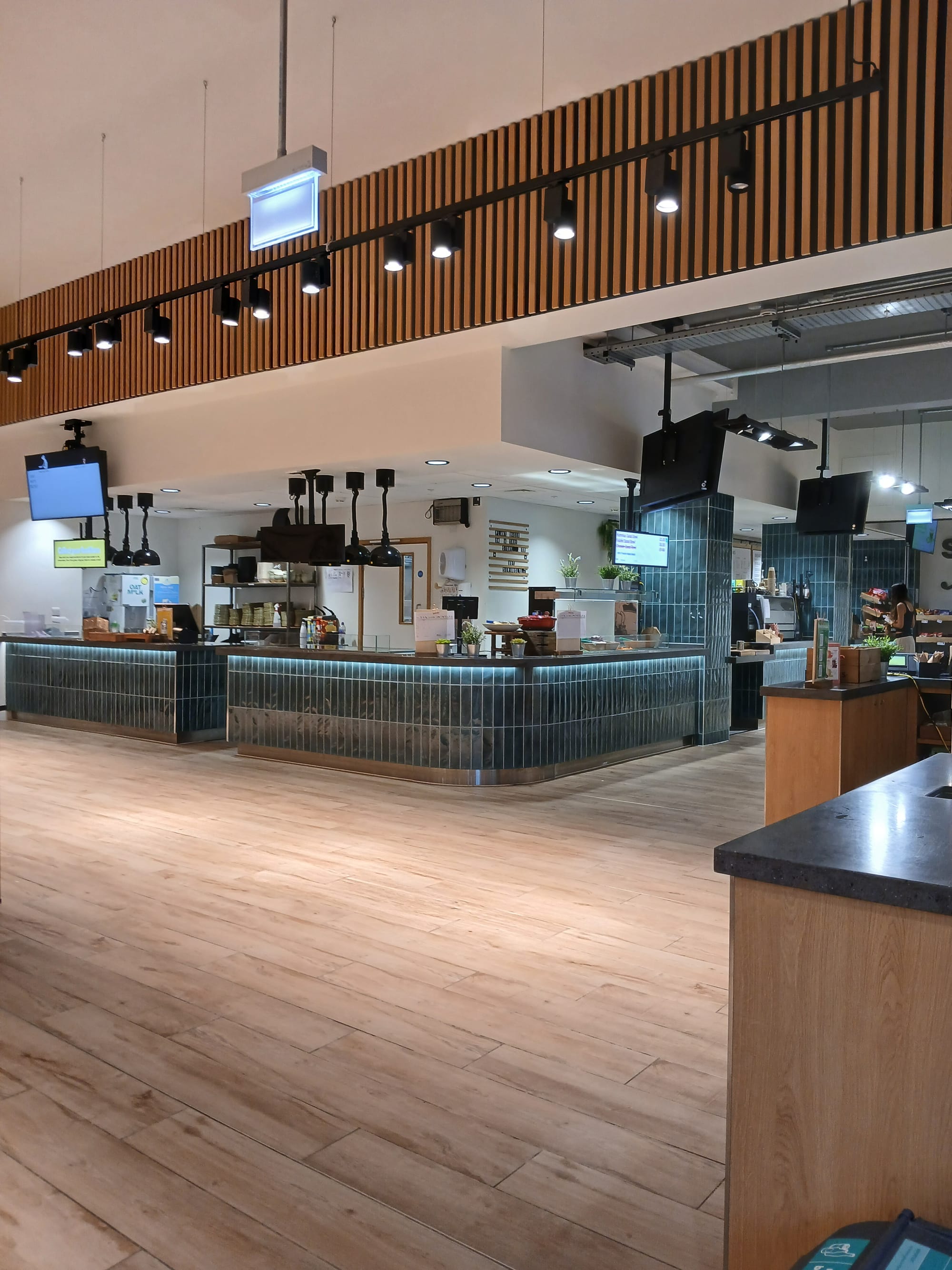
Beginning with the University of Bristol’s campus, proactive steps have been taken by student lunchtime hotspots to help embed ethical and sustainable food practices into student life. According to the University of Bristol’s website, Source Catering, the university’s in-house catering brand, ‘set an ambitious goal to switch to reduce plastic packaging for "Grab and Go" items by 50% across all sites by 2022’. Their ‘current target is 95% reduced plastics across our retail by 2025’. They also have placed focus upon supporting local businesses within a 30-mile radius, sourcing beef from regenerative farming systems, and calculating the carbon footprint of their recipes. This self-awareness ensures the University of Bristol’s campus remains a sustainable choice for your post seminar snack.
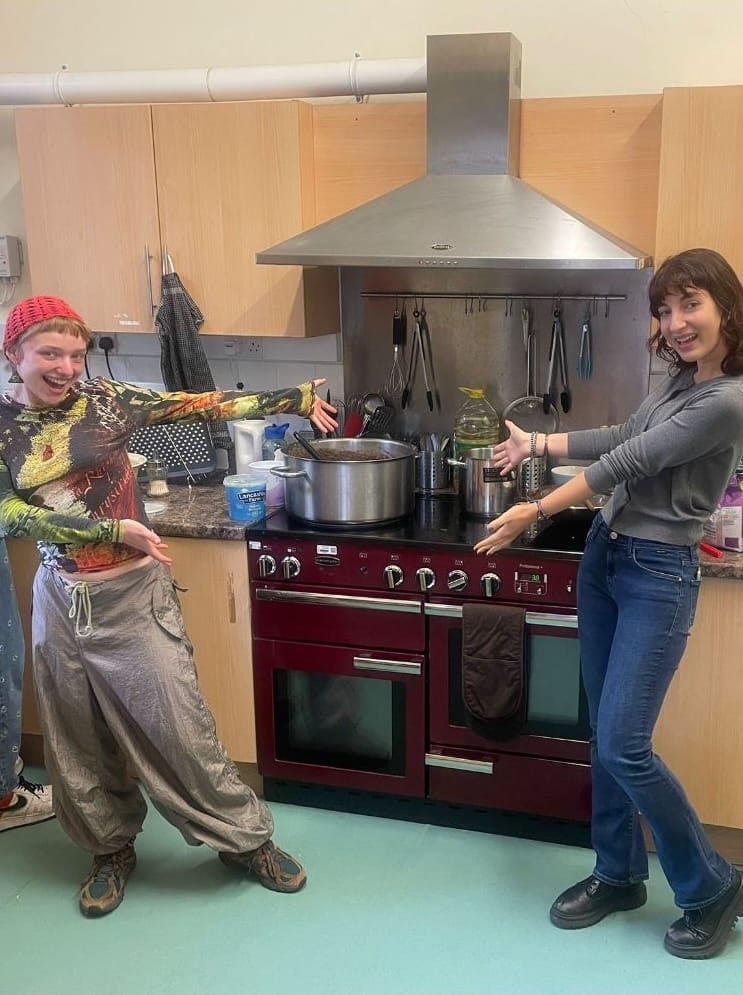
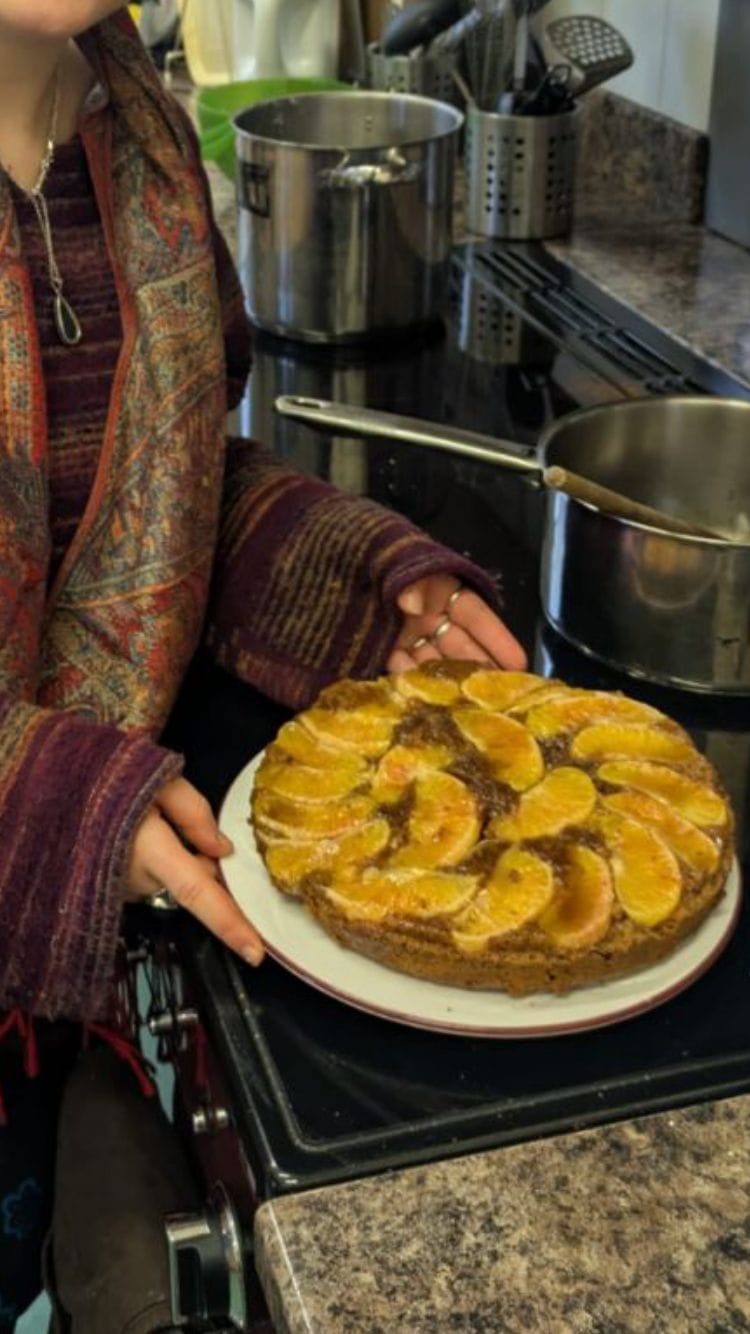
In addition, regular lunchtime socials are held at the Multifaith Chaplaincy on weekdays from 12-2pm, including with the much beloved Zero Waste Café on Tuesdays. Run by students, for students, the café provides delicious, sustainable and free of charge meals for students from 12:30-1pm, including curries, dahls, stews and sometimes even cakes and crumbles (time and volunteer numbers permitting). It serves as an opportunity for like-minded, environmentally conscious students to come together over a warm meal and a hot drink before heading off to that dreaded next lecture.

The café is also very welcoming of volunteers if you would like the opportunity to demonstrate your kitchen prowess in a sustainable way. Volunteers to help cook and designated washer-uppers are essential in allowing the café to support the student community, as well as volunteers willing to contact local greengrocers for produce donations (ideally weekly). Epigram spoke to Sylvie who has been cooking for the café for over two years for insight into how the sustainable café works. She explained to us that ‘volunteers coordinate picking up vegetables on Monday evening from greengrocers around Bristol who have leftover or wonky produce that would otherwise go to waste'.
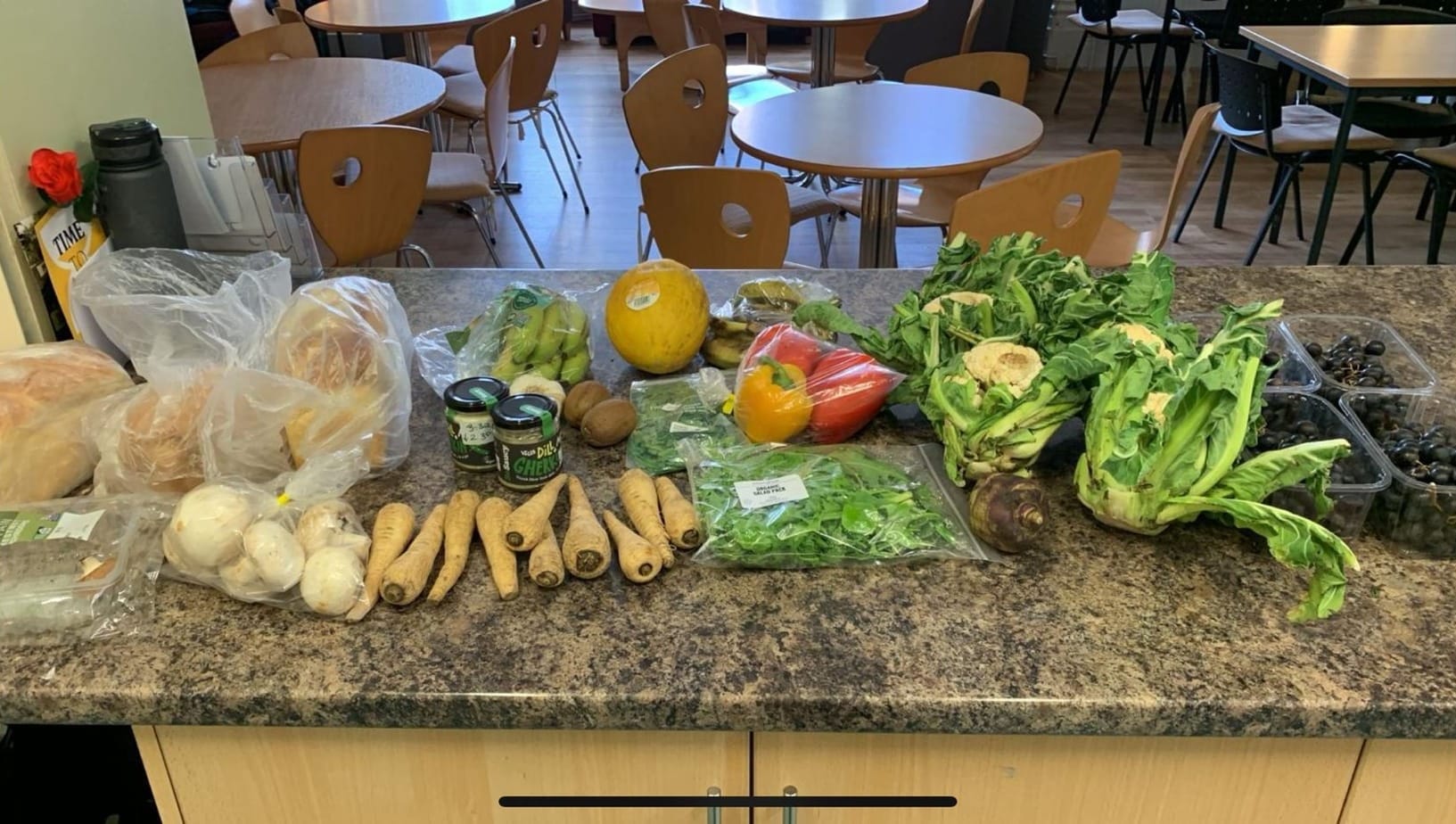
‘We meet at 10:45 at the Multifaith Chaplaincy on Woodland Road every Tuesday with the produce we have been given and then start cooking up a delicious vegetarian/vegan, free lunch for students.’
The café values spontaneous recipe ideas and creativity as they never know what produce they will get until Monday evening or Tuesday morning. Sylvie further told Epigram that out of the Zero Waste Café has come ‘some beautiful friendships and memories, but as some of us are graduating this year we are now more than ever looking for more hands to get involved and help out!
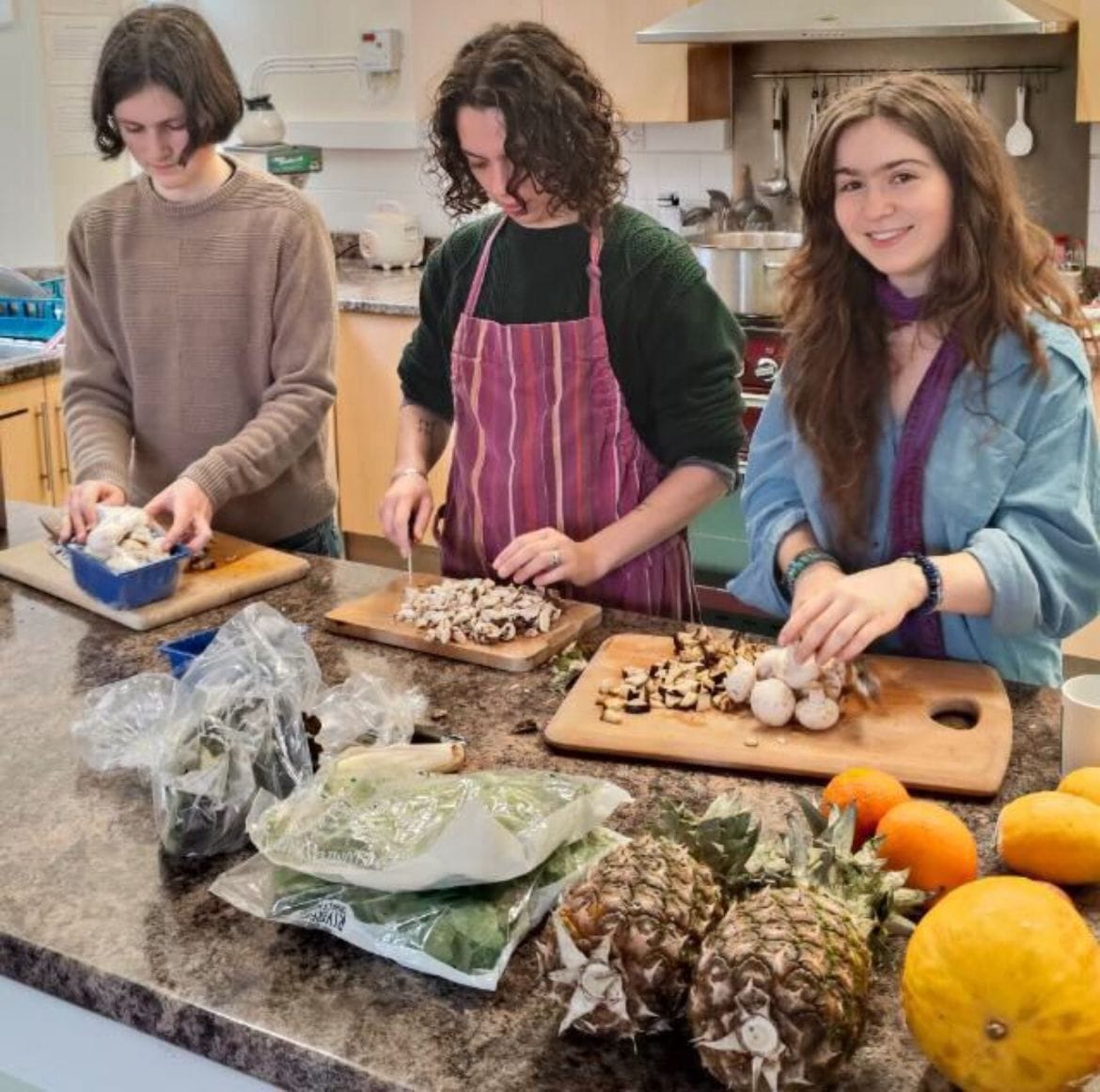
‘We really want Zero Waste to continue but it will only do so if we are able to get a bigger team on board’. If you are curious please reach out to @mfc_bristol on Instagram or, if you have a couple of hours to spare, join the WhatsApp group.’
Sustainable eating practices can also be integrated beyond university life, becoming a part of your home. Watch your fridge and be creative: use food close to expiry date first, and explore what you can make, such as old bread for croutons, or overripe fruit for banana bread. To make the most of your fridge space you could share meals with flatmates, use stackable containers, and label food with dates to make sustainable eating more attainable. Additionally, it could begin with exploring healthy plant-based meat-alternatives such as soy products (including tofu), and legumes and nuts. Meanwhile, Bristol offers a variety of sustainable shopping options, such as Earthbound on Cotham Hill, recommended by our very own Zero Waste Café. Having been a part of the sustainable community for decades, it offers organic fruit and vegetable options at affordable prices.
It is heartening to see the success of sustainable efforts in Bristol, however, the same cannot be said nationwide. Astonishingly, ‘there is no legal or universally accepted definition of food waste’ in UK government policy. This lack of clarification enables inconsistent data collection, prevents the implementation of effective policies and hinders progression towards goals. Recognition of the significance of food waste must begin at an individual level if we are to change this.
 Anna Dodd
 Sam Couriel
Sustainable eating is not niche and expensive, it is simply intentional. Taking steps, no matter how small, benefits not only Bristol but the wider planet. Join in celebrating sustainability in Bristol!
Featured image: Sylvie Paton
When will you visit the Zero Waste Café?