By Maya Tailor, Features subeditor
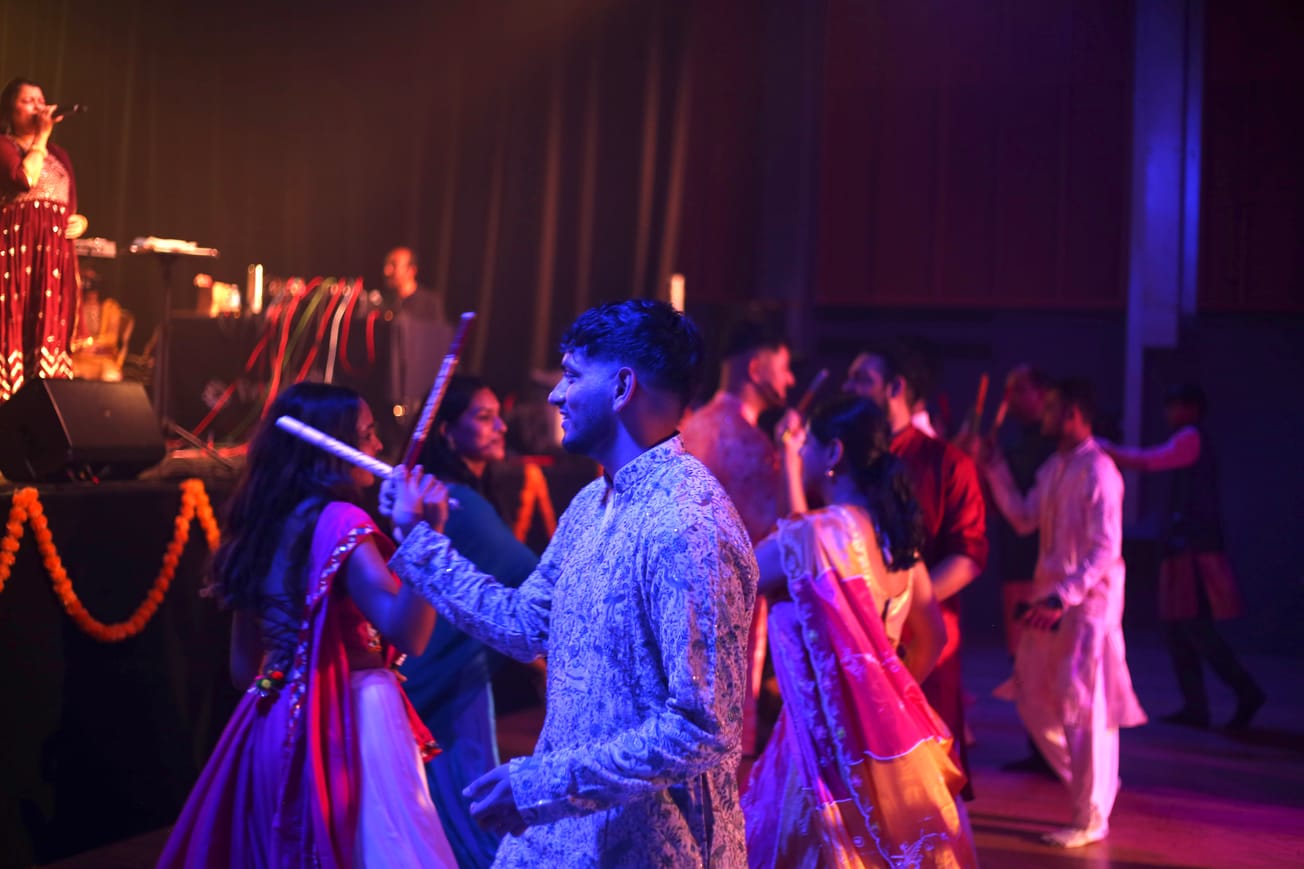
On Saturday 11th October, the Richmond Building was filled to the brim with joy, laughter and community as Bristol’s Hindu Society held their annual Garba extravaganza – Dola Re Garba – marking the auspicious occasion of Navratri. An important and beloved festival within the Hindu calendar, it honours the Goddess Durga’s nine divine forms, over nine sacred nights. Due to the lunar calendar, the starting date of Navratri changes every year. This year, the celebrations began on 22nd September and culminated on 1st October.
Each night focuses on a different form of the Goddess Durga, each one symbolising a different value and quality. This enables Hindus from across the globe to come together for cultural celebrations such as prayers, rituals and fasting. These gatherings are accompanied by colourful and intricate decorations and clothing, which only accentuates the lively, high-spirited atmosphere.
Navratri celebrations would be incomplete without the fast-paced Garba and Dandiya dances. These dance styles, both of which originate from the Indian state of Gujarat, are the foundations to the liveliness that each night of Navratri consists of. Garba is performed in a circular formation, often in an anticlockwise direction. It involves rhythmic and intricate clapping, spinning and footwork. At the centre of the circle is the Murti to celebrate the Goddess Durga and her victory against Mahishasura (the demon). On the other hand, Dandiya is a more structured dance with complex patterns of movement. It is usually performed in pairs and with bamboo sticks, which are struck to the beats of the music.
These various elements of Navratri contribute to its vibrant sense of togetherness that each autumn brings, which is exactly the atmosphere that Bristol’s Hindu Society replicated in the SU’s Anson Rooms, which were draped with intricate decorations. Epigram spoke to Hindu Society Co-Presidents, Rishi and Reeva, about the behind-the-scenes details that went into putting on Dola Re Garba, as well as the importance of cultural events such as this.
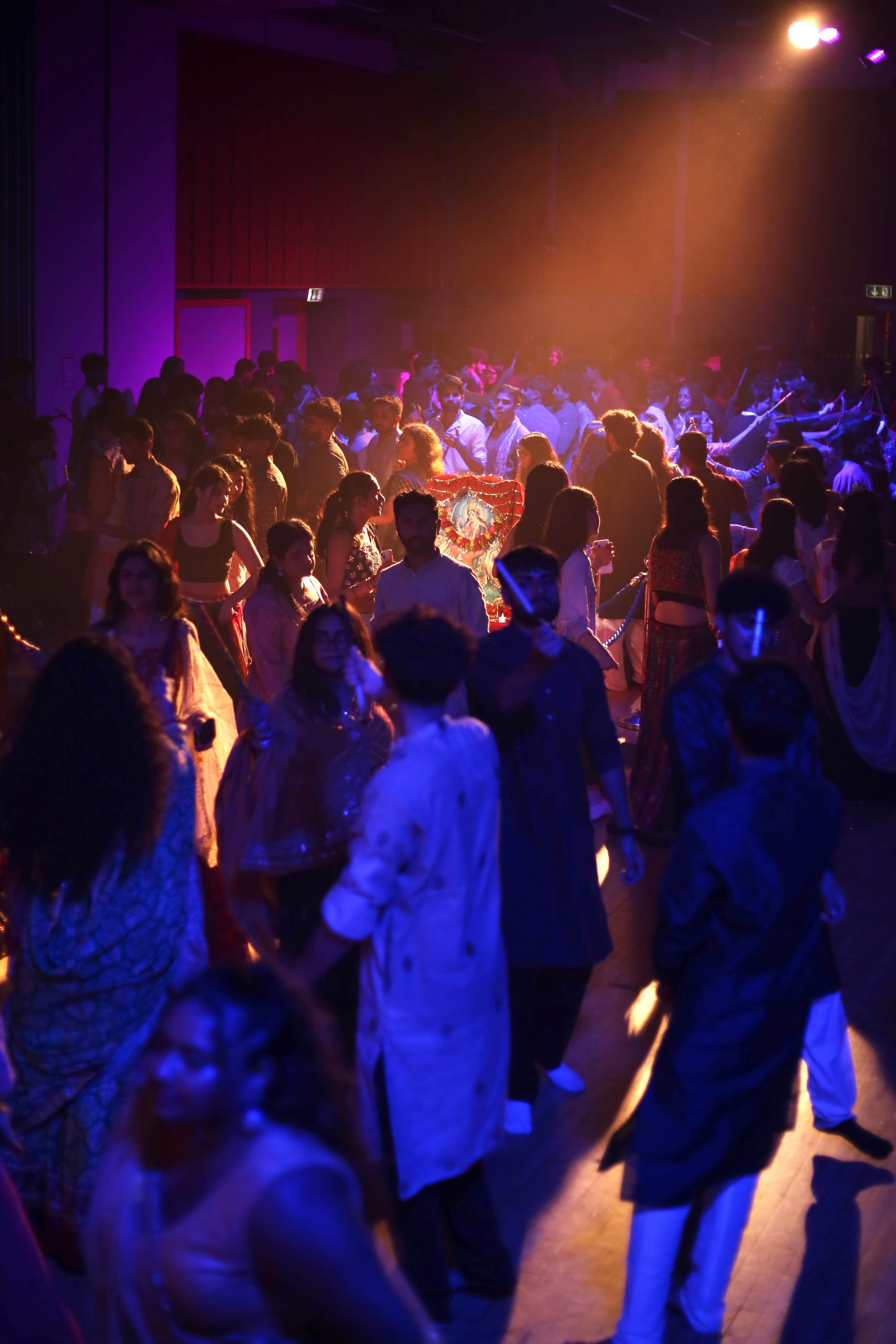
Rishi explained that it is not feasible to do nine nights at a university level, meaning the aim every year is to throw one big event that emulates the same atmosphere and activities. He told Epigram that the planning of Dola Re Garba began almost a year in advance, in collaboration with the SU team.
‘We [discuss] feedback with them about what went well and what didn’t go well. This information is held for around nine months until the next committee gets elected, which is around May. From then, you are pretty much on the ball, thinking about what you are going to do.’ The planning was led by Events Manager Aakash Sardesai, who Reeva credits with ‘getting the venue, catering and performances sorted since May.’
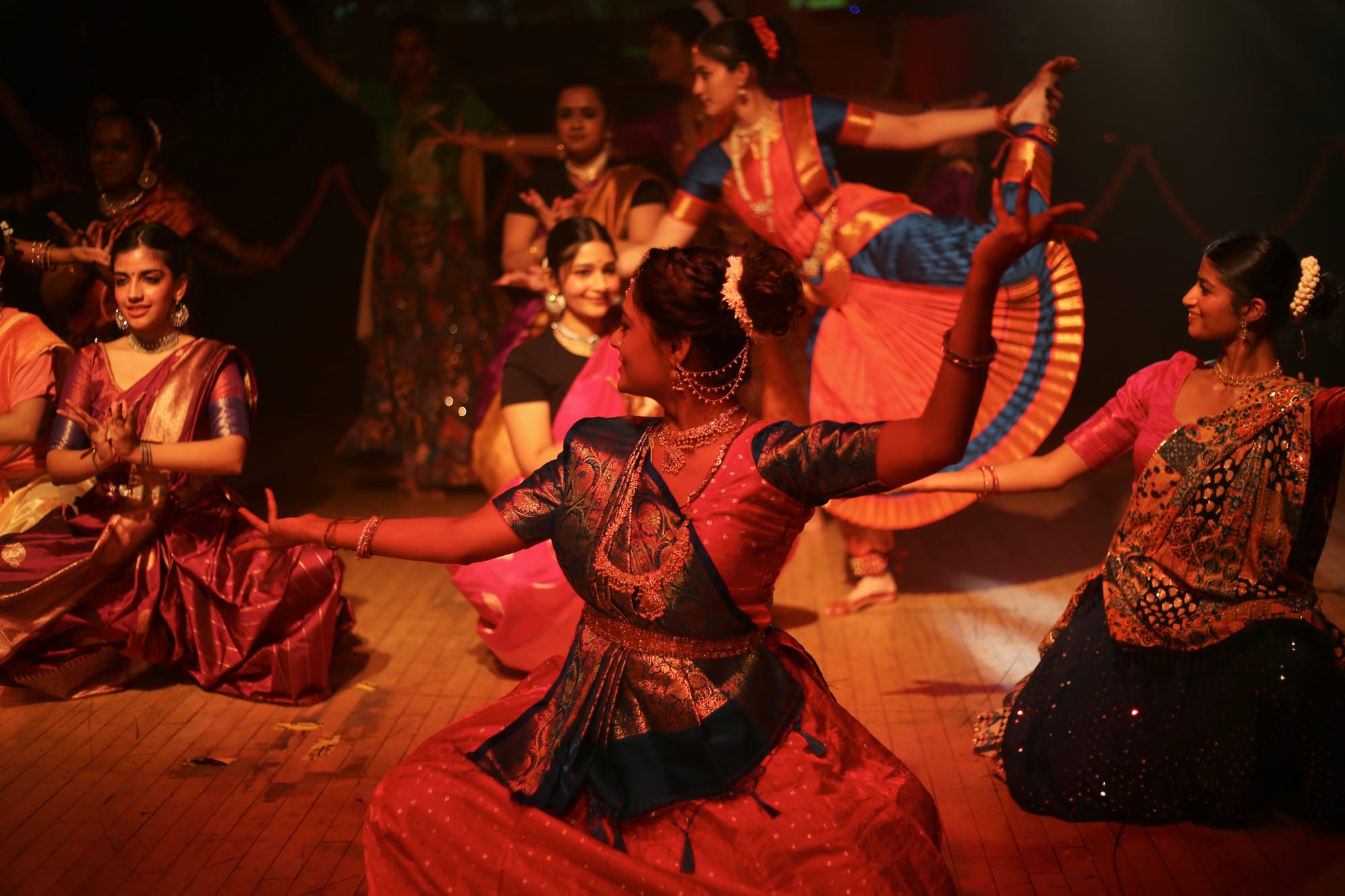
Dola Re Garba is also an opportunity for performing arts societies to showcase their skills and talent. Bollywood Dance Society, Taal, and ICPAS (Indian Classical Performing Arts Society) were just a few of the groups that performed on Saturday.
Alongside this, the logistics also involved the wider event planning, which included the layout of the floor itself and crowd management. Reeva noted that ‘the crowd management was one of the points which needed more work on in previous years.
‘We took on that feedback and made sure it was one of the areas of focus for this year!’
With 450 tickets sold, including 53 tickets sold at Cardiff University and a handful of tickets sold to students at universities in London and the Midlands, this sold-out event marked the SU’s first South Asian festival of the year, as well as the first Special Event of the student calendar. Rishi explained that although this brought with it a certain level of pressure to deliver, there is also a strong sense of pride.
‘It’s an exciting time and everyone on the committee relishes the opportunity to take on the challenge.
‘It is definitely a favourite amongst the student body. People are coming back every year. People are always asking about it before they leave for summer, as they’re thinking about when [Navratri] will fall.’ This year, Dola Re Garba was held at the midpoint between the end of Navratri and Diwali, which fell on 20th October.
As part of their Navratri celebrations, Hindu Society also held a Garba workshop on 9th October, aimed at teaching and breaking down the core sequences, as well as giving people a chance to practise before the big day.
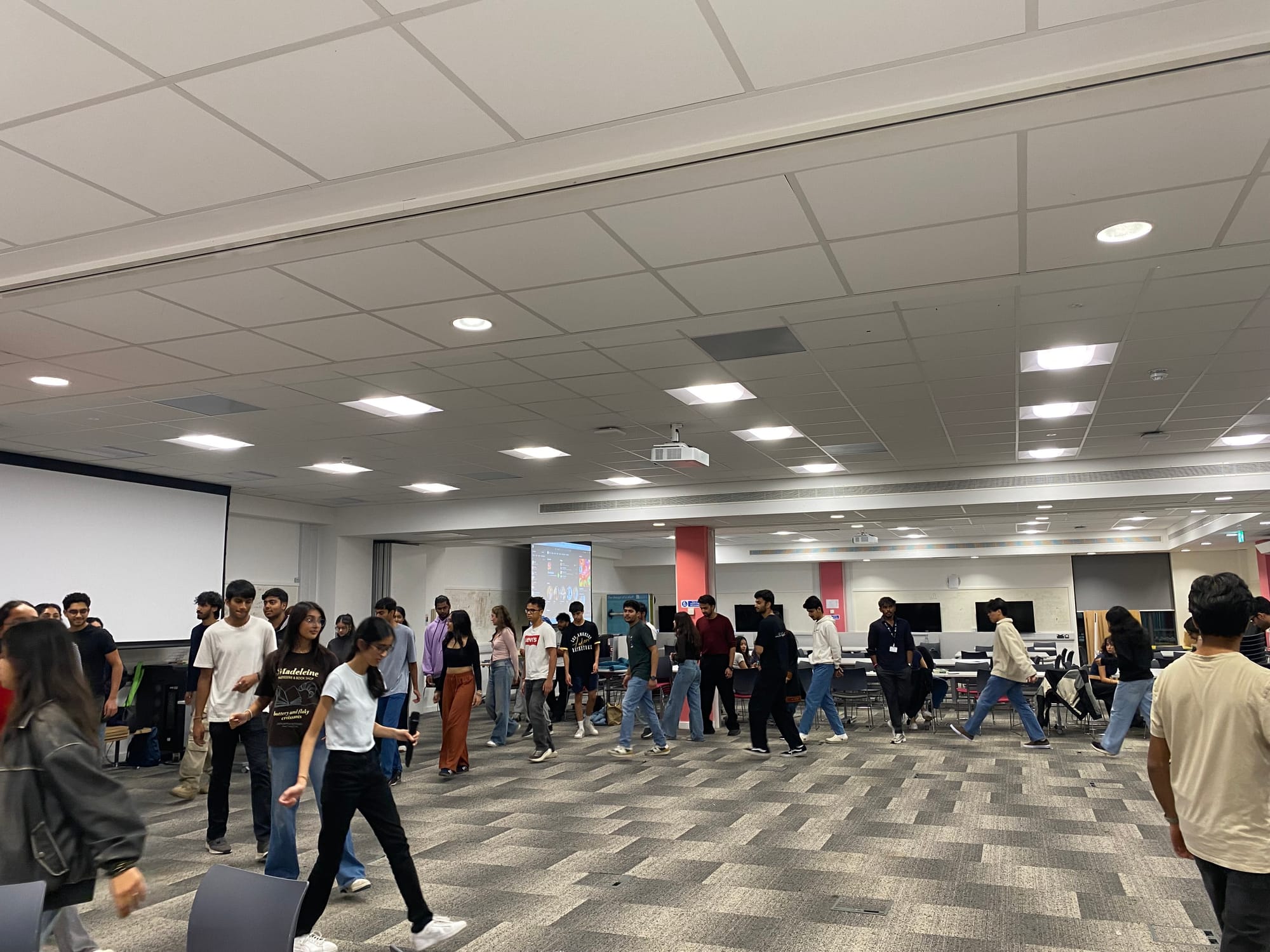
‘It can be a nerve-wracking occasion when an event is centred around dancing and you don’t know the dance. I’ve been there and I know that feeling,’ Rishi said.
‘Having an opportunity where you can be taught the basics slowly gives you that confidence on the day. Plus it is a great way to meet new people!’
 Amelie Patel
 Bibi Toye
This couldn’t be truer. Throughout the workshop, committee members were attentive to all levels, from beginners to experts, never hesitating to break down the fast-paced, complex movements either individually or to the entire group. A real sense of excitement was captured during the workshop, in anticipation for Saturday.
In a very short time frame, the joyful spirit of Navratri was captured, and marked by a colourful celebration of culture and tradition. As Rishi puts it, ‘in a place like Bristol where the diversity is concentrated [in different places], it is a great way to bring people together.’
Featured Image: Epigram / Cassandra Geere
How do you embrace your cultural identity at university?