
By Luke Beaumont, First year, Psychology and Neuroscience
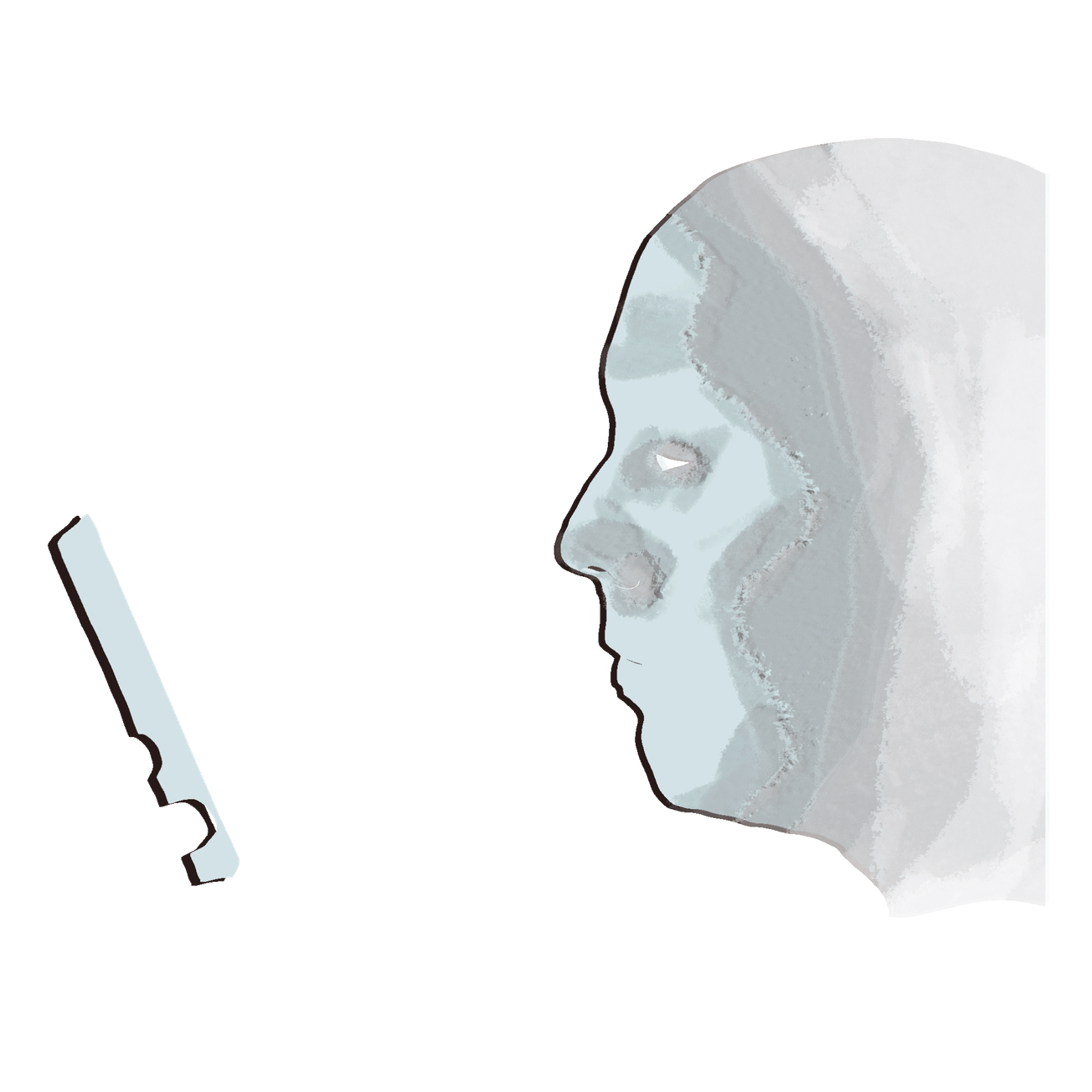
It is the day of your deadline; you have just spent two hours before your lecture submitting your essay. You feel strangely flat instead of relieved. You open TikTok. A video appears: ‘If you constantly feel empty after achievements, that is a symptom of high-functioning bipolar depression.’
You pause. This feels familiar, you feel validated. The comments flooded with people saying: ‘That explains everything.’
But walking in the brisk air the next morning, slightly sleep-deprived, you felt exhausted last night but could not get to sleep, you wonder: is this a disorder - or is everyone feeling this way in university?
At what point does feeling ‘meh’ become cause for a diagnosis?
Emotional intensity and the university brain

University is not emotionally neutral. It is the perfect storm of uncertainty, sleep disruption and performance pressure. Under chronic stress, cortisol (the body’s stress hormone) levels increase, and the amygdala (the brain’s emotion centre) becomes more reactive. This increased reactivity can amplify ordinary setbacks into feeling more like astronomical emotional failures. A slightly lower mark does not feel like a short-term setback, it feels like a threat. Social exclusion feels like a stab in the back, with a lingering sensation of rejection. Meanwhile, the prefrontal cortex, which is responsible for behaviour and personality, is still developing its behavioural efficiency into early adulthood. Add three hours of sleep and a large caffeine drink and suddenly mood fluctuations seem less surprising. They are, in fact, rather predictable.
These responses mimic clinical symptoms. Low energy resembles depressive fatigue, heightened vigilance resembles anxiety, and social withdrawal resembles low mood disorder. Yet in many cases, these are proportionate adaptations to environmental overload. The brain is not malfunctioning; it is trying to respond to pressure.
Psychiatric diagnoses require persistence, severity and functional impairment across multiple aspects of an individual’s life. A week of emotional exhaustion during exam season does not automatically meet that threshold. The distinction is not about invalidating distress – but to understand the individual environment first.
Why labels feel so powerful
The appeal of diagnostic language lies partly in how the brain processes uncertainty. Humans are prediction driven organisms. When experiences lack a clear explanation, they generate cognitive tension. Assigning a label reduces the ambiguity you feel and thus restores a sense of validity. Research suggests that labelling emotions can reduce amygdala activation and increase activity in the prefrontal cortex. Essentially, describing a feeling can make it feel less overwhelming. This is one reason therapy-informed language circulating on social media can feel reassuring rather than alarming. The language provides a framework that transforms your feeling of vague discomfort into something more structured and recognisable.
However, identity formation is deeply tied to narrative. Once a person adopts such a diagnostic label, it becomes integrated into their ‘self.’ The medial pre-frontal cortex, involved in self-referential processing, activates strongly when individuals think about some traits which describe them. Over time, the brain filters new experiences through special types of schemas (mental frameworks) which hold information about their identity. If ‘I am anxious’ becomes central to self-understanding, ambiguous situations are more likely to be perceived and interpreted as confirming said trait. Essentially, your brain becomes biased to the label you give yourself.
So, while labels can validate your suffering, they can also solidify it.
Social media and the compression of complexity
The rise of therapy language on social media has undoubtedly reduced stigma and increased awareness of mental health conditions. Large mental health content creators often aim to demonstrate psychological knowledge, and for their millions of viewers this has been revolutionary. 70 per cent of those with depression showed an improved mental wellbeing following social-media based interventions.
Students who might have never considered seeking support now recognise patterns in their behaviour and reach out for help. Yet, the structure of short-form content encourages simplification. Clinical criteria such as the commonly used such as the ICD-11, a psychiatric diagnostic manual, is far more complex; they involve time frames, differential diagnosis, comorbidity and functional impairment. Social media compresses this into a 30 second brief overview. ‘Three signs you may be depressed’ is easier to consume that a discussion of diagnostic thresholds.
This does not mean that online mental health content is harmful. Rather it means that context can be lost when complexity is condensed.
The subtle cost of over-pathologising
Pathologising normal emotion has psychological consequences. When distress is framed as an internal dysfunction, attention shifts away from factors in your environment. A student experiencing chronic exhaustion might look for neurological explanations while ignoring unsustainable workload and their poor sleep. Someone who feels socially withdrawn might assume a named disorder rather than recognising burnout.
There is also an impact on one’s agency. Clinical disorders require professional intervention - they do not just go away. Situational stress, by contrast, often responds to contextual adjustment: sleep restoration, social support, and comparing yourself to others. If every moment of feeling uncomfortable is treated like an illness, individuals may underestimate their own motivation in adapting their lifestyle for the better.
From a neuroscience perspective, identity narratives influence behaviour. Believing that a difficulty is permanent can reduce motivation to experiment with new coping strategies. However, understanding an emotion as a stress can encourage independent problem-solving. The brain strengthens the pathways it uses most often. Given this, neuroscience predicts that the more you try to solve your own problems the better you will be at facing issues in the future
But when is diagnosis essential?

None of this diminishes the true reality of mental illness. The existence of over-pathologising does not negate under-diagnosis. Both can occur simultaneously. Persistent depressive disorder, generalised anxiety disorder and other psychiatric illnesses are serious and often debilitating. For many students, diagnosis provides relief, access to treatment and a language which accurately reflects lived student experience.
The challenge lies in the difference. Emotional pain is real whether or not it meets diagnostic criteria. But not all pain indicates pathology. The differences rest in duration, severity and the degree to which functioning is impaired across life domains. The modern student inhabits a world of unparalleled psychological awareness. This cultural shift has bought empathy, modern vocabulary and a new sense of openness that previous generations unfortunately lacked. Yet it has also accelerated the speed at which ordinary fluctuations become categorised.
Your brain is designed to experience a wide emotional range, something which is tested by life as a student. But these feelings are given names by social media. Sometimes these names are accurate and can be lifesaving. Sometimes they are unnecessary. The task is not to reject this psychological language, but to use it with fine precision. To ask not only ‘What do I have?’ but also ‘What is happening to me, and why now?’
Stress, uncertainty, grief, exhaustion and change are powerful forces. These can feel clinical without being pathological.
To be true to yourself, is to understand that curiosity does not require categorising yourself. Sometimes the most psychologically informed response to feeling bad is not to only chase a diagnosis but to investigate the cause.
This article is not medical advice. If you, or a friend are feeling low, University of Bristol student counselling services are available for mental health support. In the case of mental health emergencies, contact 999, the University of Bristol security services (+44(0)117 331 1223) or the Samaritans (24/7 hotline: 116 123).