
By Orla Ruane, Second Year, English Literature
The complexities of motherhood are rarely spoken about, and the assumption that bringing a child into the world automatically brings joy into a person’s life can be a dangerously misleading one.
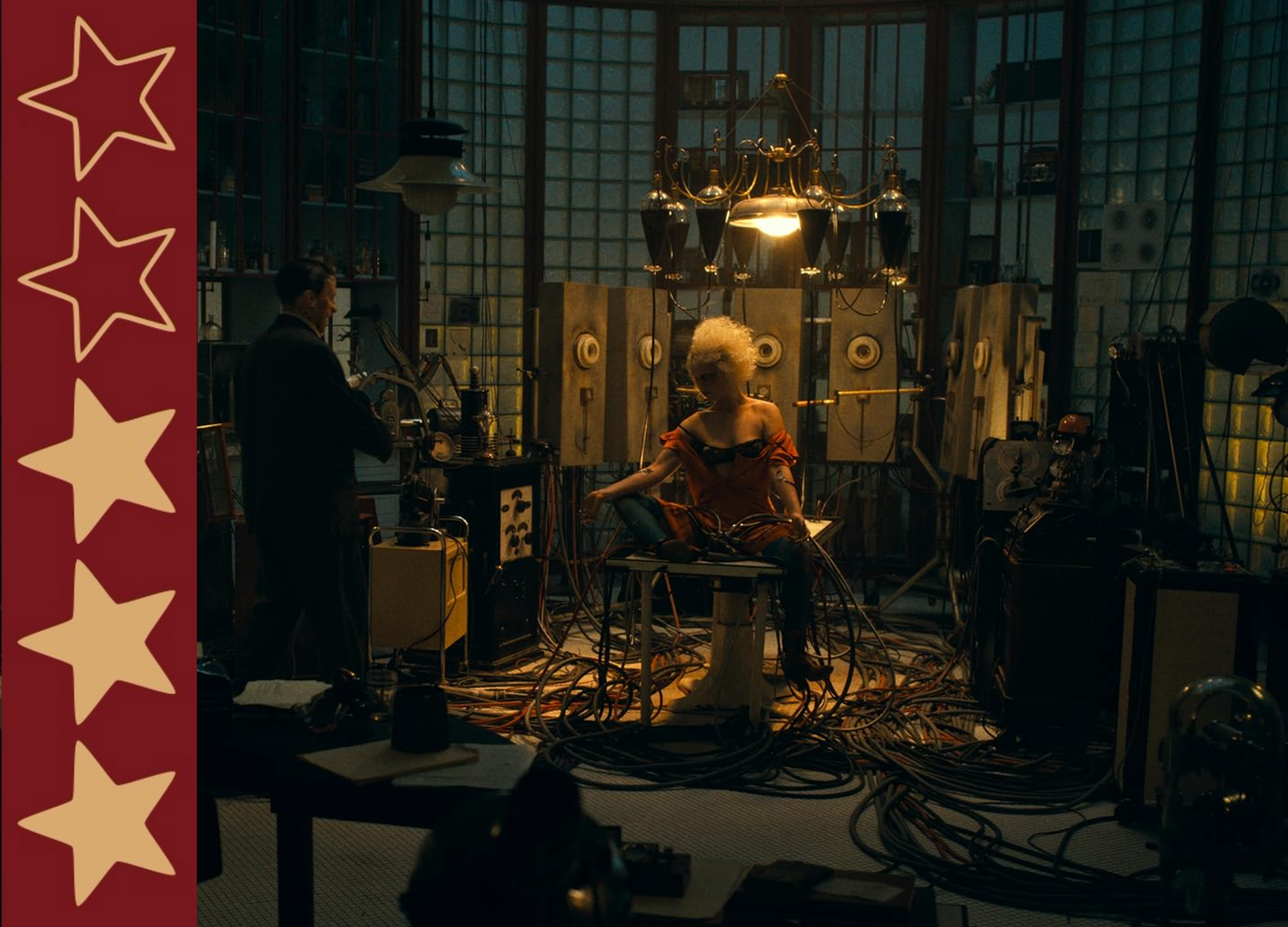
Die My Love (2025), directed by Lynne Ramsay, explores the darkness that can emerge as a consequence of postnatal depression. Based on the 2012 novel by Ariana Harwicz, the film offers a startling depiction of a mother’s descent into insanity as the walls begin to close in around her following childbirth.
The film opens with Grace and Jackson (Jennifer Lawrence and Robert Pattinson), a couple who have moved from New York to Montana, where Jackson grew up. Grace is an aspiring writer who jokes that the move will allow her to construct the next Great American Novel. The passionate connection the two share in this moment offers our first glimpse into their relationship, laying the foundation for a deep physical affection, while the substance beneath the surface is left largely unaccounted for. Though the tone is light, the square (1.33:1) frame establishes an inescapable sense of claustrophobia from the very beginning.

The fresh start the couple had imagined begins to shift when Grace falls pregnant. The responsibility of caring for a baby forces her to discard her writing aspirations, with the already demanding task of looking after a newborn further amplified by Jackson’s unexplained absences.
These disappearances raise the question of what could possibly be more important than supporting the mother of his child. His absence causes Grace to spiral, becoming hyper-fixated on the possibilities of where he might be, a fixation that directly contributes to her mental decline. The cool lens through which the film is shot amplifies the lack of warmth surrounding its representation of motherhood, as well as the isolated setting itself — depicting a solitary mother in remote Montana.
The psychological distress brought on by increasing isolation is a central aspect of the film. In depicting the fraught mental state of a mother, the narrative becomes increasingly complex as it progresses. However, this convolution, which mirrors Grace’s deteriorating psyche, can at times become difficult to follow. Plot threads and newly introduced characters begin to blur together, making it challenging to distinguish between reality and her fantasies. While this confusion is indicative of her loss of control, it ultimately leaves the audience uncertain about what is real.
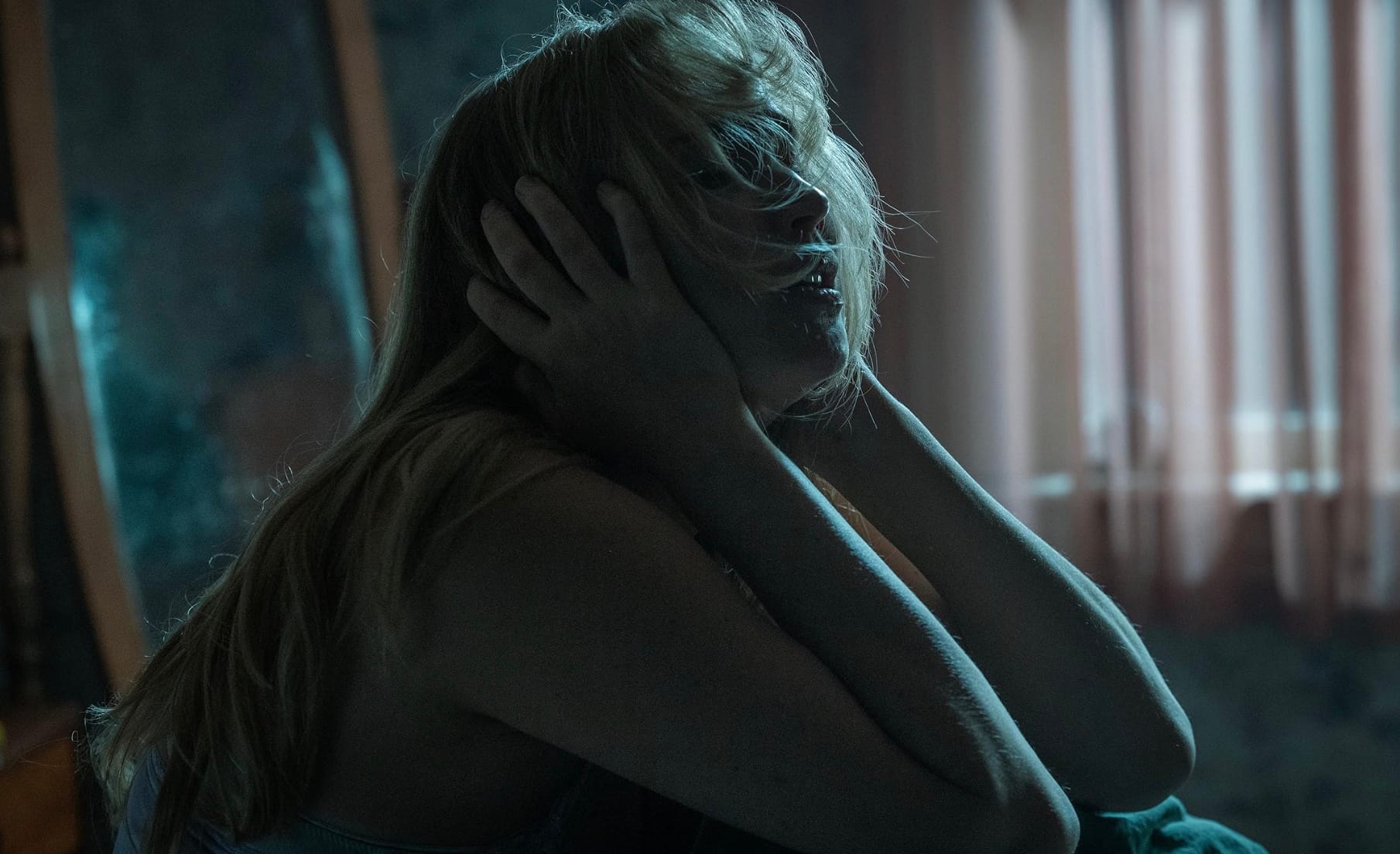
The film excels in depicting both a woman and a mother pushed to the edge, without sugarcoating or shying away from the mental strain that having a child can place on women. The lack of genuine support, coupled with Grace’s reliance on a partner who is simply not there for her, leaves her feeling helpless.
The unsettling inability to identify the extent to which the events unfolding are real is deeply unnerving, and at times nonsensical. Reflecting the complex nature of mental illness, the film sustains an unwavering sense of claustrophobia as Grace finds herself at odds with the life she has built, becoming trapped within the isolation of Montana.
Somehow, the film is funny at the same time. Despite the seriousness of its subject matter, a dark comedic undertone runs throughout the narrative. Grace sticks out like a sore thumb among the more ‘normal’ characters, and the so-called ‘advice’ they offer her is often laughable. Die My Love ultimately resists categorisation, refusing to fit neatly into any single genre.
 Kitty Atherton
It is a dark comedy and a candid depiction of psychosis, generating a persistent anxiety over whether Grace will harm herself or someone else. In a world where motherhood is so often idealised, it is refreshing to see such a raw portrayal of an experience that is frequently misrepresented.
Postnatal depression is commonly swept under the rug, and Grace’s psychological decline illustrates the devastating impact that an absence of support can have on a struggling mother. By ambiguously blurring the boundary between reality and fantasy, her mental decay seeps into every aspect of the film.
Featured Image: IMDB / Die My Love
What did you think of Die My Love?