By Kitty Atherton, Third Year, Philosophy
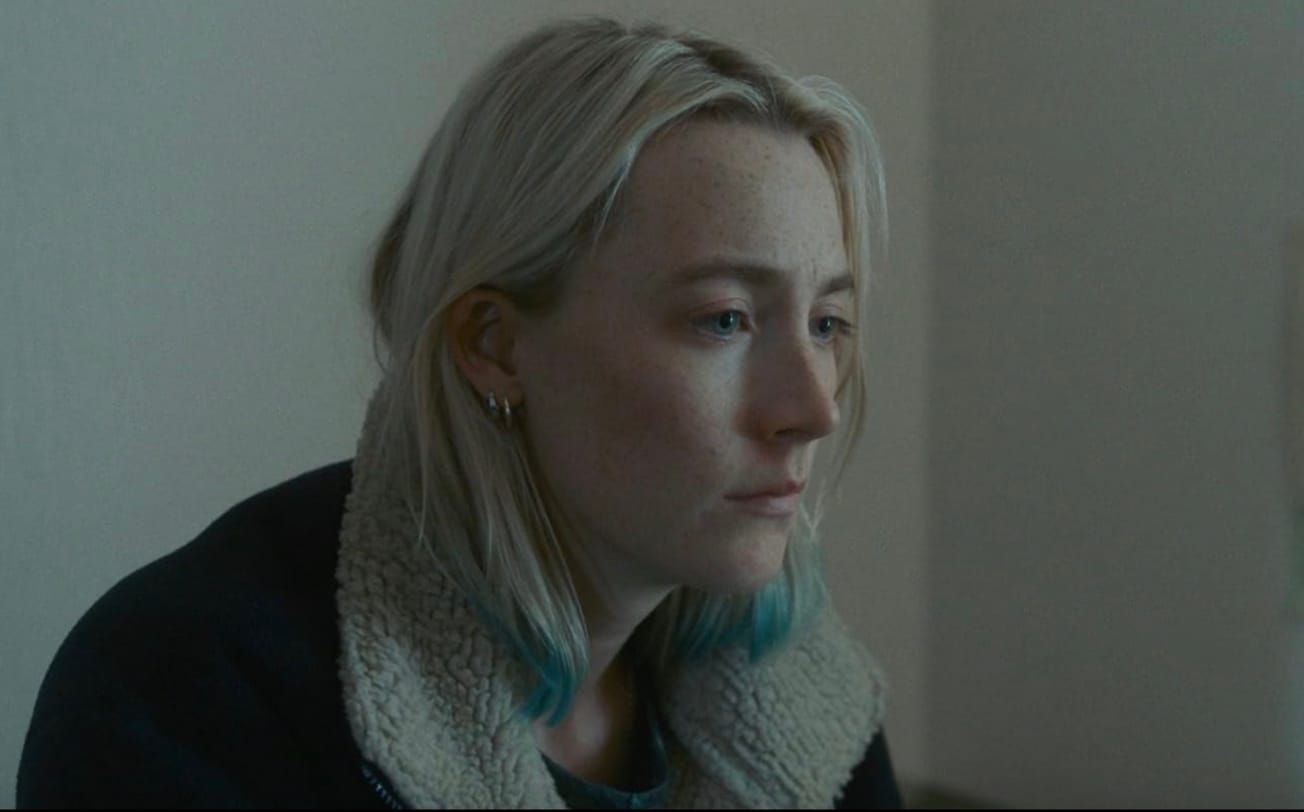
Nora Fingcheidt’s turbulent coming of age tale isn’t just a beautiful film; we can learn valuable lessons from Rona’s story. Saoirse Ronan plays the troubled Rona, who’s ever-changing hair colours - ranging from a cool blue to a fiery orange - mirror her stormy oscillation between self-destruction and peace.
Rona is a young woman from wild, wind-swept Orkney, drowning in her struggles with addiction while studying for a postgrad in London. Vibrant, fiercely intelligent, and with a touch of some undefinable otherworldly quality; it is no wonder that Rona spirals out of control under the weight of city life and university pressures. The film is mainly set in the present, in which Rona is attempting to cultivate a fragile sobriety back in Orkney, but is punctuated with painful flashbacks of her drunken rampages - the consequences of which are dire. Between losing her loving boyfriend and ending up in increasingly dark and harrowing situations, The Outrun perfectly captures the devastation that addiction can cause and the uncomfortable, uneasy process of finding yourself.
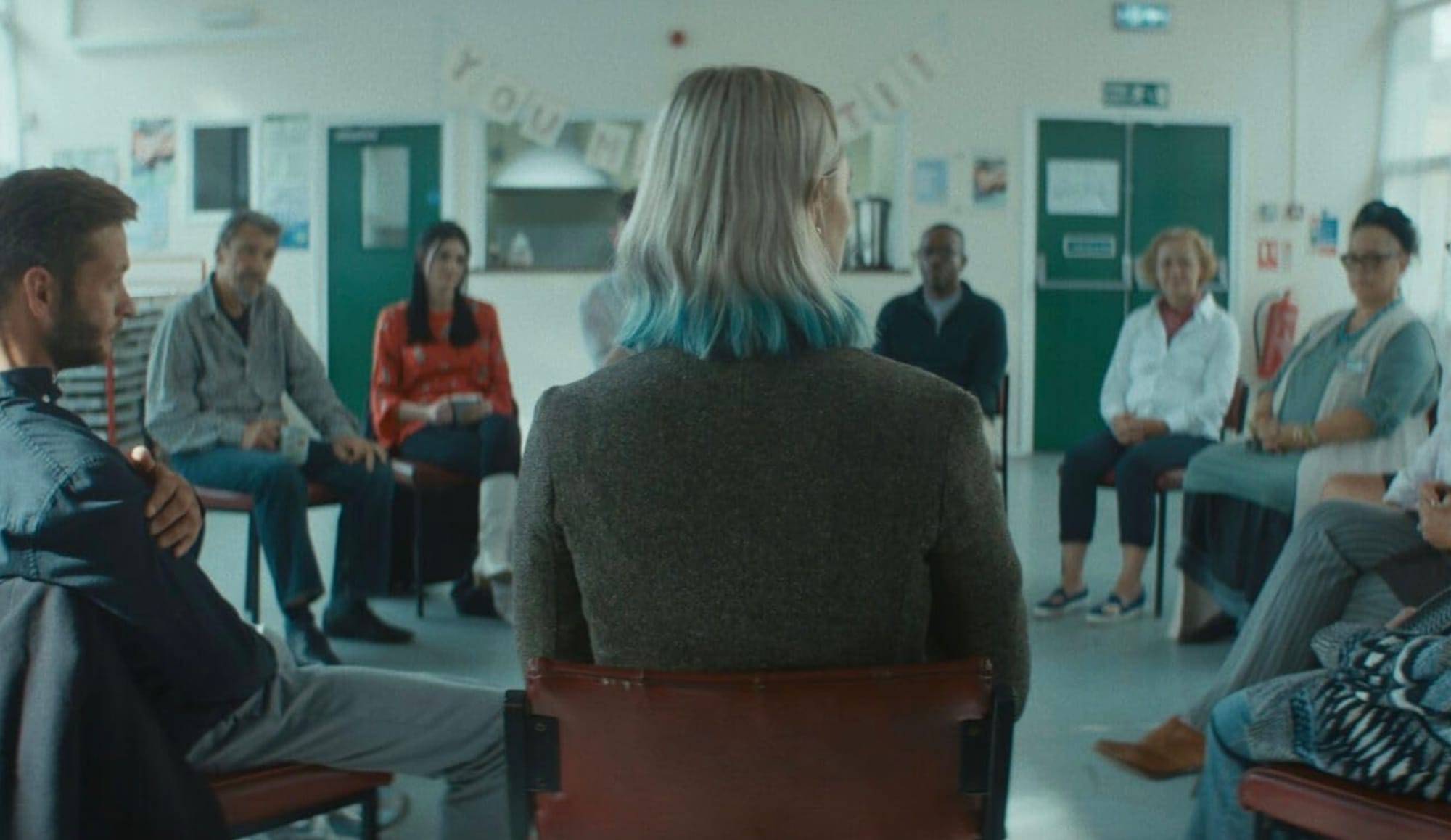
Although Rona’s story is extreme, watching it unfold feels oddly familiar. I imagine most students, suddenly plunged into a world of freedoms away from home, experience the same discomfort. Leaving home for the first time can be a strangely disjointed experience; with one foot at home and one foot at university, it’s hard not to question where you belong. The combination of this lack of belonging, the rising pressures of university, the frantic internship scramble, the desperate desire to launch yourself into this world of new people and leave home far behind is, for many, a recipe for unhappiness. Add in the heavy party culture at university, and you have a potential disaster.
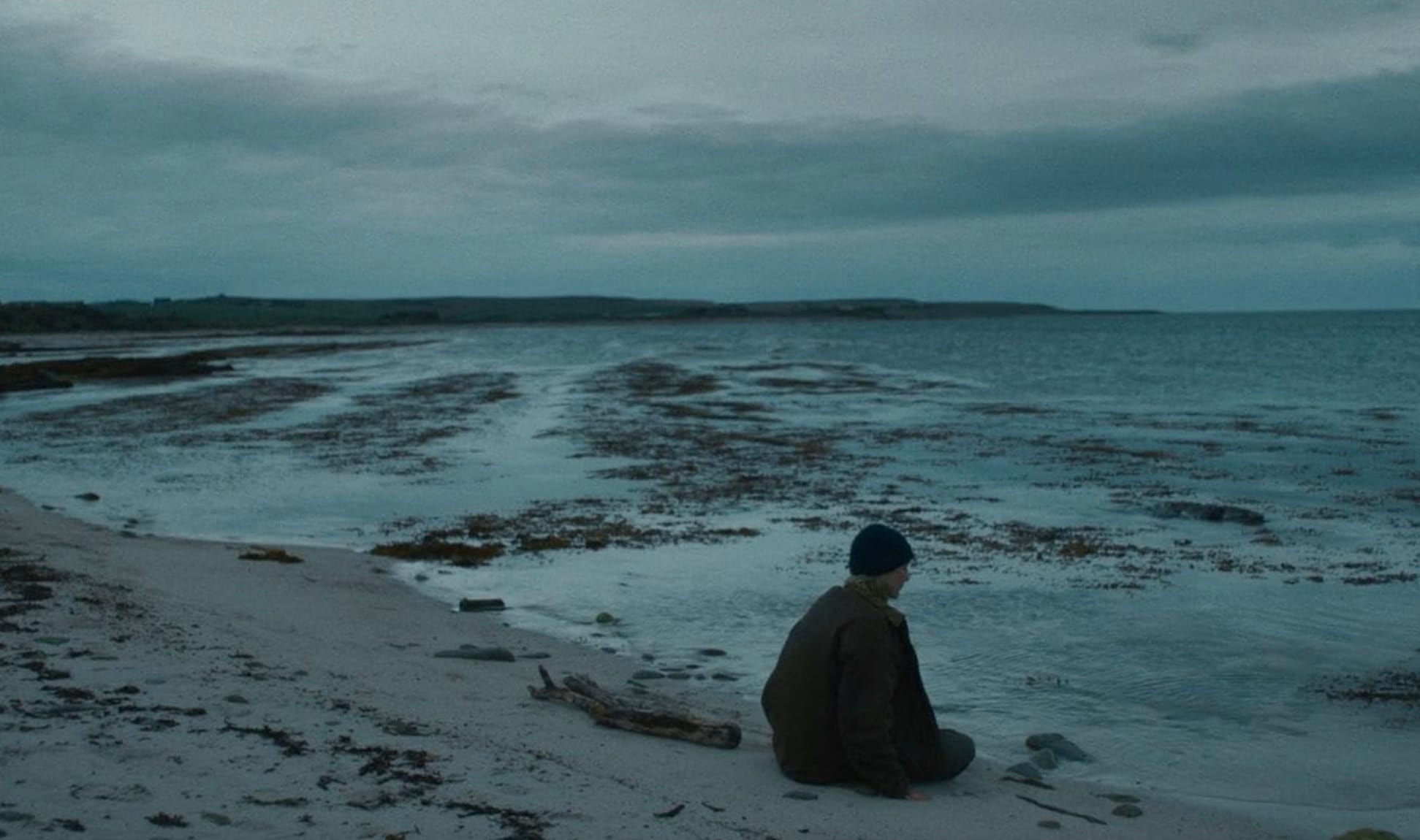
In The Outrun, we see Rona leave Orkney after a relapse triggered by unresolved issues with her fractured family; simply returning home isn’t the resolution to her problems that she’d hoped it would be. Her journey takes her to an island even more remote than Orkney - Papa Westray. To The Outrun’s credit, it certainly doesn’t romanticise the experience. Although Papa Westray is starkly beautiful, it is also a desolate island that regularly falls prey to relentless gales and bitter winters. The transition from Orkney to Papa Westray shows us two things: firstly, that moving home isn’t something that will immediately cure any problems, especially those that lie beneath the surface.
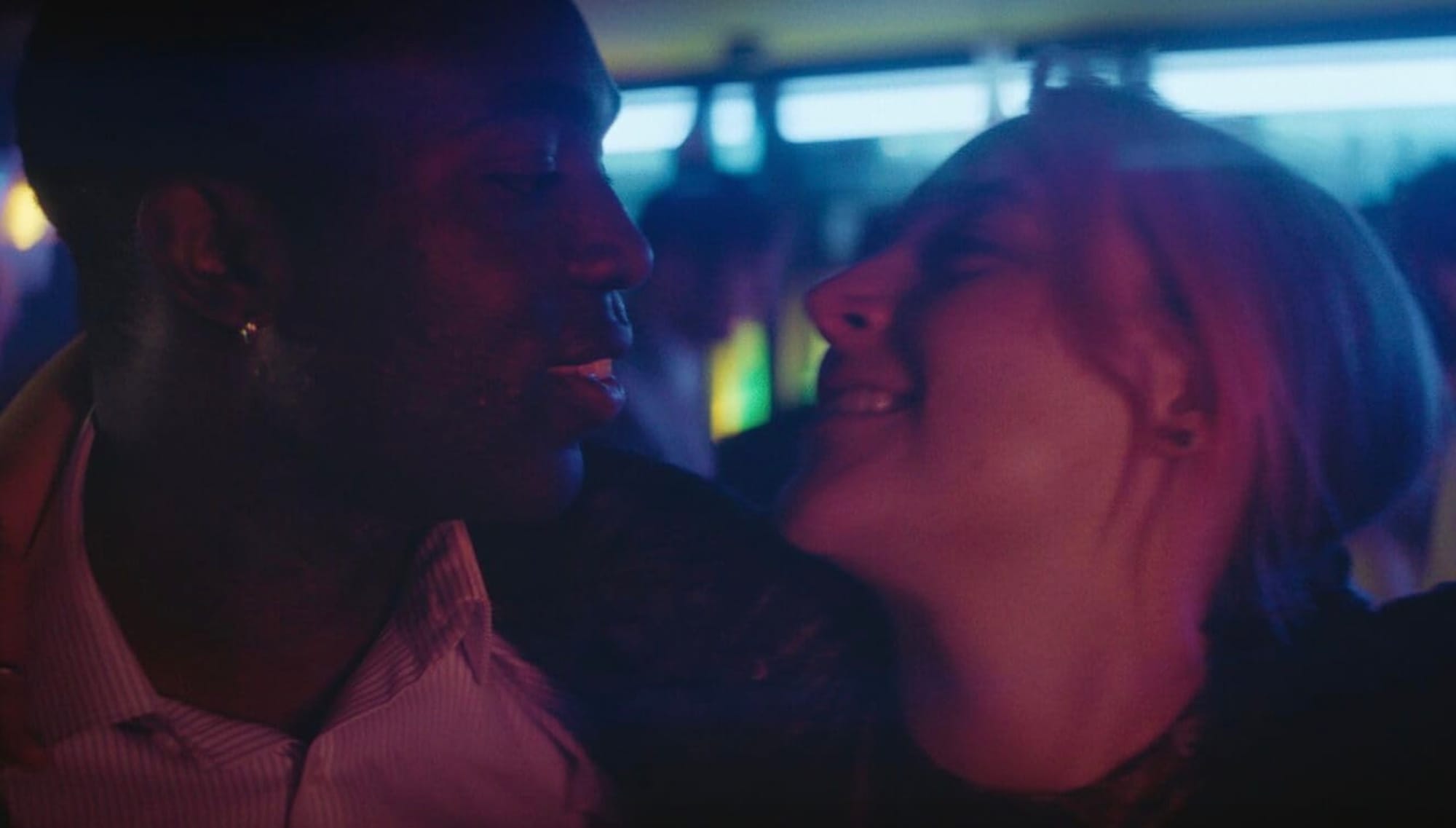
Secondly, I think that it’s important to note the comparison that Fingcheidt draws between the drastic, barren, and unrelenting isolation of Papa Westray, and the ceaseless mania of neon-lit London. With the sometimes crushing weight of university life, and indeed, just living in today’s world, there are endless available choices and distractions, forcing us away from confronting ourselves. The Outrun observes that it is completely possible to be just as lonely in the booming city amongst the crowds as it is in complete isolation. What Rona’s time in Papa Westray gives her is the scarce and precious opportunity to sit with herself away from the noise of her life. We don’t all have the luxury or the necessity to spend eight months on the fringes of civilisation, but what we can do is give ourselves time to pause and honestly reflect; even if turning away from the noise is uncomfortable.
A scene that is particularly relevant to university life is when Rona’s professor attempts to reach out - we see the concerned professor mention to Rona that her lab partners have noted that she seems to have stopped going for their weekly coffee - he also notes that Rona hasn’t been handing in her biology reports. Rona turns away. This is a sharp reminder of how easy it can be to withdraw. Students at Bristol report in the 'Campaign Against Living Miserably' that 41% of students feel stressed every single day - a shockingly unacceptable figure.
 Lottie Merchant
This scene during Rona’s addiction stands in clear juxtaposition to a more hopeful moment towards the end of the film - her face lights up whilst passionately describing to her mother her newfound interest in the environmental benefits of seaweed. This is not to say that you should attend every single lecture to avoid a breakdown - burnout is very real. Nor should it be claimed that your degree is a solution to mental health issues, or even that the University of Bristol is always particularly well equipped to deal with it. The Outrun shows us that fulfilment often comes from having a purpose, some kind of passion, and feeling needed. Without anchoring yourself in some kind of routine at university, it is far too easy to drift into that in between.
The most striking lesson from The Outrun, however, is that no matter how fresh the new start seems, you always eventually have to face up to who you are. Each year people leave home, scrubbing themselves clean of any semblance of childhood, hoping their new peers won’t sense their insecurities. It could be said that Rona’s journey is just about self-reflection and solitude, but I think it’s about self-love. Nowadays, we use the phrase self-love as a buzzword for ‘clean girl aesthetic’, scented bubble baths, or perhaps spot it printed on a pastel pink gym top. Perhaps films like The Outrun are important because they show us that real self-love is anything but clean: it’s gritty, tough, and demands a huge amount of bravery and resilience. Rona shows us that we can never create a new self - we can only learn to love the one we have.
Featured Image: IMDB / The Outrun
What did you think of The Outrun?