By Ellen Paterson, News Reporter
Your vote determines who will champion your academic and personal interests at the university level. Who best represents you? Make sure your voice is heard.
You can vote here until 9 pm Thursday 12 March. Find candidate manifestos here.
 Cara Hene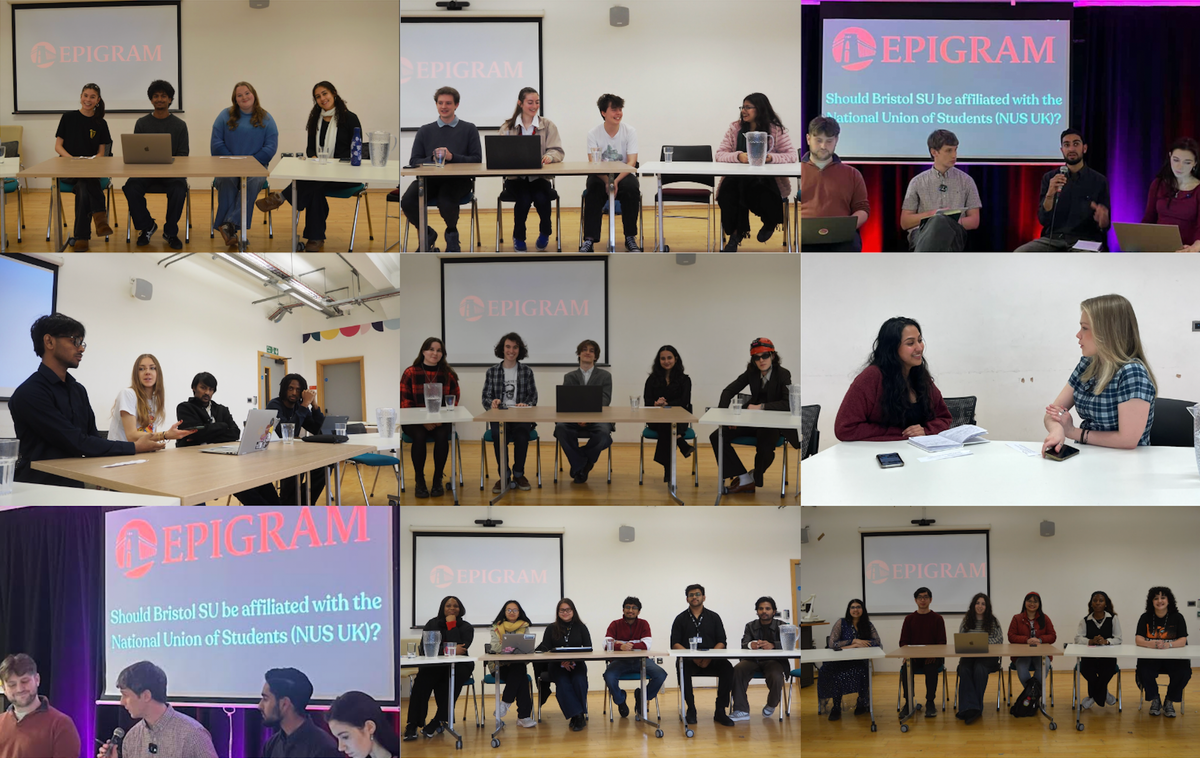
One of seven full-time roles, the ELA Officer is responsible for ensuring all students, particularly those from underrepresented or minority groups, have their voices heard on campus.
Working with marginalised communities at the University of Bristol and beyond, they are required to support students on issues relating to the Bristol SU Equality Policy, aiding the SU to reach its equality targets.
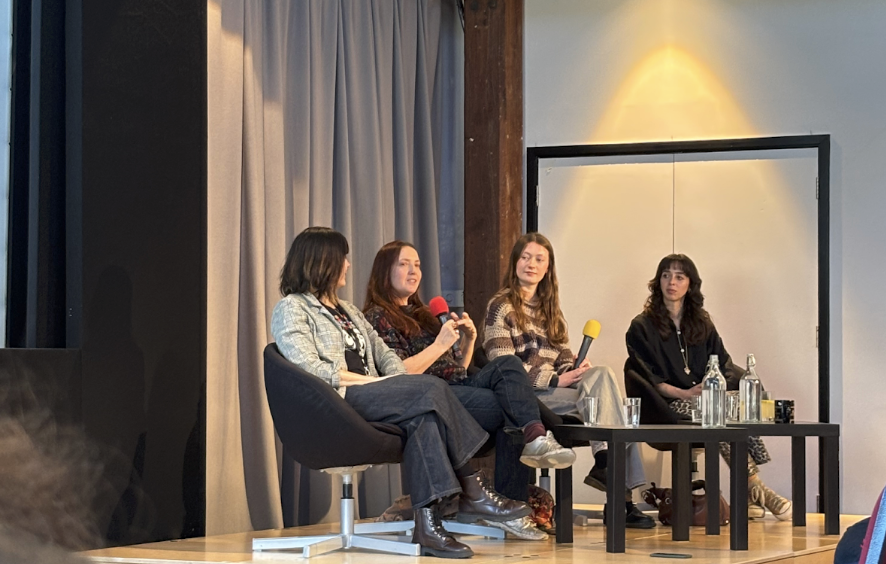
Epigram sat down with all six of this year’s candidates to find out more about their campaigns and their goals if they get elected. Our questions asked them to introduce their campaign; voice their opinions on groups they feel are underrepresented and discuss discrimination within university societies.
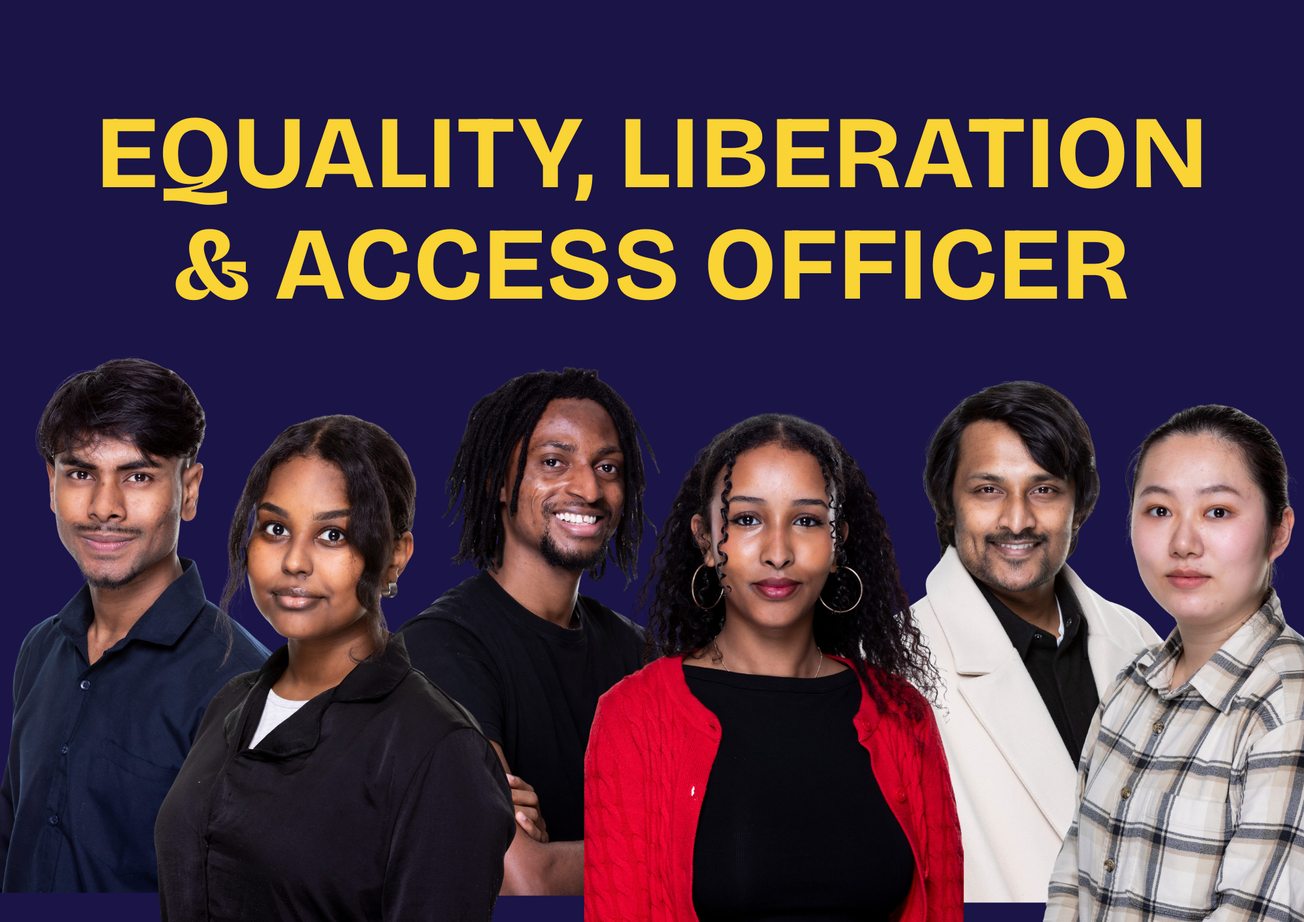
This year's candidates are: Ajay, Bethalhim Asres, Jasper Daniel, Rahwa Mulugeta, Rajaashok Bhimrao Ghate and Yu Liu
*If a candidate did not attend our interview panel, nor respond to our questions over email, they have not been profiled in this article.*
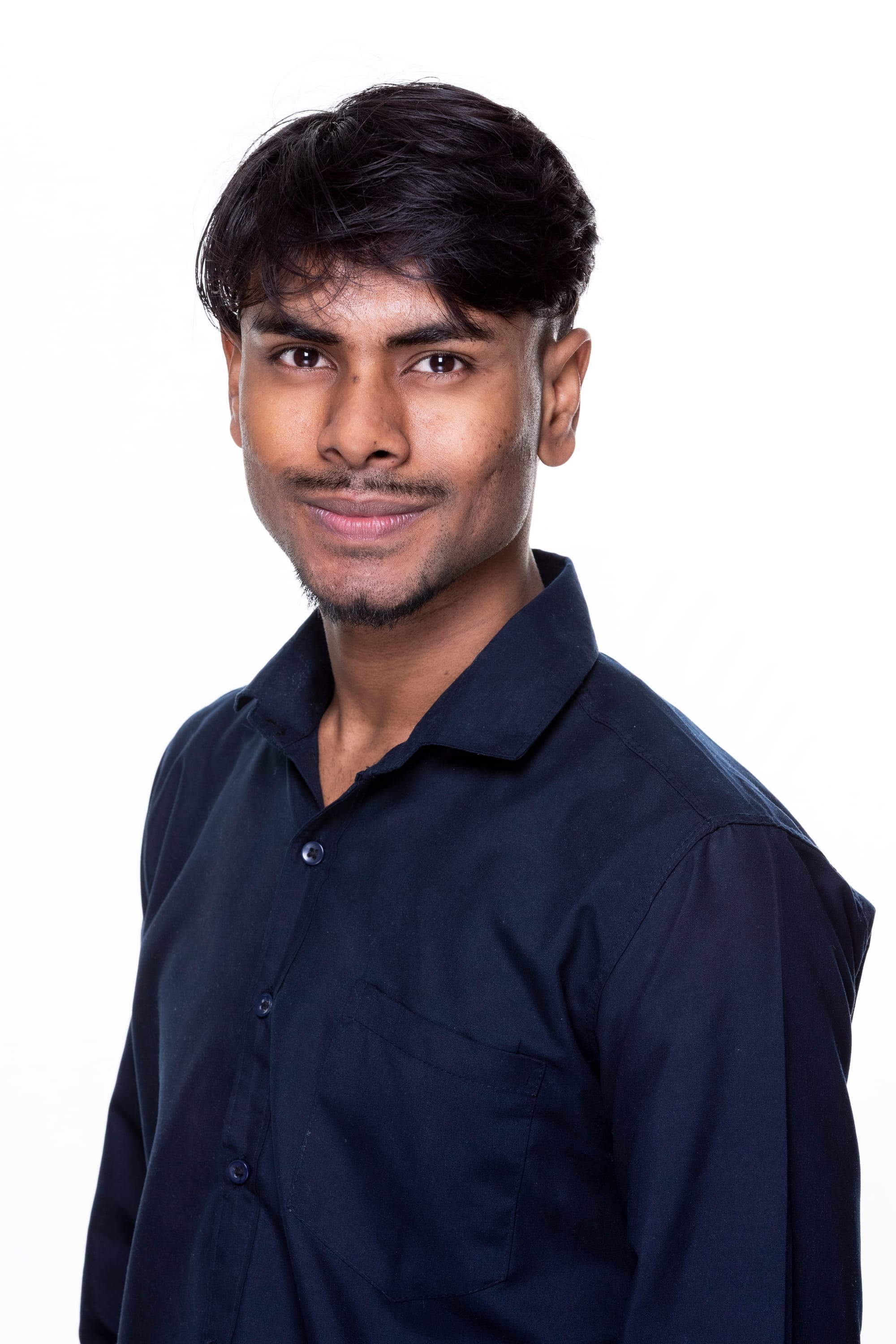
Ajay
‘Heard, Visible, Equal – Bristol SU for Every Student Now’
Campaign Pledges:
- Build community and amplify voices of international, Global Majority, Black, women, LGBTQIA+, disabled, refugees, care leavers, working-class, mature, faith and other under-represented students.
- Fight racism, casteism, Islamophobia, sexism, homophobia, transphobia, ableism, classism and all oppression.
- Break access barriers with lower costs, better support and accessible spaces/events.
Epigram spoke to Ajay about his attitudes to the role and campaign as a whole.
‘I want to make Bristol a place where they don’t just study, where students belong and where I belong. It’s not about me. My motto is, do you want to be heard and visible? Because you really matter
‘It’s not only about specific groups. It’s about everyone. No matter which group you are coming from, I’m going to stand for you’
When asked about his plans to increase equality within university societies, Ajay said: ‘I’m going to build an access where they can have that opportunity to subsidize their membership fee. They can have access to the beautiful groups and beautiful communities they want to be in and explore.’
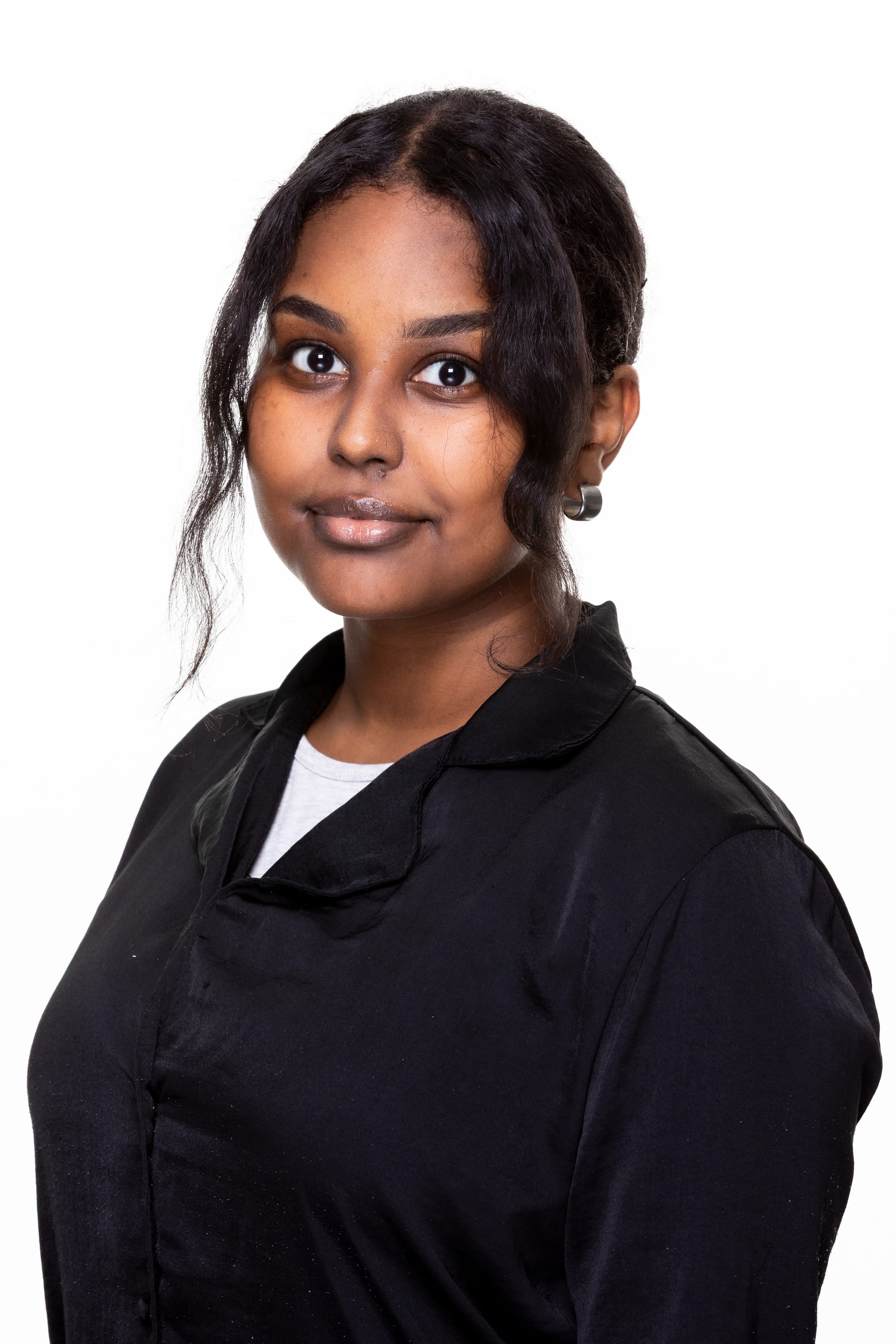
Bethalhim Asres
‘Tired of talking, ready to act! DEI that strives to actually get things done’
Campaign Pledges:
- I am a social policy student who knows how to listen, read the data, and provide a listening ear to students in order to make strong arguments that the university simply cannot ignore. I’m not aiming to tick any boxes!
- As a course rep, I have been well versed in collecting student feedback and concerns and effectively escalating to higher ups. I have been in spaces where fellow students have expressed their concerns in feeling isolated and misunderstood as a result of their backgrounds or unique challenges. Clearly, this is an integral issue impacting the student experience!
- I have lived the barriers I am campaigning about. I translated for my mother and I navigated education with no parental support. I had no choice but to learn the rules of the game alone!
Responding to Epigram, Bethalhim said ‘Navigating university without the networks and the parental or community guidance that some are lucky to have is an underrated struggle. These types of students tend to not feel like the SU is for them, which highlights the problem!
‘I aim to work directly with societies to help them address this issue some have raised, and in particular those who face struggles that are not immediately obvious and therefore not easy to address! Working directly with societies could even look like something as simple as anonymous Instagram polls for the ease of students to share their opinions in the lowest stake and least intimidating way possible.’
Jasper Daniel
‘I know what it feels like’
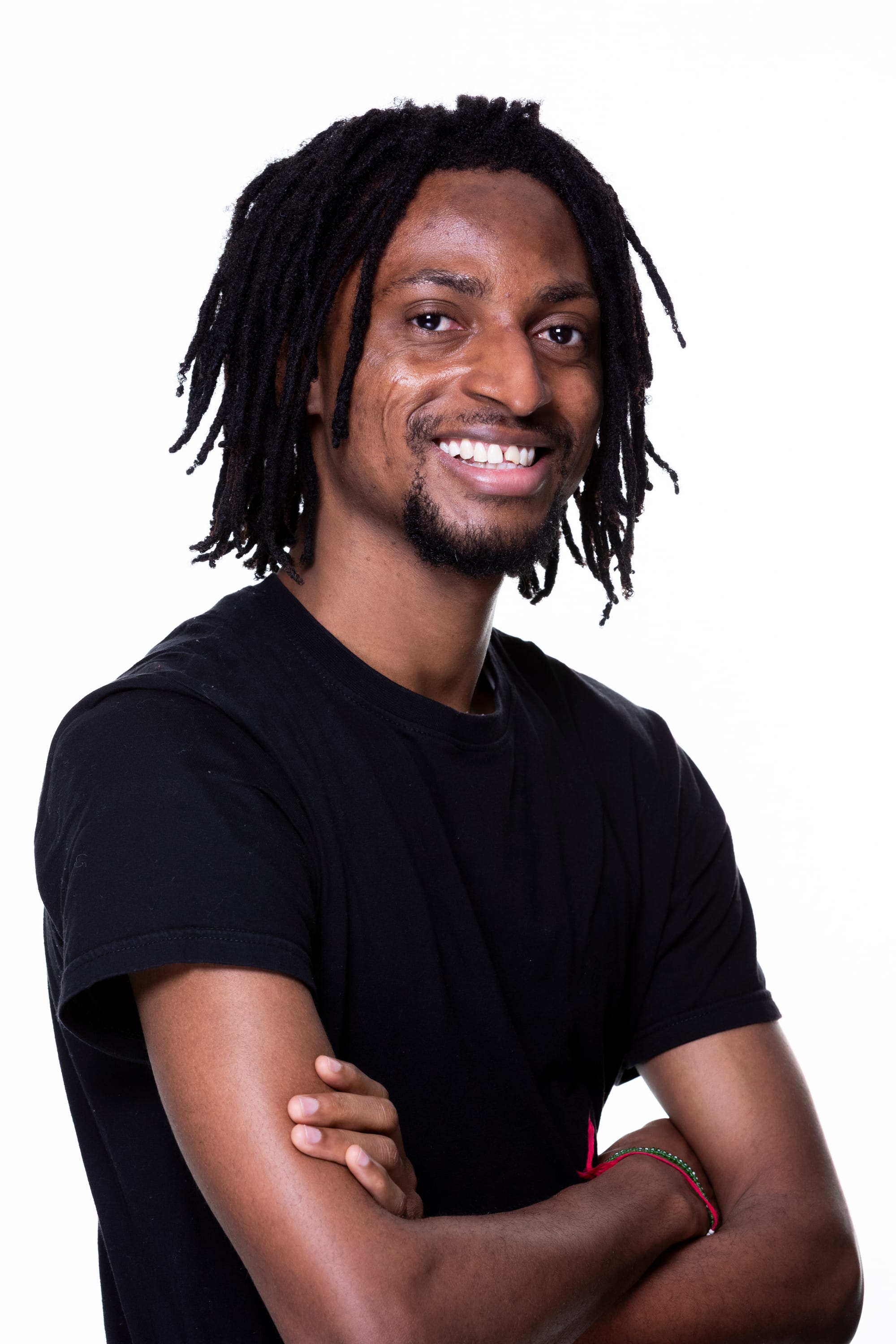
Campaign pledges:
- Build a real peer support network for international students and push for multilingual access to student services.
- Push for equality that reaches every marginalised identity on campus, not just the visible ones.
- Fight until every student community has a genuine seat at the table.
Speaking to Daniel about his campaign, he told Epigram, ‘When I say I know what it feels like, it’s like trying to say I do understand your feelings.
‘I’ve experienced being doubted because of where I come from, and I’ve I’ve walked into rooms where I feel like I don’t even belong. I know what it feels like to be in your shoes
‘There are students on the campus of Bristol who feel unheard, and they haven’t told the SU, and that is because they do not believe the SU will listen.
‘My role as I see it, is to not assume who is underrepresented and advocate on their behalf, but it is to build the trust and structures that makes it safe for students to come forward and speak for themselves.’
Discussing tackling discrimination within university societies, Daniel said ‘my approach would be to listen first, go to those spaces, to talk to students who have drifted away from societies or never joined one, and to understand what the actual barriers are.’
Rahwa Mulugeta
‘Equality in action, not just intention’
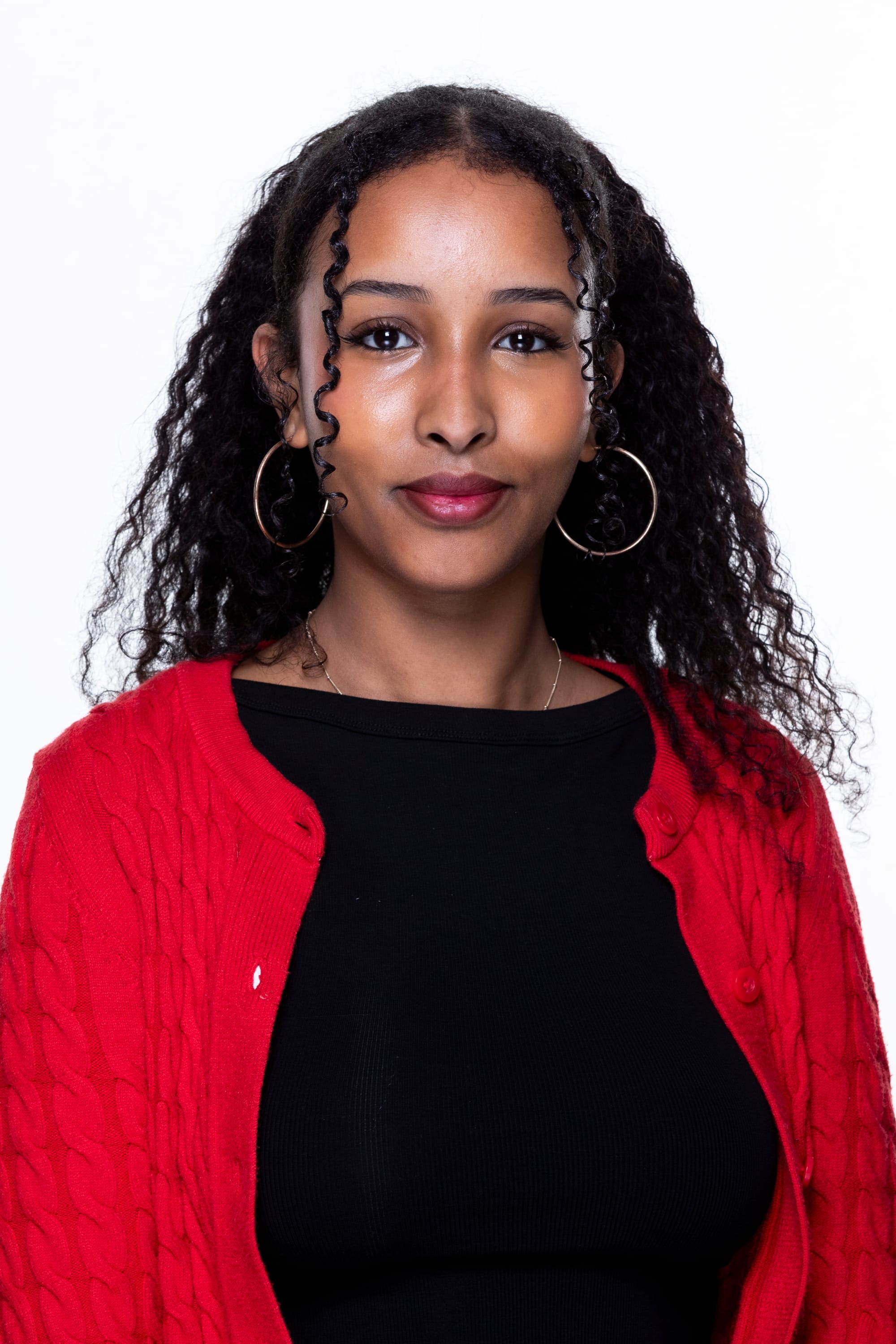
Campaign pledges:
- Committed to advancing inclusion, accessibility, and representation across the University of Bristol community.
- Experienced in listening to diverse student voices and turning concerns into practical, policy-driven change.
- Dedicated to ensuring every student feels seen, heard, and empowered within Bristol SU.
Ramja responded to Epigram’s questions by email, stating ‘As a first-generation student at Bristol, I personally experienced how imposter syndrome and institutional barriers can make a person feel like an outsider.
‘University structures can be daunting if you don't arrive with the institutional knowledge to navigate them which is why I’m focusing on demystifying access.’
The current Bristol housing crisis has placed an unprecedented burden on students. However, while initiatives like the £2 soup and curry at hawthorns are excellent for providing affordable options, they cannot be the only solution to a systemic problem.
‘We must prioritise basic needs support by lobbying for expanded scholarships, bursaries, and hardship funds, as well as promoting secure, fair part-time employment.’
Rajaashok Bhimrao Ghate
‘United for Equality, Fight for Access and Rise for Liberation.’
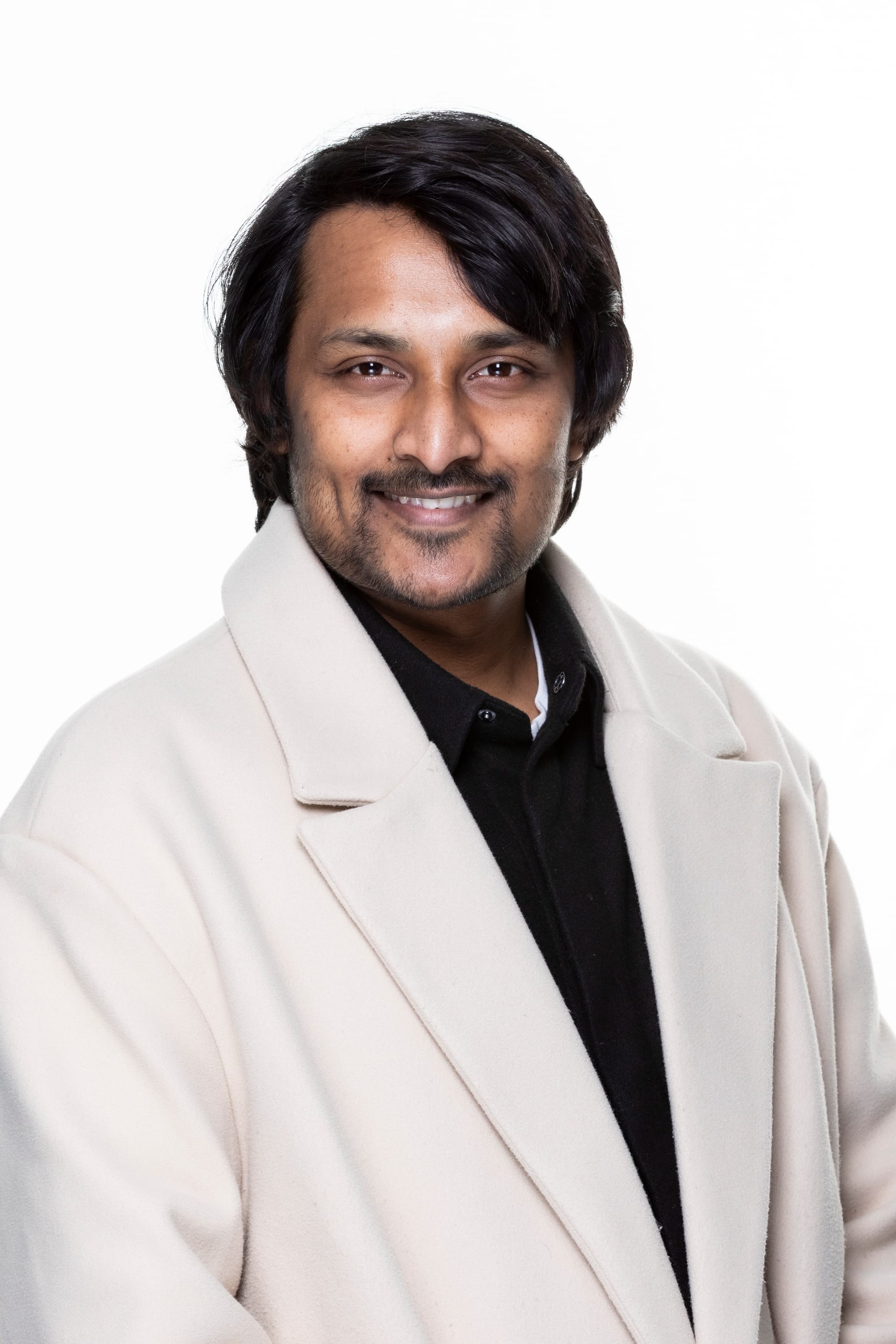
Campaign pledges:
1 - Promoting fairness, inclusion, and liberation across the University, ensuring every student heard, respected, and valued.
2 - As Equity Officer for United Without Labels, with three years of human rights advocacy experience, in removing barriers and support equal access for all.
3 - Challenging discrimination and opportunities so student can thrive freely with dignity.
Discussing his campaign with Epigram, Rajaashok said ‘the voice of the people who are voiceless should be heard by everyone and without discriminating by any race, colour, gender or any language and religion.’
‘The student[s] must not be divided by identity.’
Rajaashok told Epigram he sees two key barriers students face in terms of their representation within the university community.
‘Mainly cultural barriers. Many societies are for their own cultures. They are not inclusive for others.
‘The second main thing is membership cost. Some students are not able to pay that membership cost or they feel like it’s too costly.’
Yu Liu
‘Equality for All. Starting with Yu’

Campaign pledges:
- Student Legal Shield: ‘Red Flag' contract checklists and Legal Rights Workshops to protect students from housing and workplace exploitation.
- Neuro-Inclusive ‘Quiet Socials': Low-sensory events using a Traffic Light sticker system for pressure-free networking.
- ‘Speak Up' Mock Seminars: Ungraded practice seminars to build academic confidence for non-native speakers.
Epigram interviewed Yu, who said ‘I know how hard it is to protect students' rights, that’s why I want to provide legal education workshops to help students defend their rights.’
She felt neurodivergent students were underrepresented on campus: ‘As far as I know there are only two sensory rooms on campus and that is not enough for such a big campus. I want to expand the scale of sensory rooms and introduce ‘quiet socials’.’
‘Currently the social events of our societies are more suited for extroverted students.” Yu said, she wants to introduce a traffic light system to indicate “whether others want to socialise or not.’
Featured image: Epigram / Tom Foley
Who will you be voting for as Equality, Liberation and Access (ELA) Officer?