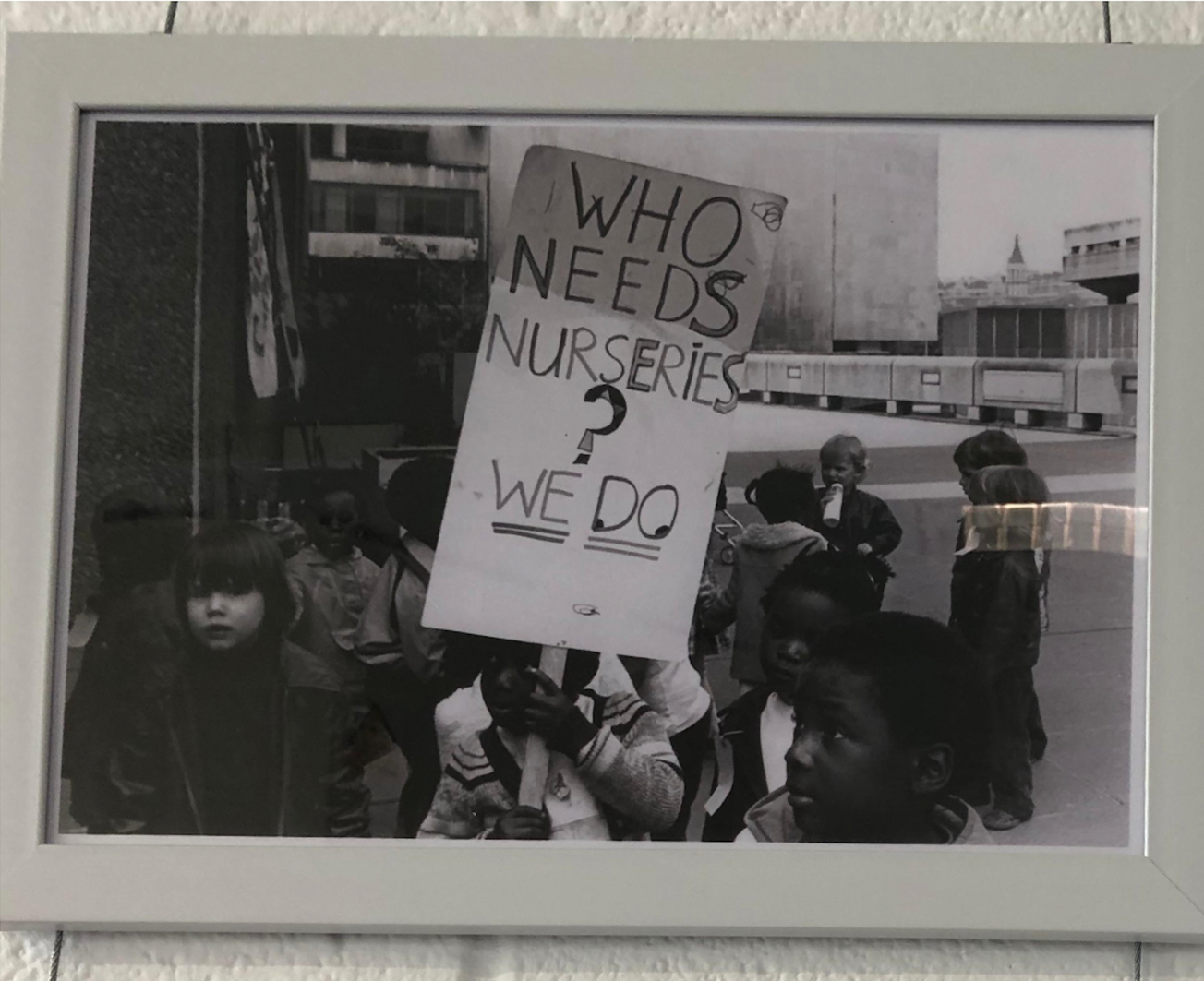
By Stella Phipps, News Reporter
As a project designed for the community, Dr Saima Nasar of the University of Bristol, hopes that people can ‘just go in for a coffee’ and learn something new.
A team of University of Bristol academics led by Dr Nasar are behind Women Strike Back!, which focuses on Black and South Asian women's activism in Bristol and London in the 70s and 80s.
Featuring photographs, posters and artwork alongside detailed information cards, the exhibition covers two large walls of the cafe, prompting visitors to have a look whilst they enjoy St Paul's Learning Centre’s delicious food.
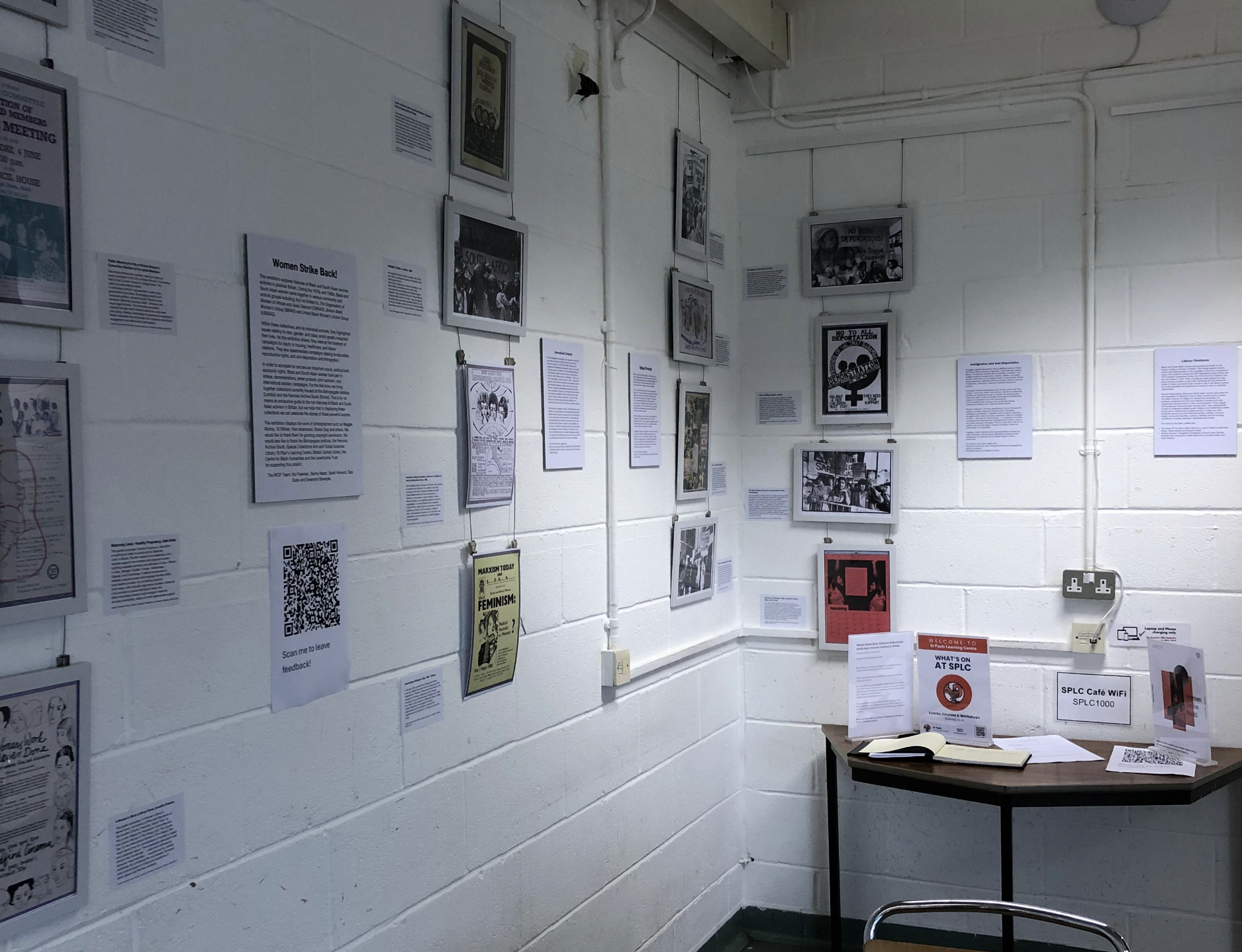
One such piece depicts two nurses campaigning outside St Bartholomew's hospital in London for better pay and conditions.
Being a nurse was one of the few routes to employment for Black and South Asian women at the time, yet they were subject to racism in the workplace, the information card says.
Minority women still face inequalities in healthcare, especially Black women in maternal health, according to Dr Nasar, Senior Lecturer in the History of Africa and its Diasporas.
Nevertheless, the agency taken by these women invites us to engage in a ‘politics of hope’, Dr Nasar told Epigram.
Dr Nasar wanted the project to speak to people who learn about these issues outside of the academic arena. She also wants it to ‘rethink what activism looks like and who an activist is.’
 Lenny Osler
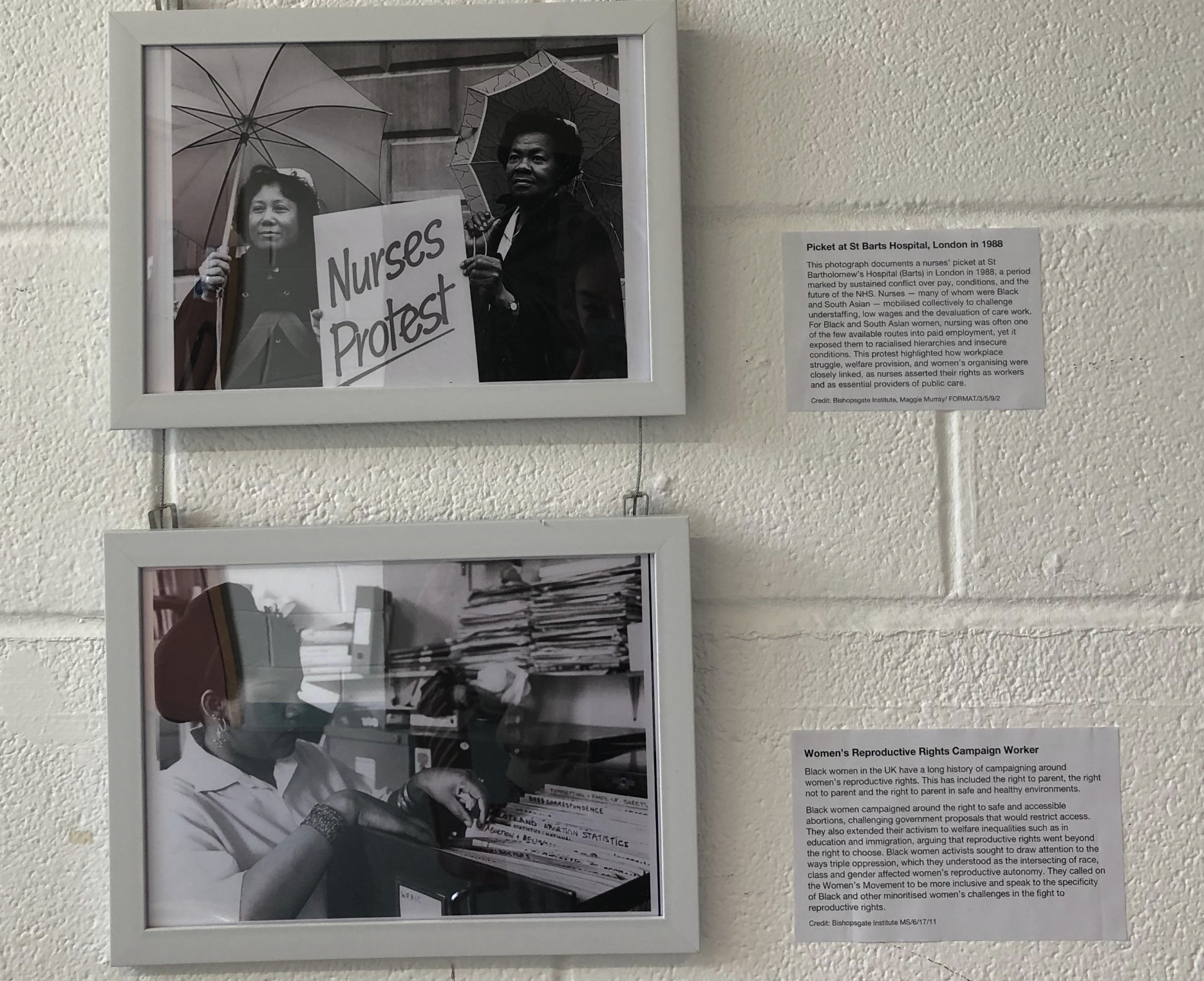
Alongside powerful images of street protesters, such as the Mangrove Nine who protested police brutality in Notting Hill in 1970 and women participating at UN conferences in Mexico City and Nairobi, mothers and caregivers were part of the story.
As seen in the image below, the Black Women for Wages for Housework campaign sought to recognise the undervalued and unpaid work expected of women.
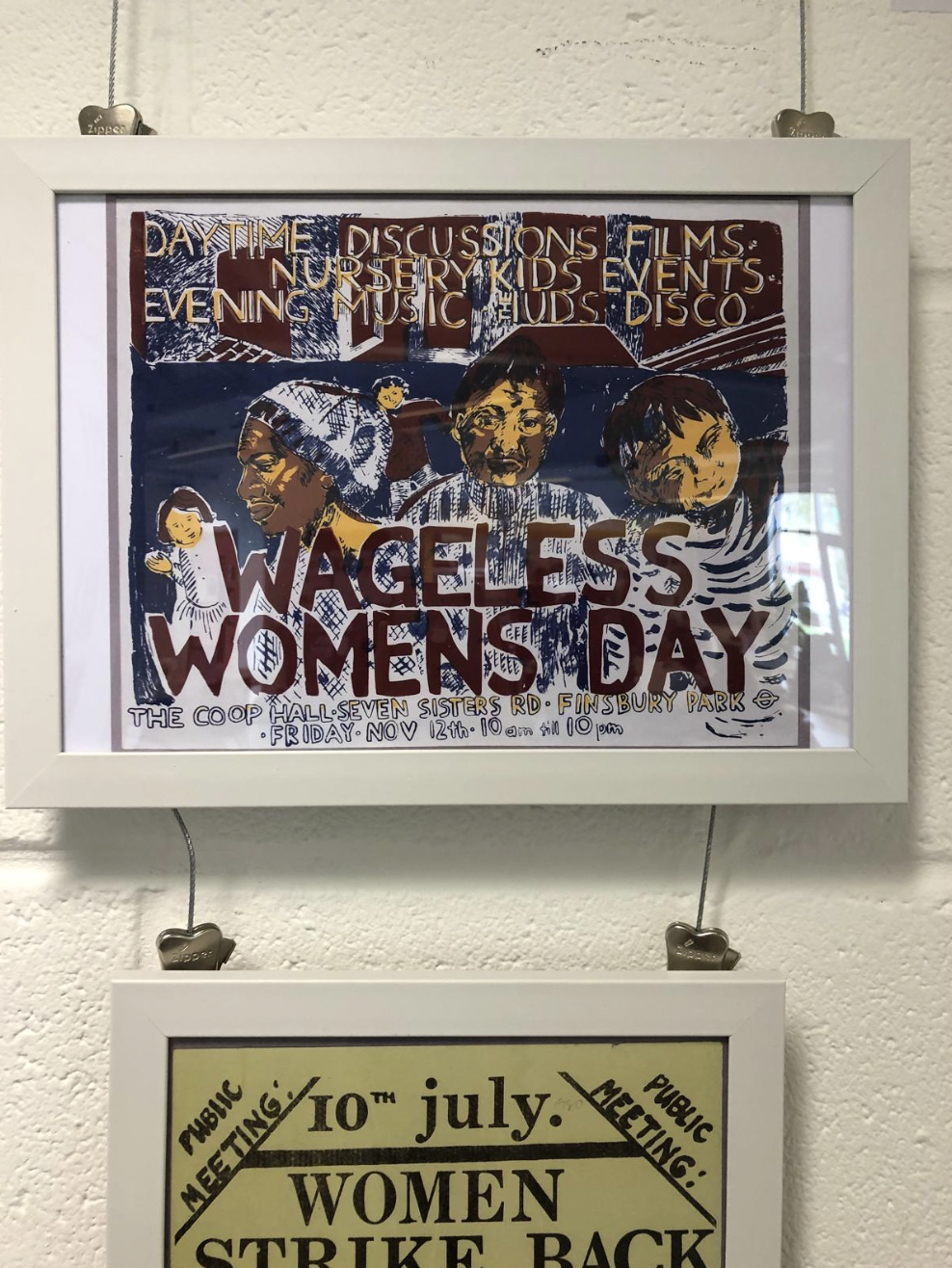
A little known issue the project brought to light was ‘sin bins’. Teachers disproportionally labelled Black children as special education students, placing them in segregated classes, their abilities undermined.
Women’s groups campaigned against ‘sin bins’ and organised Saturday and supplementary schools to educate these children.
Dr Nasar also emphasised to Epigram the ‘brilliant work’ of the University of Bristol’s Centre for Black Humanities, which supported the project, and holds events such as Black feminist reading group.
 Sofia Lambis
Altogether, Women Strike Back! comprehensively covered many of the struggles Black and South Asian women faced living in the UK in the 70s and 80s, but also highlighted the agency they assumed in campaigning, protesting and rejecting these prejudices.
If you are interested in learning more, it’s highly worth a visit, and you can enjoy St Paul's Learning Centre's tasty Caribbean food and friendly atmosphere while you’re at it.
The free ‘Women Strike Back!’ exhibition has been extended until June 28. It is open Monday to Thursday (10:00 am - 6:30 pm) and Friday to Saturday (10:00 am - 4:30 pm), at the St Paul’s Learning Centre, Bristol.
Featured image: Epigram / Stella Phipps