By Rebecca Le Jeune, Third Year, Politics and International Relations
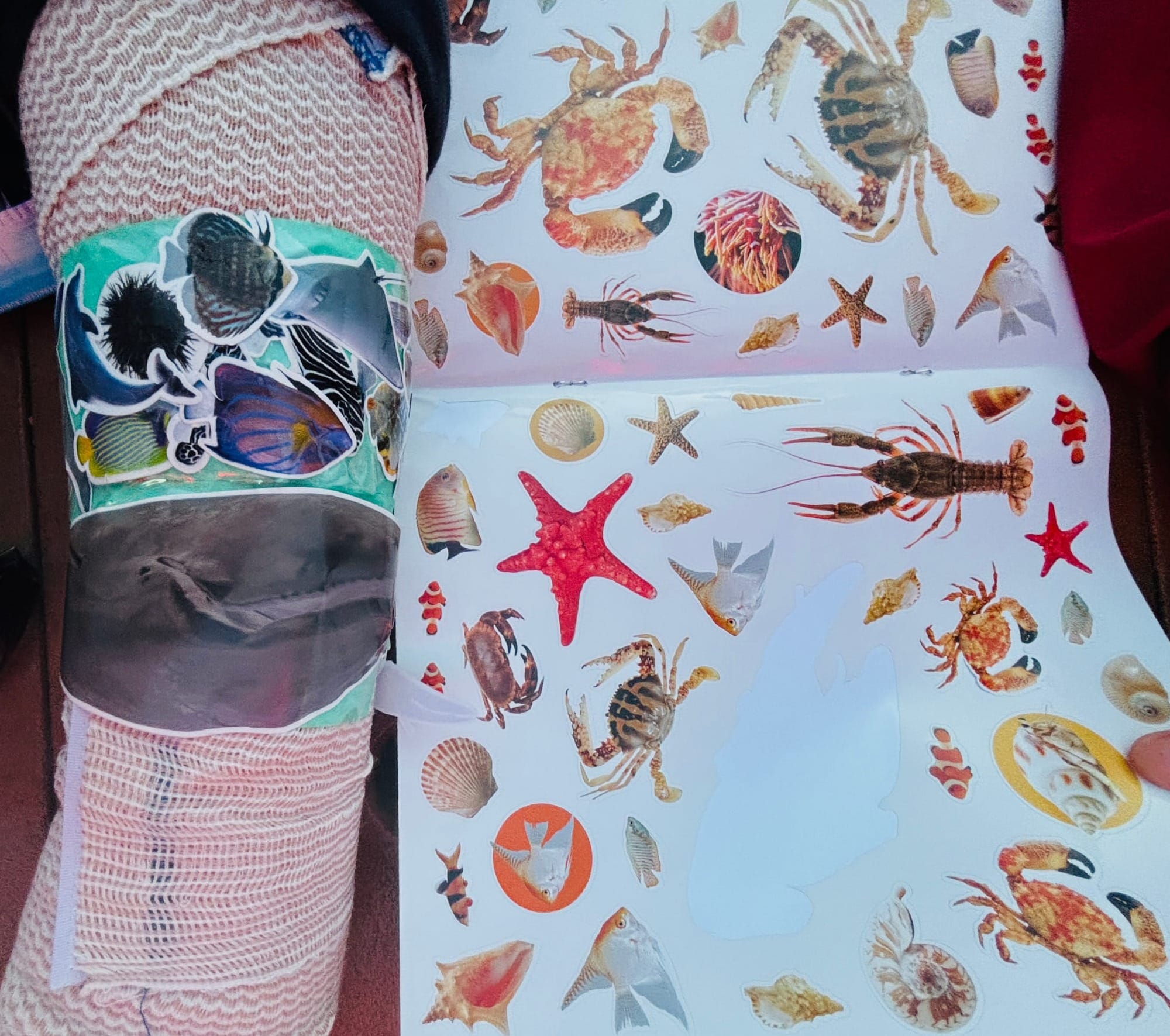
Karma may be onto me, or maybe it's something in the air, or I wasn't given enough milk as a child, but I keep on breaking bones. I’m on my third fracture over the past 12 months, and while that may seem like a challenge, I want to make this stop. In a proactive attempt to end this madness, I have decided that I will drink one warm cup of milk a day before bed. For calcium! But I do wonder, what is it that makes our bones break? Are some people more prone to crutches? Let's investigate.
Bone strength
Bone strength mostly comes down to biology: osteoporosis is the main fracture villain, where bone breakdown outpaces bone building, usually with aging or menopause. It goes undiagnosed until something snaps (obviously), and apparently sometimes dramatically, like a rib from a sneeze in severe cases.
Bone density peaks in your late 20s and declines slowly after your 30s (so turning 20 is not a skeletal death sentence, even if everything suddenly feels like it is for me). Babies start life with more bones than adults and extra flexibility as their bones are smaller, unfused and contain more collagen, which makes them bendier and harder to break. Women have higher lifetime risk due to their smaller average bone mass and estrogen loss after menopause, and genetics also play an important role (especially a family history of hip fractures).
One claim is that low body weight means less bone reserve and less natural padding in a fall so I am literally Bella Hadid (to be fair, the article does say ‘very underweight,’ which is doing a lot of heavy lifting here). So if you’d like your bones to stick around long-term, picking up heavy things and putting them back down, also known as strength training, is surprisingly effective. This nudges bones to stay dense instead of quietly thinning out. Research suggests that training at least twice a week can bump bone density up by around one to three per cent.
One of the biggest findings from the intellectual study put into this article concerns the Milk to strength ratio. “Big Milk” is lying to you, is essentially a Harvard study break-through. Chugging milk isn’t a guaranteed skeletal upgrade. In fact, other sources may pull more weight. Fermented dairy like yogurt and cheese, which are friendlier to the gut microbiome and often easier on lactose-sensitive people, have actually shown a stronger association with lower fracture risk. So it turns out your bones may prefer a cultured lifestyle over a daily glass of milk.
Yes, biology plays a role, but at 20 it’s usually physics and chaos, not your bones retiring
Accidents
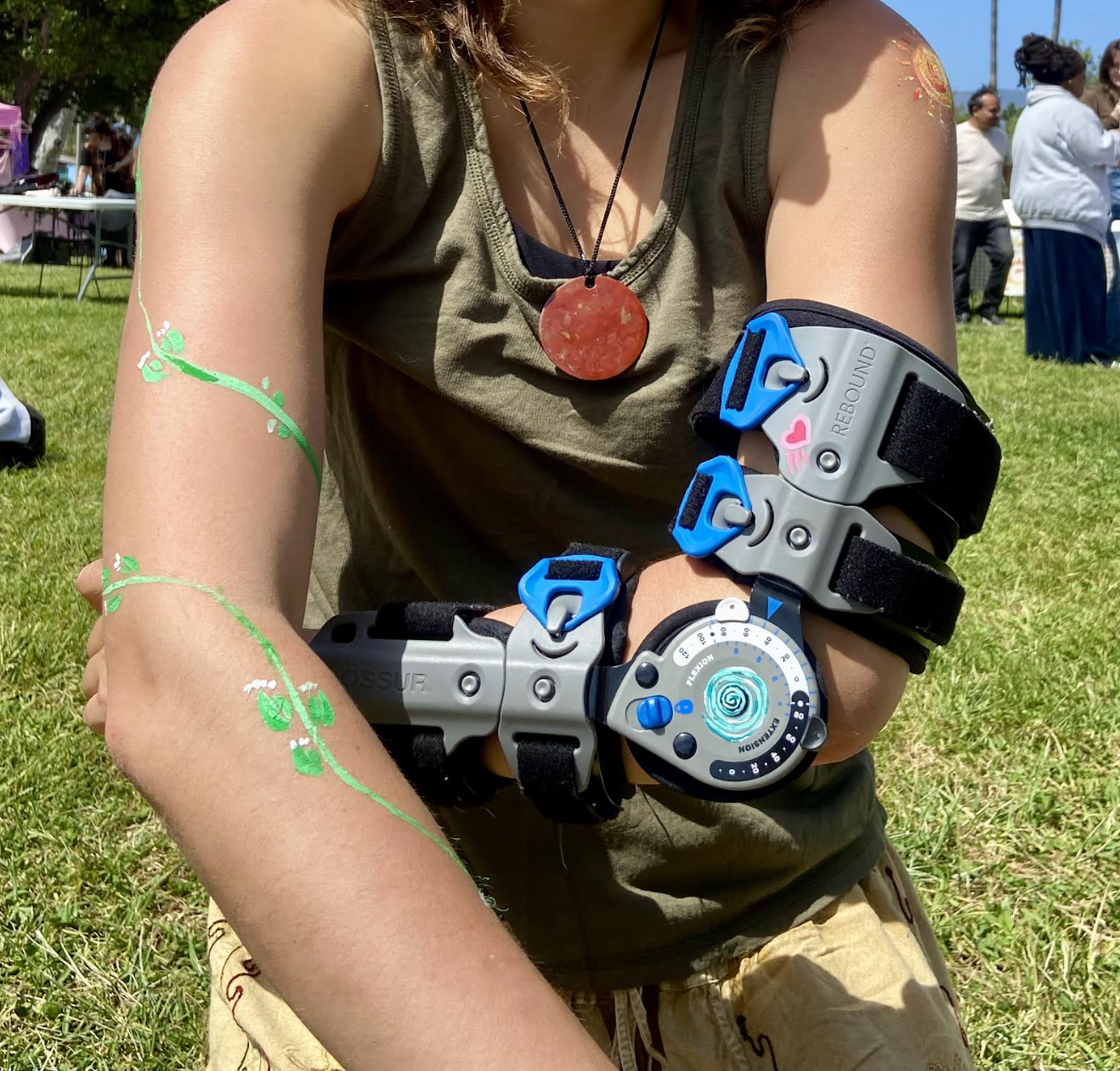
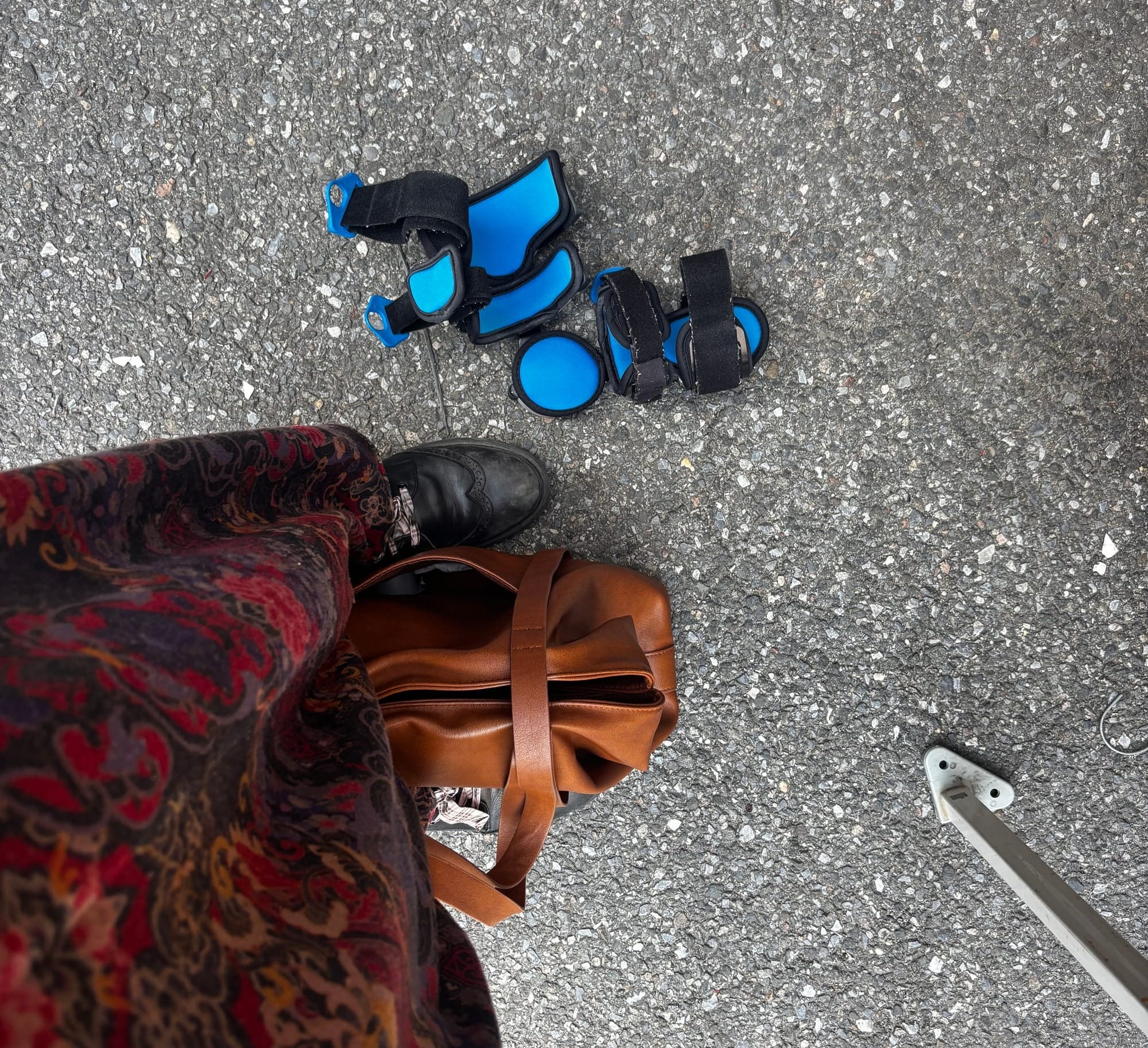
Both times I broke my left elbow were rather dramatic: once while flipping a car over, once when my dad fell onto me after I rollerbladed into him. My little toe snapped on a rock while surfing. My current mid-foot crisis comes courtesy of an awkward bouldering fall. Full send!
At some point, we have to consider that it may not be osteoporosis plotting against me. It may be velocity. Landing with a planted foot increases torsional stress through the midfoot. Falling on an outstretched hand concentrates force at the distal radius or elbow. Rolling momentum multiplies impact. Your skeleton is strong, but it is not invincible against leverage.
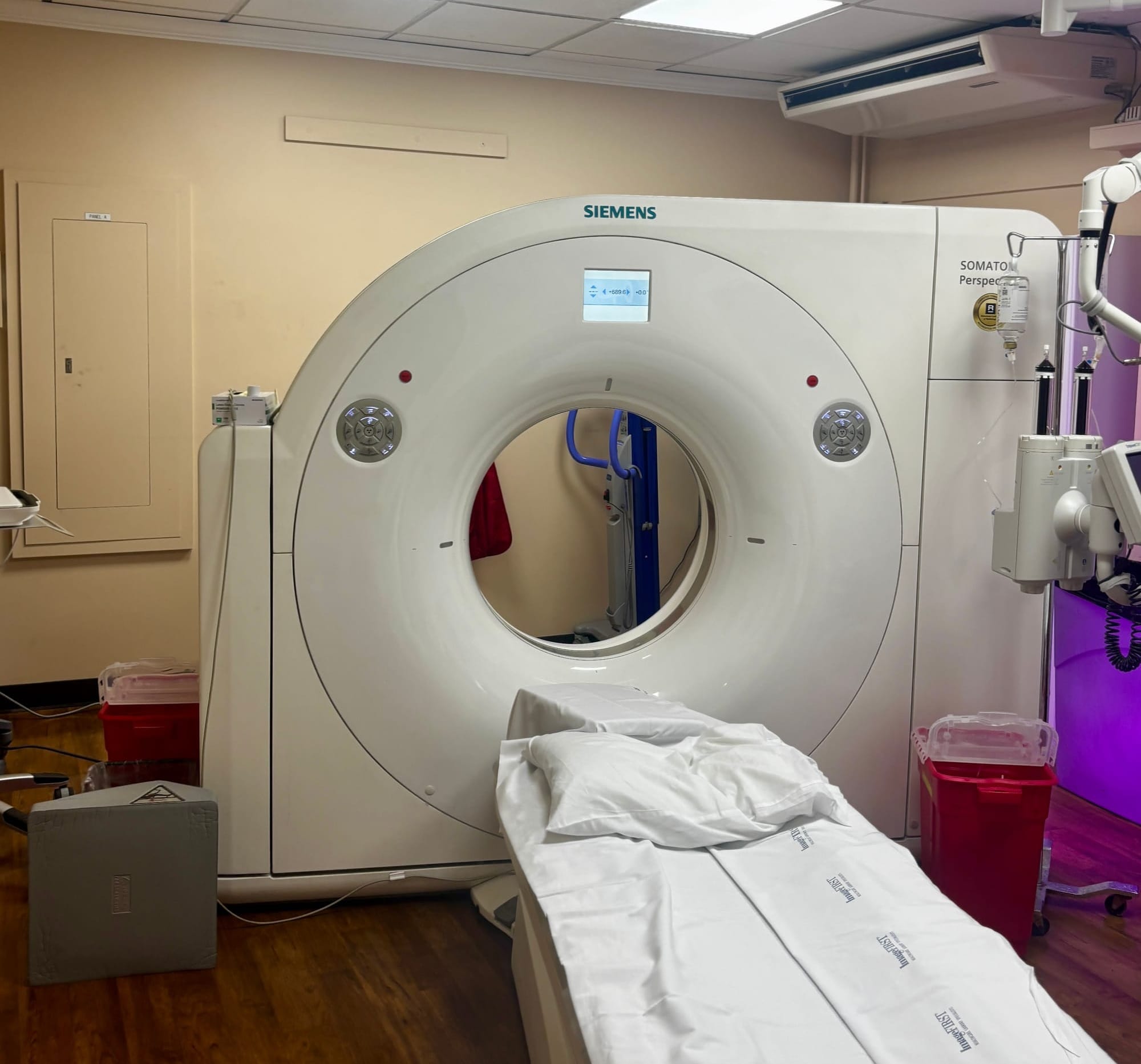
And zooming out, the real fracture story in the UK isn’t twenty-year-olds bouldering badly. It’s hips. And their facts don't lie- they steal the tax payer’s money. UK data shows that hip fractures account for roughly 27 per cent of fracture admissions but an astonishing 58 per cent of all fracture-related bed days. They dominate hospital capacity. Hip fractures alone cost the NHS close to £400 million annually in acute care, largely because recovery requires surgery or long hospital stays.
 Caitlin Bromfield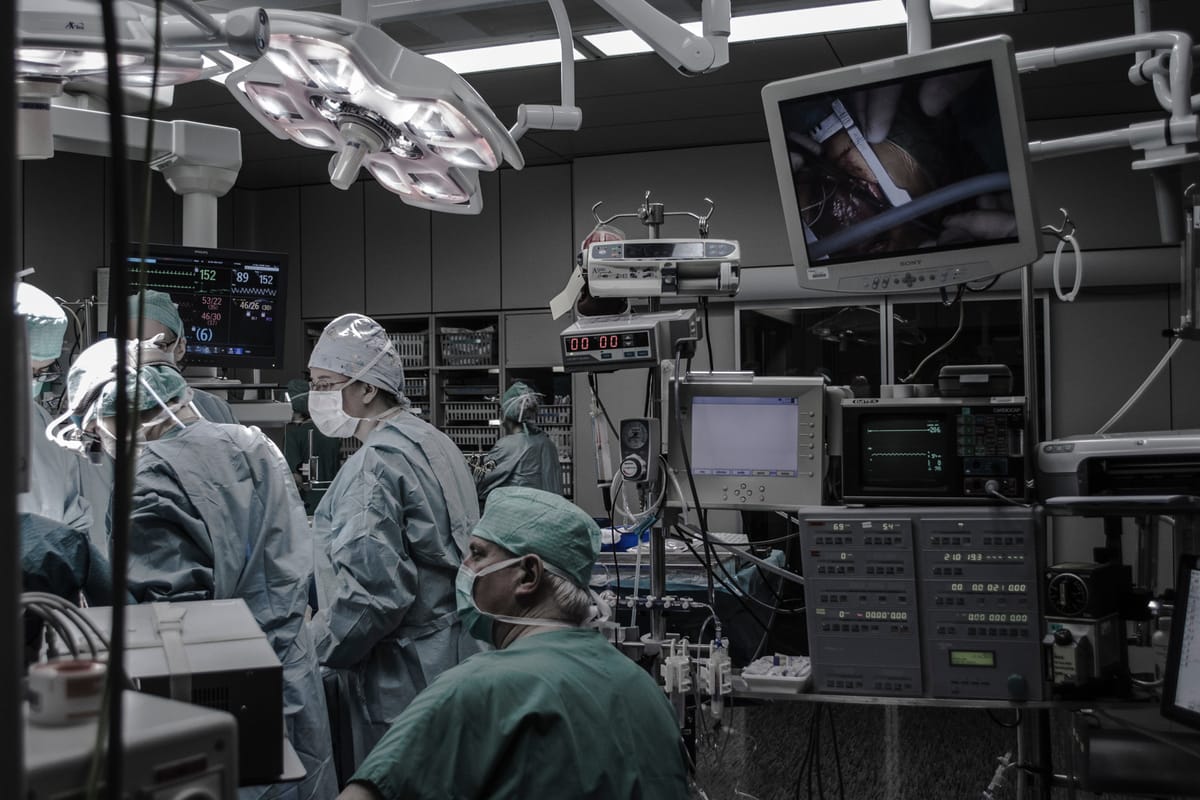
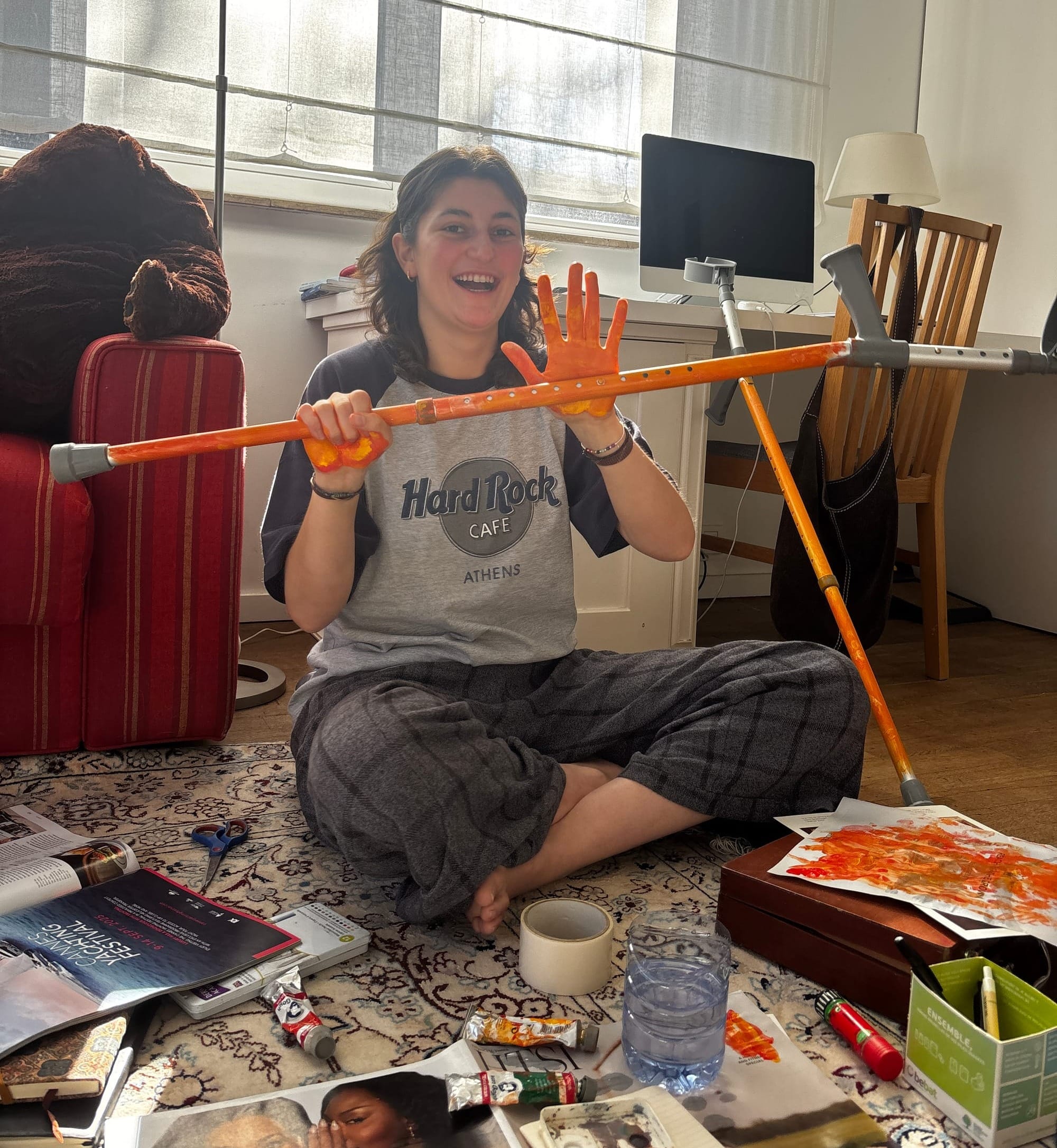
All in all, I’ve rather enjoyed whining about my broken foot in the Epigram, although my housemates are definitely tired of carrying my things around. While my midfoot may be dramatic, statistically, I am not the NHS problem. I am, however, my entourage’s.
And regardless of what that Harvard study says, I will still be having a warm glass of milk before bed.
Featured Image: Epigram / Rebecca Le Jeune
Have you ever broken a bone?