
By Li Buckett, first year, Design Engineering
Imagine what Christmas looked like 100 years ago: trees were hung with gingerbread and sweets, lit by tiny lights and hung with ornaments made from glass, wood, cotton batting and- what’s that? Cast lead? Oh, and don’t forget the lead foil tinsel, commonly used until it was phased out in the late 20th century. Yikes.
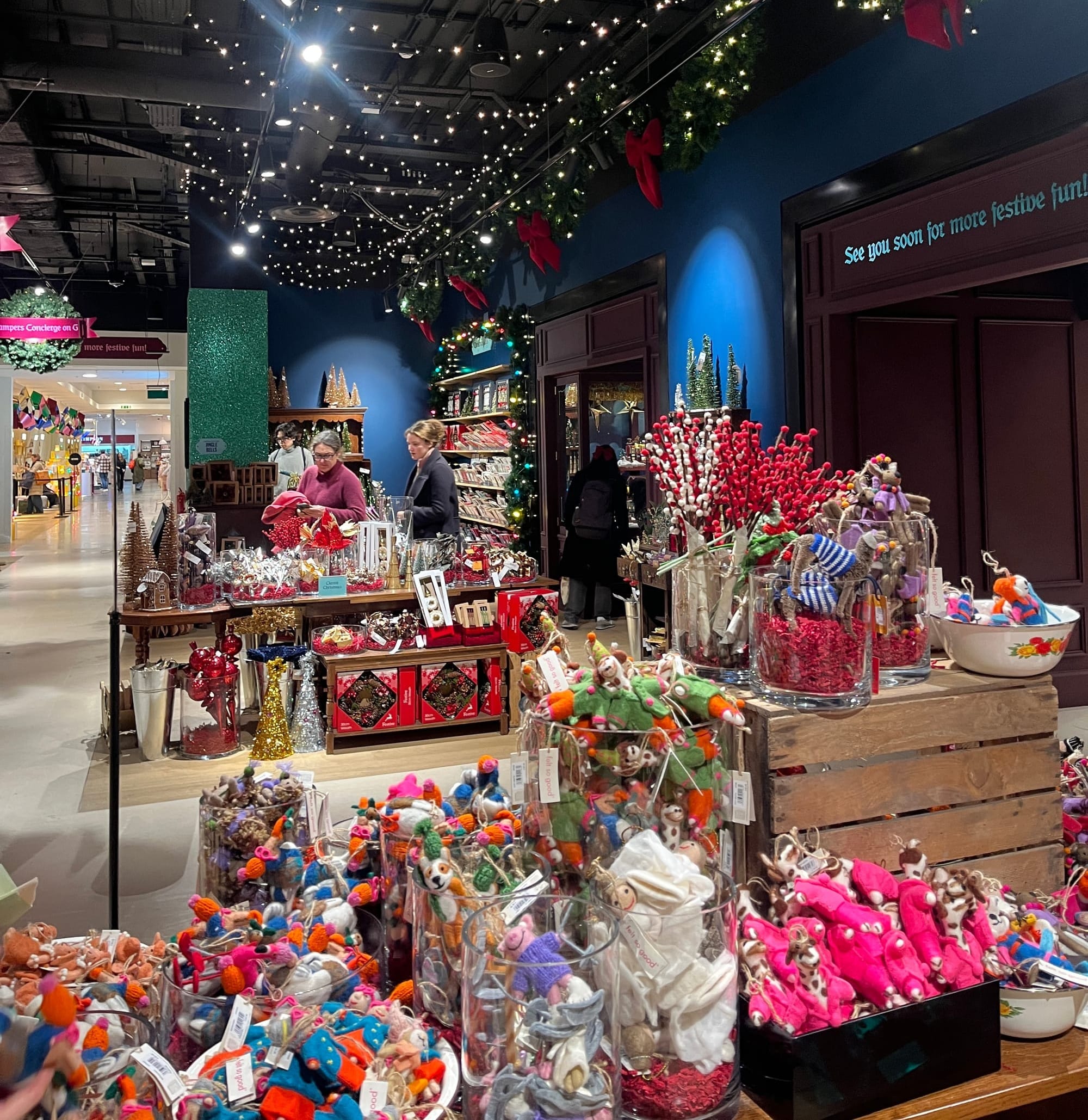
Nowadays, we string our trees with plastic tinsel, hang up plastic baubles and buy plastic ornaments for the mantlepiece. Sometimes even the tree itself is made of plastic- a step which can actually prove more sustainable than growing and cutting down a real tree each year if the fake is used for long enough (experts put this threshold at somewhere around 10 years). Plastic has certainly made a few things about festive decoration better- it's replaced that toxic lead tinsel, for example. Plastic baubles are a lot less likely to shatter than glass ones if they tumble from the tree, and if they do break the risk of injury from sharp edges is a lot lower. This particularly benefits families with young children or pets that might knock an ornament from the tree or injure themselves on a broken bauble. Plastic is a lot cheaper than glass, too, meaning families can decorate their trees without the massive investment.
It's impossible, though, to overlook the negative impacts of plastic on the environment. Once in landfill, plastic can take upwards of 450 years to break down- and it never disappears completely. Most bacteria can’t break down the tough bonds holding together the long molecule chains (polymers) that make up plastics, so they are broken down by sunlight in a process called photodegradation. High-energy UV waves are absorbed by impurities in the microplastics, breaking bonds between molecules to release unstable particles called free radicals. These free radicals can kick off other reactions that, for example, make the plastic more brittle. This means that the plastic is more susceptible to mechanical wear, such as through wind, fragmenting into smaller and smaller pieces, but these micro- and nano-plastics are just tiny fragments of material.
Plastics can never be completely broken down by natural processes. Microplastics are a hot topic right now, with scientists warning about the impacts on our health (mostly still unknown) and the environment: microplastics enter waterways and get eaten by marine organisms, and the plastic can have long-term impacts on their health and reproductive capacity. For example, a study published in February 2025 by a team at the University of Campinas, Brazil, explains that microplastics readily absorb toxic pollutants and heavy metals, compounds which can disrupt the function of hormonal systems and other biological functions with the kind of long-term exposure that these animals experience.
With a growing cultural awareness of the negative impacts of plastic, it’s clear that we need to make some changes to our lifestyles to combat pollution. But changes don’t have to happen overnight- even small switches can help. Try making your own decorations: make paper snowflakes or use fresh or dried plants to create a garland - the classic green leaves are great, but how about getting more creative with dried orange slices and cinnamon sticks instead? Added bonus- your home will smell amazing. If you do shop for new decorations, try to buy different materials like glass or wood, and avoid glitter or fake snow, both of which are ‘primary’ microplastics (microplastics that enter the environment directly, rather than being created by the breakdown of plastic items).
If we want to kick festive plastic pollution to the curb, traditional materials seem to be the way forward- but maybe skip the lead this time.
Featured Image: Epigram / Jemima Choi