By Grace O'Sullivan, Third Year English
It’s difficult to diminish the conversation surrounding poor mental health in England. Particularly since the pandemic, mental health difficulties have skyrocketed, with 1 in 4 adults statistically likely to experience a mental health problem each year. These statistics are daunting, and present a destabilisation to the way that we live, work and socialise. In light of the suggestion of cuts to disability benefits, which include those claiming on the basis of mental illness, the necessity to approach this health crisis is pressing.
Encountering mental health troubles, particularly as a young person, should not be carried with shame. Faced with an unstable future, in which media exposes us to the shocking realities of the world around us, it is unsurprising for our emotional wellbeing to take a hit in response to some extreme stimuli. The necessity to look after yourself can seem feeble, but it remains important.
Whilst I can’t imagine that there is one fix-all solution to the state of mental health in England, the phrase ‘arts on prescription’ intrigued me. Surely, doctors rely on medicines, and not something as unscientific as the arts? Could the arts, which are facing harsh budgeting cuts in the UK, begin to be recognised as an important contribution to a national health issue?
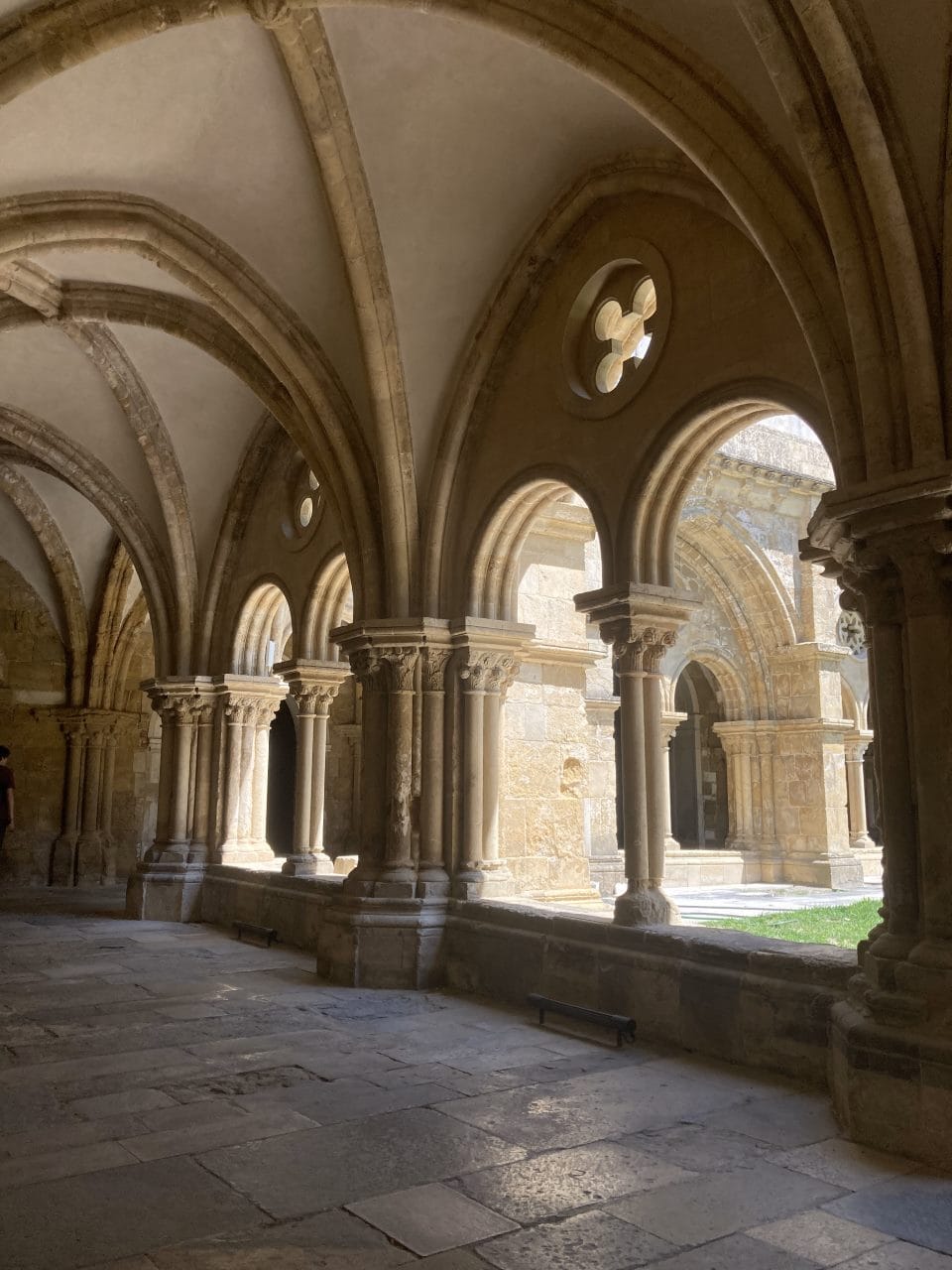
Arts on prescription refers to an alternative dialogue between health professionals and patients. A professional would look to address a person’s relationship to the arts, suggesting participation in something creative as part of a more holistic attitude to supporting their emotional wellbeing. Artistic experiences are recommended as a therapeutic aide, potentially alongside mental health medication or therapy. It’s important to note that this is in no way a conspiracy theory against Big Pharma - I believe that medication is a valuable tool for people struggling through rough patches. This mode of prescribing is designed to work with, not instead of, existing medical practices; Sir Jeremy Farrah, chief scientist of the World Health Organisation, urges us not to see ‘Science and the Arts as separate endeavours’.
This phenomenon began to become especially prevalent among practices in Switzerland, where park runs, comedy and museums are being put on prescription. Here, it is notable that the arts is not a purely individualistic indulgence, that its implementation encourages people to proactively engage in their wider communities. In a society suffering from a loneliness epidemic, encouragement of communal participation in creativity may help address an even wider social issue.
Whilst I myself, a person gifted with an upbringing decorated by artistic culture, am receptive to this shift, I feel it is important to acknowledge the social barriers that artistic culture is arguably structured on. Research shows that the creative industries remain '"elitist" and inaccessible' to those outside the middle and upper classes. With lower socioeconomic groups having historically been more at risk of suffering with mental health difficulties, is it callous to recommend an elitist culture as an antidote? Leisure time itself is a commodity - can everyone afford to fritter it on the new Barbican exhibition?
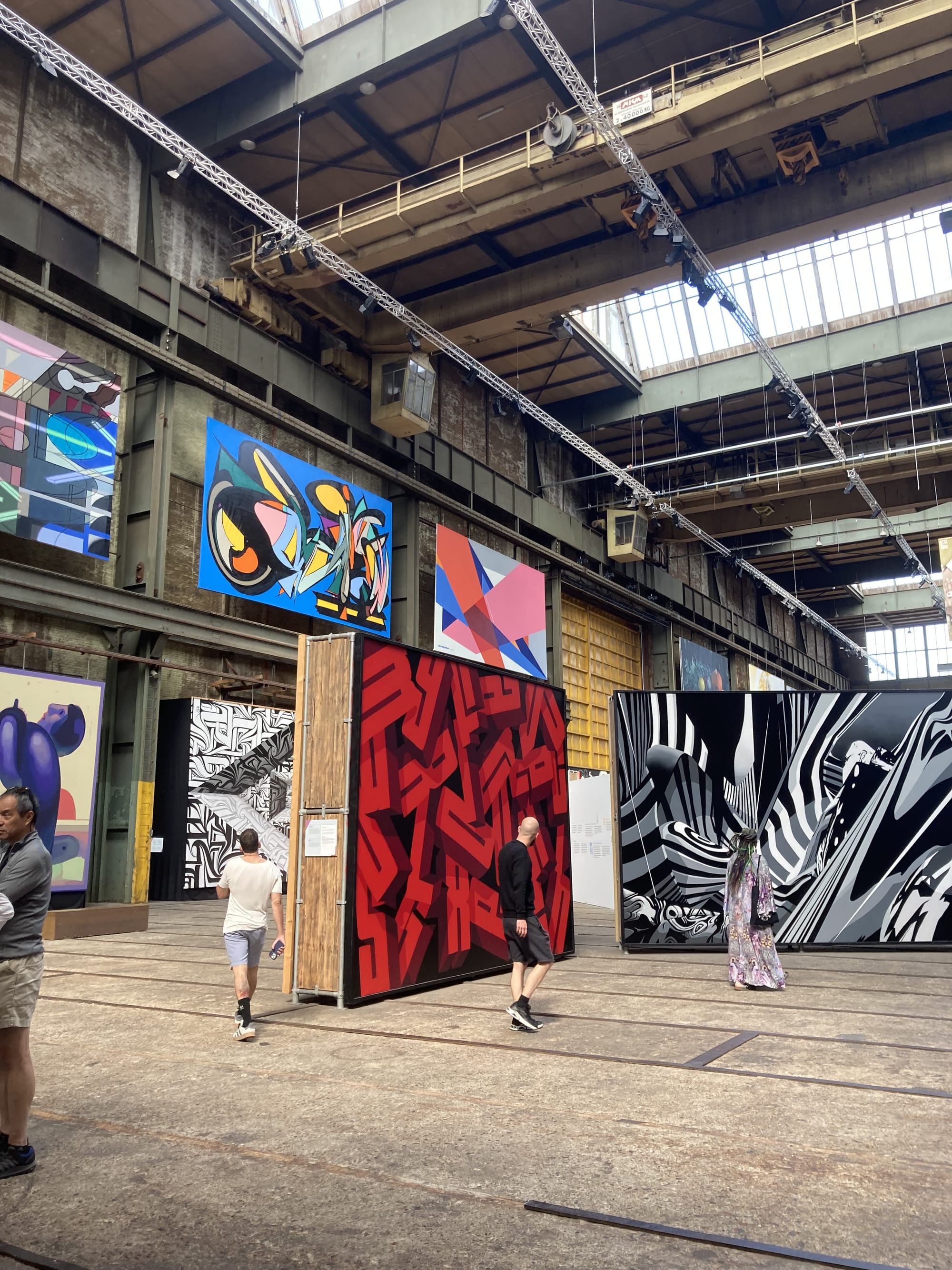
However, with a more nuanced approach to the rollout of prescribed arts, the position of artistic culture as an elitist institution could actually become more inclusive. In selective clinics, patients receiving this prescription have been offered the opportunity to access these cultural outings for free. If this trend is consistent, access to the arts becomes cheaper, not merely reserved for those who grew up in middle-class, Guardian-perusing households. Not only could we anticipate a healthier society, but the wealth barriers to creativity may become slowly eroded if it is implemented on a large scale.
Personally, I think this prospect is a cautiously optimistic glimmer in a climate that is rapidly failing to recognise the value of the arts. Creativity alludes to a more hopeful representation of the human spirit - one that is generous and open to uniting communities. With services under crippling pressure, a quick fix in the form of medication may still sound like the logical route. I hope, however, that arts on prescription will eventually be recognised as a valuable contribution to improving our collective wellbeing as well as benefiting individuals. Jarvis Cocker (whose advice I am very susceptible to accepting) declares that we all possess a creative spark; I'd like to think that realising this can only be a force for positive change.
Would you accept the arts as a suitable mental health prescription?