

By Katy Bright, Third Year English
Every time the new year comes around, after the festivities of Christmas and new year, we see a large portion of society move towards soberness. Whether it is pushed on social media, or something your neighbours are taking part in, Dry January is an increasingly popular phenomenon. But does the trend have the same effect on the student population?
The UK is reported to be becoming dryer each year, with more people abstaining from alcohol for the month. According to the BBC, January is considered as a ‘notoriously quiet time in hospitality’, with pubs reporting significant drops in drinkers over the month. December is considered to be the one of the busiest months for pubs and restaurants alike. The contrast however, from excessive consumption to complete cold turkey has caused businesses in this sector to struggle.
Dry January was a campaign developed by Alcohol Change UK in 2013. It was initially a push for people who struggled with alcohol, to cut down dependency and take a month of sobriety. However, many people took part. Alcohol Change UK reported that up to 9 million planned to abstain from drinking in January 2023, and it is only becoming more popular as years go by with new health fads.
The popularity of Dry January is telling of our culture. We live in a world where social media influences our behaviour. It is increasingly hard, as January comes around, not to internalise these goals. There has been a sudden rise in dieting kicks and unrealistic exercise challenges over the last few years, with the rise of social media influence. Is Dry January just another one of these fads? Society is so focused on trends, that we cannot do something to better our habits without documenting it or setting it as a challenge.
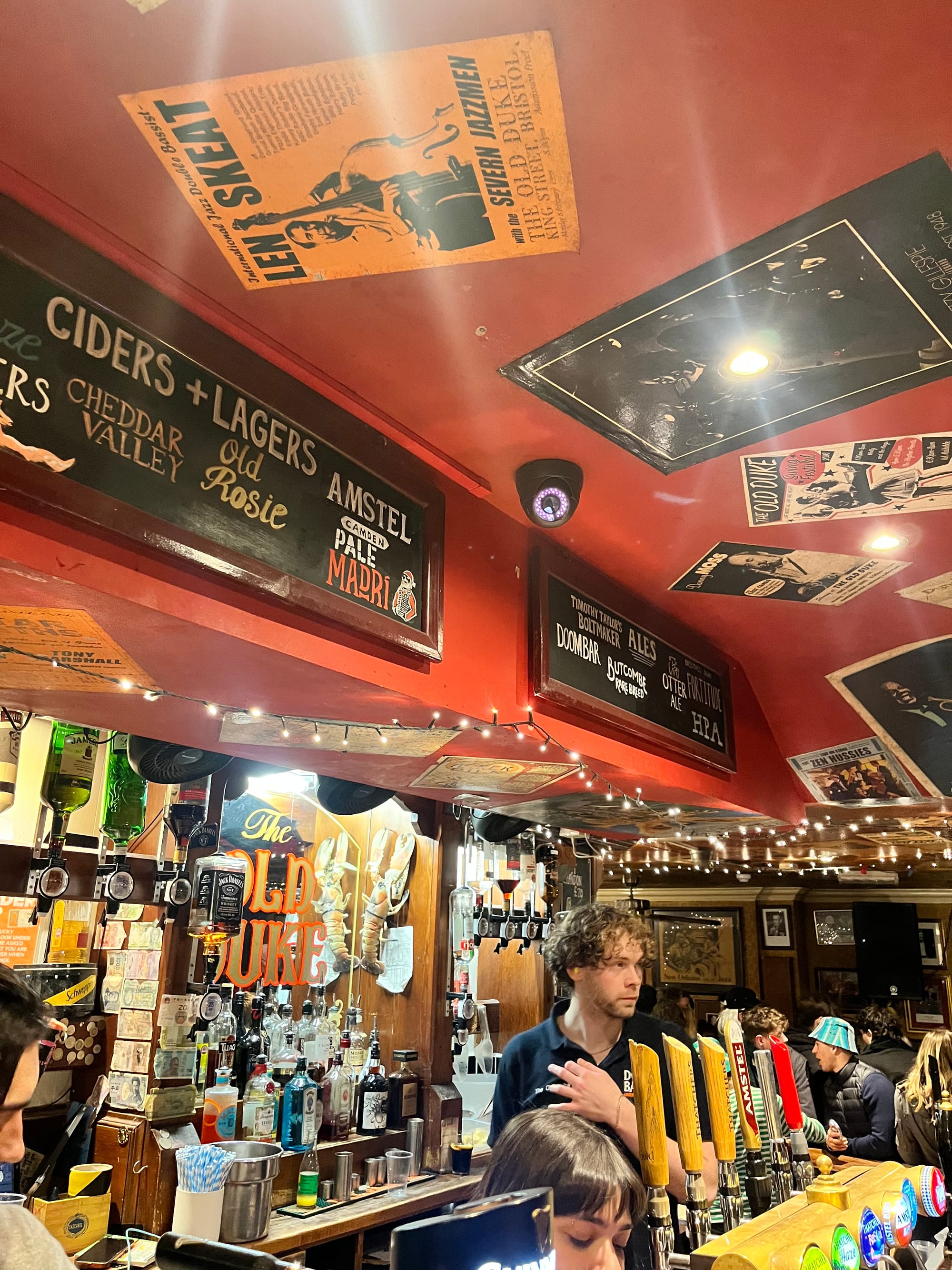
In terms of health, more of us should be taking on Dry January. It offers people a chance to improve their health, potentially leading to a boost of energy, lowering blood pressure and high cholesterol. However, does the fact that it is a ‘challenge’ further our reliance on the substance? It is temporary, not a lifestyle change. Once you have completed a whole month alcohol-free, what is a better way to celebrate than a crazy night out? Is taking part in Dry January just for social media posts, for the ‘new years resolution’ that will be forgotten the second the first of February hits? This leads us to consider: is completing Dry January only impressive if you drink a lot beforehand?
The big question is - are students catching on? Whether it is the club, a catch up at the pub, or an unplanned board game night with your friends, it seems impossible for students to escape the drinking culture. As the new year comes around, other things seem more important for university students than setting a new year's goal. Students come back to their city after almost a month of not seeing their friends. And with all of the student deals available, and all of the alcohol we were given for Christmas just sitting on the shelf, such a challenge seems harder.
There is the debate of course, that alcohol free options in pubs and restaurants might change this. It might be a shock to know that the price difference is often small between a pint and its non-alcoholic counterpart, although somewhat cheaper it doesn’t seem like a big enough gap to encourage students to switch.
Not drinking for a whole month is objectively harder for university students, with the big drinking culture, and a high, although subtle, drinking pressure. Epigram interviewed second year students from the University of Bristol, asking them their opinions on whether they would be taking on Dry January themselves.
One student said she would not be taking part in Dry January. However, she said she might subconsciously take the challenge on. She said, if she were to engage in the month of sobriety, it is not because she thinks of a detox from alcohol, but ‘by accident’. She claimed that she had not drunk nearly as much in second year so far compared to first year, due to the increase in workload. She also believed that something like Dry January is a lot harder if you are the only one doing it. She said one idea is to do it as a flat or a house, doing wholesome activities together and making it easier to plan them in. Make it a bet or a competition with the people around you, set a prize for the winner, and see if that changes anything.
Another student, asked the same question, said that Dry January is ‘not for her’. January is a miserable month, it is freezing cold and gets dark by 3pm. She said that when she is home, she does not drink nearly as much as when she is at university, so it is nice to come back and drink with her friends.

In December, as a University of Bristol student, we all drink less because of revision and exams. There is a lot of dryness, and a lot of deadlines. We end up being sober for most of December, even if we do not mean to. The social aspect, in her opinion, is what leads us all to drink. It is nice to have a pint after a long day, alongside a catch up.
However, all of the interviewees agreed on one premise: budgeting in the new year is what turns us away from drinking. Despite wanting to drink, they do not think they will because it will be too expensive.
Dry January, although becoming more and more popular across society, might struggle to make its mark in university, where the drinking culture is so strong.
Featured Image: Epigram / Charlotte Kerby
Have you decided to take up dry January this year?