By Miles Gilroy, Senior Print Editor
If you’ve ever thought about AI and couldn’t seem to make heads or tails of it, Lieven Scheire’s ‘Artificial Intelligence’ is the perfect show for you. Whether you’re working or studying in STEM, just casually interested in science, or don’t even know what STEM stands for, Lieven’s show has something worth watching for. His masterful fusion of education and comedy makes the show engaging for people with a scientific disposition, but still entertaining for the less scientifically inclined audience members.
The self-proclaimed ‘secret Belgian love child of Stephen Fry and Dara Ó Briain,’ Lieven Scheire is a science communicator who spent his time at Ghent university studying physics and performing stand-up comedy. Some might call it a peculiar mix. Having watched ‘Artificial Intelligence’, I would call it a beautiful mix.
As a physics student myself, I am happy to say that I learnt loads from the show thanks to Lieven’s eloquent, yet extensive explanations. His fun - and genuinely interesting - facts that he seemed to have an endless supply of, will fuel my AI anecdotes for years to come. If you want to be the smartest person at the dinner table, watch Lieven’s show. Did you know that the first guided missile was controlled by pigeons? Neither did I. Did you know that an AI system mastered chess in less than 4 hours just by playing against itself? Now you do.
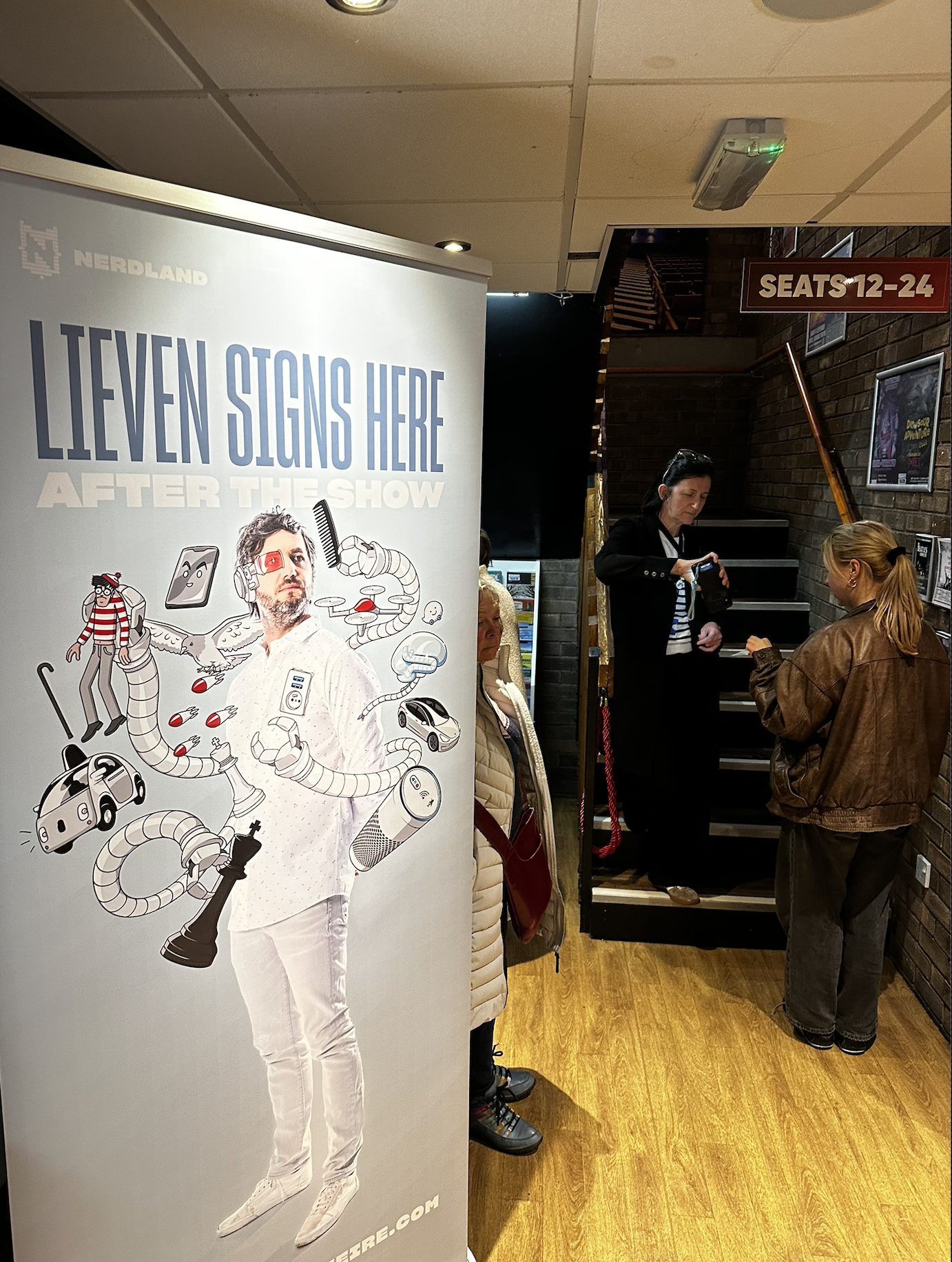
But don’t just take it from me. To get both points of view, I brought my resident humanities student (also Co Editor-in-Chief of this paper) along to see if Lieven’s eloquence could translate into an altogether different mind.
‘A comedy-slash-science show about AI is definitely not something I would have taken myself to, but Lieven won me over pretty quickly. Although I particularly enjoyed the adult humour and Brexit jokes, I did also leave with a far superior understanding of AI and hope to thwart my new powers over my uneducated peers.’
The key theme of the show was the idea that ‘AI is just a new software that’s really good at pattern recognition.’ That could be identifying cats in pictures, completing sentences by guessing the next words, or even predicting when consumers will buy certain products based on previous habits. This is all stuff that conventional ‘rule-based’ programs simply cannot do. Pattern recognition is only possible with what’s called a ‘neural network’, the lifeblood of AI (and our brains for that matter).
I will briefly explain what a neural network is, but, as Lieven did when he needed to get nerdy, I will give you permission to ‘go into standby mode’ (just skip this paragraph basically).
Let’s take the example of identifying a cat in a picture. The actual file of the picture is simply a string of ones and zeros that are ordered in a standardised way, allowing your computer to show you an image of a cat. However, your computer has no idea what a cat is, all it knows is that string of ones and zeros. So how can a program identify a cat from a bunch of digits? Neural networks need to be trained. This essentially consists of giving it a load of pictures of cats and telling it ‘these are cats,’ then giving it a load of pictures of not cats and telling it ‘these are not cats.’ It will then, based on what you have told it, assign a value to each of the ones and zeros - perhaps plus 10 for each one if the image is a cat and minus 10 for each one if the image is not a cat. Then, after a lot of training and many layers of this process, the program will be able to tell you that, because the ones are in certain positions, any new image of a cat is probably a cat, because the pattern of ones looks similar to that for the images of cats that it has been trained on.
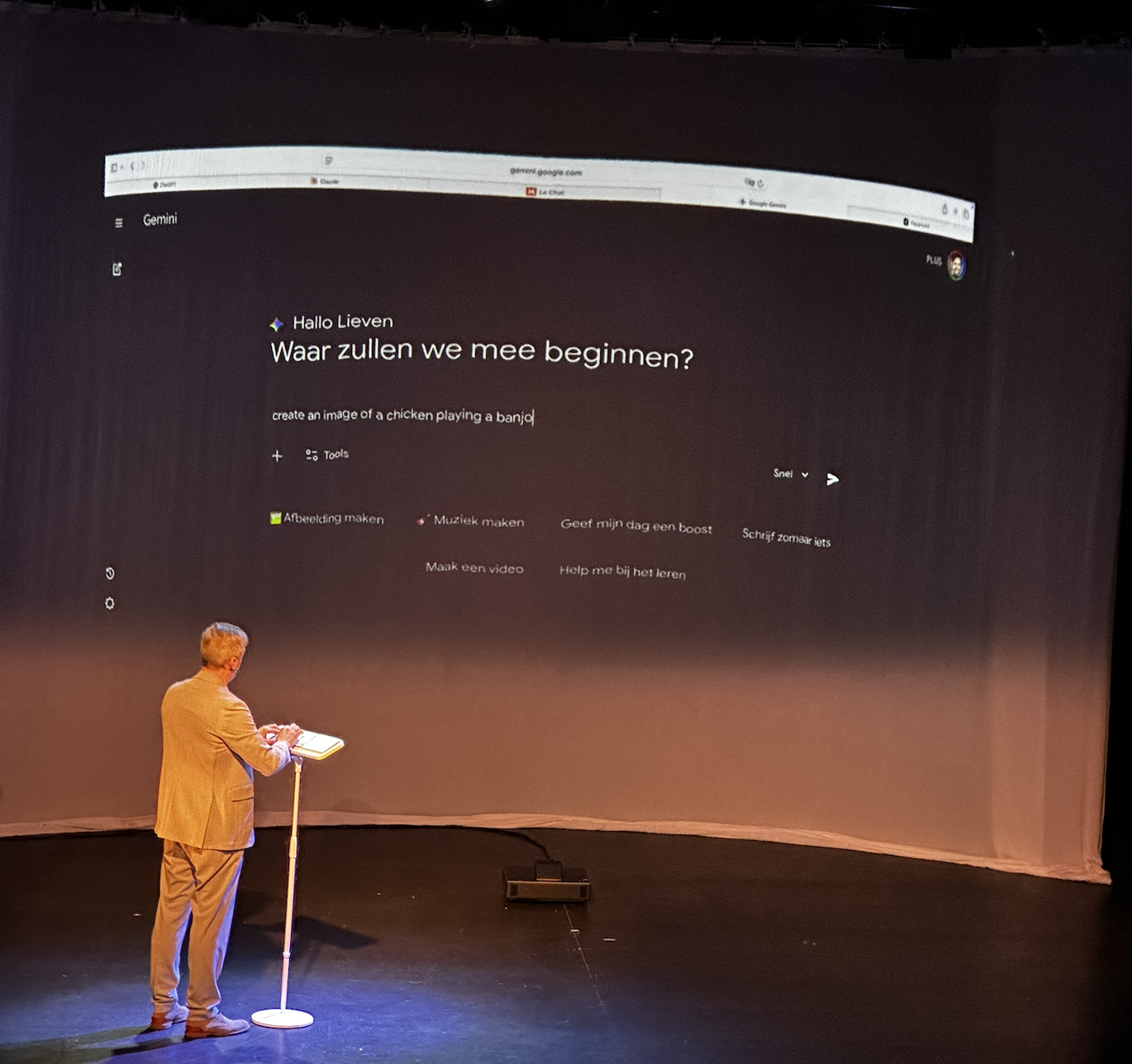
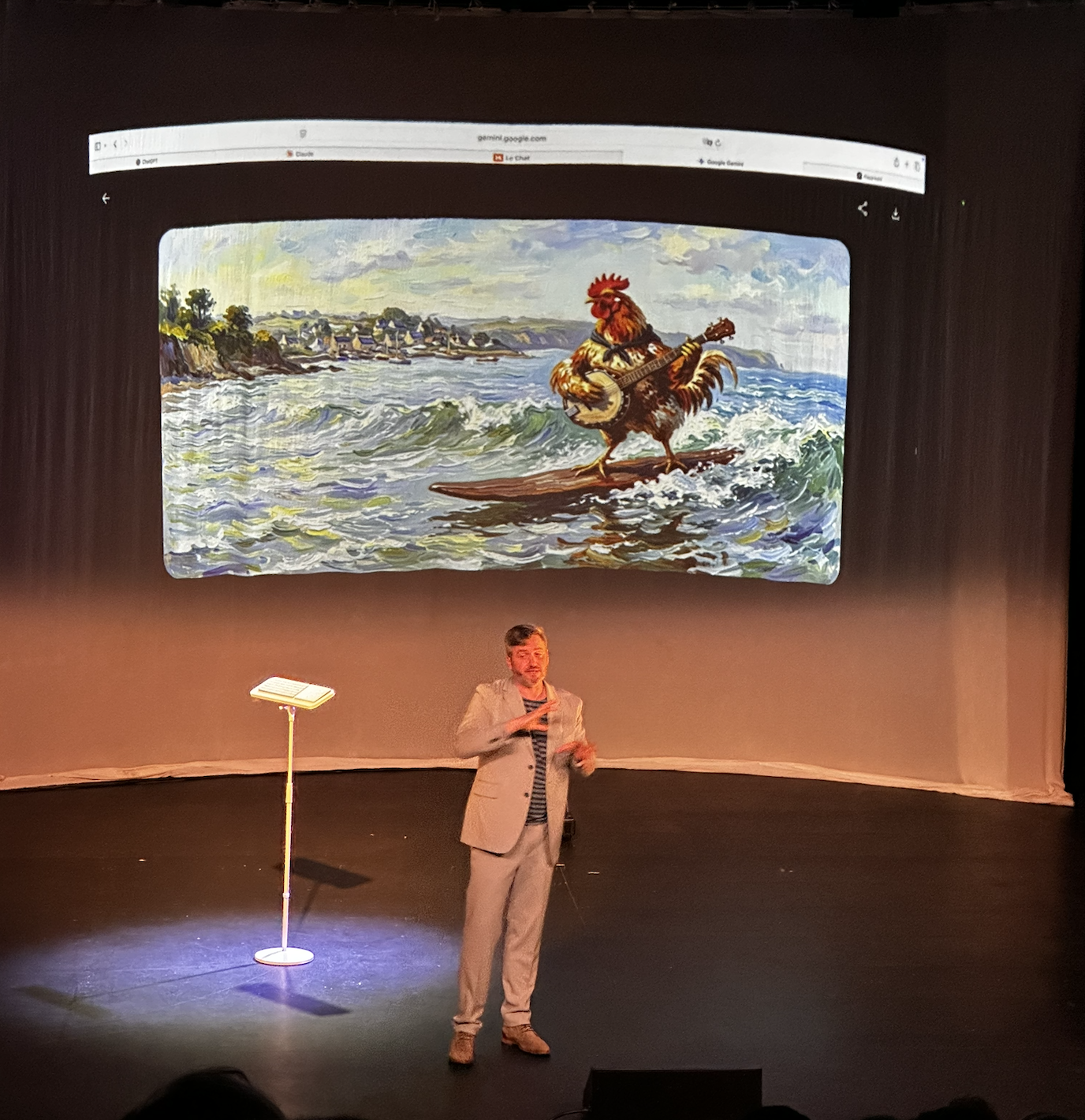
Probably the most interesting fact I learnt is that Large Language Models (LLMs), such as ChatGPT or Gemini, actually started life as next word predictors. If you’ve ever typed something on your phone and three words pop up at the top of your keyboard trying to guess which word comes next in your sentence, then you know what I’m talking about. In fact, they are still next word predictors, but instead of predicting your next word, they are predicting their own. This is possible because they are trained on all the sentences ever written on the internet, so, using the neural network procedure I outlined above, they can predict which words are most likely to come up next. ChatGPT has no idea what anything it is saying means - it is just constantly making predictions of which word should come next, and this ends up making complete sense (most of the time). We assign LLMs some level of emotion because they appear to speak our language, but, in reality, they’re just soulless programs mimicking our voices.
Lieven maintained a cautious attitude towards AI, remaining honest about his uncertainty for the future. He concluded the show by saying ‘while it is right to be worried about AI, the best thing you can do is be knowledgeable on AI so you can worry about the right things.’ From someone who has heard people's concerns around AI first hand, has a decent understanding of AI, and has now seen Lieven’s show, I feel qualified to say that this is an excellent piece of advice.
Lieven’s UK tour has come to an end, but, talking to him after the show, it sounded as though he was eager to come back in the future. If you are able, I do genuinely urge you to watch his show - regardless of your discipline. It was a fantastic way to spend a Sunday evening and I don’t regret turning down Off Menu Live to see it (seriously).
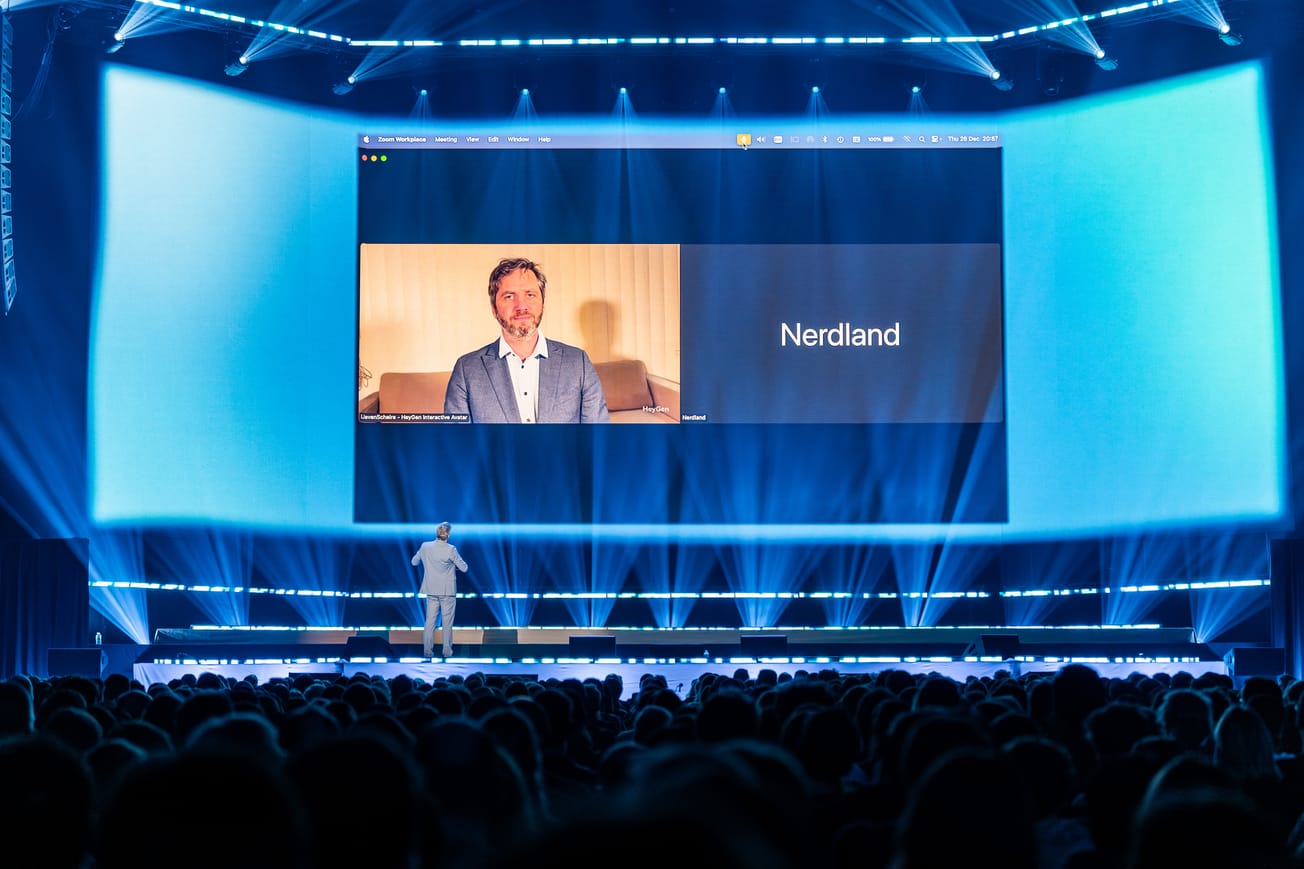
Featured image: Lieven Scheire